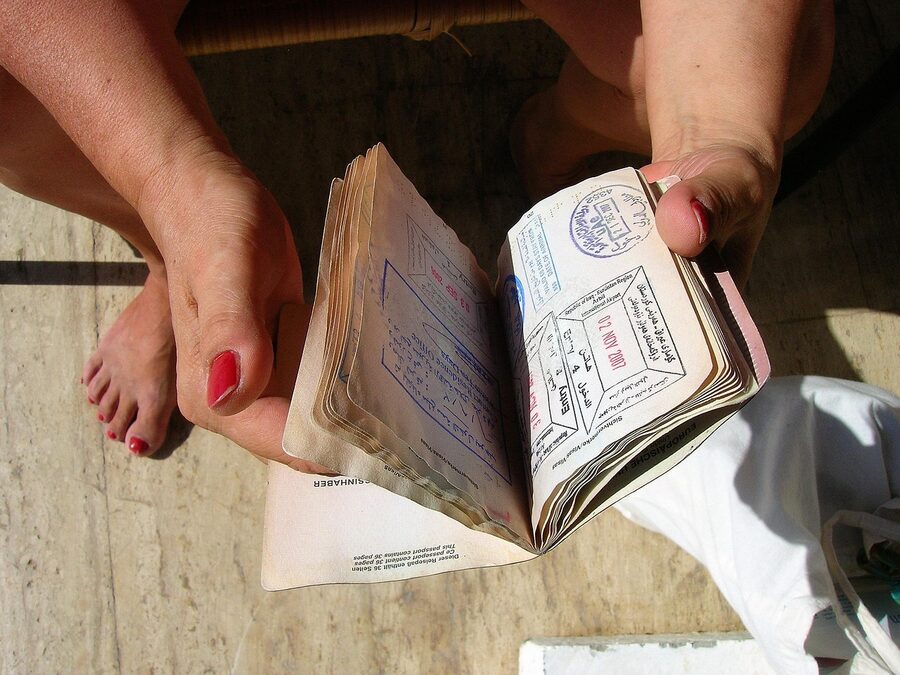
If you’re planning to visit more than one Central American country, the CA-4 is either the best news of your trip or the worst, depending on whether you understood it before you booked. It’s the immigration agreement that fuses Honduras, Guatemala, El Salvador and Nicaragua into a single 90-day visa zone. Cross between them and nobody resets your clock. Cross out, even for a long weekend, and the rules change again. Most people I meet on the gringo trail figure this out one of two ways: by reading about it before they fly in, or by paying a fine in Tegucigalpa with the wrong currency. This guide is the first version of that.
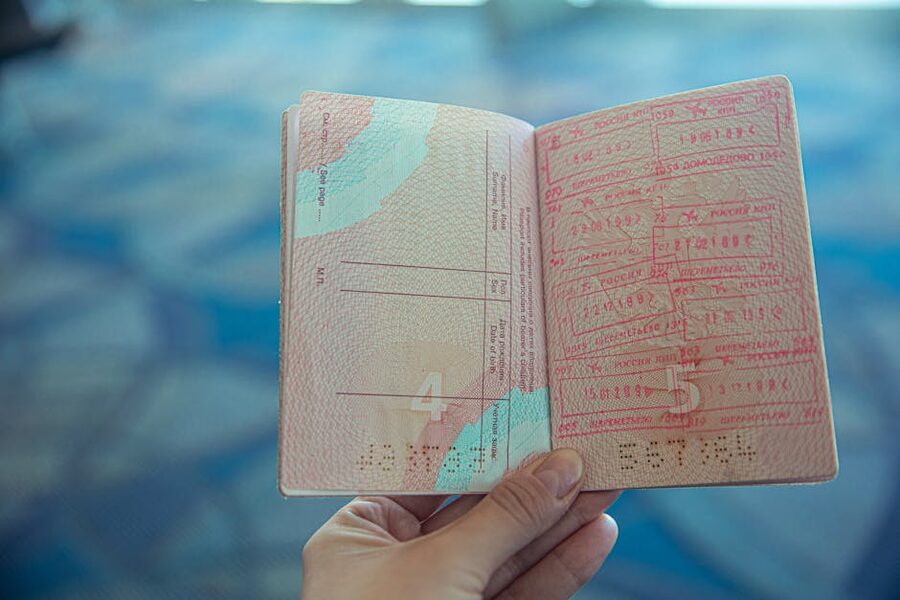
The short version: when you enter any of those four countries you get one 90-day stamp that covers all four together. You don’t get fresh time when you cross from Guatemala into Honduras, or from El Salvador into Nicaragua. To reset the clock you have to leave the CA-4 region entirely. Belize, Mexico, Costa Rica and Panama all qualify as outside, and an international flight out qualifies too. That’s it as a sentence. The rest of this article is the parts that get people in trouble: where the rule is enforced strictly, where it’s enforced loosely, what the overstay fines actually cost, where you go to extend, and the country-by-country quirks that aren’t on the State Department fact sheet.
I’ll quote each currency in the country it applies to. Guatemala is in quetzales (Q), Honduras in lempiras (L), Nicaragua in córdobas (C$), and El Salvador in US dollars. Belize uses the Belize dollar (BZ$, pegged 2:1 to USD), Costa Rica the colón (₡), and Panama the balboa, which is the US dollar in everything but name. Where a fee is officially set in dollars, I’ll say USD. Spanish terms you’ll see at borders: frontera (border), migración (immigration), sello (stamp), prórroga (extension), aduana (customs), permiso de turismo (tourist permit). One or two of those phrases save real time when you’re standing in front of a window in San Pedro Sula at 4am.
In This Article
- What the CA-4 actually is
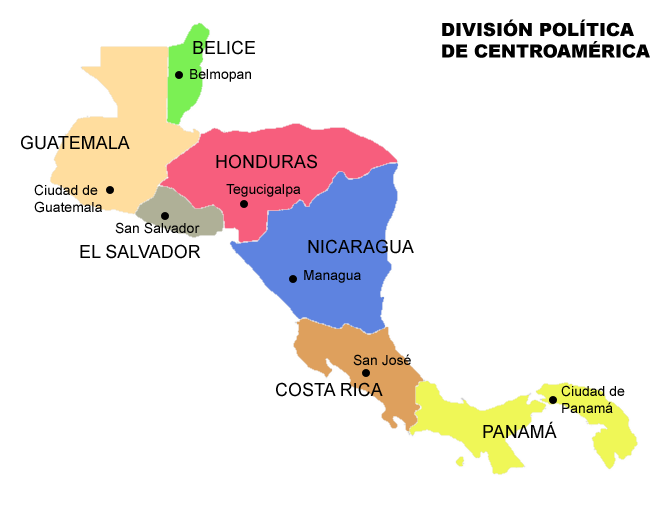
- Which countries are in, which are out
- How the 90-day clock actually works
- The borders: who stamps you, who doesn’t
- Country-level quirks (where the rule is enforced differently)
- Guatemala (DGM)
- El Salvador (DGME)
- Honduras (INM)
- Nicaragua (DGME)
- Exit strategies (how to actually reset)
- The Belize-Guatemala border quirk
- Overstay fines (what they actually cost)
- Where to extend (immigration offices in capitals)
- Common mistakes I see at borders
- Practical scenarios
- One more thing the State Department won’t tell you
- Sources I’d actually keep open in tabs
What the CA-4 actually is
The Central America-4 Free Mobility Agreement, in Spanish the Convenio Centroamericano de Libre Movilidad, was signed in June 2006 between El Salvador, Guatemala, Honduras and Nicaragua. It’s modelled on the Schengen Area in Europe, although the comparison is generous. Schengen has 29 members, biometric data sharing and one of the most enforced internal-borders policies in the world. The CA-4 has four members, sometimes-functioning radio communication between border posts, and an enforcement style that varies by country and by which officer is at the window. The official text and country implementation details are summarised on Wikipedia with links to each national immigration authority’s regulations.
For citizens of the four signatory countries, the CA-4 is a different document. They cross internal borders with a national ID card, no passport needed, the way an Italian crosses into France. For everyone else, the CA-4 controls how long your tourist permit lasts and where you can use it. The US State Department’s El Salvador page puts it as plainly as any official source: “CA-4 nationals and visitors who legally enter any of those four countries may travel freely among the other three countries for up to 90 days total.”

Which countries are in, which are out
This is the question that costs people days of itinerary planning when they get it wrong. There are seven countries usually grouped under “Central America.” Four are in the CA-4, three are not.
In the CA-4 (one shared 90-day stamp):
Not in the CA-4 (separate stamps, separate clocks):
- Belize: initial 30-day stamp, extendable
- Costa Rica: initial stamp up to 180 days
- Panama: up to 180 days
Costa Rica was at the negotiating table in 2006 and explicitly opted out. Panama was never part of it. Belize sits a little awkwardly because it’s geographically right there alongside Guatemala but it’s culturally and linguistically Caribbean and was a British colony until 1981, and its immigration system is its own thing.
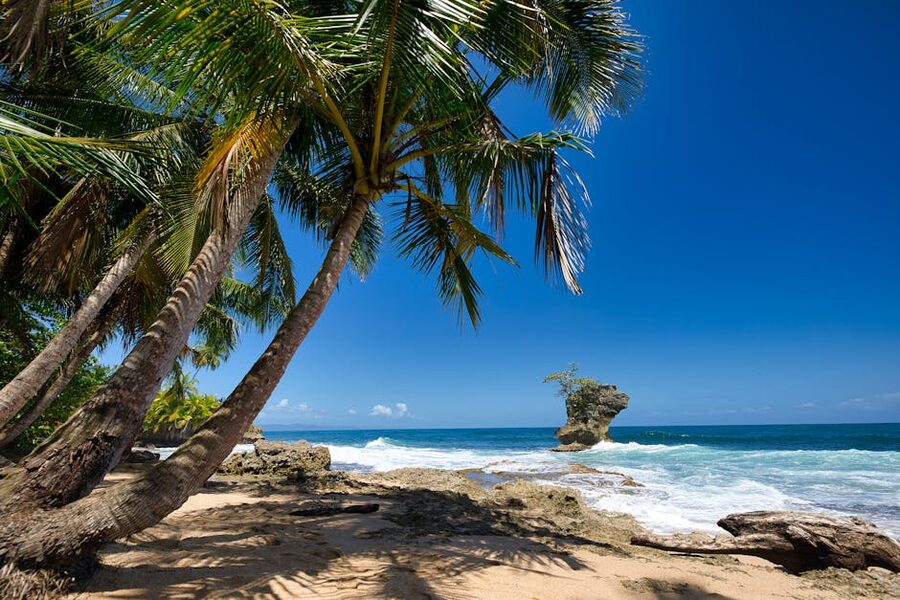
The practical thing this means: if your trip is, say, 60 days across Guatemala, Honduras, Nicaragua and El Salvador, you’re inside one CA-4 visa the entire time and you don’t reset anything by crossing internally. If your trip is 60 days from Mexico down to Panama, you’ll be using the CA-4 for the four-country middle and getting fresh stamps when you enter Belize, Costa Rica and Panama on either side.
How the 90-day clock actually works
Day 1 is the day the first CA-4 immigration officer stamps you in. That’s it. The clock then runs on its own regardless of which CA-4 country you’re in. Sit in Antigua Guatemala for two weeks, take a shuttle through the highlands to Lake Atitlán for another two, fly to Roatán for a diving week, bus down to Granada for ten days. You’re now on day 51 of your CA-4 stamp. You have 39 days left, and they don’t refresh when you cross between any of the four.
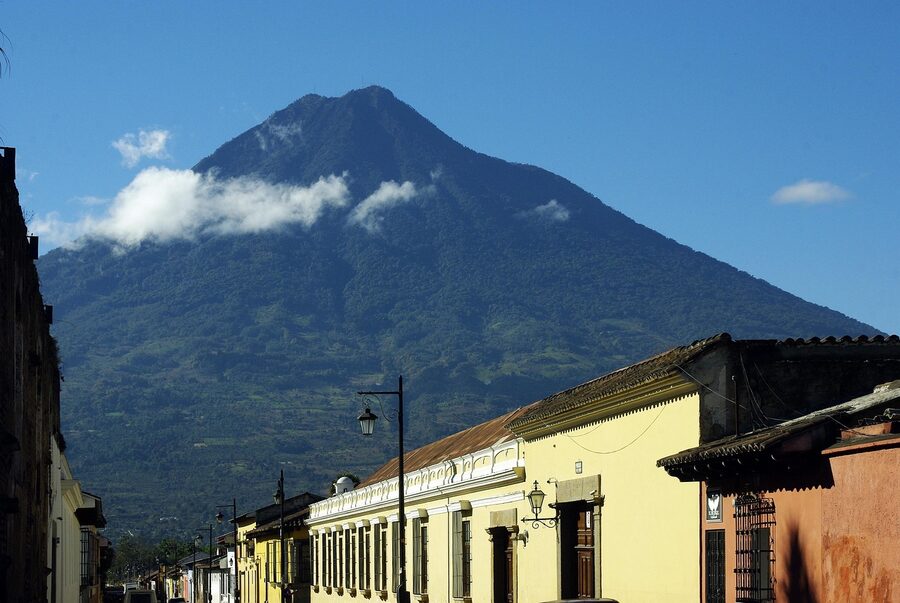
The stamp itself usually says “90 days” written next to the date, although officers in Guatemala have been known to issue 30 or 60 days at their discretion. Always check the date and the duration written by the officer before you walk away from the window. There is also a quirk that long-term travellers report in Guatemala specifically: exiting and re-entering the country can produce a fresh 90-day stamp even though you didn’t leave the CA-4. Officers describe it as an immigration formality similar to how some people read Schengen exit-and-return stamps. It works some of the time. It is also clearly not the agreement’s intent. I wouldn’t lean on it as a strategy.
Two important detail points the official summaries skip over. First, the 90 days is total time inside the CA-4 across the trip, not 90 days in any one country. Second, the clock is calendar-day calendar based, not 24-hour: a day-trip to El Salvador and back to Guatemala won’t do anything for your visa other than burn one day at each border post.
The borders: who stamps you, who doesn’t
Here’s where the agreement looks its messiest in practice. Officially, when you cross between two CA-4 countries you should get an exit stamp from the country you leave and an entry stamp from the country you enter, both showing the same CA-4 expiry date. In practice it varies. El Salvador in particular often skips entry stamps for travellers arriving overland from Guatemala or Honduras, on the basis that your stamp is already CA-4 valid. Other crossings stamp aggressively at both ends.
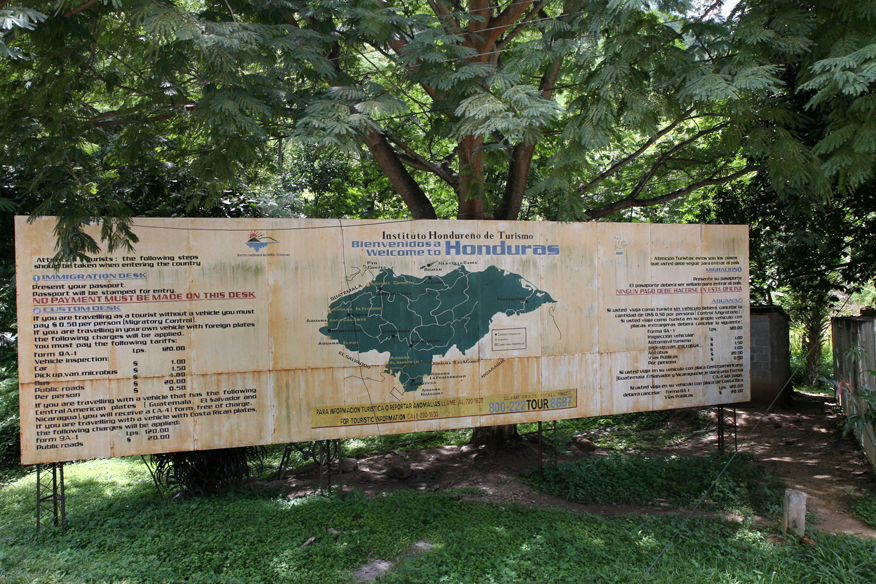
El Florido is the crossing most travellers see first because it’s the route between Antigua and the Mayan ruins in Copán Ruinas. Hedman Alas runs a direct shuttle that handles the formalities for you while you sit on the bus, which costs more but is a lot less stressful at 6am. If you’re crossing independently with your own bus tickets, queue inside the small migración building on each side, present passport, expect a stamp on each. The walk between the two posts is about 200 metres.
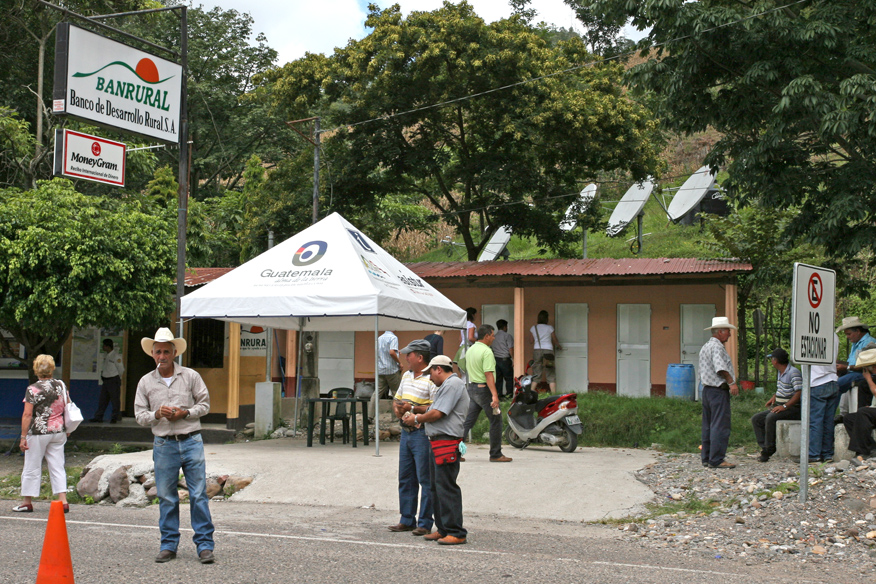
El Amatillo is the busiest Honduras-El Salvador crossing and the one most long-distance buses use, including King Quality and Tica Bus on the San Salvador-Tegucigalpa run. Las Manos is the busiest Honduras-Nicaragua crossing, on the Tegucigalpa-Managua corridor. Both can be slow during morning peak when local commuters are crossing for work. Bring a paperback or a charged phone. If you’re crossing on a long-distance bus, the driver collects everyone’s passports, hands them to migración as a stack, and brings them back stamped, which is faster but means you can’t double-check the date until you’re already on the bus moving away.
Peñas Blancas is the busiest Costa Rica-Nicaragua crossing and the place a lot of CA-4 visa runs end. Note that you’re leaving the CA-4 here, which means you should get a real exit stamp from Nicaragua showing the date. If they skip it, ask. Cross-border bus passengers occasionally arrive in Costa Rica with no Nicaragua exit stamp and end up arguing with Costa Rican migración to issue one retroactively, which they can’t.
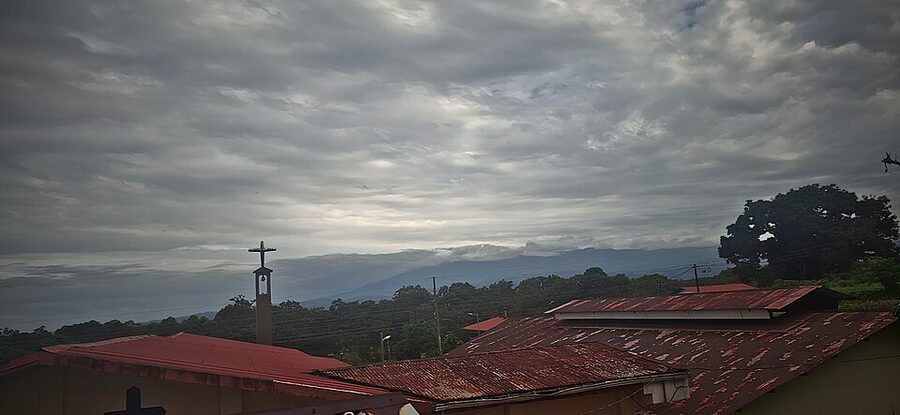
Country-level quirks (where the rule is enforced differently)
The agreement is supposed to be uniform. It isn’t. Each country implements it through its own immigration authority, and the differences are real.
Guatemala (DGM)
Guatemala’s Dirección General de Migración usually stamps a full 90 days on entry, although there are reports of 30-day or 60-day stamps issued at the discretion of the officer at La Aurora airport in Guatemala City. The fine for overstay is officially 15 quetzales per day per the US State Department; some travellers have been quoted 20 quetzales by border officers, which works out to roughly the same thing. Guatemala technically allows internal extensions for 90 more days through the migración office in Guatemala City, although many travellers find it easier to leave to Belize or Mexico for 72 hours and re-enter for a fresh stamp. The DGM head office is in Guatemala City; expect two visits, one to apply, one to collect.
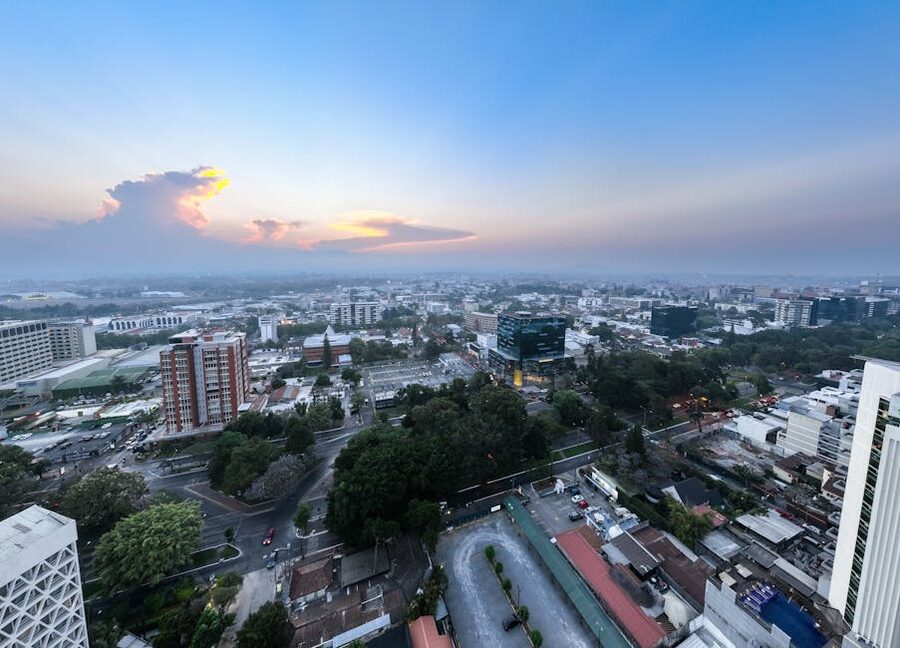
El Salvador (DGME)
El Salvador’s Dirección General de Migración y Extranjería runs the most foreigner-friendly extension process of the four. The office in San Salvador near the Comalapa road accepts walk-ins, replies to emails in Spanish or English, and the process can be done about 90% online via email ([email protected]) and form F44 followed by one in-person appointment for stamping. Cost is around USD 25 for a 30-day extension. Some travellers have reported being granted a full 90 days on the same day for the same fee, although that’s the officer’s call. El Salvador also charges a USD 12 tourist card fee on first entry by air, paid in cash at the airport.
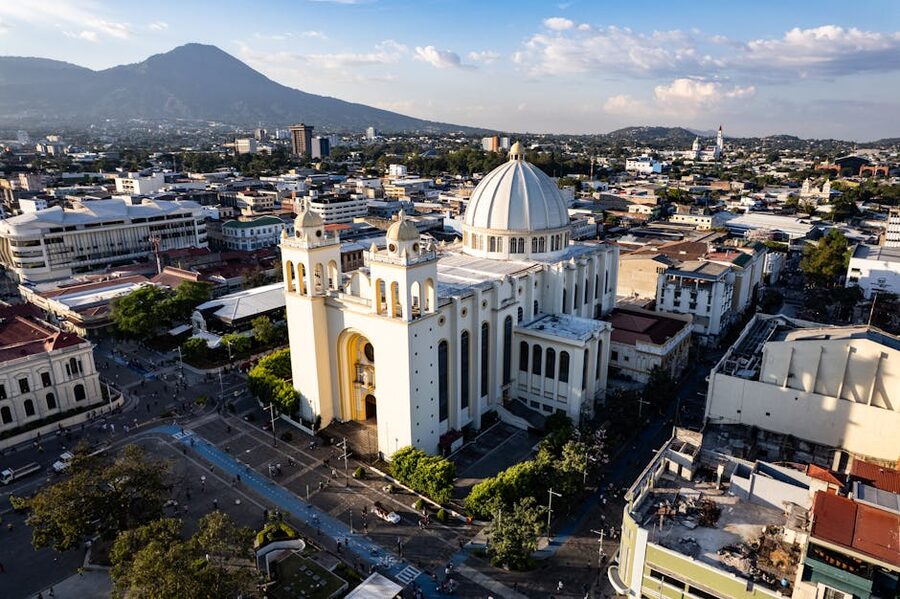
Honduras (INM)
Honduras’s Instituto Nacional de Migración is the strictest of the four on enforcement and the one where overstay fines are a regular conversation at exit. Travellers report being stamped in for only 30 days at land borders even though they thought they had longer left on their CA-4 visa, which then required a fine to be paid on the way out and only a 5-day grace period to exit Nicaragua before they had to leave the CA-4 entirely. If you arrive at a Honduras land border having already used time elsewhere in the CA-4, expect them to subtract that time from your remaining 90 days, sometimes aggressively. The INM main office is in Tegucigalpa, Colonia Palmira; extensions are technically possible but harder than the El Salvador process.
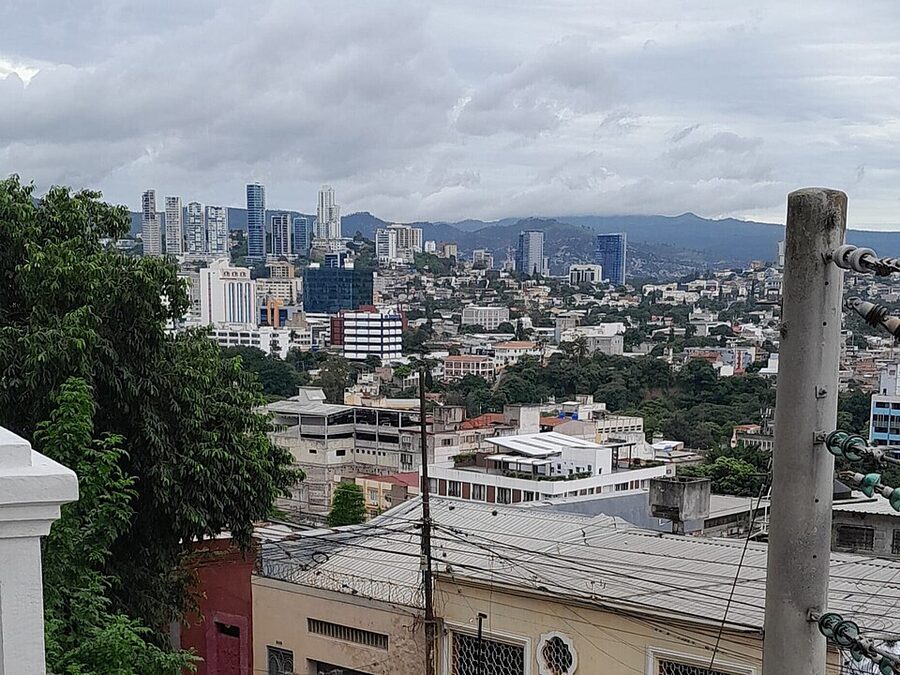
One important Honduras-specific note that’s been changing: as of 2025-2026, UK passport holders have been required to obtain a separate visa to enter Honduras in advance, even though Honduras remains technically part of the CA-4. The UK Foreign Office has confirmed this on its travel advice page: “British Nationals must have a visa to visit Honduras.” If you’re British and your route runs Antigua to Copán to Roatán, this affects you. The other three CA-4 countries (Guatemala, El Salvador, Nicaragua) still operate normally for UK citizens, so a route that excludes Honduras goes back to one entry stamp, one clock, three borders. If you absolutely want Copán in your trip, plan the visa in advance through the Honduras embassy in your country.
Nicaragua (DGME)
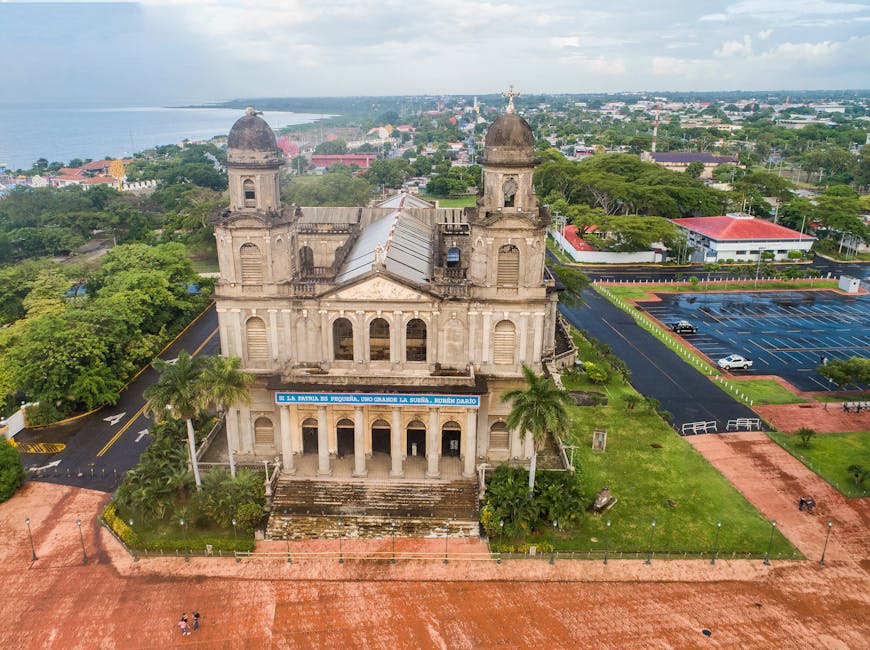
Nicaragua’s Dirección General de Migración y Extranjería charges entry fees on arrival: USD 10 for air arrivals, USD 12 for land crossings, in cash, exact change appreciated. Nicaragua is also the country where current US State Department advisories specifically warn that the government has, under the current political situation, “subjected U.S. citizens to arbitrary entry and exit bans, expulsions, arrests.” That’s language that didn’t appear in the same advisory five years ago. If you’re a US passport holder going to Nicaragua, read the current advisory first. For most other nationalities, the entry process is normal: 90-day stamp, the same CA-4 clock, fee paid, you’re in. Extensions are processed through DGME in Managua.
Exit strategies (how to actually reset)
To reset your CA-4 clock you have to leave the four countries entirely. Three things qualify:
- Cross overland into Belize, Costa Rica, Panama, or Mexico. Each of these resets the CA-4 stamp. Belize and Mexico are the most common northbound options; Costa Rica is the most common southbound option.
- Fly internationally out of any CA-4 country. A flight from Guatemala City to Mexico, San Pedro Sula to Cancún, San Salvador to Bogotá, or Managua to Panama City all reset the clock when you fly back in.
- Wait for the existing 90 days to expire and pay the overstay fine on exit. This isn’t really a strategy, it’s the consequence of not planning, but in practice plenty of travellers do this if the fine is small relative to the cost of an unplanned exit flight.

How long you have to be out: the CA-4 doesn’t specify a strict minimum exit period, but the practical convention used by border officers is 72 hours. Some travellers have reported being readmitted same-day if they crossed out and crossed back through a different border post. That’s officer-discretion territory and not a strategy I’d recommend if your trip depends on the visa working.
The cheapest reset: if you’re in Guatemala City, the bus to Tapachula in Mexico via the Pacific coast is the cheapest reset. If you’re in northern Guatemala or Belmopán, a shuttle to Belmopán and on to San Ignacio gets you out cheaply. From the Honduras Bay Islands, the cheapest reset is sometimes the small Mahogany Bay flight to Belize City. From Nicaragua, the bus to Liberia in Costa Rica is the standard.
The Belize-Guatemala border quirk
Melchor de Mencos is the only land crossing between Belize and Guatemala, and it’s the one most CA-4 visa runs use to reset northbound. It’s also the most quirky border in the region for a couple of reasons.
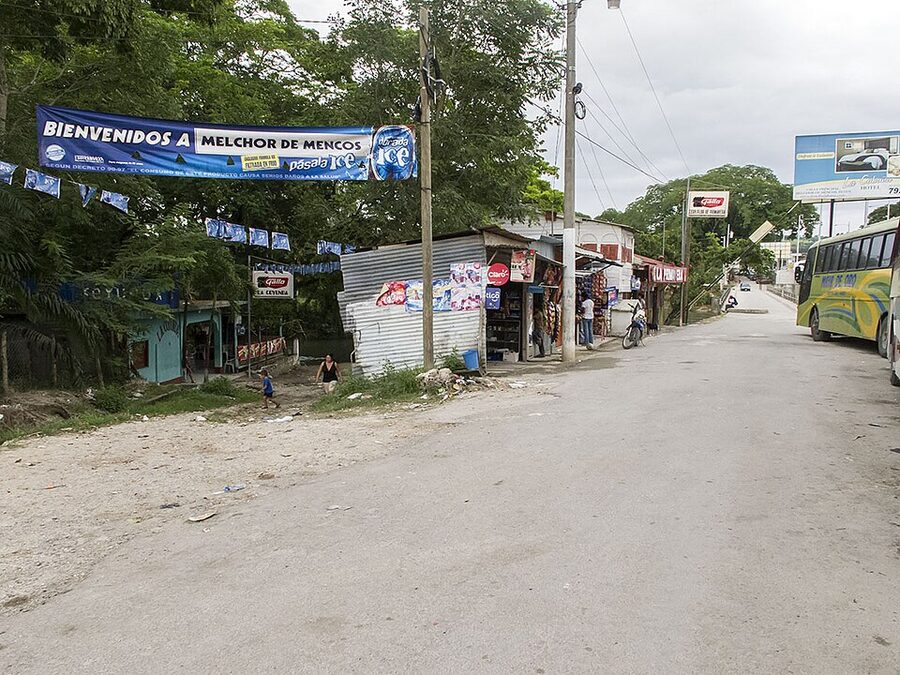
First, Belize charges an exit fee on its side. It’s currently around BZ$40 (US$20) per person if you’re staying longer than 24 hours; the fee structure changes depending on how long you’ve been in the country, and it’s payable in cash, USD or BZD accepted. There’s no avoiding it; the booth is between the Belize immigration window and the bridge to Guatemala. This catches a lot of CA-4 visa runners off guard who thought their reset would be free.
Second, the road from the border into Guatemala is rough enough that taxis charge real money for it. Most Tikal-from-Belize travellers do the journey by shuttle pre-booked from San Ignacio, which handles the border on both sides and includes the exit fee. If you’re crossing independently with the intention of reaching Flores or Lake Atitlán, give yourself a full day for the border-and-onward leg. It’s not the kind of crossing where you can stroll through and grab the next bus.
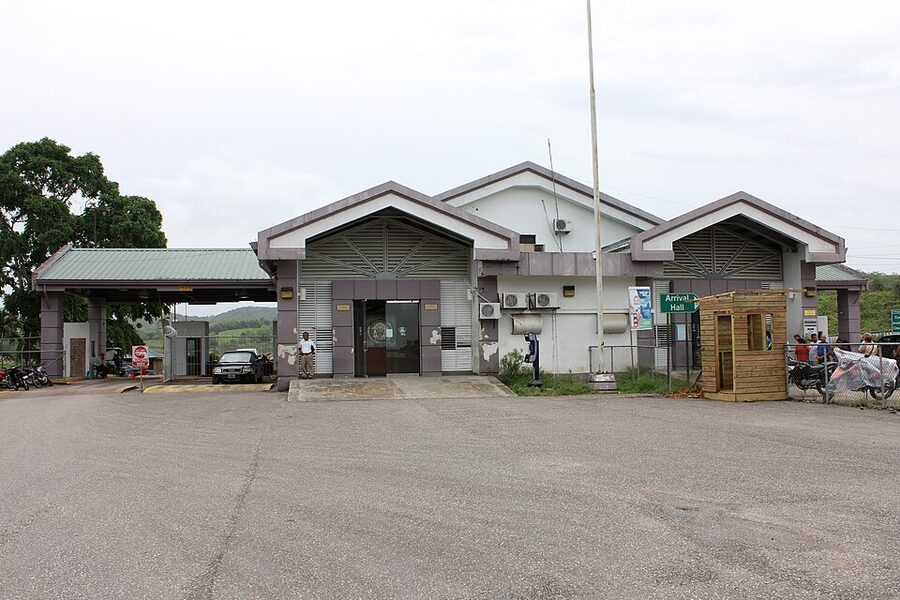
Third, on the way back into Guatemala you start a fresh CA-4 clock. The officer should write 90 days on the entry stamp; check it before walking away. I’ve heard of travellers being stamped in for fewer days because the officer assumed they were day-tripping back. Ask, in Spanish, for the full noventa días. They’ll usually correct it.
Overstay fines (what they actually cost)
If you overstay your 90-day CA-4 stamp without an extension, you pay a per-day fine on exit. The amounts are different in each country and they change occasionally. Current numbers as of 2025-2026:
- Guatemala: 15 quetzales per day (around USD 2 per day) per the US State Department; some officers quote 20 quetzales
- Honduras: variable; commonly USD 1-3 per day depending on length of overstay; longer overstays escalate
- El Salvador: USD 2 per day for short overstays; longer ones can require an extension request retroactively
- Nicaragua: pay any fine and obtain an extension before exit, paid in córdobas at DGME, usually USD 2 per day equivalent
The numbers are small enough that for a one or two-week overstay, the fine is often cheaper than the bus or flight needed to reset. That’s not a recommendation, that’s an observation. Where it goes wrong is when officers exercise discretion about what counts as a “long” overstay and start asking for documentation, or when an unrelated issue (lost passport, expired insurance, immigration audit week) means a fine that would normally be USD 30 ends up being USD 200 with extra steps. Plan to be inside your 90 days unless you have a specific reason not to.

One specific scenario that catches people: you overstay 30 days in Honduras, head to Las Manos to cross to Nicaragua, pay the Honduran fine on exit, and Honduran officers tell you you have 5 days to exit Nicaragua and leave the CA-4 entirely. This is documented in multiple traveller accounts and it’s not a one-off. The Nicaraguan officers at the next window may or may not honour the Honduran instruction, and you’ll find out when you try to extend. The lesson: if you’ve used Honduras’s discretion on overstay, plan to leave the CA-4 within days, not weeks.
Where to extend (immigration offices in capitals)
If you want to extend your CA-4 stay legally, you do it at the immigration office of whichever country you’re currently in. Each capital has the head office; the addresses change occasionally so always check the current website for the office.
- Guatemala: Dirección General de Migración, Guatemala City (Zona 4)
- El Salvador: Dirección General de Migración y Extranjería, San Salvador (the Comalapa road office)
- Honduras: Instituto Nacional de Migración, Tegucigalpa (Colonia Palmira)
- Nicaragua: Dirección General de Migración y Extranjería, Managua (Pista de la Solidaridad)

The official extension under the agreement is typically up to 30 days beyond your original 90, although El Salvador has been known to grant 90 days in one go. Extensions are valid in the country that issued them. Most travellers find this confusing because the agreement implies extensions should be honoured across the CA-4, and in practice they sometimes are and sometimes aren’t, depending on the officer at your next border. If you’ve extended in El Salvador and you’re entering Honduras, expect the Honduran officer to recalculate based on their own interpretation. Bring printed proof of the extension.
One detail that surprises people: El Salvador often does not stamp passports on overland entry from Guatemala or Honduras at all, on the assumption that your existing CA-4 stamp covers you. This means if you extend in El Salvador and leave overland to Nicaragua, your passport will show: original CA-4 entry stamp from Guatemala, El Salvador extension document but no entry/exit stamps for El Salvador itself, then a Nicaragua entry stamp. Carry the extension paper in your passport. Show it to the next country’s officer. It usually works.
Common mistakes I see at borders
A short list, since most CA-4 problems trace back to one or two of these:
- Not checking the date written on the entry stamp. Officers occasionally write 30 or 60 days when you expected 90, especially at land borders. By the time you notice you’re already at the next country.
- Assuming a Belize-Guatemala bounce is automatic. Belize charges an exit fee. Plan for it.
- Confusing the CA-4 with Schengen logic. Schengen has a 90-in-180 rolling rule. The CA-4 doesn’t; it’s a flat 90 from first entry, with full reset on exit.
- Counting an internal CA-4 border as a reset. Crossing from Honduras into Guatemala doesn’t reset anything, even though it feels like a “real” border. You’re still on the same 90-day clock.
- Day-tripping out and back through the same post. Some officers consider this a non-exit and won’t reset. Use a different border crossing or fly out for at least 72 hours.
- Letting the bus driver collect your passport without checking the stamp afterwards. By the time the stack comes back stamped, the bus is already moving. Open your passport before it leaves your sight.
Practical scenarios
Two weeks Guatemala only: No CA-4 problem. You’ll use 14 of your 90 days. Exit by air or to Belize/Mexico. The stamp expires unused.
Three weeks Guatemala plus Honduras (Antigua-Lake Atitlán-Tikal-Copán-Roatán): Comfortable inside the 90-day stamp. Plan to exit through San Pedro Sula airport or back through Guatemala. The crossing at El Florido is the only complication and Hedman Alas runs through it.
Six weeks across all four CA-4 countries: Tight but doable. Watch the math: 42 days used, 48 remaining if you decide to add Costa Rica. You’re fine but plan border days as travel days, not as buffer.
Three months in Antigua learning Spanish: Right at the limit. If your school is more than 11 weeks you’ll need an extension or a Belize/Mexico run. Most language schools in Antigua plan around this and have advice.
Six months overland from Mexico to Panama: You’ll need at least one CA-4 reset. Common pattern: Mexico-Guatemala-Belize-Guatemala-Honduras-El Salvador-Nicaragua-Costa Rica-Panama, with the Belize loop somewhere in the middle giving you a fresh 90-day stamp.
One more thing the State Department won’t tell you
Border posts close. Lunch hours, holidays, occasional strikes, weather closures during the wet season. Peñas Blancas closed for several days in mid-2024 over a customs labour dispute and stranded the Tica Bus run. El Florido closed for a morning in 2023 because of a local protest. Las Manos has running construction. None of this is on any official advisory page until after the fact. The two consistently reliable signals are local Facebook groups for overland travellers in the region (the “Pan-American Travelers” group is active) and the daily WhatsApp threads run by hostels in Antigua, San Salvador, Granada and San Ignacio.
If your itinerary depends on a specific border being open on a specific day, ask in those threads 24 hours ahead. Border opening hours also vary: Las Manos and Peñas Blancas are usually open 06:00-22:00; smaller posts close at 18:00 or earlier. Always cross with daylight on your side; arriving at a border zone after dark is the part of these days that goes wrong.
Sources I’d actually keep open in tabs
The main caveat with any visa article is that rules change. Below are the pages I check before any CA-4 trip, and the ones I’d recommend you bookmark:
- US State Department: El Salvador international travel information, the most explicit CA-4 explanation in any official text
- US State Department: Guatemala
- US State Department: Honduras
- US State Department: Nicaragua
- UK FCDO: Honduras entry requirements, important for British passport holders given the 2025-2026 visa change
- IOM CA-4 agreement summary
- Canada travel advice: Honduras
And a recommendation, since I write about this region for travel tips: print a paper copy of your passport’s photo page and your most recent CA-4 entry stamp. Keep it in a different bag from your passport. If a border officer wants to see proof of when you entered the CA-4 and your passport is being held by a bus driver, the printed copy buys you fifteen minutes. It’s the cheapest insurance in this entire system.