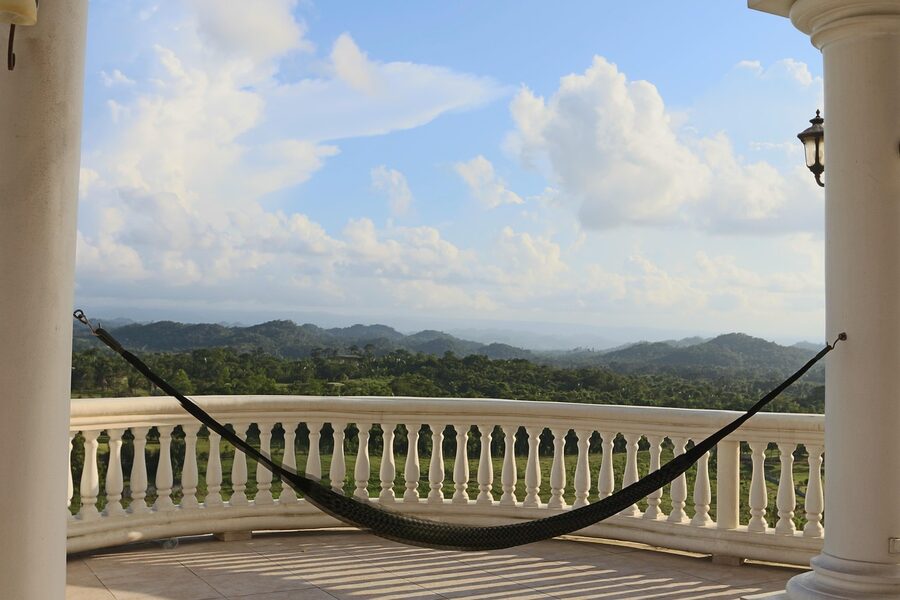
Belmopán is a planned capital, built from scratch in the late 1960s and inaugurated in 1970 after Hurricane Hattie flattened most of Belize City. It is not a colonial old town, not a beach town, and not why anyone flies to Belize. Most travellers either skip it or stop for a few hours on the bus run between San Ignacio and Belize City. That is a fair call. But if you are basing yourself in the Cayo District for a week, the capital is worth half a day, mainly because the things just outside it (Guanacaste National Park, St Herman’s Blue Hole, the Belize Zoo, Banana Bank) outweigh anything in the centre.
Here is the practical version: what to do, where to eat, where to sleep, what to skip.
In This Article
- The quick orientation
- Why the capital is here in the first place
- The currency thing (read this before your first ATM stop)
- Things to actually do in Belmopán
- The National Assembly Building and Independence Plaza
- The George Price Centre for Peace and Development
- The Belmopán Market Plaza
- Guanacaste National Park
- The Belize Archives and Records Service and Art Box Belize
- The much better day trips just outside the city
- St Herman’s Blue Hole National Park
- Banana Bank Lodge
- The Belize Zoo
- Caves Branch, ATM Cave, and the cave-tubing circuit
- The Mayan ruins of the Cayo
- Where to eat
- Where to stay
- Getting in, getting out, and the bus terminal
- When to visit and what the weather actually does
- Nightlife (such as it is)
- Safety, briefly
- Should you bother?
The quick orientation
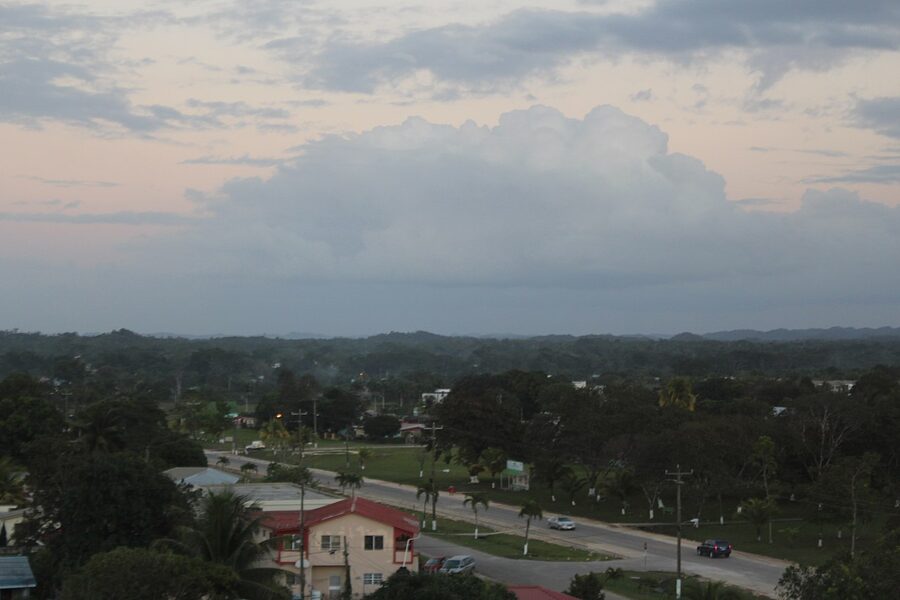
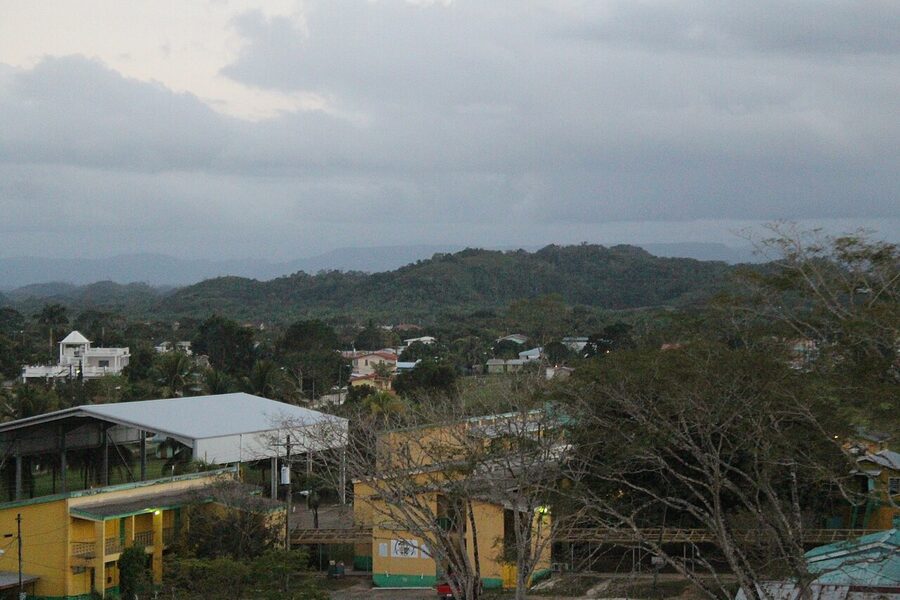
Belmopán sits inland in the Cayo District, about an hour by car from Belize City and 45 minutes from San Ignacio along the George Price Highway (older locals and most road signs still call it the Western Highway). Population is around 25,000 to 27,000, which makes it the smallest national capital in the Americas. Most days it feels like a quiet provincial town with a few embassies bolted on.
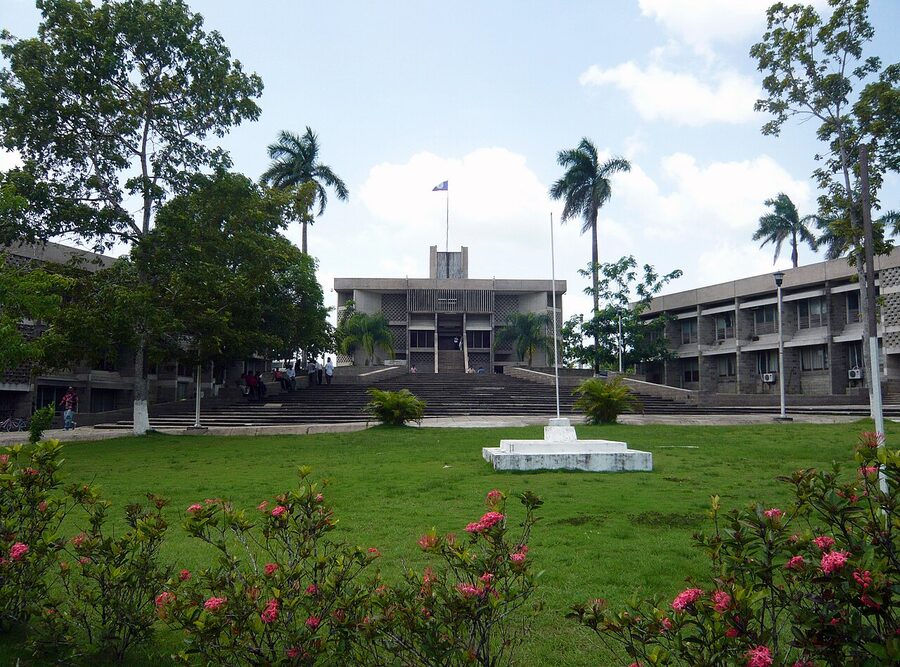
The whole place is laid out in a circle. A Ring Road loops the centre, and inside that loop sit the National Assembly, the embassies along Embassy Square, the Belmopán Market Plaza, the bus terminal, and a small commercial strip. Outside the Ring Road it is residential and gets rural fast. You can walk the centre in 30 minutes.
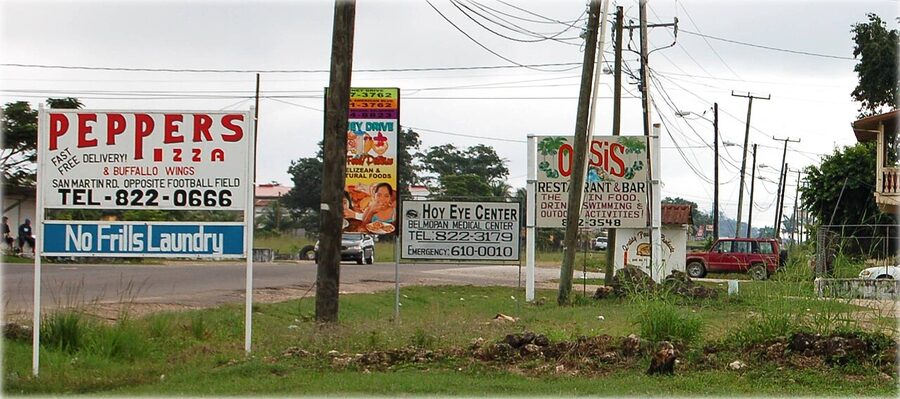
On language: Belize is the only English-speaking country in Central America, and Belmopán is no exception, but you will hear plenty of Belizean Creole (“Weh yu deh?” for “where are you?”) and a fair bit of Spanish. The mix of Mestizo, Creole, Mennonite, Garifuna, and Salvadoran and Guatemalan migrants makes Belmopán one of the more ethnically blended places in the country, which shows up clearly on the restaurant signs.
Why the capital is here in the first place
Short version: Hurricane Hattie hit Belize (then British Honduras) in October 1961 and wrecked Belize City. About 75 percent of homes and businesses in the old capital were destroyed, and Belize City sits at sea level with no protection. The colonial government and the new political class around Premier George Price made a call that has rarely been made by any other capital since: pick up the capital and move it 50 miles inland to higher ground. Construction started in 1966; the move completed in 1970. The name combines “Belize” and “Mopán,” the river that runs through the area.
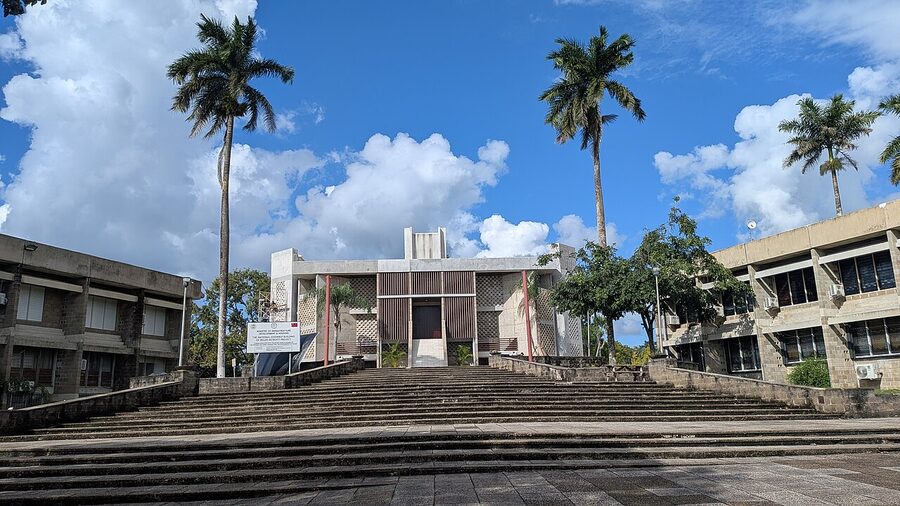
That decision is what makes Belmopán feel the way it does. There is no historic district because there was no historic Belmopán. The architecture is heavy on the brutalist civic-centre look from the late 1960s, with the National Assembly’s Mayan-temple step-pyramid form being the one bit of theatre.
The currency thing (read this before your first ATM stop)
Belize uses the Belize dollar, written BZD or BZ$. It is pegged 2:1 to the US dollar and has been since 1978. In practice that means:
- Both currencies circulate openly. You will get change in Belize dollars even if you pay in USD; rarely the other way around.
- Two for one. If something costs BZ$10, that is US$5. The maths is pegged, so prices are interchangeable. Some restaurants and tour operators quote in USD, some in BZD; always ask which one you are seeing.
- ATMs in Belmopán dispense Belize dollars. Belize Bank, Atlantic Bank, and Heritage Bank all have branches in or near the centre.
- USD bills should be clean and new-ish. Anything torn, taped, or pre-2009 will probably be refused.
For practical purposes it is the easiest currency situation in Central America. If you have come here from the lempira chaos in Honduras or the colón confusion in Costa Rica, BZD will feel like a relief.
Things to actually do in Belmopán
The honest list of things to do in the city itself is short. Half a day is enough.
The National Assembly Building and Independence Plaza
Walk up to the steps, take photos, and look at how the architects tried to splice a Mayan ceremonial pyramid into a 1970s parliament. The interior is not normally open to the public unless you join a scheduled tour with the Speaker’s office. The plaza around it is shaded, has the flag, and is fine for ten minutes. Do not plan a whole morning around it.
The George Price Centre for Peace and Development
If you only do one indoor thing in Belmopán, do this. It is named after George Price, who was Belize’s first prime minister and the political force behind both Belmopán and Belizean independence in 1981. The centre is part museum, part library, part cultural-events venue. The displays cover his life, the move from Belize City, and the politics of decolonisation. Modest entry fee, friendly staff, usually empty. Closed Sundays.
The Belmopán Market Plaza
The city’s busiest and most genuinely interesting spot. Vendors set up by 5am Tuesday and Friday with produce, fresh tortillas, Belizean fast food (panades, garnaches, salbutes, tacos), used clothes, and household stuff. Stalls are good for breakfast: fry-jacks with stew chicken or rice and beans will run you BZ$8 to BZ$12. The market sits right next to the bus terminal, so a lot of people are passing through with rucksacks rather than shopping for the week, which gives the place a transient, in-between-buses energy. Saturday is quieter. Sundays are dead.
Guanacaste National Park
This is the easy one and probably the best 90 minutes you can spend in Belmopán proper. Guanacaste sits on the eastern edge of the city at the junction of the George Price and Hummingbird highways. It was the country’s first national park, declared in 1990, and is managed by the Belize Audubon Society. It is small (about 50 acres) and easy: flat well-marked trails, a circuit you can finish in under an hour. Birding is good early, with a real chance of howler monkeys, iguanas, toucans, and motmots. Entry is around BZ$10 for foreigners. Bring water and bug spray.
The park is named after a single enormous Guanacaste tree on the property that the British could not fell because its base was hollow and full of stinging insects. That accident saved a chunk of riverside forest from cattle clearance in the 1960s.
The Belize Archives and Records Service and Art Box Belize
Two short stops if you have an extra hour. The Archives have rotating exhibits on Belizean history and the documents that built the country, and the staff will pull material if you ask politely. Art Box is a small commercial gallery selling Belizean wood carving, slate carving, jewellery, and prints. Both are honest, low-key, and quick.
The much better day trips just outside the city
If you have a half-day or a full day, leave the centre. The good stuff is twenty to forty minutes out.
St Herman’s Blue Hole National Park
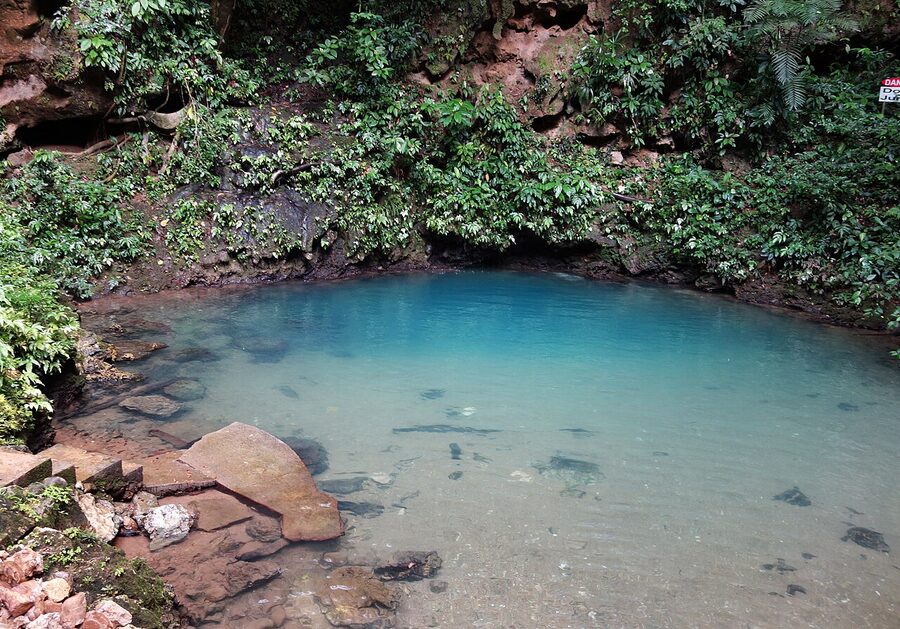
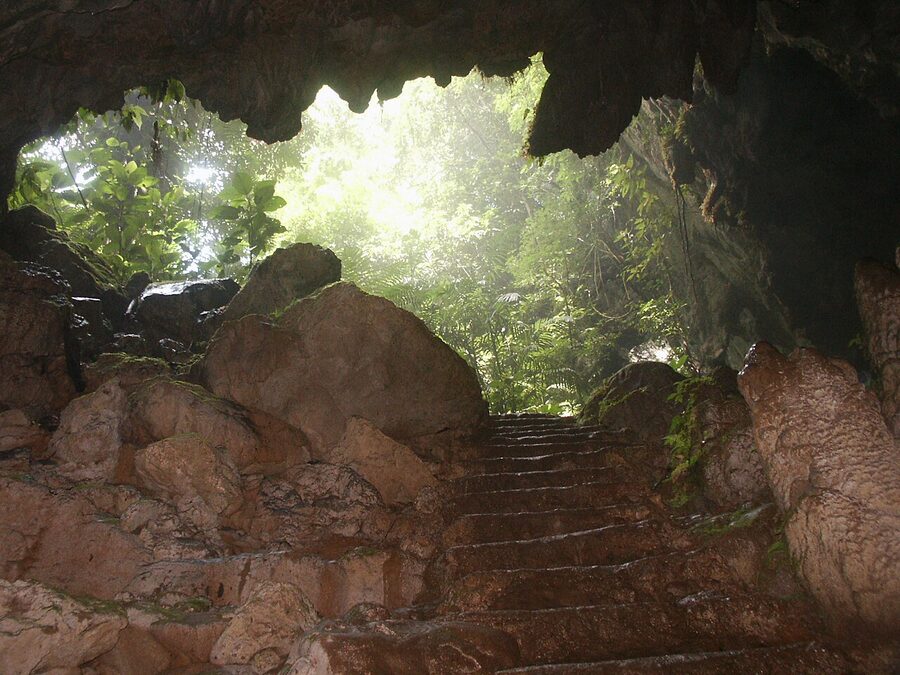
The inland Blue Hole, not the offshore one. About 12 miles south of Belmopán on the Hummingbird Highway, the park has two attractions: a cenote-style swimming pool fed by an underground stream, and St Herman’s Cave a kilometre or so up the road. The pool is genuinely beautiful (deep turquoise, jungle on all sides) and a refreshing swim after a hot bus. The cave is proper: stalactites, an underground stream, a stone staircase. Bring shoes that can get wet, a torch, and bug spray. Entry is BZ$16 for foreigners and you can do both attractions on one ticket.
Banana Bank Lodge
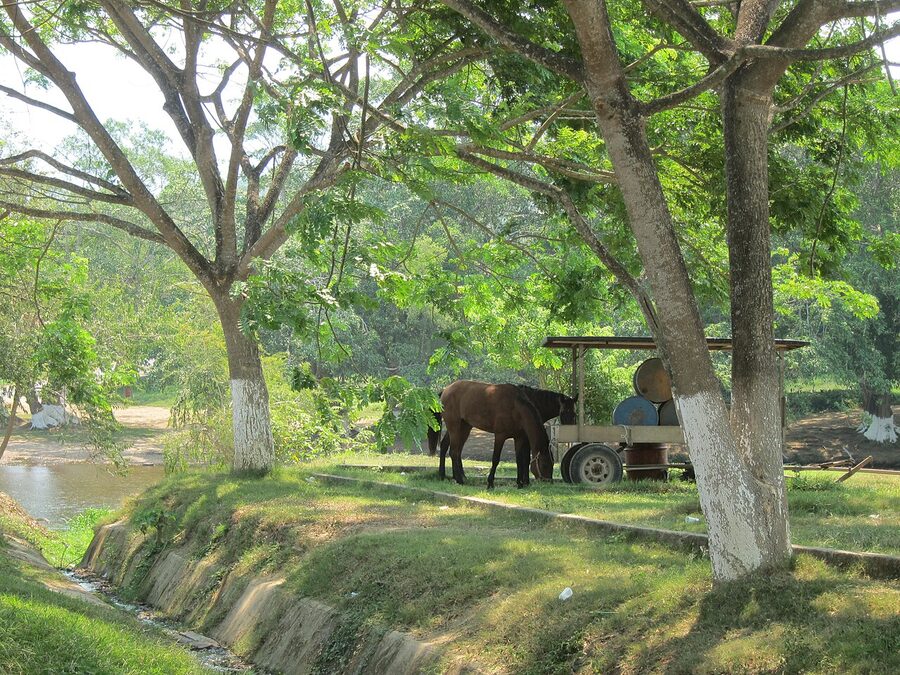
Banana Bank is a working ranch across the Belize River from Belmopán, with the country’s largest horseback operation. Half-day rides through jungle, river crossings, and pasture run US$95 to US$135 per person and they pick up from Belmopán. The aviary, the two spider monkeys, and Tikatoo the resident jaguar are good even if you do not ride. The owners are working artists; the gallery on the property is the most interesting thing you can see in town for the price of a coffee.
The Belize Zoo
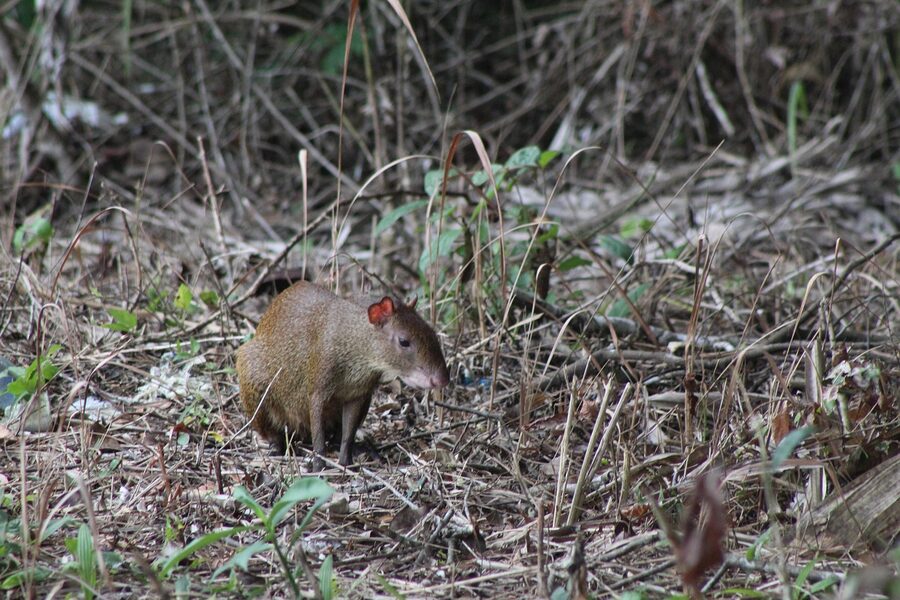
30 minutes east of Belmopán toward Belize City. Not a typical zoo: only native Belizean species, almost all rescues, large forested enclosures. You will see jaguars, pumas, ocelots, tapirs, scarlet macaws, and the gibnut (the lowland paca, Belize’s national rodent and, weirdly, a popular dinner dish). One of the best small zoos in Central America. Foreign entry BZ$30. Plan two hours.
Caves Branch, ATM Cave, and the cave-tubing circuit
About 25 minutes south on the Hummingbird Highway, Caves Branch is the country’s main inland-adventure hub. Cave tubing through Nohoch Che’en Caves Branch Archaeological Reserve is the headline: you float on inner tubes through three or four cave chambers, guide-led, about three hours including the jungle hike to the put-in. Most operators bundle it with zip-lining at Jaguar Paw next door, US$95 to US$130 per person with lunch. Cruise-ship days (mostly Wednesday and Friday) get crowded; book around them if you can. Ian Anderson’s Caves Branch Jungle Lodge runs more serious cave expeditions for its guests, including the Black Hole Drop (a 200-foot rappel into a sinkhole).
The other cave headline is ATM Cave (Actun Tunichil Muknal), the Mayan ceremonial cave with intact ceramic vessels and a calcified skeleton known as the Crystal Maiden. Trip starts in San Ignacio (an hour west) but operators pick up from Belmopán. No cameras inside since 2012, after a tourist dropped one on a 1,500-year-old skull. Around US$95 to US$125. If you are claustrophobic or swim-averse, skip it. Otherwise it is one of the best things you can do in Belize, full stop.
The Mayan ruins of the Cayo
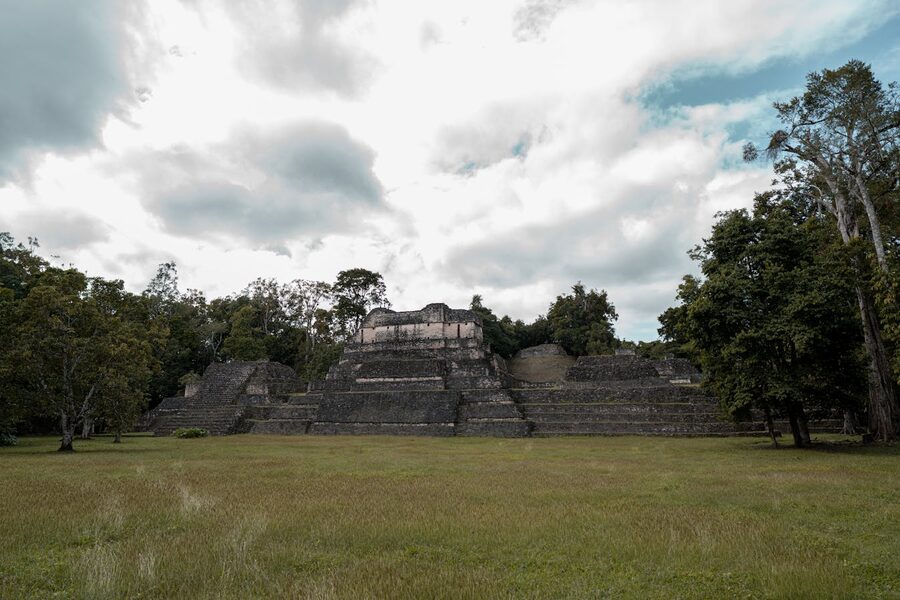
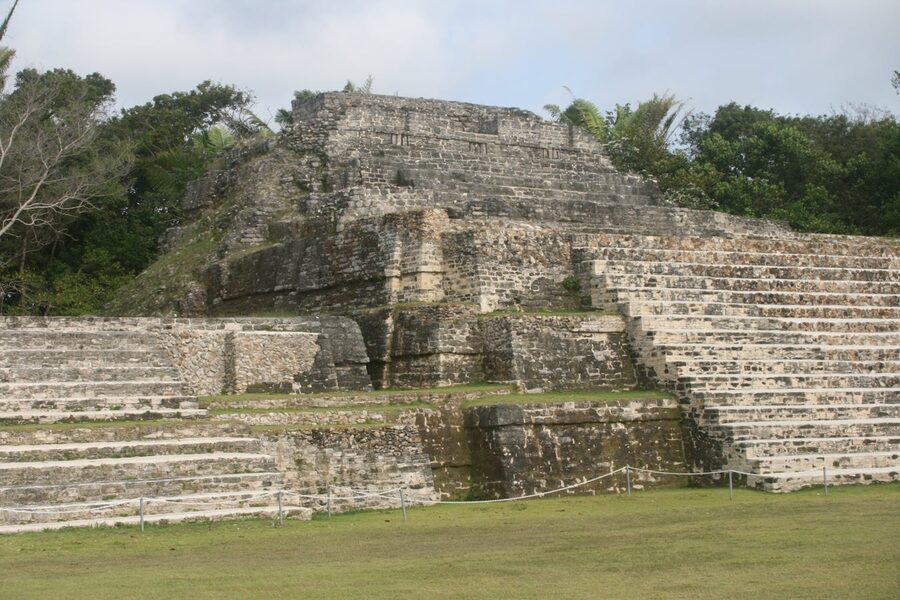
Mayan ruins are the real draw of the Cayo, and Belmopán is a workable base if you cannot get a room in San Ignacio. Xunantunich is closest, 45 minutes west, with the El Castillo pyramid you can climb for the view across to Guatemala. Cahal Pech sits on a hilltop right inside San Ignacio town and works as a sunset stop. Caracol is the big one, three-plus hours each way over rough roads through Mountain Pine Ridge, but Caana is taller than anything at Tikal you can climb, and most days you will share the site with under fifty other people. Lamanai is two hours north (better accessed from Orange Walk by river boat) and worth a separate day if you have one.
Where to eat
Belmopán’s restaurant scene is more interesting than the size of the city would suggest, thanks to the embassy, NGO, and migrant population. Indian, Argentinian, Nepalese, Jamaican, and standard Belizean Creole are all available within a ten-minute drive of the bus terminal.
- Caladium Restaurant. The Belizean classic, right opposite the bus terminal. Rice and beans with stew chicken, fresh corn tortillas, run by the same family for over fifteen years. BZ$15 to BZ$25 a plate. If you only eat one meal in town, eat here.
- Everest Indian and Nepalese Restaurant. One of the few places in Belize for proper Indian food. Curry chicken or lamb are the picks; ask for it spicy or the default is mild for Belizean palates.
- Cocogarden Restaurant. Argentinian asado cooked over wood, family-run, a bit hard to find. Worth the search if you have been on rice and beans for a week.
- The 822 Tavern. Newer, popular with the twenties and thirties crowd. Pasta, steaks, seafood. Back patio turns into a DJ space at weekends.
- Casa Café. Vegetarian, smoothies, lighter menu.
- Pasquale’s Pizza. Proper baked pizza, salads, calzones. Phone ahead Friday nights.
- Grove House at Sleeping Giant Lodge. 40 minutes south on the Hummingbird. Field-to-table cooking from the lodge’s own farm; the most ambitious kitchen near Belmopán. Book ahead, bring a wallet.
For breakfast, the market food stalls beat everything. Fry-jacks (deep-fried dough triangles) with refried beans, eggs, and stew chicken for under BZ$10. The plato típico of Belize is rice and beans (cooked together with coconut milk, often spelled “ricenbeans”) with stew chicken and plantain; it is on every menu.
Where to stay
Belmopán is not a tourism town and the accommodation reflects that. Inside the Ring Road you mostly get small business-traveller hotels: Hibiscus Hotel (reliable budget pick within walking distance of the bus terminal), The Inn at Twin Palms (slightly nicer mid-range, garden setting), Yim Saan Hotel (Chinese-Belizean run, attached restaurant), El Rey Hotel (cheap, basic, fine for a transit night).
The more interesting places are 15 to 40 minutes out: Banana Bank Lodge (across the river, working horse ranch), Ian Anderson’s Caves Branch Jungle Lodge (25 minutes south on the Hummingbird, the country’s main adventure-cave operator), and Sleeping Giant Rainforest Lodge (40 minutes south, higher-end with plunge pools and the Grove House restaurant).
If you are based in Belize for a full week and want a single Cayo base, San Ignacio (45 minutes west) is the better call. Belmopán makes more sense if you have meetings, embassy business, or a connection.
Getting in, getting out, and the bus terminal
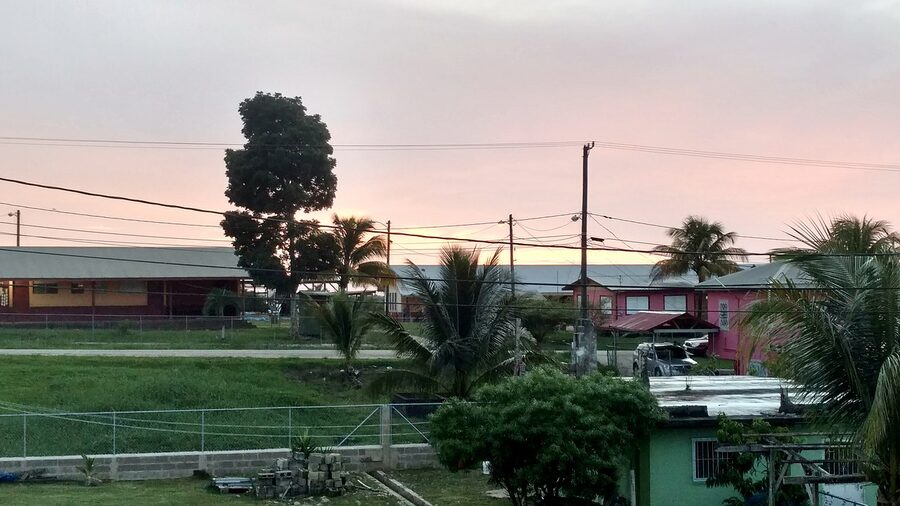
The Belmopán bus terminal sits right next to the market in the centre of town. Almost every bus between Belize City and either San Ignacio or the southern highway passes through here, which makes Belmopán a logical transfer point even if you have no interest in seeing the city.
- From Belize City (Philip Goldson International Airport, BZE): the airport is in Ladyville, 10 miles north of Belize City. Taxi (BZ$50) to the main bus terminal in Belize City, then frequent service to Belmopán; 1.5 to 2 hours, around BZ$10. Faster: a shared shuttle direct from BZE for around US$25 to US$40 per person if there are three to five of you.
- From San Ignacio: 45 minutes by bus along the George Price Highway, BZ$5. Buses every 30 to 60 minutes in daylight.
- From Dangriga, Hopkins, Placencia: north on the Hummingbird to Belmopán, then transfer.
- By car: rental from BZE airport runs US$60 to US$90 a day. Roads are paved and reasonable, with seasonal potholes.
- By plane: Belmopán has a small airstrip (Hector Silva), but commercial flights are rare. Tropic Air will sometimes book a charter; for almost everyone it is not worth it.
If you are routing across the border, Melchor de Mencos is the only crossing between Belize and Guatemala, reached via San Ignacio (a further hour west). Onward to Tikal in 90 minutes, or onward to Guatemala City in roughly eight hours by bus and shuttle. The Mexico border at Subteniente López is four hours north.
One thing to flag: Belize is not in CA-4. Honduras, Guatemala, El Salvador, and Nicaragua share a single 90-day visa stamp; Belize stands apart. If you are coming from any of those four, you get a fresh Belize entry stamp at the border (most nationalities get 30 days, extendable). Do not assume CA-4 days carry across.
When to visit and what the weather actually does
Belize has two seasons: dry and wet. Belmopán sits inland at about 250 feet above sea level, which means it is slightly cooler than the coast at night and considerably less humid.
- Dry season (December to April): sunny, warm in the day (28 to 32 degrees), pleasant at night (18 to 22). This is peak tourist season, accommodation prices are higher across Belize, and Christmas to early January is a hard sell on rooms in Cayo. Caves and rivers are at their most accessible because water levels are low.
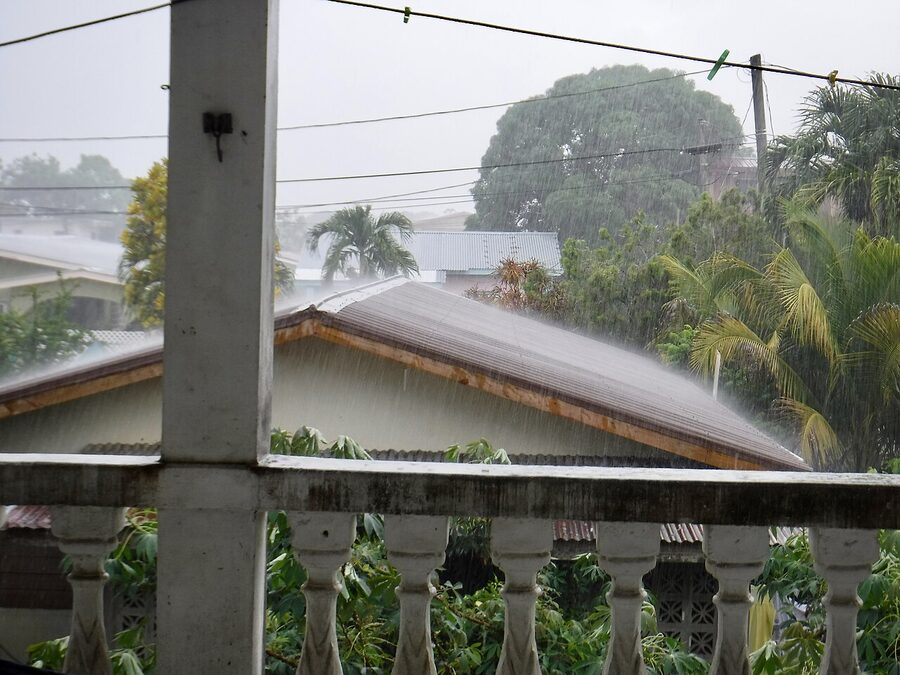
- Wet season (June to November): humid, hot, with afternoon downpours that often start around 3pm and clear by 5. Mornings are usually fine. Hurricanes are a real risk on the coast (Belmopán inland is safer; that is the whole point of why it is here). Hotel prices drop. Cave systems can flood; some cave-tubing operators close after heavy rain. The forest is greener and the wildlife is more active.
- The shoulders (May, late November): often the best deal. Dry-season weather, low-season prices.
The best window in my view is February to April: dry, warm, and you avoid both Christmas crowds and the May heat spike. If you are coming for the National Agriculture and Trade Show (April or May), book accommodation a couple of months ahead because Belmopán fills up.
Nightlife (such as it is)
Belmopán is not a party town. Most places close by 10pm midweek and the embassy crowd is in bed. The Thursday-and-weekend scene comes down to three names: Selfie Lounge (themed bar with photo booths, loud, young, weekends only), Mike’s Cue Club (pool tables and food by day, drinking by night, the reliable middle option), and La Cabana (closest thing to a proper club, reggaeton and punta, Friday and Saturday only). For anything bigger you are better off in San Ignacio.
Safety, briefly
Belmopán is the safest city in Belize, by some distance, and Belize is one of the safer-feeling countries in Central America for travellers despite the homicide statistics, because almost all the violent crime is concentrated in specific neighbourhoods of Belize City between local groups. As a foreign visitor in Belmopán, you are extremely unlikely to encounter any of it. Common-sense precautions cover everything: don’t flash valuables, take a registered taxi back from a bar at night, watch your bag at the bus terminal.
The current US State Department advisory for Belize is Level 2 (Exercise Increased Caution), with the specifics focused on Belize City’s south side and parts of Orange Walk, not Cayo District or Belmopán. The official advisory is worth a read; it is also the source of most of the scary-sounding statistics that get repeated out of context.
Should you bother?
If you have ten days in Belize, no, do not plan a night in Belmopán. Sleep in San Ignacio for the Cayo District, on Caye Caulker or Ambergris for the cayes, and pass through Belmopán on the bus.
If you have a real reason (embassy, visa, NGO work, an overnight connection, or you are basing in Belize for several weeks and want to see the capital because it exists), the city is fine. Half a day covers everything: the market, Guanacaste, the National Assembly steps, a meal at Caladium.
The real value of Belmopán is geographic. It sits at the centre of the country, at the junction of the two main highways, and within an hour of the best inland attractions Belize has. As a base, it is competent. As a destination, it is honest about being a quiet civil-service town. That is more than most planned capitals can say.