
Most travel blogs will tell you to land at Aurora, walk straight through arrivals, and book the next shuttle to Antigua. That advice isn’t wrong. If you’ve got six days in Guatemala and you’ve never been before, Antigua’s cobblestones and the volcano triangle are absolutely where your time goes. But “skip the capital” has hardened into orthodoxy, and the orthodoxy is starting to miss the point.
Ciudad de Guatemala is a real city. Three million people, sitting at 1,500m, sprawled across 22 numbered zones that most travellers never decode. A few of those zones are genuinely interesting and have been getting more so over the last decade. Zona 4’s creative quarter, the museums in Zona 10, the Mercado Central under the cathedral, the food coming out of small restaurants in Zona 14 that didn’t exist five years ago. Half a day is enough to see it. One night if you want to slow down. After that, yes, get the shuttle to Antigua.
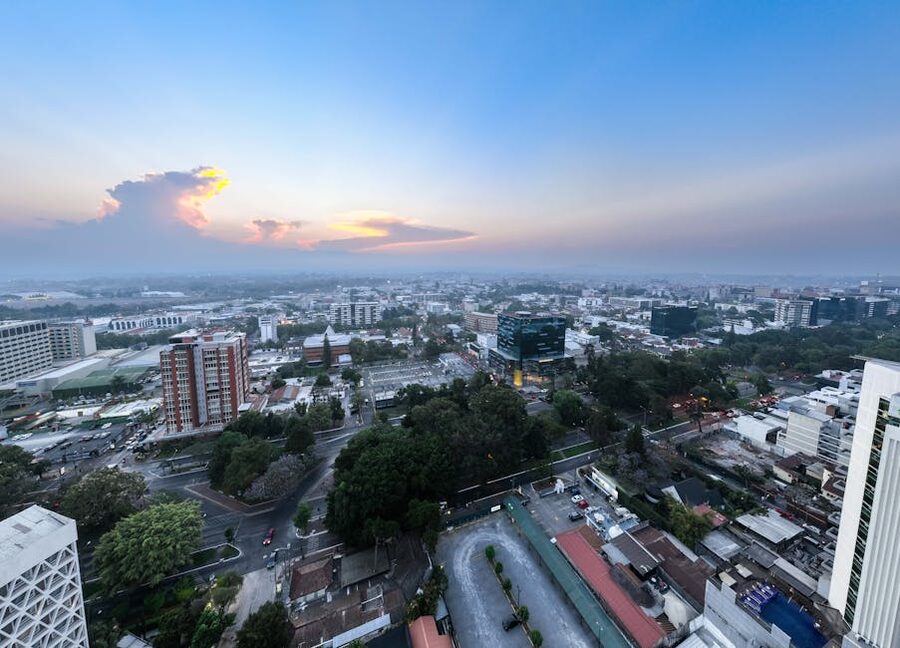
What follows is the practical version. Where to actually go (Zona 1 in daylight, Zona 4 for dinner, Zona 10 for sleep). Where to stay (Zona 10 unless you have a reason). How to move (Uber or Cabify, full stop, never the white street taxis). What it costs in quetzales, since that’s the only currency you should be quoting. And the safety section, because Guatemala City has a reputation, the reputation is partly fair and partly out of date, and it’s worth understanding before you arrive.
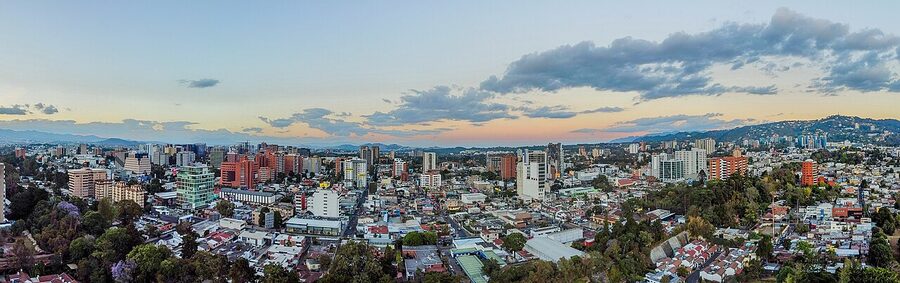
If you’ve come from Honduras and crossed at El Florido through Copán Ruinas, or you’re heading north toward Belize via Melchor de Mencos, the city is also where the long-distance buses depart from. Another reason not to dismiss it sight unseen.
In This Article
- The case for stopping at all
- The 22 zones, but only four matter
- Zona 1 in daylight: the historic centre
- Zona 4: the creative quarter that changed things
- Zona 10: where you’ll actually sleep
- Kaminaljuyú: a Mayan city under the modern one
- Zona 13: the airport zone
- Where to stay
- Zona 10 mid-range and up
- Zona 10 lower mid-range
- Zona 9 alternative
- Out by the airport
- Zona 1 budget
- Eating in the capital
- Getting around: Uber, Cabify, almost nothing else
- Getting to and from the city
- Money, language, climate
- Safety, plainly
- A reasonable half-day or one-night plan
- The honest bottom line
The case for stopping at all
Here’s the honest version. The “skip Guatemala City” advice exists because, for a long time, the city offered very little to a tourist who wasn’t there for business. The historic centre had rough patches. The museums were hard to find. The good restaurants were spread out in ways that didn’t make sense without a local. So Antigua, an hour up the road and beautiful in a way Instagram understands, scooped up almost everyone.
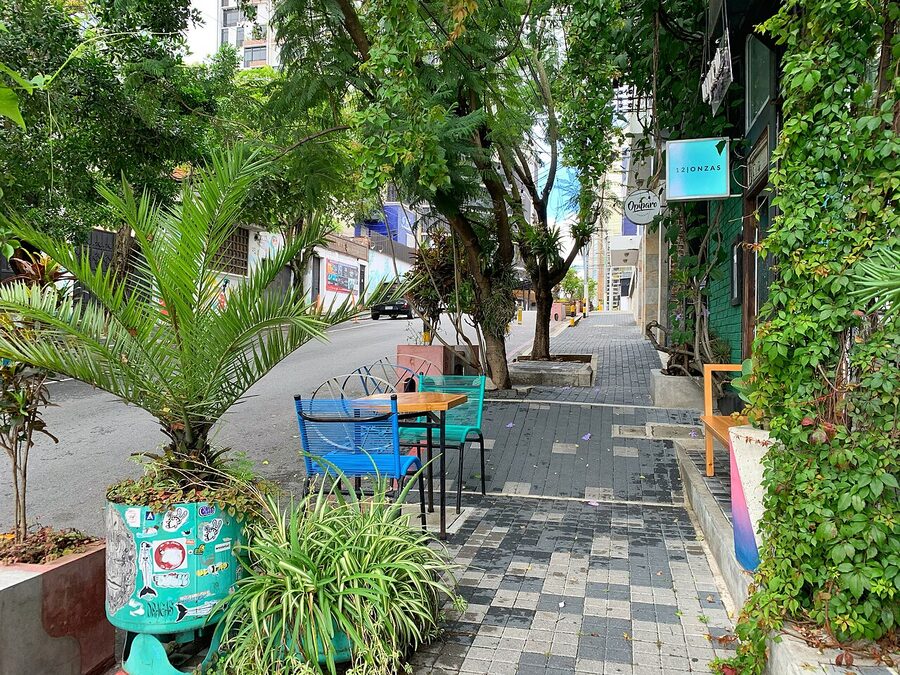
That’s still partly true. If you have to pick between one day in Guatemala City and one extra day in Antigua, take the extra day in Antigua. I’m not pretending otherwise. But the city has moved on a bit. Zona 4 now has a pedestrian street called Cuatro Grados Norte (4 Grados Norte) where you can walk between coffee shops, food courts, and small bars without crossing traffic. Zona 10’s small museum cluster (Popol Vuh, Ixchel, both inside the Universidad Francisco Marroquín campus) holds two of the best Mayan-art collections in the country. The Mercado Central under the cathedral plaza is where Guatemalans actually shop, and it’s the best souvenir-and-snack stop you’ll find anywhere south of Mexico.
Half a day covers the centre. One night lets you do dinner properly. That’s the version of the city worth your time.
The 22 zones, but only four matter
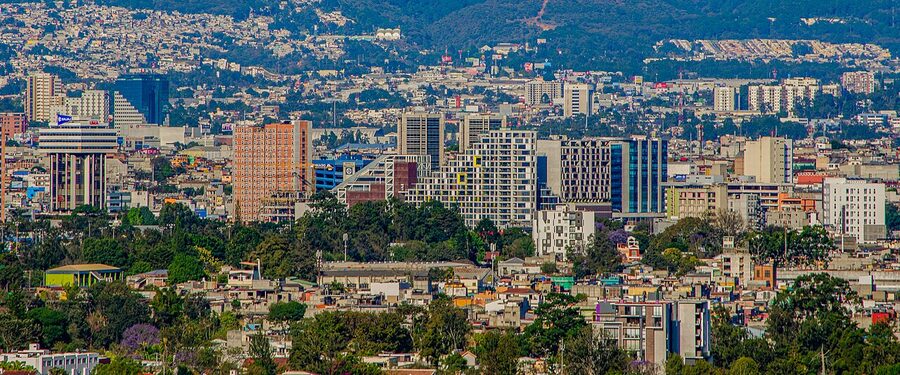
The city is divided into zonas, numbered 1 through 25 (with some skipped). Locals don’t say “downtown” or “uptown.” They say Zona 1, Zona 10, Zona 13. You’ll hear it constantly. Memorising four of them will save you a surprising amount of confusion.
Zona 1 is the historic centre. Plaza Mayor, the Catedral Metropolitana, the Palacio Nacional, the Mercado Central, and a few hundred faded grand buildings from the early 1900s. It’s where the city started. It’s also the zone with the most pickpocket warnings and the strongest “after dark, don’t” advice from people who actually live here. Daylight only.
Zona 4 is the creative quarter. Cuatro Grados Norte sits at its heart. Galleries, design studios, the Iglesia Yurrita that looks like nothing else in the country, food courts, coffee shops. This is the zona that’s done the most to change the city’s reputation in the last decade. You can walk it during the day; in the evening, you’ll want a quick Uber back to your hotel rather than a stroll.
Zona 9 and 10 are collectively called Zona Viva. This is where almost every traveller stays. Towers, chain hotels, embassies, malls, international restaurants, nightlife. Safe at almost any hour because there’s money there and visible private security on every block. Also the most expensive part of the city and the part that feels least like Guatemala. That’s the trade-off.
Zona 13 is the airport zone. Aurora International (GUA) lives here, and so does La Aurora Zoo. If you’ve got a long layover or an early flight, there are airport hotels that work fine.
Then there’s Zona 14, just south of Zona 10, which has been getting some of the city’s best new restaurants, and Zona 16 further out, where Ciudad Cayalá feels like someone airlifted a Spanish town into the highlands. Both are worth knowing about. Everything else, for a tourist, you can ignore.
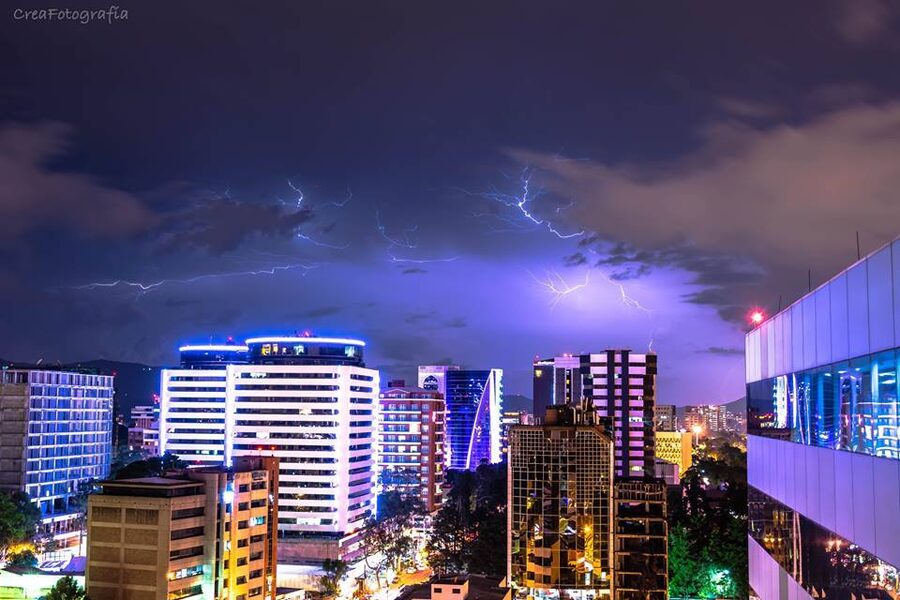
Zona 1 in daylight: the historic centre
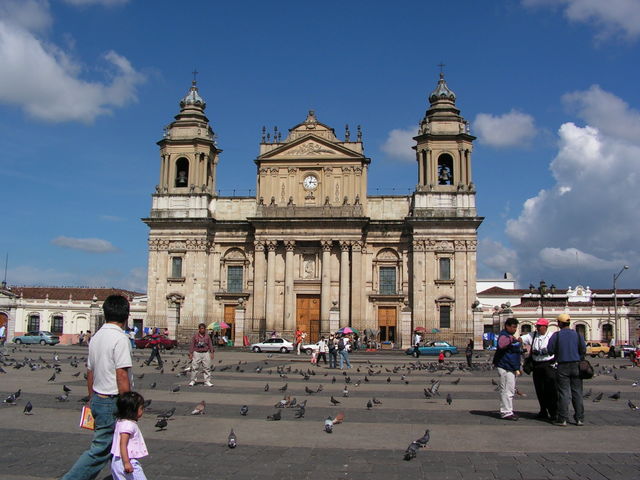
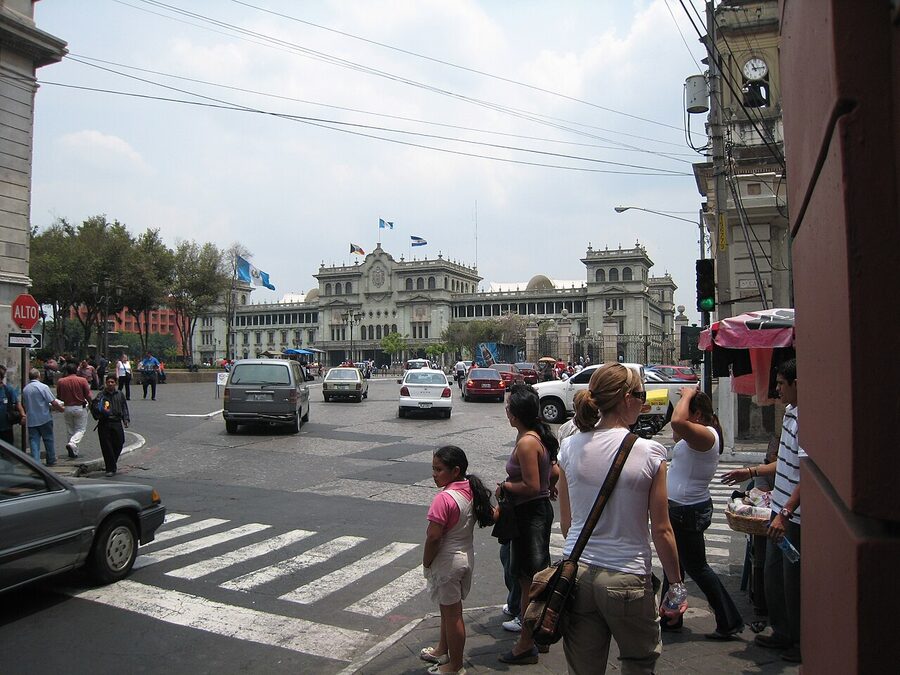
You arrive at the Plaza Mayor (officially the Plaza de la Constitución, sometimes called Parque Central by locals) and three of the city’s biggest buildings are right there. The Catedral Metropolitana on the east side, the Palacio Nacional de la Cultura on the north, the National Library on the west. The plaza fills with families on weekends, with shoeshine stands and balloon vendors and the occasional protest. There’s a national pulse here that you don’t feel in Antigua.
The Catedral Metropolitana was finished in 1815 and survived two of the earthquakes that flattened other parts of the centre. It’s free to enter. The interior is plainer than Antigua’s churches, but step outside afterwards and look at the columns flanking the front steps. The names of people disappeared during the civil war (1960 to 1996) are engraved into the stone. There’s no plaque explaining it; you just notice. One of the quieter monuments in the country and worth ten minutes.
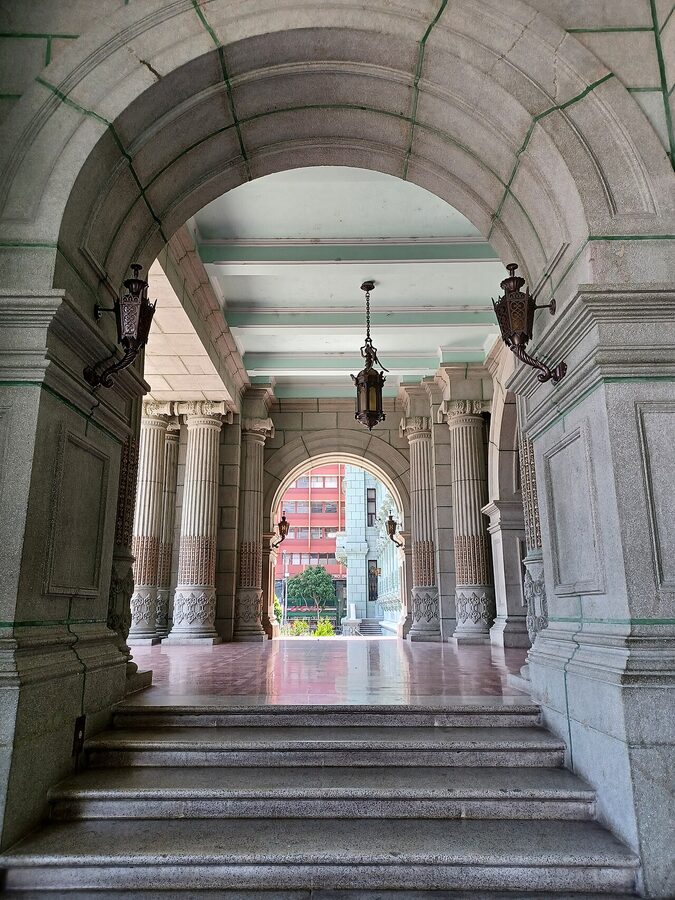
The Palacio Nacional de la Cultura, sometimes still called the Palacio Verde for its greenish stone, is a museum now. Entry is around Q40. The interior has murals, regional textiles, and what they call Kilómetro Cero, the zero-marker from which all distances in Guatemala are measured. Tours run in Spanish; English tours are available but you usually have to ask. Closed Mondays.
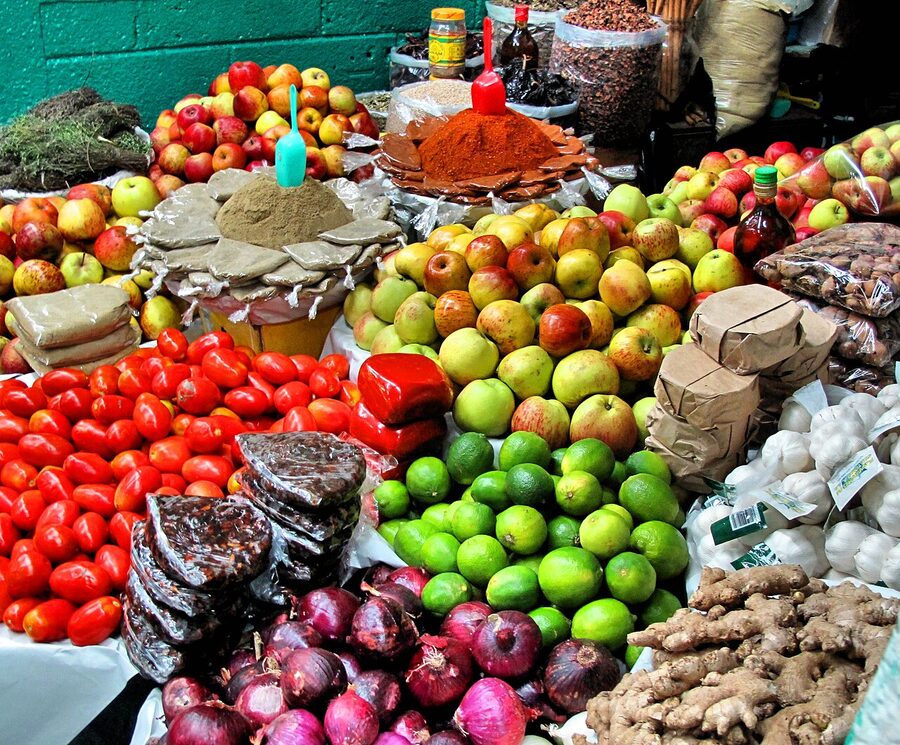
Then walk across the plaza and disappear underground into the Mercado Central. The entrance is on the south side of the cathedral and the market is built into the slope of the hill, so you go down a level. Three floors of textiles, leather, masks, jade, candles, baskets, vegetables, prepared food, and the kind of weaving that costs ten times the same thing on the streets of Antigua. Bargain politely. The food court at the bottom does a Q35 plato del día (set lunch) that’s better than half the cafés in Zona 10. Open daily roughly 6am to 6pm; closes earlier on Sundays.
From the plaza, the Sexta Avenida (6a Avenida) runs south, pedestrianised between Calle 8 and Calle 18. It’s the city’s old main drag. Vendors, street performers, a few cinemas with peeling art-deco facades, and the famously rowdy El Portal, a bar that’s been open since the 1940s and was reportedly a haunt of Che Guevara in the 1950s before he became Che Guevara. Stop in for a beer (Q15 to Q20 for a Gallo) at lunchtime; the marimba sometimes shows up. Closed Sundays.
Important. Zona 1 is fine in the middle of the day with normal city precautions. After dark, locals tell you to leave. Not “be careful,” leave. The State Department’s Guatemala advisory currently sits at Level 3 (Reconsider Travel) for the country, with Zona 18 and Villa Nueva at Level 4 (Do Not Travel). Zona 1 isn’t on the Do Not Travel list, but it’s also not a place to wander after the shops close.
Zona 4: the creative quarter that changed things
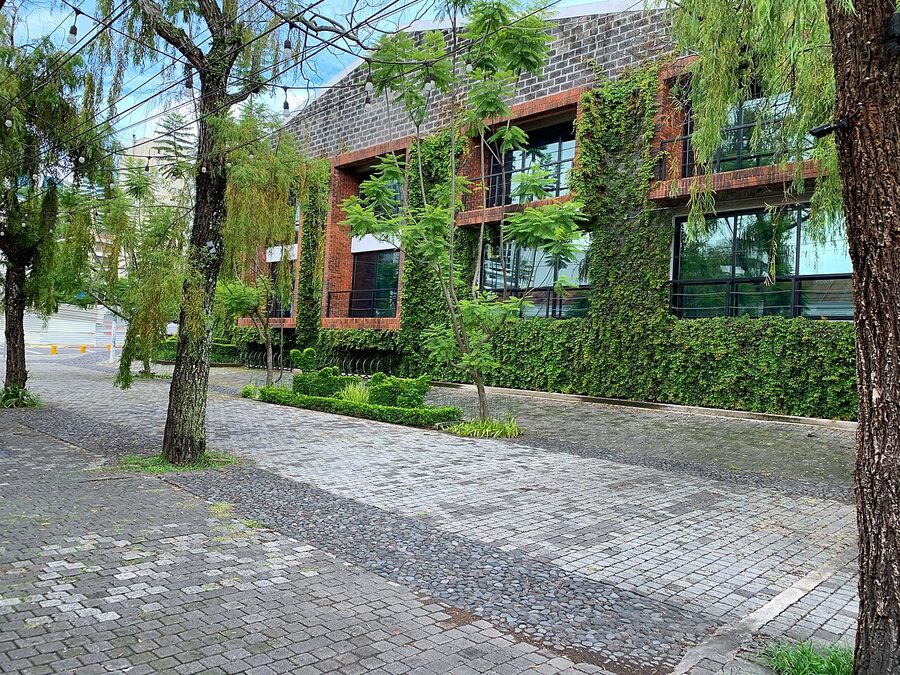
Zona 4 used to be industrial. Warehouses, garages, the kind of streets you didn’t walk down. Then in the early 2010s a couple of architecture studios moved in, opened cafés on the ground floor, and a few short blocks of Vía 5 (between Ruta 1 and Ruta 4) got pedestrianised and rebranded as Cuatro Grados Norte, 4 Grados Norte. Now it’s where Guatemalans in their 20s and 30s go on a Saturday night, and where most travellers who actually like the capital end up spending their evening.
The street itself is short. Two blocks, maybe ten minutes end to end. But it packs in food courts (La Esquina is the best-known), independent coffee places like Coffee District, design and craft shops, a few bars with live music, and a small cluster of contemporary-art galleries. The walls are covered in murals that change every year or so. It’s the rare bit of Guatemala City where you can put your phone away and walk without watching every corner.
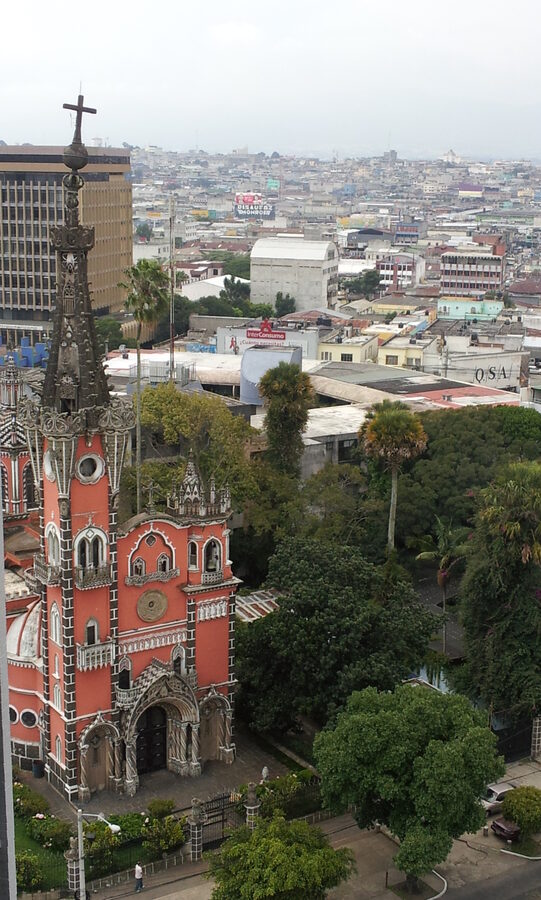
Right next door, at 4a Avenida and Ruta 6, sits the Iglesia Yurrita. A tiny private chapel in a Gothic-meets-Moorish style that the Yurrita family built in the 1920s and donated to the city. The interior is gorgeous in an over-the-top, slightly mad way; check opening hours, it’s not always open to the public, but you can photograph the exterior any time and it’s one of the most distinctive buildings in the country.
For dinner in Zona 4, two genuinely good options. Saúl Bistro at Plaza Fontabella does brunch-into-dinner European food (Q120-180 a main). Mercado 4 Grados is a covered food court with maybe 15 stalls, weekday lunches around Q60-90, weekend evenings busy with live DJ sets. If you want to eat where Guatemalan chefs eat on their night off, this is closer to that than anywhere in Zona 10.
Zona 10: where you’ll actually sleep
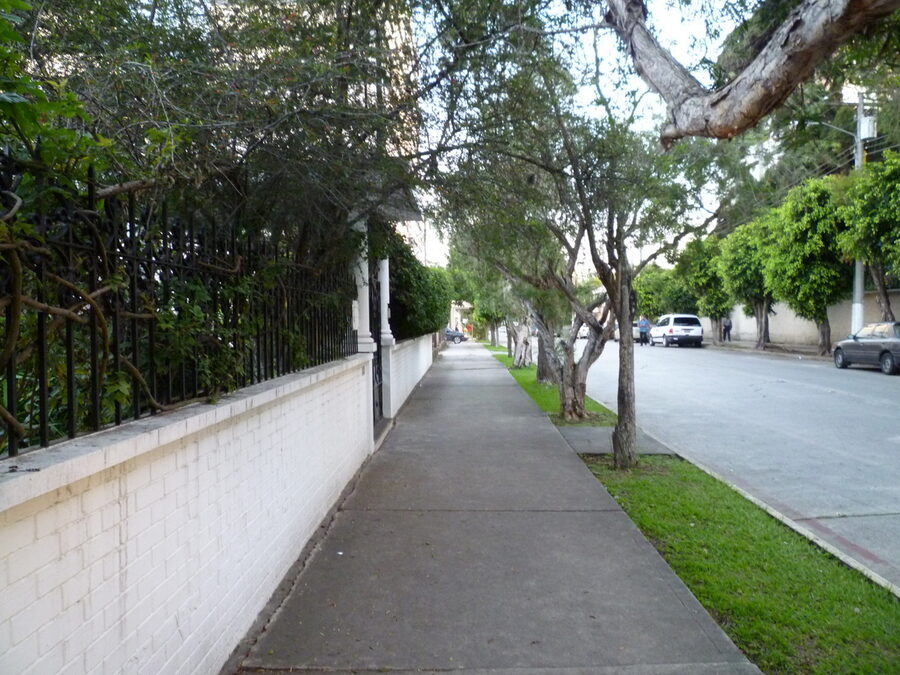
Zona 10 (and the smaller Zona 9 right next to it) is what locals call Zona Viva, the lively zone. Financial district, embassy row, and the city’s chain-hotel quarter all stacked into the same handful of blocks. Tree-lined avenues with names like Avenida la Reforma. Visible private security. International restaurants. And the most reliable safety record in the city, day or night.
It’s also, by Guatemalan standards, expensive. A coffee that’s Q12 in Zona 1 is Q35 in Zona 10. None of this is unreasonable by international standards, but if you came to Guatemala for cheap travel, Zona 10 isn’t the chapter where the budget happens. That said, it’s the right base for a short stay because everything is walkable, you can move at night without thinking, and the airport is fifteen minutes south by Uber.
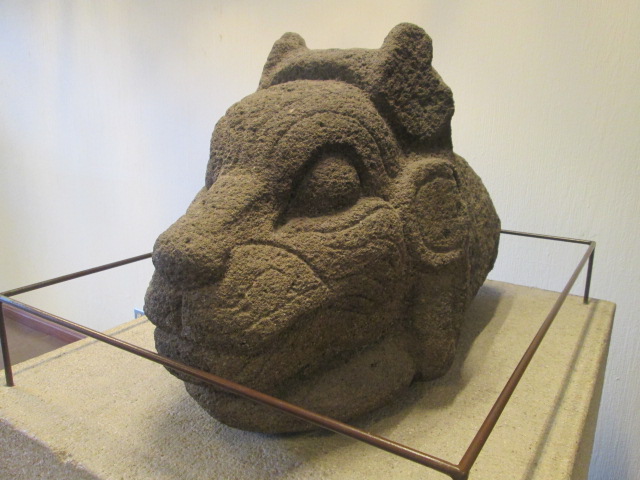
Two of the best museums in the country are in Zona 10, on the Universidad Francisco Marroquín (UFM) campus right at the edge of the zone. Museo Popol Vuh holds one of the country’s most important Mayan-art collections (pre-Classic pottery, Classic-period sculpture, colonial-era religious painting, all in a single building). The polychrome Jaguar Head ceramic mask alone is worth the entry fee. Q35 for foreigners, closed Mondays.
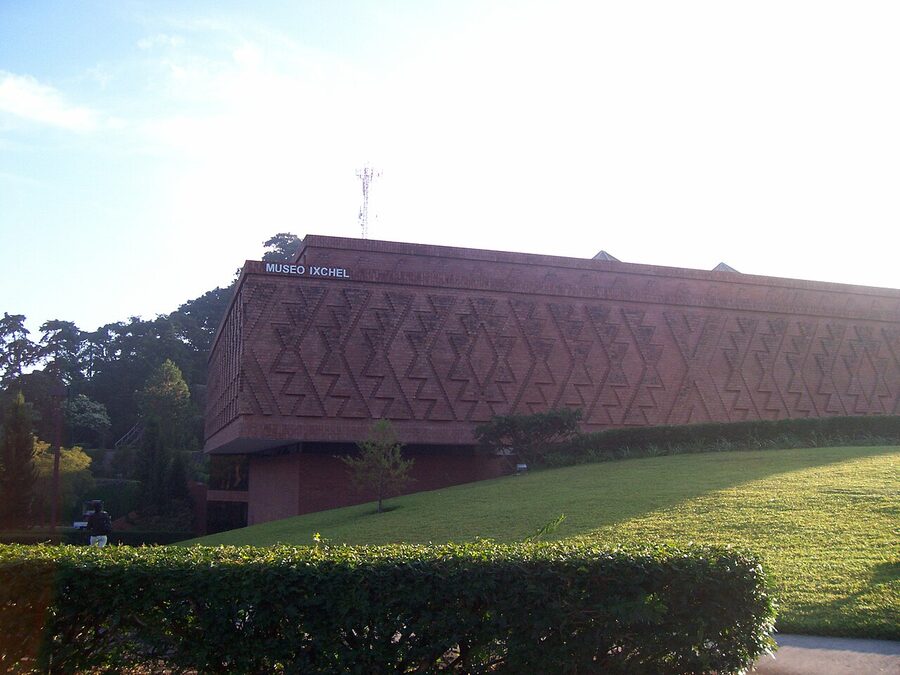
Across the same campus, the Museo Ixchel del Traje Indígena is dedicated entirely to Mayan textiles. Hundreds of huipiles, cortes, and ceremonial garments, organised by region and ethnic group. If you’re heading to Lake Atitlán afterwards (and you should be), an hour here will completely change how you read what people are wearing in San Pedro La Laguna or San Juan La Laguna. Q35, closed Mondays.
Two more museums worth knowing about. The Museo Nacional de Arqueología y Etnología is in Zona 13, a short Uber from Zona 10 (Q15-25). It has the largest Mayan collection in the country, including the famous Stela 11 from El Mirador. The kind of museum that suffers from poor labelling but rewards patience. Q60 for foreigners. The Museo Miraflores is further out in Zona 11, built on top of preserved mounds of the ancient Mayan city of Kaminaljuyú. The interactive exhibits are aimed at school groups but the artefacts are real and the on-site mounds give you a sense of how big the pre-Hispanic city actually was. Q30. Closed Mondays.
Kaminaljuyú: a Mayan city under the modern one
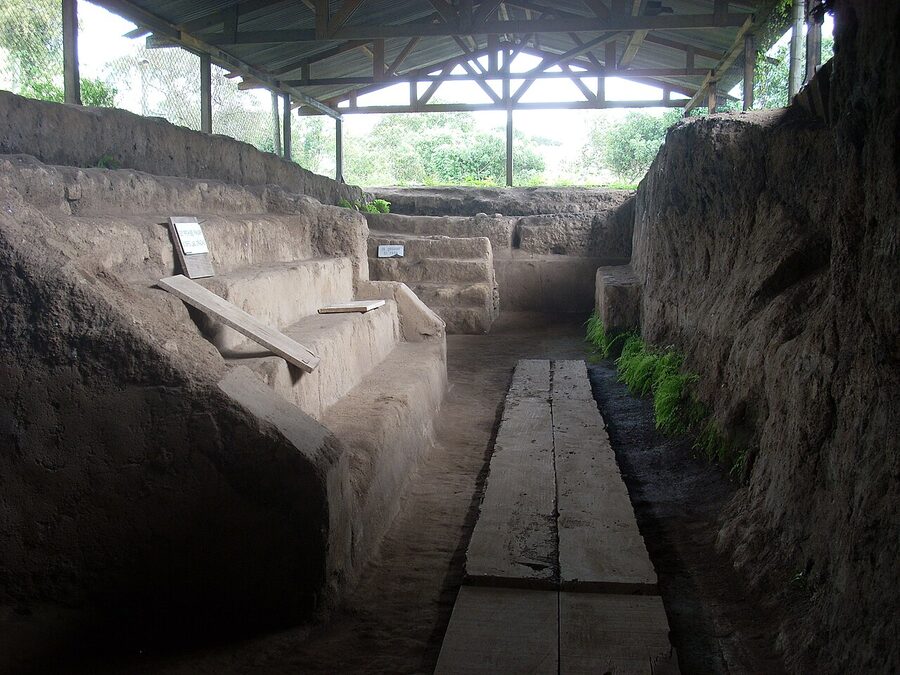
One of the strangest sites in Central America, Kaminaljuyú sits in Zona 11 and is mostly invisible. At its peak, around 700 BCE to 200 CE, it was one of the biggest Mayan highland cities. Then Guatemala City got built on top of it. What’s left is a small archaeological park with about a dozen earthen mounds, the remains of pyramids whose limestone facing has long since been recycled into colonial-era buildings.
If you’ve already been to Copán Ruinas or you’re planning to visit Tikal, Kaminaljuyú will look underwhelming by comparison. There’s no pyramid you can climb. But it’s the only Mayan archaeological park inside a major Latin American capital, and walking around it gives you a different sense of what’s underneath the modern country. Q30 for foreigners, closed Mondays. The Museo Miraflores nearby is the better starting point if you want context first.
Zona 13: the airport zone
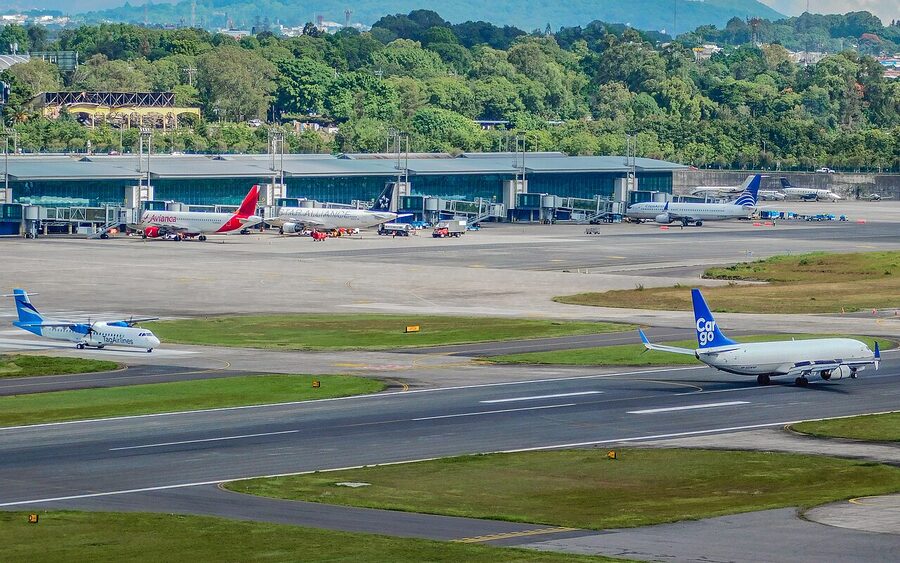
Zona 13 is what Guatemalans call the airport zone. Aurora International (GUA), the country’s main international airport, lives here. It’s small for a national capital airport, single-terminal, and easy to navigate after you’ve been through it once. Arrivals come out into a covered roadway where Uber and Cabify pickups happen at one end and the official INGUAT-approved SAFE taxi stand operates at the other. Use one of these. Don’t take a white street taxi from the curb.
If you’re killing time before a flight, two things in Zona 13 are worth knowing about. La Aurora Zoo is the best-run zoo in Central America by most measures, with a large enclosure for jaguars, ocelots and pumas, plus a tropical-bird walkthrough. Q40 entry, closed Mondays. The Museo Nacional de Arqueología y Etnología is a five-minute drive from the terminal if you have a long enough layover.
Where to stay
Default to Zona 10. There are reasons to stay elsewhere (Zona 4 if you want to be in the middle of the food scene, Zona 13 if you have a 5am flight) but Zona 10 is where the safe-and-walkable infrastructure already exists. Real options I’ve cross-checked from sources, with verified Booking.com URLs.
Zona 10 mid-range and up
Hotel Barceló Guatemala City. Avenida la Reforma. Big chain hotel, reliable, pool, gym, breakfast included on most rates. Around Q900-1,300 a night for a double. The right pick if you want a known quantity and walkable access to Plaza Fontabella, Oakland Mall, and the Popol Vuh and Ixchel museums.
Hyatt Centric Guatemala City. Also on Avenida la Reforma. Newer than the Barceló, rooftop pool with a view across the city to the volcanoes (clear-day view of Pacaya), and one of the better breakfasts in the city. Around Q1,000-1,500 a double.
Westin Camino Real Guatemala. 14 Calle, Zona 10. The classic business hotel of the capital. The pool area is large, the breakfast (often included on Marriott rates) is genuinely good, and the location puts you walking distance to Cocktail Lobby and Sublime restaurant in Zona 14. Around Q1,200-1,800 a night.
Real InterContinental Guatemala. 14 Calle, attached to Oakland Mall. If you prioritise being able to step from your room into a food court without leaving the building, this is the one. Around Q1,100-1,500.
Zona 10 lower mid-range
Best Western Stofella. Quieter end of Zona 10, on 2a Avenida. Solid Q500-700 mid-range. Breakfast included, friendly staff, and noticeably cheaper than the chains a couple of blocks east.
La Inmaculada Hotel. 14 Calle. Boutique, only 30-something rooms, garden courtyard. Around Q900-1,200. The right pick if you want personal service over chain consistency.
Clarion Suites Guatemala. Apartment-style suites with kitchenettes. Useful if you’re staying more than two nights or you want to keep food costs down. Around Q700-900.
Holiday Inn Guatemala. 1a Avenida 13-22, Zona 10. Predictable, decent breakfast, IHG points if you collect them. Around Q800-1,100.
Zona 9 alternative
Biltmore Express Guatemala. Zona 9, on Avenida la Reforma 15-45. Slightly cheaper than the Zona 10 chains and only a few blocks north. Q550-750 a night for a double. Reasonable budget pick.
Out by the airport
Grand Tikal Futura. Zona 11, attached to the Tikal Futura mall. Not central but useful if you’ve got a 6am flight or you’re driving in from the highway. Around Q700-1,000. The pool deck is one of the better ones in the capital.
Zona 1 budget
I’ll be honest. Most travellers shouldn’t sleep in Zona 1 on a first visit. The hostels and budget hotels in the historic centre have improved but the after-dark walking situation hasn’t. If you’re set on it, look for places clustered near Sexta Avenida and use Uber after 7pm. Casa Don Cristóbal in Zona 1 has decent reviews and a courtyard, around Q300-450, but you’ll pay a real cost in convenience compared to Zona 10.
Eating in the capital
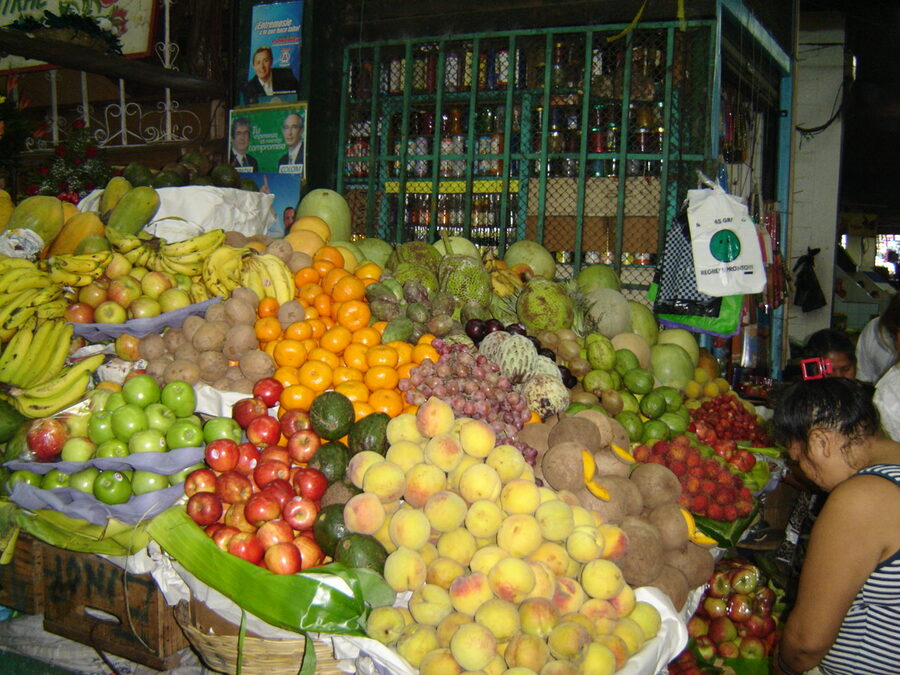
Guatemalan food doesn’t always travel. The national dish, pepián, is a slow-cooked chicken or beef stew thickened with toasted seeds and chiles. Kak’ik is a turkey soup from the Verapaces with a bright red broth. Jocón is the green-tomatillo cousin. Tamales here are wrapped in plantain or maxan leaves and contain things you wouldn’t expect (raisins, olives, capers). Chuchitos are smaller, drier corn tamales served with tomato sauce. Rellenitos are sweet plantain stuffed with refried black beans, fried, and dusted with sugar.
Where to actually eat all this:
Restaurante El Portal in the Zona 1 historic centre, on 9a Calle just off the Sexta. Old-school cantina with marimba some afternoons. Order the carne asada and a Gallo. Not for fine dining; come for atmosphere.
Donde Joselito, Zona 10. A steakhouse that’s been around since the 1990s. The platos típicos are good if you want pepián or kak’ik in a sit-down setting, which Zona 10 doesn’t offer in many other places.
Cocktail Lobby and Sublime Restaurant, Zona 14, share a building at 12 Calle 4-15. Sublime made the Latin America’s 50 Best list a few years back and the tasting menu (around Q800-1,000) is one of the more interesting meals you’ll eat in Central America. Cocktail Lobby next door does cocktails inspired by Guatemalan ingredients (a smoked-coffee old fashioned, a tamarind margarita) for around Q70-90 each. Reservations needed for both.
Saúl Bistro at Plaza Fontabella, Zona 10. Modern Guatemalan with European technique. Mains Q120-180. The brunch is good. Several branches around the city; Plaza Fontabella is the easiest to reach.
Pollo Campero is the Guatemalan KFC. Locals love it unironically and there are branches everywhere. Q35-45 for a meal. Try it once at least; the marinade is genuinely different from the American chains.
For market lunch, the comedores at the bottom of the Mercado Central in Zona 1 do a Q35-50 plato del día (set lunch: a piece of grilled meat, rice, beans, salad, tortillas) that beats most of the cafés in Zona 10. Hygiene is what hygiene is at any working market; pick a stall with a queue.
Getting around: Uber, Cabify, almost nothing else
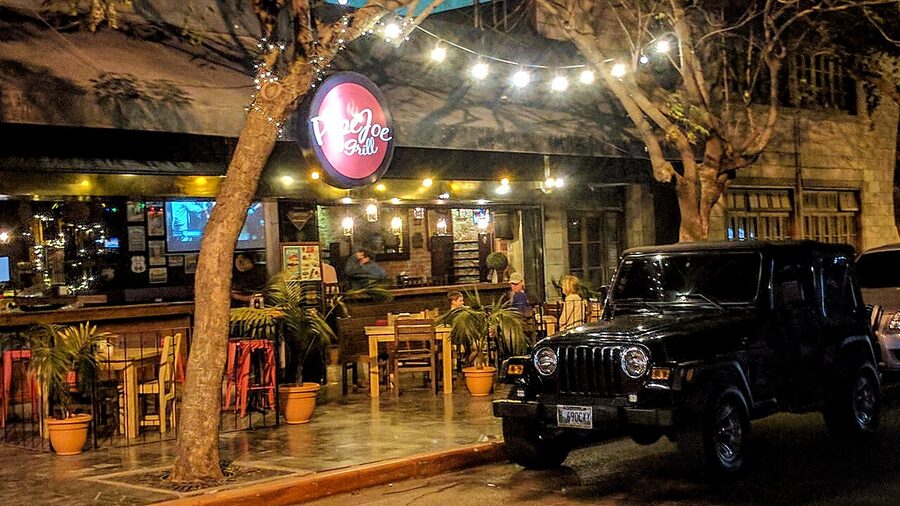
Walk inside zones (within Zona 10, within Zona 4, within Zona 1 in daylight). Uber or Cabify between zones. That’s the rule.
Uber works in Guatemala City exactly the way it works in any city. The app, the fare estimate, the driver rating, the cashless payment. Most rides between Zona 10 and Zona 1 run Q25-45. To the airport from Zona 10 it’s Q35-60 depending on traffic. Cabify is the local alternative and is also fine. Drivers in both apps speak limited English; basic Spanish helps but the destination is in the app so you don’t really need to talk.
Avoid white street taxis. Both the US State Department and the UK FCDO currently advise against unbooked taxis in the capital. The yellow Taxis Amarillo Express are regulated and considered safe; you’d flag one or call ahead. The official Taxi Seguro is also recommended.
The Transmetro is the city’s articulated-bus system on dedicated lanes. Clean, cheap (Q1.50), and runs through several major arteries. It also doesn’t go anywhere most travellers need. If you’re commuting between specific zones it works; for a short visit you’ll never use it.
Chicken buses (camionetas, the repurposed US school buses): the State Department, the FCDO and basically every long-term resident agree, don’t take them inside the capital. They’re how Guatemalans get to work but the robbery rate on capital chicken-bus routes is high enough that it’s the one form of public transport every advisory specifically warns about. Outside the capital, on the highland routes, chicken buses are the normal way to move and most travellers use them. Inside Guatemala City, no.
Getting to and from the city
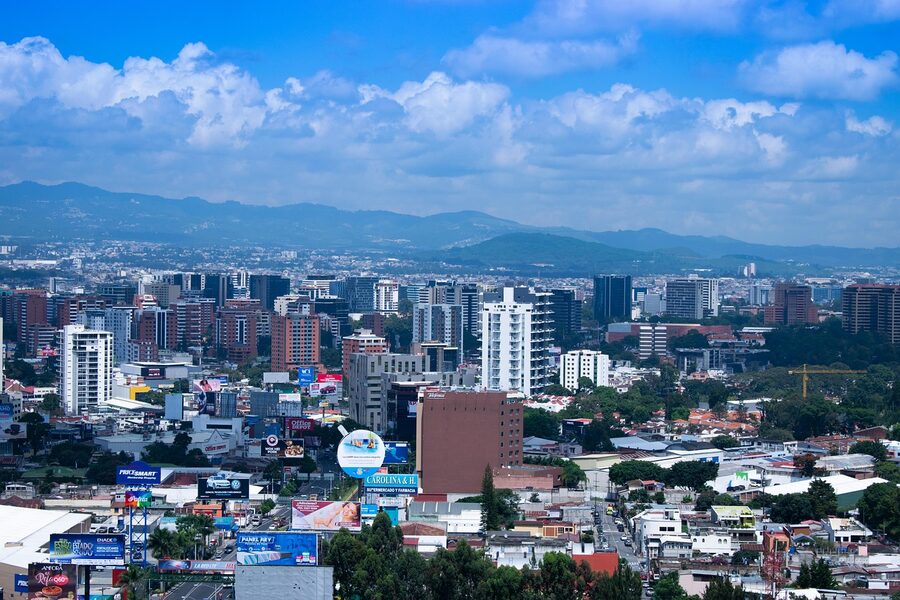
By air. Aurora International (GUA) handles direct flights from most major US cities (Miami, Houston, Atlanta, LAX, JFK, Fort Lauderdale), plus Mexico City, Panama City, San Salvador and Madrid. The one you don’t get many of is Europe-direct, with Iberia from Madrid being the main exception.
To Antigua is the most common onward leg. Shared shuttles leave regularly from Zona 10 hotels and from the airport, take 45-60 minutes depending on traffic, and cost Q120-200. Atitrans, GuateGo, and Adrenalina Tours all run them; ask your hotel desk to book one. Private transfers run Q400-700.
To Lake Atitlán direct shuttles from Guatemala City hotels run roughly 3.5 hours and cost Q200-300 per seat. Most go through Antigua first; if you’re stopping in Antigua anyway, do the leg there.
To Tikal / Flores. Two options. Fly with Avianca or TAG on the Guatemala City to Mundo Maya airport route, 50 minutes, Q1,200-2,000 round trip, much cheaper if you book ahead. Or take the overnight ADN bus (around 9 hours, Q300 a seat). Most travellers fly.
To Copán Ruinas, Honduras. Hedman Alas runs a daily early-morning bus from their terminal in Zona 10 (2a Avenida 8-73). About 5 hours including the El Florido border crossing. Around Q400-500. The same company runs onward to Copán, San Pedro Sula and La Ceiba. Pullmantur also operates between Guatemala City and San Pedro Sula on a similar schedule.
To Belize. Less common but doable. The cross-border route to Belize goes via Flores and the Melchor de Mencos border crossing, easiest as a fly-to-Flores, bus-to-border combination rather than a single overland leg.
To El Salvador. Tica Bus and King Quality both run Guatemala City to San Salvador (around 5 hours, Q200-350). Border crossing at La Hachadura or San Cristóbal.
From Aurora airport into the city, the easiest move is Uber from the covered pickup area (Q35-60 to Zona 10, 15-25 minutes off-peak). The airport-shuttle counters inside the terminal also run direct shuttles to Antigua if you’re skipping the city entirely.
Money, language, climate
Currency. The quetzal (Q or GTQ). Coins down to 5 centavos, notes from Q1 to Q200. Most things in the capital take cards in chain restaurants and hotels. Markets, taxis (cash only for Amarillo, app payment for Uber), small comedores, and most museums are cash-only. ATMs in Zona 10 dispense up to around Q3,000 per transaction with a fee around Q30-40. Stick to bank-branch ATMs (Banco Industrial, BAC, Banrural have their own) rather than standalone ones on the street.
USD is accepted at most Zona 10 hotels and at the airport, but with worse exchange rates than ATMs. Avoid paying in dollars unless it’s quoted that way; you’ll lose 5-10% to the conversion. Quetzales for everything outside hotels and the airport.
Language. Spanish. English is common in Zona 10 hotels, restaurants and at the airport. Outside Zona 10 and Zona 4, expect basic-Spanish-only interactions. Knowing numbers, food vocabulary, and “¿Cuánto cuesta?” (how much) goes a long way.
Climate. Guatemala City sits at 1,500m, which means the temperature is genuinely pleasant year-round. The “Land of Eternal Spring” tagline is honest. Daytime highs sit at 22-26°C most of the year, with cooler evenings (12-15°C, you’ll want a light jacket). The dry season runs roughly November through April; the rainy season is May through October, with afternoon downpours that mostly clear by 6pm. November and December are the best months. April can be hot and dusty before the rains break.
Safety, plainly
This is the section everyone wants and most blogs duck. So plainly:
The State Department keeps Guatemala at Level 3, Reconsider Travel as of March 2026, citing crime and a recently added terrorism indicator (referring to organised-crime and cartel activity in specific border departments). Zone 18 in Guatemala City and the city of Villa Nueva are at Level 4, Do Not Travel. So are San Marcos Department and Huehuetenango Department elsewhere in the country. Read the actual advisory; it’s regularly updated.
The UK’s FCDO advice is similar in shape: most of the country is fine with normal precautions, specific zones in the capital and specific border departments are not.
For the parts of Guatemala City you’ll actually use:
Zona 10 / Zona Viva. Fine 24/7 with normal city precautions. Use the cash machine at your hotel rather than a street ATM. Don’t wear obvious jewellery or wave a phone around at intersections. Lock the doors when you’re in an Uber.
Zona 9, Zona 14. Same as Zona 10 by day. After dark, take Uber even for short hops; the streets are fine but they’re dark and the taxi habit is what locals practise.
Zona 4. Daylight fine, evenings on Cuatro Grados Norte itself fine because there are people and the area is well-lit. Don’t wander the surrounding industrial blocks.
Zona 1. Daylight only. After 6pm or so, leave. Pickpocketing is the everyday concern; armed robbery is a less common but documented one. None of this is unique to Guatemala City: it’s the same advice for the historic centres of San Salvador, Tegucigalpa or San Pedro Sula. Take it seriously.
Zona 18, Villa Nueva, the rest of the periphery. Don’t go. There’s nothing tourist-relevant out there and Uber drivers will sometimes refuse rides into Zona 18 anyway. Stick to the zones I’ve named.
The Guatemalan tourism board operates a programme called ASISTUR, a tourist assistance line jointly run with the tourist police (DISETUR). Dial 1500 from a Guatemalan SIM, or +502-2290-2810, or WhatsApp +502-5188-1819. The operators speak Spanish and English and they coordinate with police if you have a problem. The programme has officers stationed in Antigua, Atitlán, Tikal, Quetzaltenango and a handful of other tourist-heavy areas. INGUAT, the national tourism institute, also has English-speaking staff at the airport tourist desk.
Practical things that have nothing to do with crime statistics but matter:
- Tap water isn’t drinkable. Hotels provide bottled water; Q5-8 a litre at any tienda (small shop).
- Altitude is mild (1,500m) but if you’ve flown in straight from sea level, give yourself a slow first afternoon before doing anything strenuous.
- The earthquakes are real. Guatemala City sits in an active seismic zone and small tremors are routine. Major quakes are infrequent but the country has a long history of them.
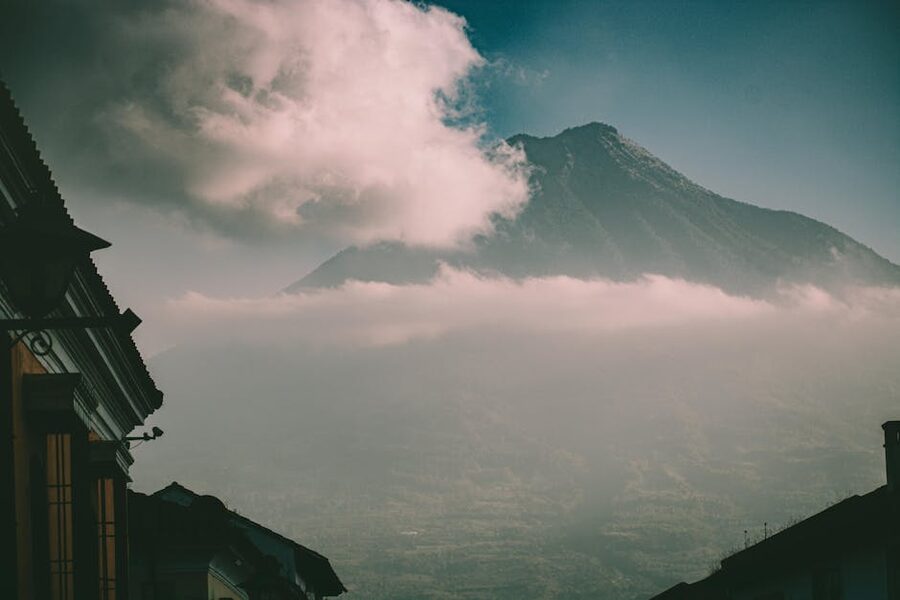
- Volcanoes are also real. Volcán de Fuego is currently active (a routine semi-continuous eruption pattern) and Pacaya has hiking access from the capital. Don’t hike either without a registered guide.
A reasonable half-day or one-night plan

If you’ve got half a day and you arrived on a morning flight: drop your bag at a Zona 10 hotel, Uber to Plaza Mayor, walk to the cathedral, walk into the Mercado Central for the textiles and a plato del día, then Uber back to the UFM campus for an hour at Museo Popol Vuh. That’s the city. Take a 5pm shuttle to Antigua.
If you’ve got one night: the same morning, plus an evening walk through Zona 4. Dinner at one of the food courts on Cuatro Grados Norte (Mercado 4 Grados is the easy pick) or, if you want a memorable meal, a reservation at Sublime in Zona 14. Uber back to the hotel by 11pm. Out by 9am the next morning.
If you’ve got a full day plus a night: add Museo Ixchel for the textiles and a stop at the Iglesia Yurrita on the way to dinner. If volcanoes are your thing, Pacaya is a half-day guided hike from Antigua, not from the capital, so structure the visit around getting yourself to Antigua first.
The honest bottom line
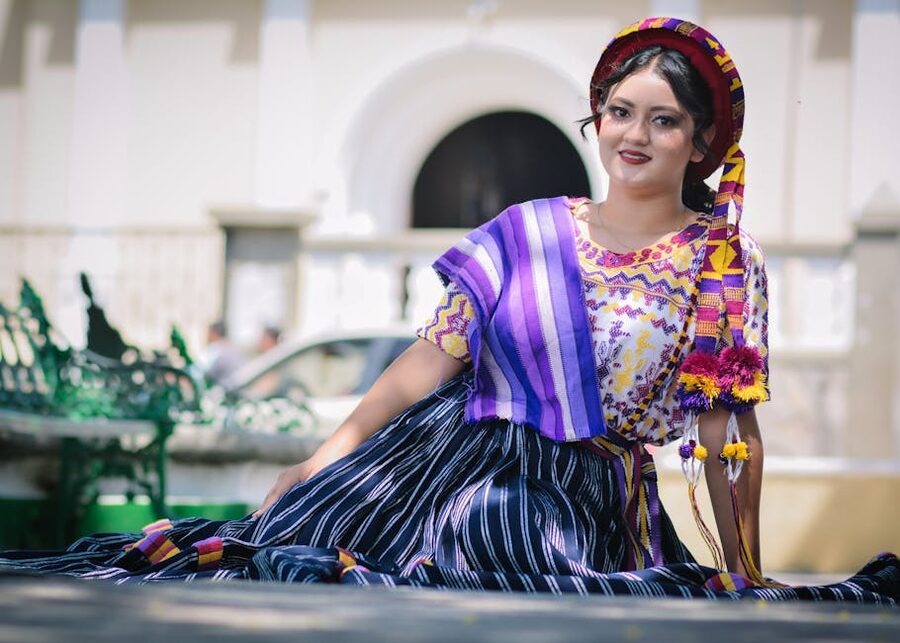
Guatemala City won’t be the highlight of your trip. Guatemala‘s highlights are Antigua, Atitlán and Tikal in some order. You’ll spend most of your time in those three places and you should.
But the standard advice to get out of the capital as fast as possible misses something. Half a day, or one night, gives you the historic centre, two of the country’s best Mayan museums, a meal in Zona 4 that beats almost anything you’ll eat in Antigua, and a sense of what modern Guatemala actually feels like, not just the colonial-era postcard version. Move carefully (Uber, not white taxis; Zona 10 to sleep; Zona 1 in daylight), keep your phone in your pocket on the street, dial 1500 if anything goes sideways, and you’ll come away with a slightly more complete idea of the country.
Then go to Antigua. The shuttle leaves every hour.
For the rest of Guatemala coverage on this site, including the Antigua and Atitlán guides, the Tikal logistics, and how to cross the borders into Belize and Honduras.

,_Guatemala.jpg)


.jpg)

.jpg)
,_Guatemala.jpg)


