On one of the risers of the Hieroglyphic Stairway at Copán there’s a glyph block that records a date in 695 CE and the name of the Maya king the early epigraphers called 18 Rabbit. His real name was Uaxaclajuun Ub’aah K’awiil, and he ruled this city for 43 years until his rival captured and beheaded him in 738. The stairway climbs 63 steps, holds about 2,200 glyphs, and tells the dynastic story of Copán from its founder, K’inich Yax K’uk’ Mo’, who arrived in 426 CE, to the rulers who watched the city slide into collapse around 822. It is the longest carved Maya text in existence. You can stand a few metres in front of it and read the dates if you know what to look for.
That stairway is the reason most travellers come here, and the reason it is worth coming. Copán doesn’t have the size of Tikal or the postcard pyramids of Chichén Itzá. What it has is the carving. Stelae taller than you, thick with portraits and gods, in better condition than almost anywhere else in the Maya world. A tunnel system under the Acropolis where archaeologists found the painted Rosalila Temple intact, sealed inside a later pyramid like a Russian doll. A ball court with sloping stone aprons and three stone macaw markers. And a small town, Copán Ruinas, a kilometre west of the gate, that is the easiest base in the country and one of the more pleasant places I’ve stayed on the gringo trail.
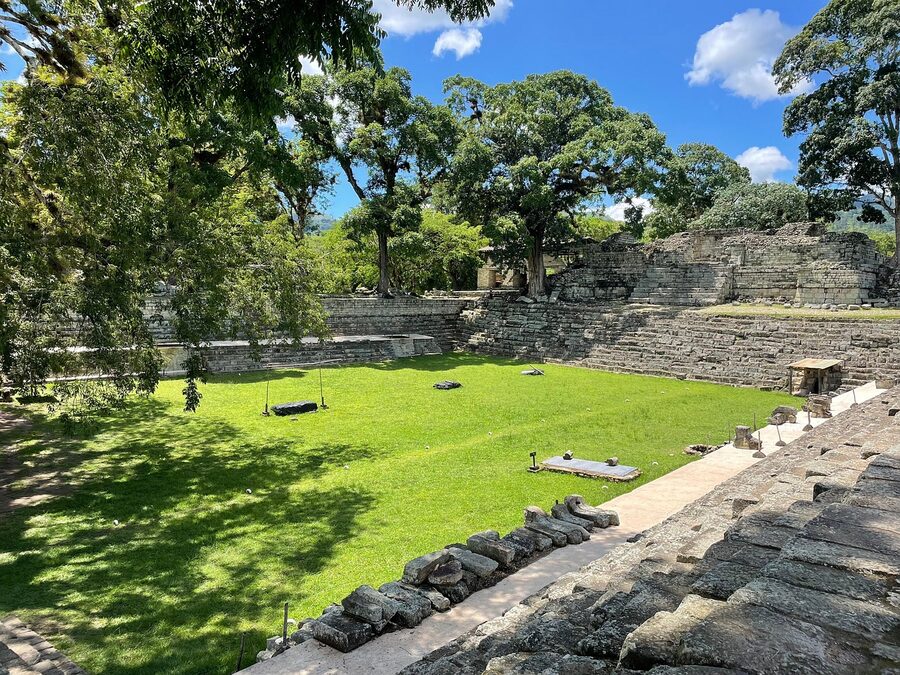
This guide covers the difference between Copán the site and Copán Ruinas the town (which trips up almost every first-timer), what you should and shouldn’t pay extra for inside the park, what’s worth your time in town, and how to get here. Honduras has a reputation problem with Western travellers and it bleeds into Copán even though Copán has nothing to do with it. The town is fine. The site is fine. The biggest danger here is sunburn.
In This Article
- Copán vs Copán Ruinas: getting the names straight
- Inside the archaeological park: what you actually want to see
- The Gran Plaza and the stelae of King 18 Rabbit
- The Hieroglyphic Stairway
- The Acropolis and Altar Q
- Should you pay for the tunnels?
- The Ball Court
- The Sculpture Museum: skip it or not?
- Las Sepulturas: the residential site nobody visits
- Macaw Mountain Bird Park: the animal-tourism question
- Beyond the ruins
- Aguas Termales and Luna Jaguar Hot Springs
- Coffee fincas and the Tea and Chocolate Place
- Horseback to Los Sapos
- Where to stay in Copán Ruinas
- Getting to Copán Ruinas
- From Antigua, Guatemala (the most common route)
- The El Florido border crossing
- From San Pedro Sula
- From La Ceiba and the Bay Islands
- From Tegucigalpa
- Practicalities
Copán vs Copán Ruinas: getting the names straight
This trips everyone up so let’s clear it now. Copán is the archaeological site, a UNESCO World Heritage listing since 1980, set in a six-hectare park at the edge of the Río Copán. Copán Ruinas is the small town a kilometre west of the gate. When Hondurans say “voy a Copán” they usually mean the town; when archaeologists say Copán they mean the city the Maya built. I’ll keep them apart in this guide.
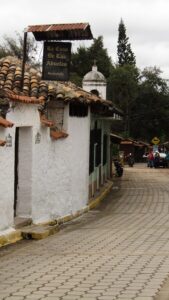
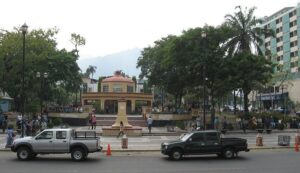
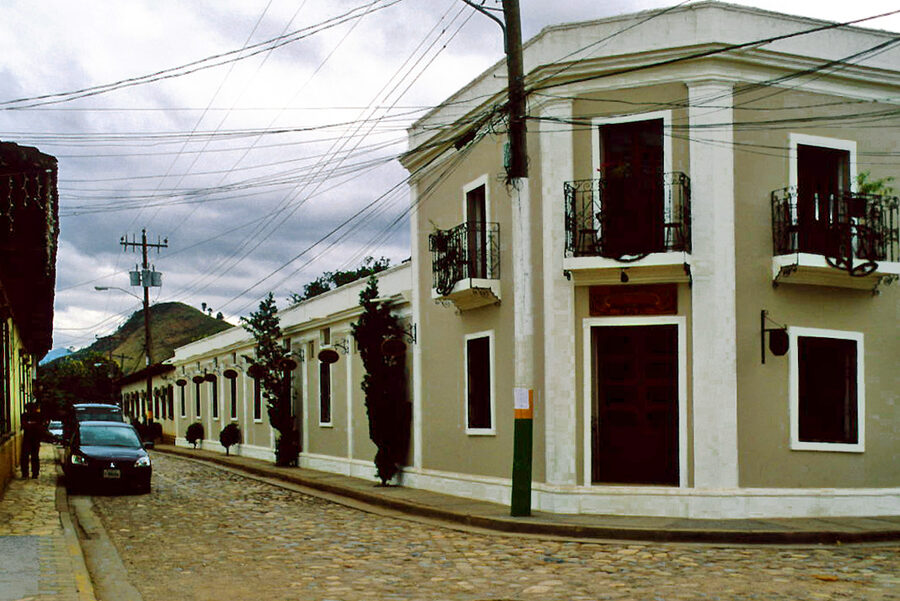
The town has roughly 8,000 people, a Parque Central with a small white church, cobblestone streets, three or four blocks of restaurants and hotels, and a tuk-tuk on every corner. You can walk between the town and the archaeological site in 15 to 20 minutes along a flat path that runs parallel to the road. A tuk-tuk costs around L20 to L30 (less than a dollar) and takes five minutes.
Inside the archaeological park: what you actually want to see
Open 8 AM to 4 PM daily (some sources still list 5 PM, but gates close earlier in 2026). Entry is US$15 for the main site and Las Sepulturas combined, plus US$15 for the tunnels and US$7 for the Sculpture Museum. Cash in lempiras or dollars; Visa worked for me. A licensed guide is US$30 to US$40 for a small group and worth it the first time, because the carvings make far more sense when someone who reads Maya glyphs is pointing at them.
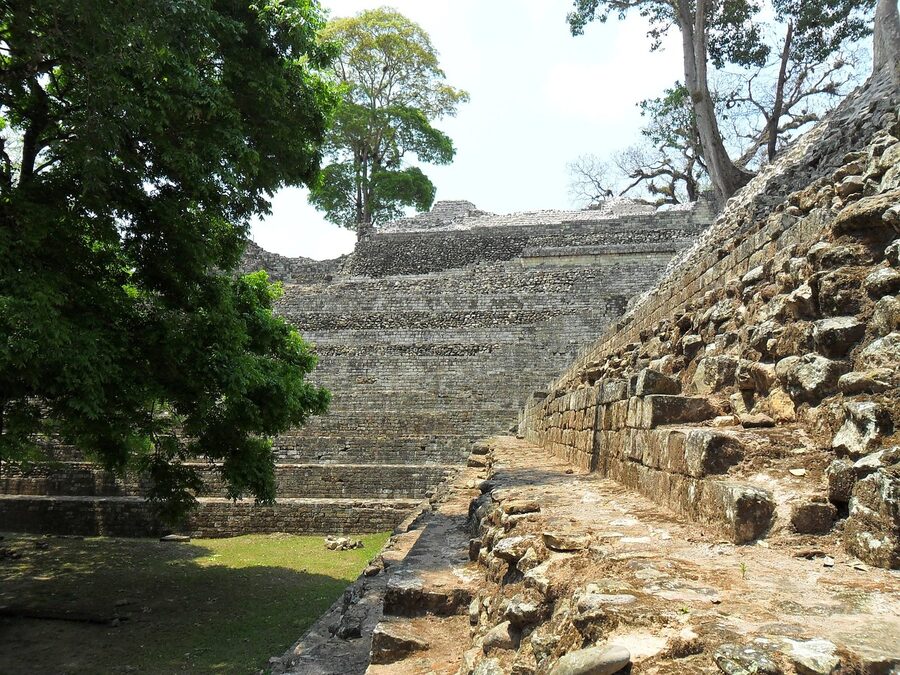
The park is roughly square and easy to navigate without a map. From the entrance you walk through forest where the macaws hang out, then into the Gran Plaza. Everything radiates south and east from there. Plan two and a half to three hours for the main site, plus an hour each for Las Sepulturas and the museum.
The Gran Plaza and the stelae of King 18 Rabbit
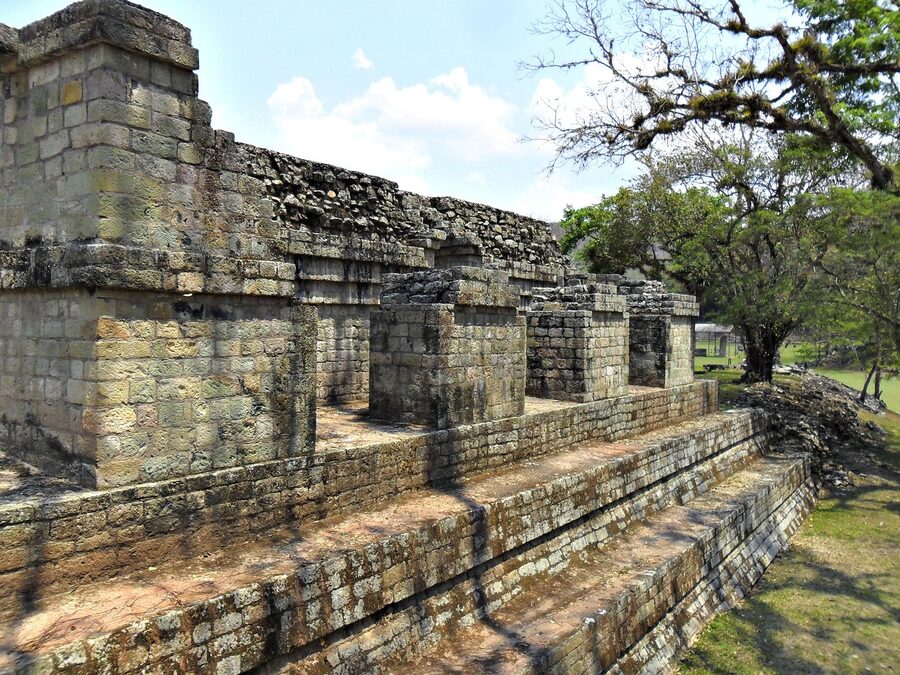
The first thing you reach inside the park is the Plaza de las Estelas, a wide open lawn dotted with carved standing stones. Most are portraits of King 18 Rabbit (every guidebook still calls him that; archaeologists today use Uaxaclajuun Ub’aah K’awiil). He erected most of the stelae you can see, between roughly 711 and 736 CE, during the long peak of Copán’s power. They were originally painted bright red and probably blue and yellow too. Almost all the pigment is gone now, but if you crouch by Stela H you can still see traces of red in the deeper carvings.
Stela A is the show piece. The figure’s headdress alone has more detail than most other Maya stelae have in their entire body. The original is in the Sculpture Museum and what stands in the plaza is a concrete replica, which sounds like a downgrade and isn’t. The replica is what you can walk around. The original stays out of the rain.
The Hieroglyphic Stairway
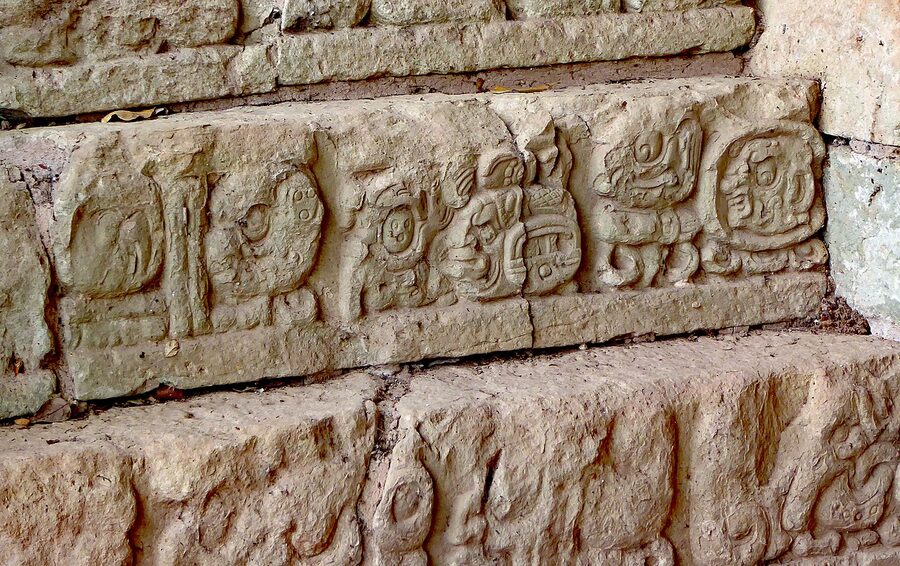
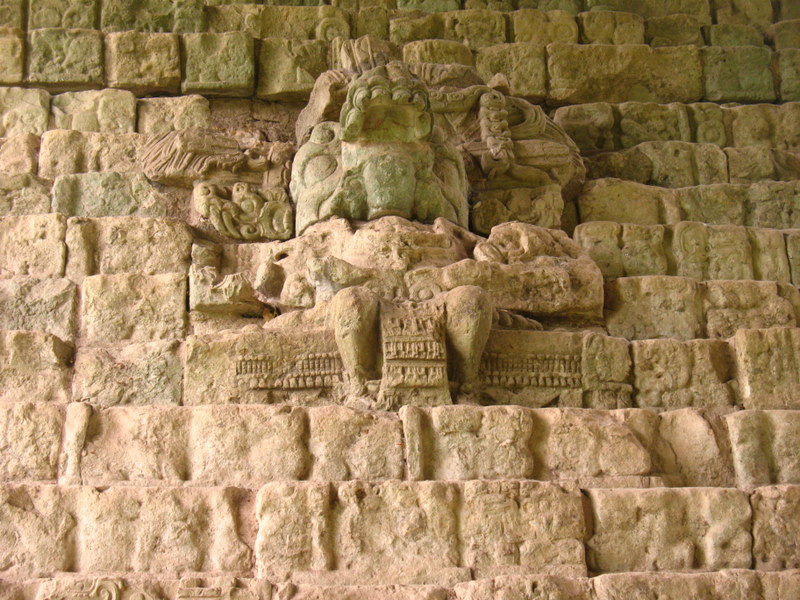
South of the Gran Plaza you reach the foot of Temple 26 and the stairway itself. It is the single longest Maya hieroglyphic text known. King K’ak’ Yipyaj Chan K’awiil (Smoke Shell) commissioned it in 755 CE, partly as propaganda and partly to reassure his subjects that the dynasty was still strong, which it wasn’t. His grandfather had been beheaded by their rival across the valley at Quiriguá 17 years earlier and the city had been wobbling ever since.
The stairway was found mostly collapsed, upper steps fallen and scattered. Early-twentieth-century archaeologists reassembled it as best they could; the bottom dozen steps are in original order, above that the glyph blocks are still being decoded. Look at the figures seated mid-staircase: five life-sized rulers, including 18 Rabbit, dressed for war.
The Acropolis and Altar Q
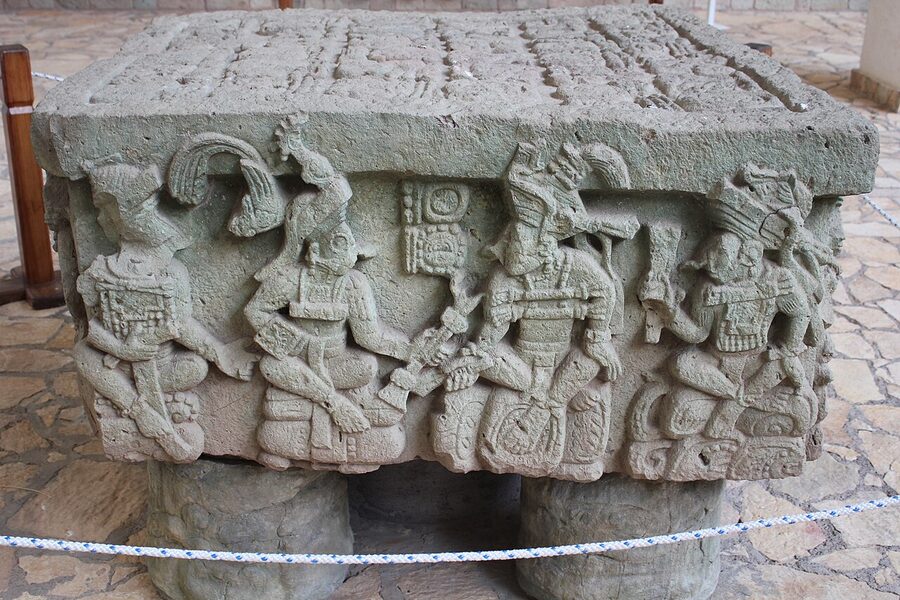
South of the stairway the ground rises into the Acropolis, the stack of platforms and temples that was the royal residence. It splits into the East Court and the West Court. The East Court has the best view across the valley; the West Court has Altar Q at the base of Temple 16. The altar shows all sixteen rulers in order, founder K’inich Yax K’uk’ Mo’ handing the staff of authority to the last king Yax Pasaj, with the other fourteen lined up around the sides. It is a stone family tree, dated 776 CE, tying the dynasty back to its founder.
Below the Acropolis the river has cut a vertical face that exposes the building stages going back to the 5th century. This is also where the tunnels start.
Should you pay for the tunnels?
The tunnel ticket is an extra US$15 and it lets you into two tunnels carved by archaeologists into the Acropolis: the Rosalila tunnel, which exposes a small section of the painted Rosalila Temple under Structure 16, and the Los Jaguares tunnel, which shows tomb structures from earlier construction phases. They are short. Maybe 30 minutes of walking total, with low ceilings and dim lighting.
Skip them on a first visit unless you’re a Maya specialist or travelling with kids who want a dark cave to walk through. The actual Rosalila Temple, full-scale and painted, is reproduced inside the Sculpture Museum where you can see all of it under good light. The tunnel only shows you a slice. The US$15 is better spent on a guide for the main site.
The Ball Court
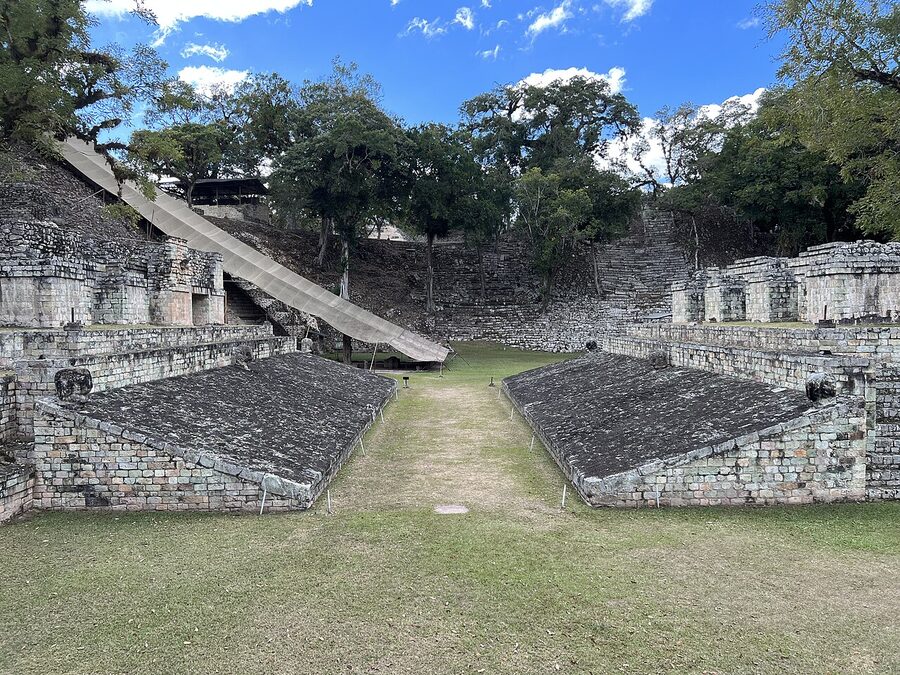
Just south of the Gran Plaza, the Ball Court is in its third and final rebuild; the floor you see was laid in 738 CE by King 18 Rabbit, one of his last commissions before his execution. It is smaller than Chichén Itzá’s ball court but more intact. The sloping aprons are the original stones. The stone macaw heads along the alley are the markers. The game involved a heavy rubber ball, players using their hips rather than hands, and a religious dimension that often (not always) involved sacrifice afterwards.
The Sculpture Museum: skip it or not?
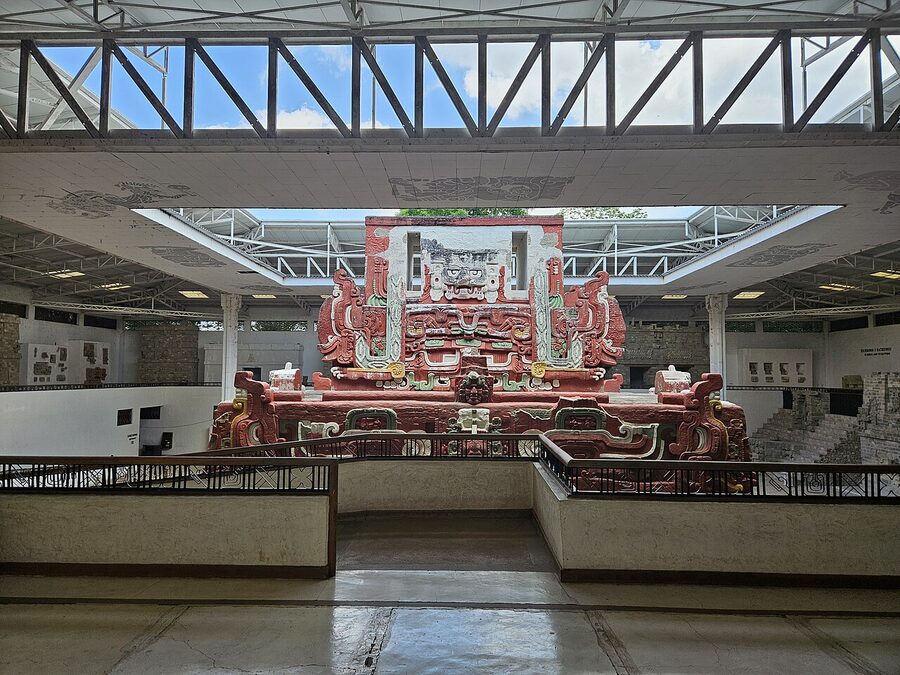
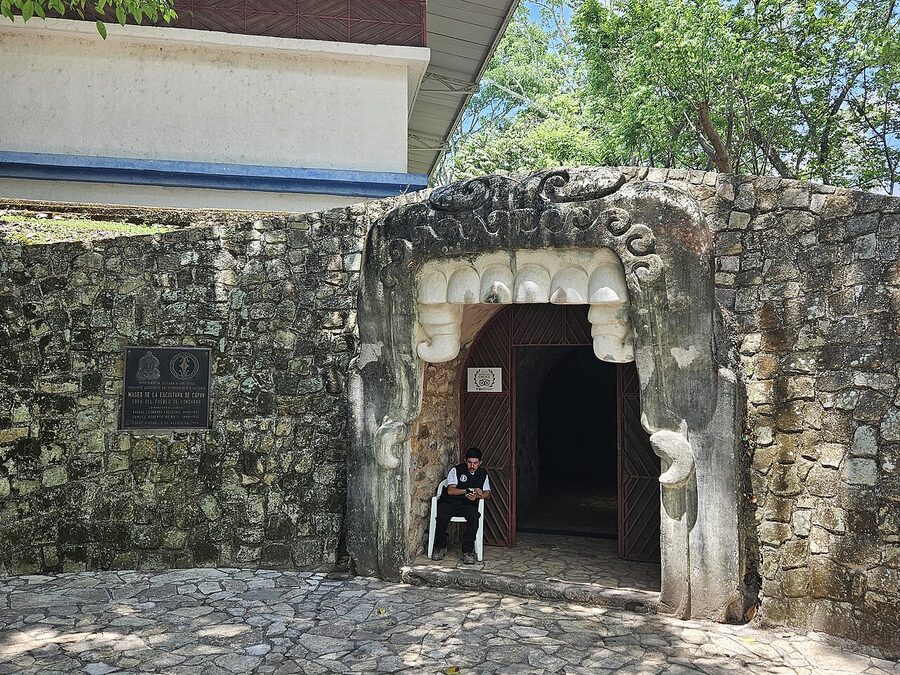
Almost every Honduras guide I’ve read either ignores the Sculpture Museum or says “skip it.” Both are wrong. It is the best Maya museum I’ve been to in Central America and it costs US$7 extra on top of the main park ticket. The whole building wraps around a full-scale replica of the Rosalila Temple, painted in the original red, yellow, and green pigments, lit from above through a glass roof. You enter through a stylised serpent’s mouth and the temple rises in front of you like the Maya built it yesterday.
The original Rosalila is still under Structure 16, sealed inside the later pyramid by the Maya around 600 CE. They didn’t destroy it. They wrapped it in stucco and built over it, and that is why it survived.
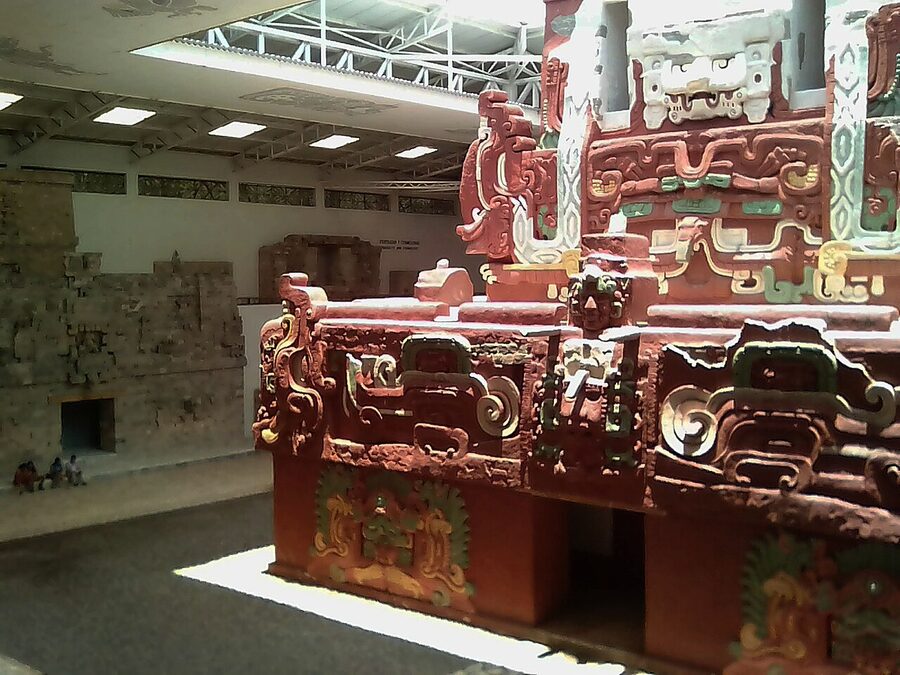
Around the perimeter are the original stelae and altars, brought in from the park to protect them from rain: original Stela A, original Altar Q, original Hieroglyphic Stairway riser blocks. The replicas in the park are very good. But the actual stones the Maya carved are mostly in here, behind glass, in controlled light. Pay the US$7. It’s the cheapest part of your day.
Las Sepulturas: the residential site nobody visits
A kilometre east of the main park, on the same combined ticket, is Las Sepulturas: the residential quarter for Copán’s elite during the late Classic period (700 to 822 CE). Separate gate, 15-minute walk along the main road, and almost nobody bothers. On a Tuesday morning in dry season I had the place to myself for forty-five minutes.
The structures are smaller than the temple complex but the foundations are unusually intact. You can see room layouts, courtyards, bench seats. The famous one is the House of the Bacabs, a noble’s residence with carved hieroglyphic benches, one with the personal name of a 9th-century scribe inlaid in glyphs. A glimpse of how the wealthy lived rather than how they worshipped. Walk the extra kilometre.
Macaw Mountain Bird Park: the animal-tourism question
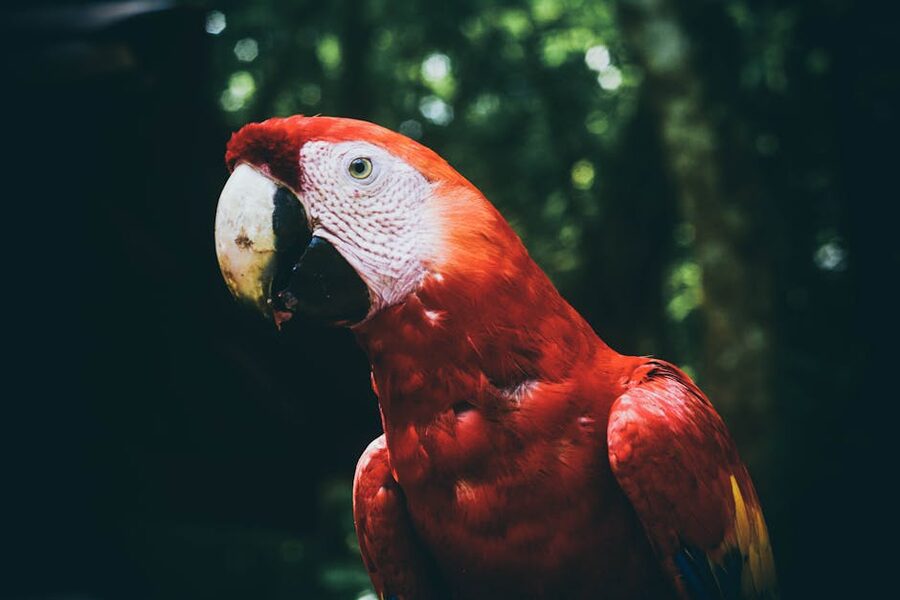
Macaw Mountain is a bird sanctuary 2 km north of town, a 10-minute tuk-tuk or a 30-minute walk. It is a rescue and rehabilitation centre, not a zoo, and that distinction matters: animal tourism in Central America has a poor track record overall, with a lot of “sanctuaries” essentially being aviaries with confiscated birds and no release programme.
Macaw Mountain has a release programme. Since 2011 they’ve been breeding scarlet macaws, conditioning the chicks for life in the wild, and releasing them into the Copán valley. The wild flock at the entrance to the archaeological site is largely the result of that work; the national bird of Honduras was close to locally extinct in this part of the country before the project.
That said, what you see when you visit is birds in enclosures. Some are too injured or imprinted to be released. There are interaction stations where staff bring out trained birds for photos, which feels uncomfortable if you’ve spent any time around wildlife conservation, even when you know the alternative for those individual birds is essentially nothing. Ethically defensible rather than ethically perfect. Entry is around US$10 (250 lempiras), open 8 AM to 4 PM. I went, I’m glad I went, and I wouldn’t go a second time.
Beyond the ruins
Aguas Termales and Luna Jaguar Hot Springs
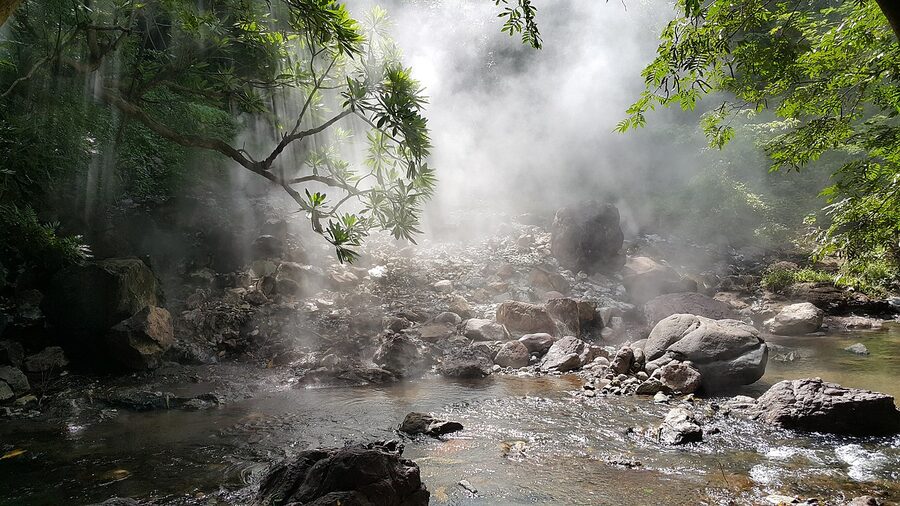
About 24 km north of Copán Ruinas, on a winding road through coffee plantations, are the hot springs. Two options at the same general location: the free public Aguas Termales, a series of pools where boiling thermal water meets the cold river, and the Luna Jaguar Spa Resort, the developed pay-version of the same hot water, with manicured paths, herbal steam baths, and massage stations on a hillside.
The shuttle from town runs late afternoon for a sunset visit, leaving around 2 to 3 PM and getting back by 8 PM. Buy tickets the same day at Café Vía Vía. Bring flip-flops, a towel, bug spray (the bugs are real after dark), and a swimsuit. Shuttle plus Luna Jaguar entry runs about US$25 to US$30 total.
Coffee fincas and the Tea and Chocolate Place
Copán is one of the better coffee-growing zones in Honduras. Volcanic soil, altitude, the right rainfall pattern. The better-known fincas are Finca El Cisne (about 30 minutes out, family-run, also runs cattle, half- or full-day tours) and Finca Santa Isabel. Tours run in English and Spanish with tastings included. Around US$25 to US$35 per person depending on lunch.
In town, the Tea and Chocolate Place (yes, that’s the actual name on the sign) is a small cafe and chocolate maker about 15 minutes uphill from the Parque Central. Tasting flight US$5 or so, the chocolate is good, the place is a slow afternoon. Tuk-tuk up if the climb feels like a lot in the heat.
Horseback to Los Sapos
The hill across the river from town, Hacienda San Lucas, has a small Maya site called Los Sapos (the Frogs). Carved boulders, modest in scale, with a panoramic view across the Copán valley. The standard way up is horseback: a guide, three hours, around US$20 per person, no riding experience needed. You ride through Maya Chortí villages and a coffee plantation, you get an hour at the top, and you ride down.
Where to stay in Copán Ruinas
The town is small enough that location barely matters. Anywhere in the centre is within five minutes of the Parque Central and ten of the archaeological park. A few specifics:
- Hostel Iguana Azul: backpacker pricing, dorms from L300 (about US$12), privates higher. Run by the same family as Casa de Café and shares a garden.
- La Casa de Café: guesthouse owned by an American-Honduran couple, leafy courtyard, breakfast included. US$80 to US$110.
- Hotel Marina Copán: mid-range on the square itself. Pool, restaurant, where tour groups stay. Reliable, not atmospheric. US$90 to US$120.
- Hotel La Escalinata: smaller place a couple of blocks off the Parque, terrace with valley views, breakfast included. US$45 to US$60.
- Terramaya Boutique Hotel: the higher-end option. Garden setting, well-furnished rooms, US$130 to US$170 with breakfast.
Everything fills around the spring equinox in March (the big Maya date) and Easter week. Outside those, you’ll find a room walking in. Search the inventory: hotels on Booking.com or on Agoda.
Getting to Copán Ruinas
From Antigua, Guatemala (the most common route)
Antigua to Copán Ruinas is 5 to 7 hours depending on borders. Two ways.
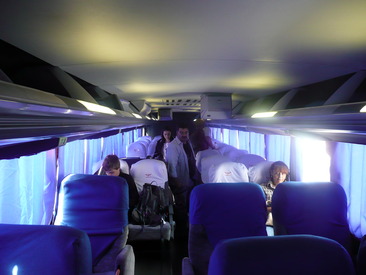
The easy way: Hedman Alas direct. They run an Antigua-Copán service most days, leaving Antigua around 4 AM and arriving 11 AM to noon, with the return coach around 2 PM. Air-conditioned, seats recline, the driver handles border paperwork at El Florido for you. US$50 to US$60 one-way. Book on the Hedman Alas website or in any Antigua hostel. This is what I’d recommend first time.
The cheap way: tourist shuttle to the border, chicken bus on. Antigua hostels run shuttles to El Florido for US$25 to US$35; you cross on foot, then catch a chicken bus for the last 12 km to Copán Ruinas (around L40 / US$1.50). Saves maybe US$30 but means dragging your luggage across a land border. Easy enough in daylight, less fun in rain. Guatemala covers more on the route from the Antigua side.
The El Florido border crossing
El Florido is the Guatemala-Honduras border post 12 km west of Copán Ruinas. Open 6 AM to 10 PM, low-key, busiest on Sunday afternoons when it can take an hour. Honduras issues a 90-day stamp under the CA-4 agreement (one shared visa across Honduras, Guatemala, El Salvador, Nicaragua) so if you already have a Guatemalan stamp it just continues. No exit fee from Guatemala. Honduras may ask for L60 (US$3) on entry, sometimes not.
Money changers at the border give a poor rate. Change a token amount for the bus and use ATMs in town.
From San Pedro Sula
If you’ve flown into Honduras at SAP, the Copán run is around 4 hours by road. San Pedro Sula is the gateway most North American travellers use. Hedman Alas runs three times daily, around L470 (US$18). Casasola Express colectivo vans are cheaper at L160 (US$6) but can stretch past 5 hours if the van fills slowly.
From La Ceiba and the Bay Islands
From Roatán or Utila, ferry to La Ceiba on the Galaxy Wave, take a Hedman Alas connection to San Pedro Sula, switch to the Copán bus. Budget 12 hours and an early start. Most people break the journey overnight.
From Tegucigalpa
From Tegucigalpa you connect through San Pedro Sula; the highway goes north to SAP, then west. Plan around 8 hours total. More on the country at our Honduras articles.
Practicalities
How long to stay. One night is enough if you’re tight: arrive in the afternoon, do the ruins early next morning, move on. Two nights is right for most people, splitting the ruins from Macaw Mountain, hot springs, or a coffee tour. Three nights if you want to relax.
When to go. Dry season is November to April. February and March are busiest because that’s when most travellers stack the route with Antigua and Tikal. October to early November is excellent: rains eased, valley green, tour buses not yet started. May to October is wet; afternoon rains are predictable, mornings usually clear. The site stays open year-round.
Currency. The Honduran lempira (L or HNL), roughly 25 to the dollar in 2026. Dollars accepted at the park ticket office, most hotels, and bigger restaurants. Smaller comedores, tuk-tuks, and pulperías take lempiras only. Two banks with international ATMs near the Parque Central worked with foreign Visa cards on my last visit. Cards accepted at most hotels and larger restaurants; many places still cash only.
What it costs. Day with the ruins, museum, lunch, tuk-tuk: around L1,200 per person. Macaw Mountain adds L500. Luna Jaguar shuttle and entry is L600 to L700. Coffee finca tour with lunch around L800. Mid-range hotel plus three meals: L1,500 to L2,000 per day. Backpackers can do this for under US$30 a day at Iguana Azul, eating at Buena Baleada.
Food. Better than the size of the town suggests. Sol de Copán is a German-Honduran beer hall (the owner is from Bavaria) where the schnitzel and dark beer are both real. Café Vía Vía is the traveller hangout for breakfast and tour-booking. La Casa del Café does a slow leisurely breakfast properly. Buena Baleada is the local stop for baleadas (a Honduran tortilla wrap with refried beans, cheese, crema; around L40). Pupusería Mary handles the Salvadoran end. The plato típico (grilled meat, beans, plantain, cheese, tortillas) at any comedor runs L100 to L150.
Is it safe? Yes. Honduras has a reputation that doesn’t really apply to Copán Ruinas. The town runs on tourism and is sleepy at night. The path between town and site is fine in daylight; take a tuk-tuk after dark like anywhere else. El Florido border is uneventful. The Hedman Alas route from Antigua is among the safer long-distance services in the region. The U.S. State Department’s Honduras travel advisory singles out Copán as one of the lower-risk destinations in the country.
I came in on a Hedman Alas bus from Antigua at noon, stayed two nights, and crossed back to Guatemala on the same coach. That’s the simple version. Walk the site at 8 AM the morning after you arrive, pay for the museum, skip the tunnels, take an evening at the hot springs, and you’ve done Copán right. The site is on the UNESCO World Heritage list, in case you were wondering where the ticket money goes.