
Three things up front, because almost every Roatán article buries them. If you came to dive on a budget, you should be on Utila instead. If you came for the postcard turquoise water and white sand, get yourself to West Bay. If you came for cheap food, decent nightlife, and a town where you can walk between dinner and your room, base yourself in West End. Most travellers want some combination of the three, and the trick is knowing where to sleep and how to move between them.
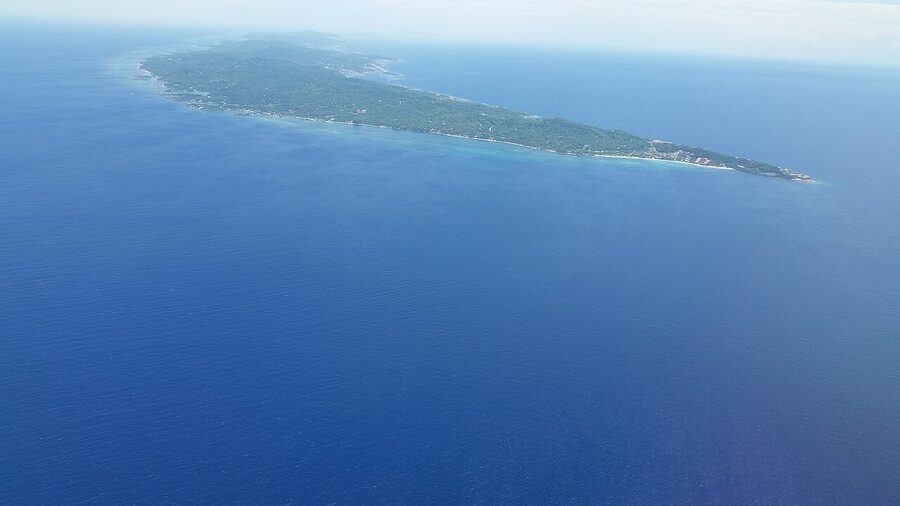
Roatán is the largest of the three Bay Islands sitting forty miles off the north coast of Honduras, and it splits into two different versions of itself. The west side, where almost every independent traveller stays, is reef, beach bars, dive shops, and a couple of crowded little towns. The east side is potholed dirt roads, Garifuna villages, and beaches you can have to yourself. The cruise terminals at Coxen Hole and Mahogany Bay sit between them, dumping ten thousand passengers onto the island on a busy day and then sucking them back up by 5pm.
One thing to know before you book anything: Honduras is officially on the lempira (about 25 to the dollar), but on Roatán nobody bothers. Hotels, dive shops, restaurants, and water taxis all price in USD and accept it without blinking. ATMs spit out lempiras and you can use them, but most travellers end up with both currencies in their pocket. Lempiras o dólares? (lempiras or dollars?) is a question you’ll be asked at the cash register about three times a day. Either is fine.
In This Article
- West End vs West Bay vs Sandy Bay vs French Harbour
- West End: the social hub
- West Bay: the postcard beach
- Sandy Bay: quieter, with the marine park
- French Harbour: locals and luxury
- Where to Stay by Budget
- Budget (under US$80 a night)
- Mid-range (US$80 to US$200 a night)
- Luxury (US$300 plus)
- If you actually want quiet: the East End
- Diving and Snorkelling on the Reef
- Roatán versus Utila for divers
- Dive shops on West End
- If you don’t dive: snorkelling from shore
- Lionfish, sustainably
- The Beaches Beyond West Bay
- Camp Bay Beach
- Half Moon Bay and Playa West End
- The Animal Tourism Question
- Day Trip to Cayos Cochinos
- Garifuna Punta Gorda and the East End
- Eating in West End
- Sundowners and Frank’s
- Getting There
- Flying in
- The ferry from La Ceiba
- Cruise port
- Getting Around the Island
- When to Go
- Safety, Without the Hype
- Tap water and bugs
- How Long to Stay
- What I’d Tell a Friend
West End vs West Bay vs Sandy Bay vs French Harbour
The four west-side neighbourhoods are close enough that you can sample more than one in a week, but they have very different personalities and you should pick a base on purpose, not by accident.
West End: the social hub
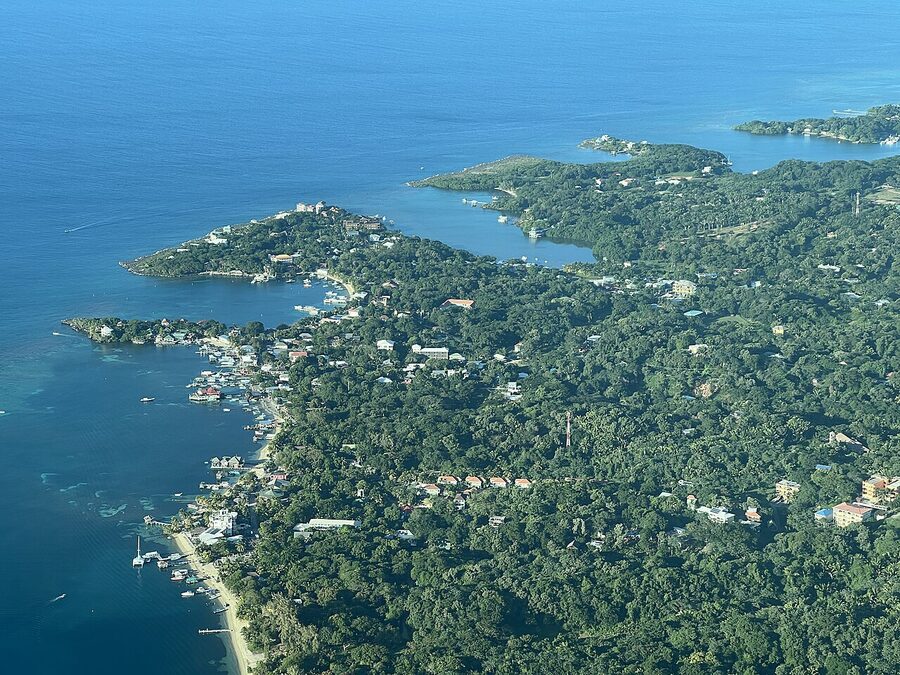
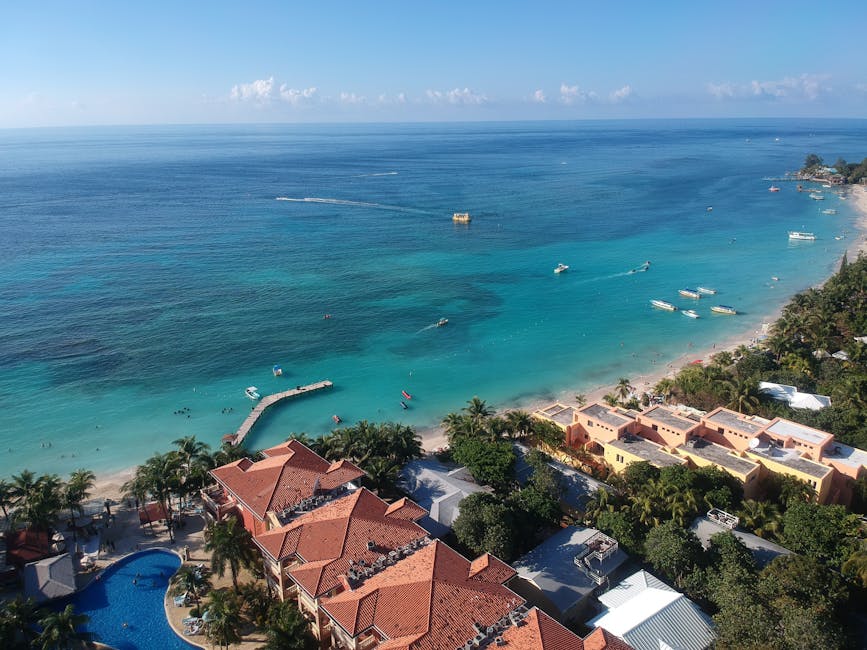
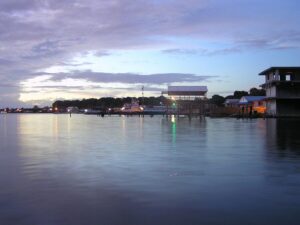
West End is one main road, about a mile of it, running along the water with restaurants and bars on the sea side and dive shops, hostels, and rental houses on the inland side. This is where almost every independent traveller ends up, and the only town on the island where you can walk to dinner, walk back, and not need a taxi. The vibe is dive-bum-meets-expat-retiree-meets-budget-backpacker, lit at night by tiki torches and string lights and the occasional rolling blackout. Half Moon Bay sits in the middle of it, a curved beach with palm trees, beach loungers for rent, and a reef you can swim to in five minutes. If you want quiet at night, sleep at the north or south end of town, not in the middle of the strip near Sundowners and Frank’s.
West Bay: the postcard beach
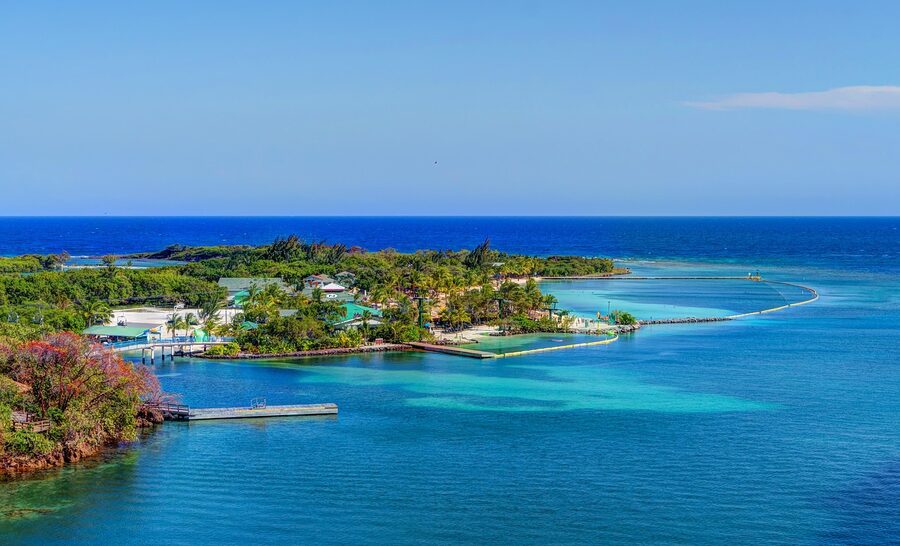
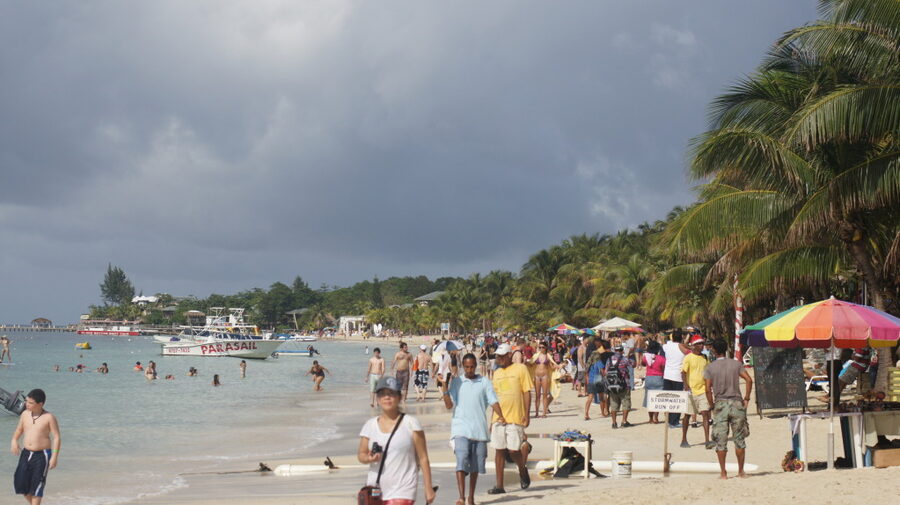
Two kilometres south of West End, West Bay is the beach that ends up on every Roatán Pinterest board. Powdery white sand stretches for about a mile, the water grades from clear to ridiculous turquoise, and the reef runs almost the length of the beach close enough to swim to. It is also where the cruise day-trippers and all-inclusive resort guests pile up, so on a four-ship morning it can feel like a parking lot with palm trees. Fix: stay in West End and water-taxi over for half-day visits, going first thing in the morning or after 2pm when the cruise crowd starts heading back to the ships. Or stay at one of the West Bay resorts (Infinity Bay, Mayan Princess, Kimpton Grand Roatán) and enjoy the beach in the early and late hours when it empties out.
Sandy Bay: quieter, with the marine park
Five minutes east of West End, Sandy Bay is where you go if you want the same reef without the music after 11pm. More spread out, less walkable, snorkelling and shore diving arguably better. Carambola Botanical Gardens is here, and so is Anthony’s Key Resort (the dive resort with the captive-dolphin programme you should not give your money to, more on that below). Tranquilseas Eco-Lodge runs a popular small hotel here if you want a quiet base.
French Harbour: locals and luxury
Fifteen minutes east of Coxen Hole, French Harbour is a working town, not a tourist strip. Largest fishing fleet on the island, the Roatán Brewing Company, and a couple of upscale gated communities further along the coast. Most travellers don’t sleep here, but it is worth a half-day for the brewery and to see a side of Roatán that is not aimed at you.
Where to Stay by Budget
Every hotel below is verified on Booking.com. The Bay Islands have a high turnover rate for small operators; if a name isn’t here it’s because I couldn’t confirm it was still trading.
Budget (under US$80 a night)
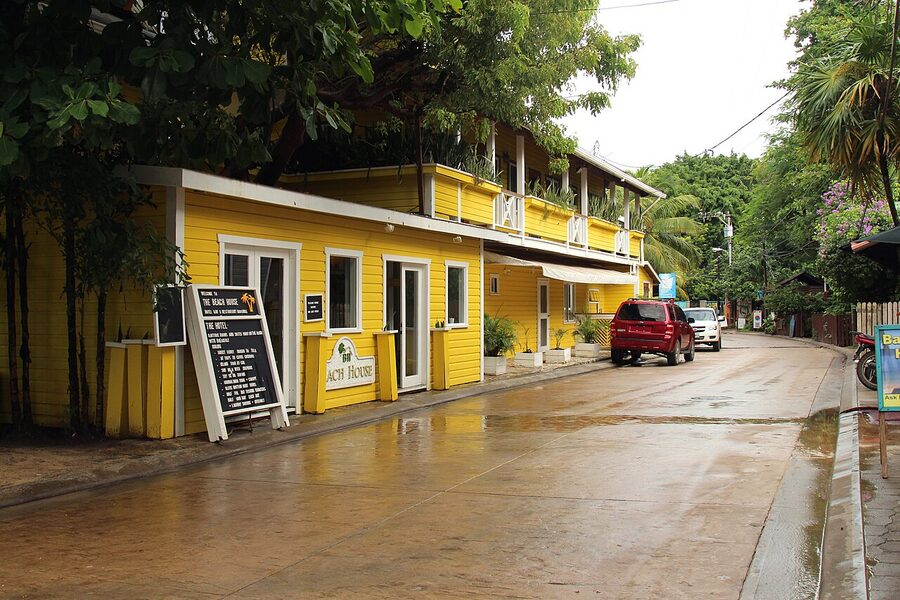
- West End Dive Resort in West End. Two pools, dorms and private rooms, walking distance to everything. The standard backpacker pick.
- Seabreeze Inn, also West End. Simple, clean, beach access.
- Hotel Chillies in West End. Reliable budget option, friendly owners.
Mid-range (US$80 to US$200 a night)
- Brisas del Mar Beach & Dive Resort. Right on West End beach, with the on-site bar (Tequila Jack’s) and a pool. Walkable to bars but far enough back to sleep.
- Cocolobo Resort. Small infinity pool that lines up with the sunset, north end of West End. Couples favourite.
- Tranquilseas Eco-Lodge in Sandy Bay. Quiet base, runs its own boat trips out to Pigeon Cay.
Luxury (US$300 plus)
- Kimpton Grand Roatán Caribbean Resort on West Bay. The big-deal property on the island, where Love is Blind season 8 was filmed. Direct beach access, four restaurants, a four-storey spa, swim-up bar.
- Infinity Bay Spa & Beach Resort, also West Bay. Day-pass option (US$30 for beach and pool, US$80 all-inclusive) is genuinely useful if you are based in West End and want a beach day with chairs.
- Arca Hotel, West Bay. Sixteen rooms, saltwater pool, more boutique than the Kimpton.
- Mayan Princess Beach & Dive Resort, West Bay. The bottomless-mimosa Sunday brunch at their Beach Club San Simon (US$30 plus tax) is a Roatán institution.
If you actually want quiet: the East End
Camp Bay is an hour and a half from the airport down a road that gets bumpy fast. Camp Bay Lodge is the place to stay there, with a US$20 minimum spend on food for day visitors which is the best deal on the island. Paya Bay Resort, further round on the north coast, runs sunset cruises and yoga retreats. Both work better with a rental car.
Diving and Snorkelling on the Reef
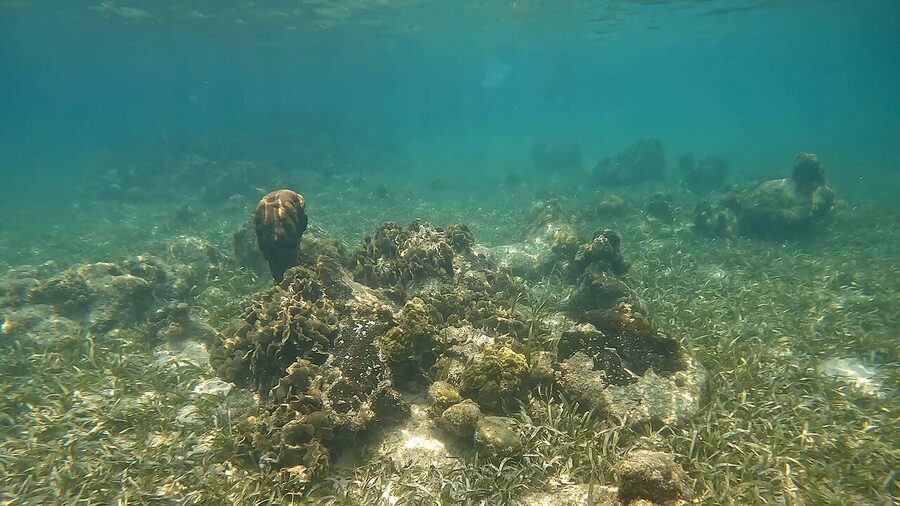
This is what most people fly here for. Roatán sits on the Mesoamerican Barrier Reef, the second-longest in the world, running from southern Mexico through Belize. The reef hugs the west coast tightly, often within a few hundred metres of shore, and the water stays calm and clear because the reef blocks the open sea. Over a hundred named dive sites on Roatán alone.
Roatán versus Utila for divers
The comparison that decides where serious divers end up: Utila, an hour’s ferry south, is famously the cheapest place in the world to get PADI Open Water certified. A four-day course there runs about US$300 to US$350 with everything. Roatán is cheaper than the Caribbean average but more expensive than Utila by a noticeable margin. Single-tank fun dives are US$50 to US$60 on Roatán, US$30 to US$40 on Utila.
What you get for the extra money is, in most divers’ opinion, a healthier reef with more macro life and less crowded sites. Roatán’s vis is reliably 20+ metres, the wall dives drop off fast, and the fish density is higher. Utila’s draw is whale sharks (March to April mainly) and the price. Getting certified or doing dozens of dives, Utila wins on cost. Five or ten dives and you want quality over quantity, stay on Roatán.
Dive shops on West End
Names verified across multiple traveller accounts who actually dived with these shops in the last couple of years. Dive shop turnover on Roatán is real, so always check the shop is currently operating before you wire a deposit:
- Sun Divers Roatán. Pick of the bunch on West End. Strong safety record, runs a Coral Ambassador course where you plant fragments on the reef. First shop on the island to publicly distance themselves from the baited shark dive.
- Roatan Divers. Solid reputation, good for technical and advanced courses. Small boats keep groups manageable.
- Coconut Tree Divers. Long-running, lower-key, picked by repeat visitors who don’t want a packed boat.
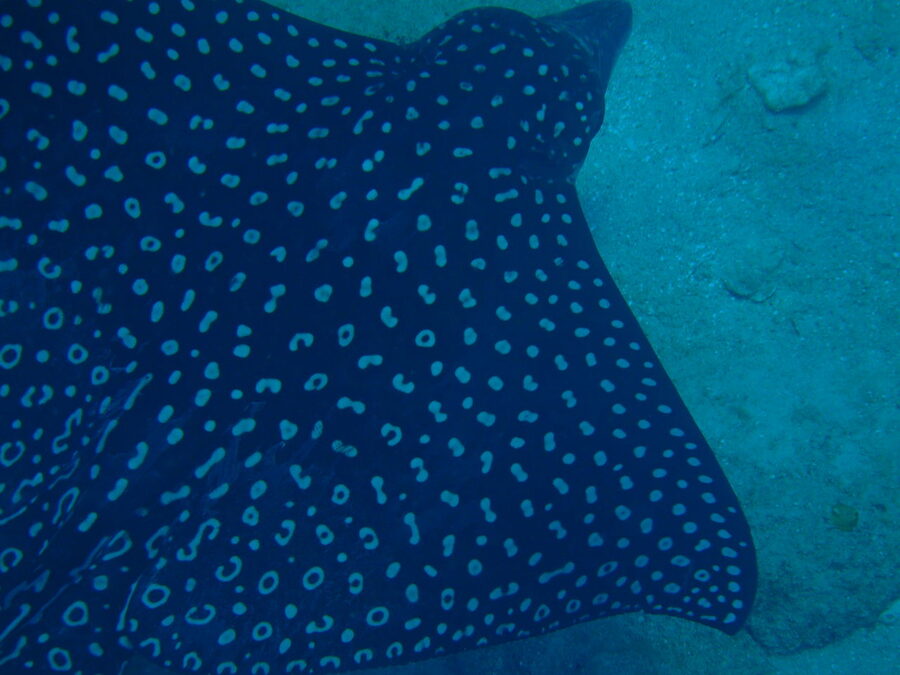
East End: Coco View Resort (legendary house wall you can dive from shore as much as you want) or Barefoot Divers. Both quieter than West End. Famous sites worth asking for: Mary’s Place (deep crack in the reef draped in soft corals, south side, easier from East End shops); the El Aguila wreck off Sandy Bay (sunk 1997, sits at 30 metres, AOW required); Lighthouse Reef and the West End Wall (standard fun dives from West End shops, both walls dropping into deep blue, reliable for turtles and eagle rays).
If you don’t dive: snorkelling from shore
Two good options without paying for a tour. At West Bay, walk to the southern end where the sand runs into rocky points and you’ll see marked entry buoys; one in front of Infinity Bay, another in front of the Grand Roatán. The reef is right there, in shallow water, and the diversity is impressive. At Half Moon Bay in West End, walk to the south end past Ginger’s Caribbean Grill and enter where the bay curves around the rocky point. The shallows are full of grunts and angelfish; the outer ledge has eels, lobster, and the occasional turtle if you swim a bit further out. For a boat snorkel tour, operators leave West End for the Blue Channel, the Aquarium, and Turtle Crossing. Rates run US$30 to US$50 per person for a half-day with two stops.
Lionfish, sustainably
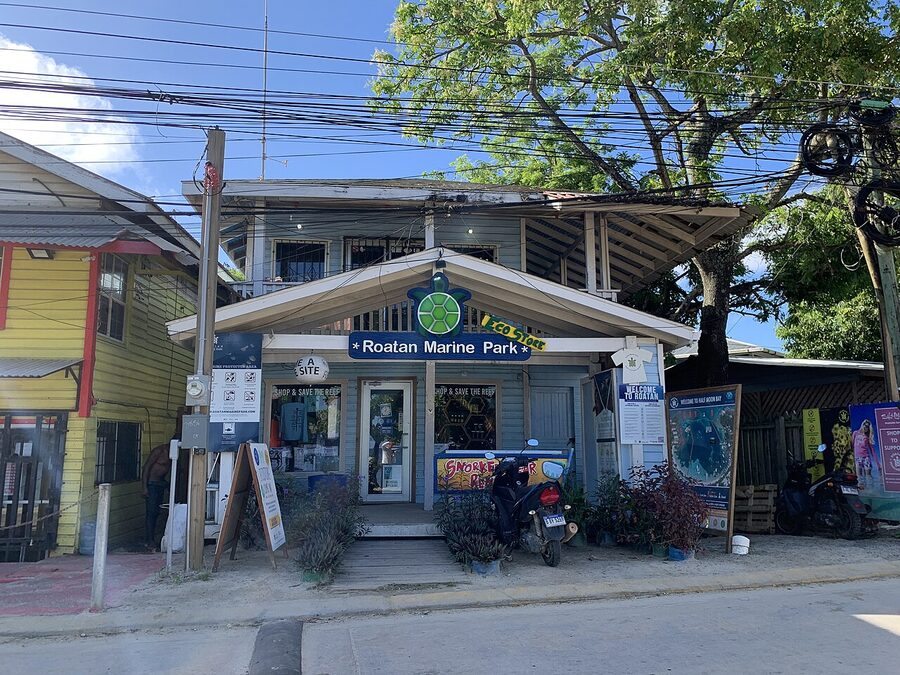
Lionfish are invasive in the Caribbean and have wrecked native fish populations because they have no natural predators. Spearfishing is otherwise illegal inside the marine park, but the Roatán Marine Park runs a workshop on Mondays and Wednesdays at 4pm where you learn to identify and safely spear them, get a Bay Islands Lionfish Spearing Licence, and contribute to a real conservation effort. Cost is about US$70 including the spear. You need three or more divers to head out together; most of the dive shops will host you. They taste excellent: try them as ceviche or coconut-fried fingers at La Sirena de Camp Bay if you make it east.
The Beaches Beyond West Bay
Camp Bay Beach
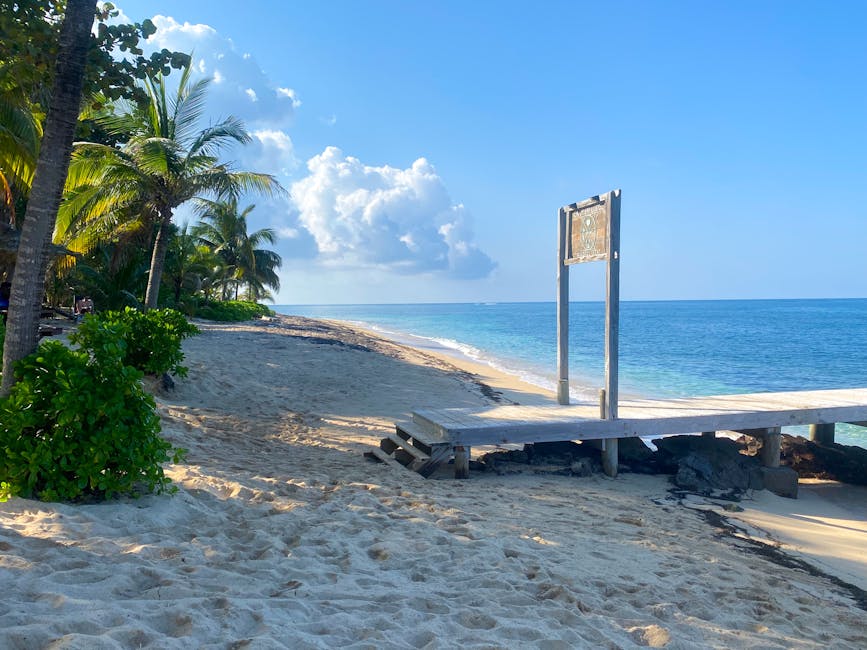
If West Bay is the postcard, Camp Bay is the screensaver you forgot to change. It sits on the far east side, takes about ninety minutes to drive from West End, and the last ten kilometres are gravel that rattles your teeth in a sedan. With a 4×4 it’s fine. The beach itself is about a mile and a half of empty white sand fringed by palms; you’ll share it with a handful of locals and maybe one other foreign couple. No infrastructure: pack water, pack snacks, and lunch at La Sirena de Camp Bay or Camp Bay Lodge. La Sirena is run by an owner called Walter on a wooden deck out over the water. Hummingbirds drink from the feeders, the menu is what they caught that morning, and the lionfish ceviche is the thing to order. Camp Bay Lodge does a US$20 minimum-spend day pass that gets you the chairs and the beach.
Half Moon Bay and Playa West End
The two free, walkable, no-fuss beaches in West End. Half Moon Bay is the curved one in the centre with the iSoar Fun Boat anchored offshore (a repurposed sailboat with rope swings, free to climb on). Playa West End is the smaller patch a bit further south, often empty even in February peak, with palms and fallen logs that work as backrests for sunset.
The Animal Tourism Question
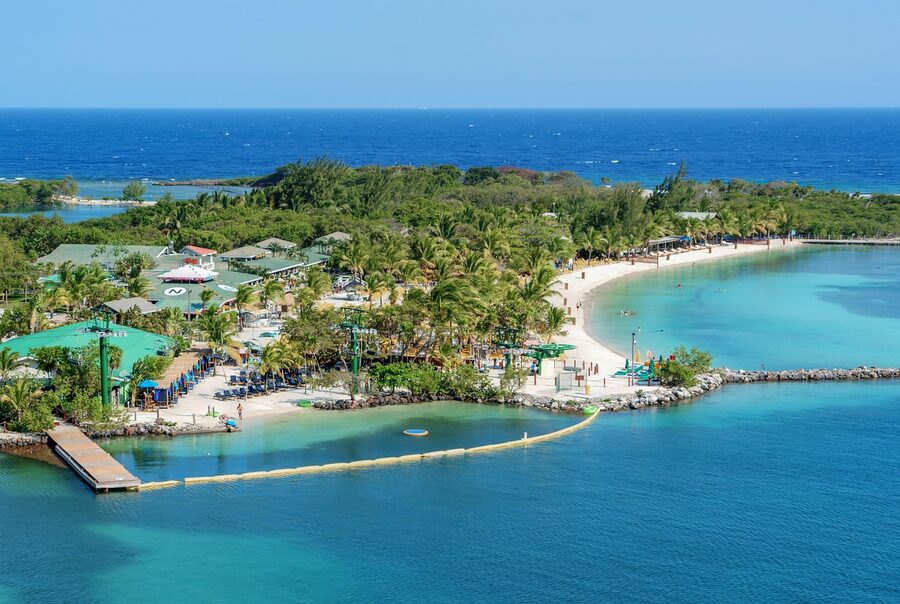
This is the part of writing about Roatán I find most depressing, and the bit you most need to read. The cruise ship industry has spawned an ecosystem of “wildlife encounters” on the island that range from poorly run to flatly cruel, sold to first-time visitors as nature experiences.
The blunt list of things to skip:
- Anthony’s Key dolphin programme (marketed as the Roatán Institute for Marine Sciences). Dolphins penned in netted-off cages, billed as wild because the pen is in the sea. It isn’t.
- Daniel Johnson’s, AJ’s Monkeys and Sloths, Gumbalimba Park, Mayan Eden, Arch’s Iguana & Marine Park. All sell photo ops with sloths, monkeys, iguanas, and macaws. Sloths are stressed by handling; the rest are caged for tourist convenience. Some have rebranded as “sanctuaries” and a few will tell you the animals are rescues, which may be partly true; that does not make holding them ethical.
- Little French Key and Maya Key. Day-pass beach clubs that run on-site animal “sanctuaries” with caged jaguars and exotic birds. The beaches are nice. The animal welfare isn’t.
- The baited shark dive at the Waihuka Dive Center. The only operator on the island actively chumming the water. Tightly regulated but ecologically dubious; the chumming has changed the sharks’ range and they no longer turn up at other dive sites where they used to be common.

What to do instead: dive or snorkel and you’ll see plenty of wildlife in the wild. Spearhunt lionfish through the marine park if you want a hands-on conservation experience. Carambola Botanical Gardens if you want a forest hike. Macaw Mountain in Copán Ruinas on the mainland is a genuine sanctuary for rescued macaws (no holding, no posing). It’s the answer when someone in your group says they really want to see a parrot.
Day Trip to Cayos Cochinos
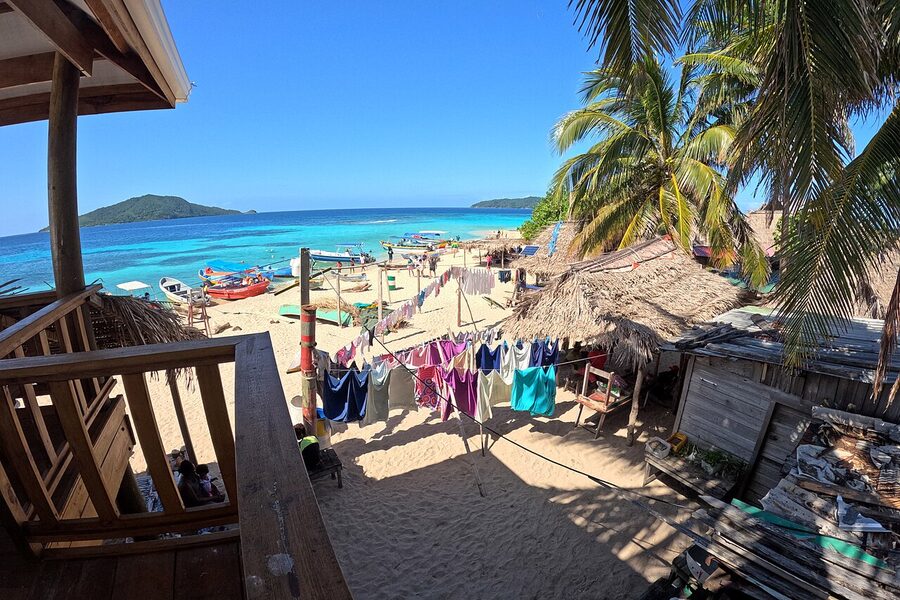
If you have a free day and the weather is calm, this is the best one to give it to. Cayos Cochinos is a tiny archipelago about 40 km south of Roatán, two larger islands plus thirteen cays, declared a marine protected area in 1994 with development locked down ever since. About a hundred permanent residents, a Garifuna village on Chachauate, and reefs that haven’t been crowded since well, ever.
The boat ride takes one to three hours each way depending on the sea, which is why you book this early in your stay so you have flexibility to push if conditions are rough. Ruthless Roatan Charters is the operator most travellers end up with; they run weather-cautiously and will reschedule if the swell is wrong. Expect snorkelling at two or three reefs, lunch on Chachauate, and a stop at Cayo Privado on the way back. Bring a hat with a chin strap and motion sickness tablets; the ride out can be choppy.
Garifuna Punta Gorda and the East End
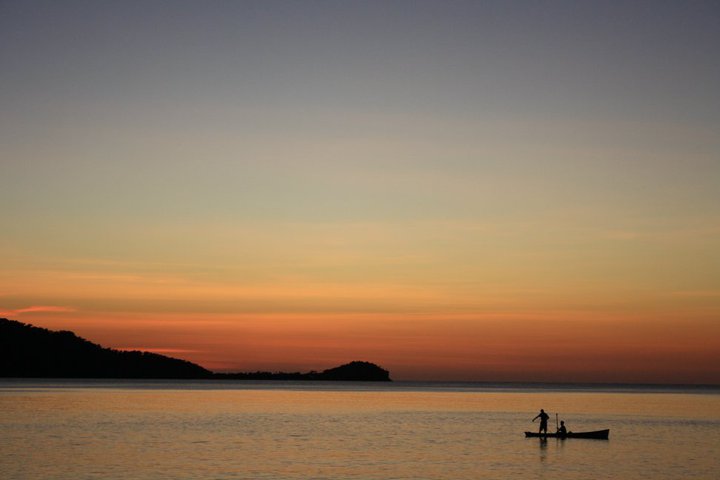
An hour east of West End by car, the village of Punta Gorda is the spiritual centre of Garifuna culture on Roatán. The Garifuna are an Afro-Indigenous community with origins in St Vincent, deported by the British to the Bay of Honduras in 1797, now spread along the Caribbean coasts of Honduras, Belize, Guatemala, and Nicaragua. They have their own language (Garifuna, listed by UNESCO as a Masterpiece of the Oral and Intangible Heritage of Humanity), their own music, and their own food.
The Garifuna Cultural Centre is where to start. Ideally come on a Sunday afternoon: the village hosts a weekly drumming and dancing event and the food stalls are out, including tapado (a coconut-milk seafood stew that is the Garifuna national dish) and machuca (mashed green plantains with crab or fish broth). Other days the centre is sometimes closed without notice; don’t drive out for it on a Tuesday morning unless you’ve called ahead. Combine with Camp Bay Beach in the same day if you’ve rented a car. A half-day with a driver runs about US$80 to US$120.
Eating in West End
Honduran food is straightforward, good, and you should eat it. The signature is the baleada, a thick handmade flour tortilla folded around refried beans, crumbled salty cheese, and mantequilla (Honduran sour cream). Basic versions are just that; loaded versions add scrambled eggs, avocado, chorizo, or shredded chicken. US$1.50 to US$3 each at a comedor, more at a restaurant.
Calelu’s on the West End main road is the place that comes up in every traveller’s notes. Tiny spot, plastic chairs, baleadas at US$2 to US$3, open 7am to 10pm. If you eat one thing on Roatán, eat a Calelu’s baleada. Sandy Buns Bakery does Texas-portion American breakfasts and a cinnamon roll worth setting an alarm for; arrive by 9am or they sell out. Loretta’s Island Kitchen serves home-style coconut fish and lobster pasta, the best stew chicken in town, and a level of conversation with Loretta herself that becomes part of the meal.
For breakfast: Café Escondido (above a dive shop, “Tank Filler” plate, banana pancakes), Café de Palo (north end, garden tables, pricier), Bean Crazy (Wi-Fi cafe vibe, more expensive than it deserves). For dinner: Ginger’s Caribbean Grill on the beach (catch of the day, US prices, worth it), The Lily Pond House Restaurant (eccentric in a good way, bats part of the decor), Anthony’s Chicken (criminally undervisited, jerk chicken with rice and beans for half what other places charge), Stowaway (Spanish-Caribbean tapas, ceviches), Yahongreh? (best baleadas after Calelu’s, breakfast and lunch, closed Mondays). The Drunken Sailor does pasta. The Shack, an Airstream off the main road, does the only proper barbecue on the island.
The Roatan Chocolate Factory runs a free tour, sells single-origin Honduran cacao bars, and serves carmelitas (sticky caramel-and-chocolate squares) downstairs. Their Indian lunch menu is randomly excellent. The Roatan Rum Company distillery is up the hill on Tamarind Drive between West End and West Bay; tastings include flavoured rums and rum cake. Roatan Brewing Company in French Harbour does a Sunday Funday with a craft market once a month.
Sundowners and Frank’s
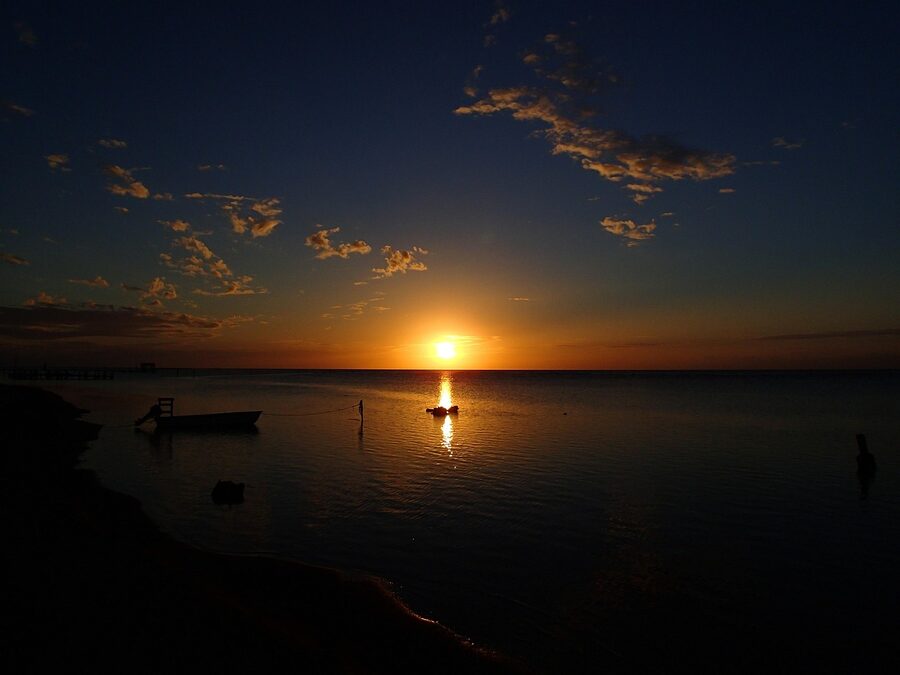
The two West End bars worth knowing. Sundowners Beach Bar is the sunset hangout, happy hour 4 to 6pm, mixed crowd of expats and travellers and the occasional dive instructor still in their wetsuit. The vibe gets American-redneck-old-expat by 9pm so come early, leave for dinner, come back if you must. Frank’s Pub (locals call it “the Pub”) is the dance floor. Thursday is karaoke at Blue Marlin. That is West End nightlife in three sentences.
Getting There
Flying in
Juan Manuel Galvez International (RTB) is the only airport on the island, a single runway about a kilometre west of Coxen Hole. Direct flights run from Miami, Houston, Dallas-Fort Worth, Atlanta, Denver, Minneapolis, and Toronto in the high season (December to April), thinning out the rest of the year. American, United, Delta, and Air Canada Rouge are the regular carriers. You can also fly in from San Pedro Sula on CM Airlines or Aerolineas Sosa, a 35-minute hop costing US$80 to US$140. If direct flights from your home airport are pricey, fly into San Pedro Sula (SAP) and connect; total often beats a direct fare.
Taxi fares from RTB are government-set: US$20 to West End, US$25 to West Bay, US$15 to Sandy Bay, US$10 to Coxen Hole. Sounds like a lot for a 15 to 20 minute drive, but those are the official numbers.
The ferry from La Ceiba
The Galaxy Wave catamaran from La Ceiba runs twice daily, takes about 1 hour 15 minutes, and costs US$36 one way in regular class or US$41 first class. La Ceiba has a small airport (LCE) with cheap connections from Tegucigalpa and SAP, plus shuttle and bus links from the rest of the country. The crossing can be rough; if you’re prone to seasickness, take a Dramamine an hour before and sit on deck rather than below. The Utila Dream ferry connects directly between Roatán and Utila once a day, leaving Roatán at 2pm and Utila at 10:20am, around US$30 each way.
Cruise port
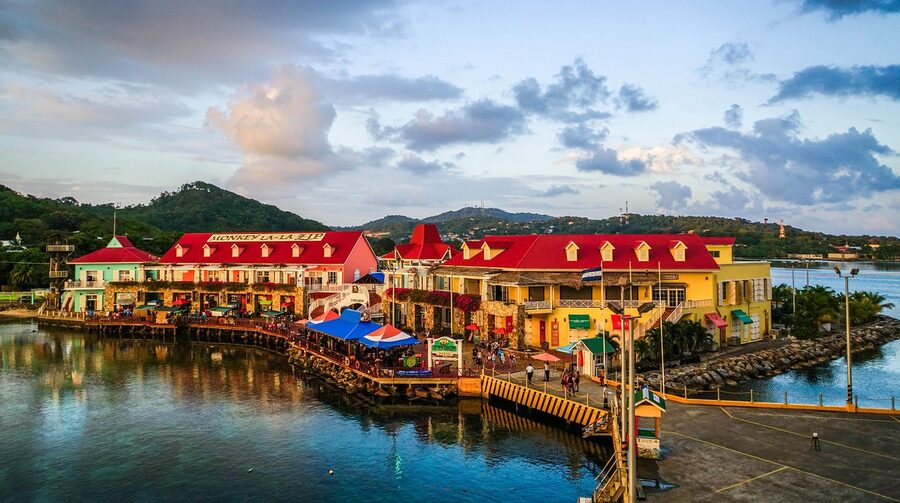
Most visitors actually arrive on a cruise ship docking at either Coxen Hole Cruise Port or Mahogany Bay (about a mile apart, run by different cruise lines). Ships are in port 8am to 5pm. If you have one day off the boat: water-taxi or shuttle to West Bay first thing, snorkel until 1pm, eat lunch at Bananarama, head back via Coxen Hole around 3pm. Skip the on-ship excursions and book independently; you’ll save money and avoid the animal-tourism options the cruise lines push hardest.
Getting Around the Island
No Uber. The options:
- Water taxi. Best way between West End and West Bay: US$3 per person each way in groups, US$10 official solo rate (negotiable to US$6 if quiet). Main dock by Calelu’s. Don’t run after dark.
- Colectivo (mini-vans). Cheapest option. 20 to 60 lempiras (under US$2) between towns. Routes not clearly mapped; ask a local where to flag one. Early morning to dusk only.
- Taxi. White cars with yellow numbers on the doors. No meters, agree the fare first. West End to West Bay is US$5 to US$8, West End to Coxen Hole US$10. Drivers pick up other passengers going the same direction; price doesn’t change.
- Rental car. Worth it for East End days (Camp Bay, Punta Gorda). Otherwise skip. US$45 to US$70 per day for a small car, more for a 4×4. Drink-driving is a known issue; if you’re in West End or West Bay you’ll want to drink, so don’t drive.
- Walking. Within West End, just walk. The town is one road, one mile long. The path between West End and West Bay is technically possible (about 45 minutes) but locals warn against it after dark; isolated stretches have had occasional muggings. Daytime is fine if you’re not alone.
When to Go
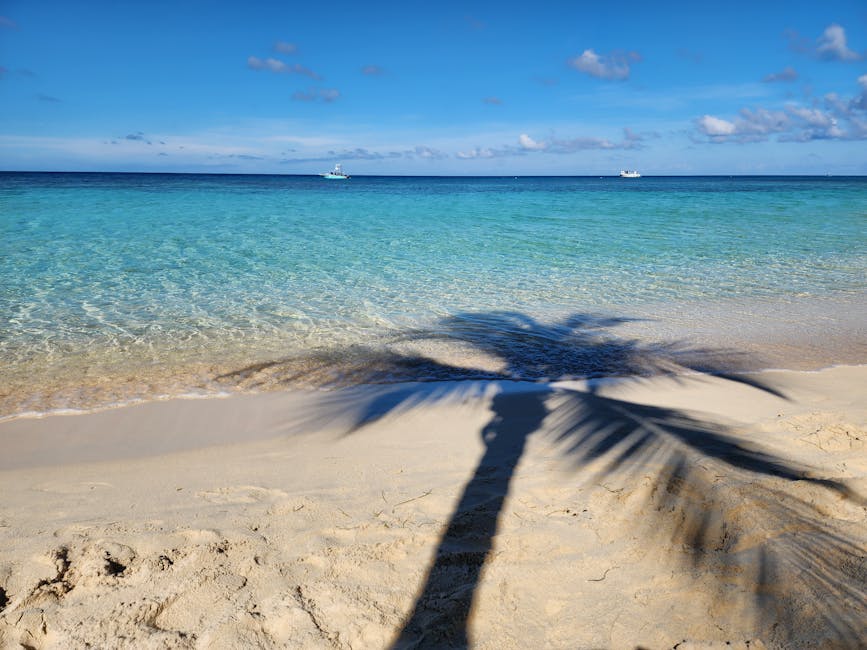
The dry season runs February to June and is the right answer for most travellers. February and March are reliably sunny, water calm, vis on the reef at its best, the island still green. By May and June it’s drier and a bit dustier but the weather is still excellent.
July to August is a small second peak, mostly families. September to November is hurricane season; Roatán doesn’t get hit often (the island sits south of the main track) but storms roll through and rain can be relentless for days at a time. Prices drop and the island empties out. October can be a bargain if you’re flexible. December and January are the holiday peak: prices spike, accommodation books out weeks ahead, weather generally good but unsettled cold fronts (“nortes”) push down from the US Gulf. Book early.
Safety, Without the Hype
The internet is full of “is Honduras safe?” panic posts. The answer for Roatán is yes, very. Crime stats on the island are far below mainland Honduras and below most US cities. The main hassles are petty theft from unattended bags on the beach and occasional taxi over-charging at the airport (use the government rates above). After dark in West End, walk in pairs, stick to the main road, and don’t take the West End to West Bay coastal path solo.
Mainland Honduras is more nuanced; Tegucigalpa and San Pedro Sula have real reputations and you should read the country pages before you go inland. But “Honduras” and “Roatán” are functionally different places, and the dive-bums-and-expat-retiree economy on the island has been stable for thirty years. Official advisories: travel.state.gov and gov.uk/foreign-travel-advice/honduras. The State Department’s most recent guidance specifically distinguishes Roatán and the Bay Islands from mainland advisories.
Tap water and bugs
Don’t drink the tap water. Most accommodations supply a 5-gallon dispenser; if yours doesn’t, bottled water is everywhere for 25 to 35 lempiras. Sand flies are real on the East End beaches in particular. DEET repellent or a thicker oil-based one (locals swear by baby oil mixed with Skin So Soft) keeps them off; if you forget, the bites itch for days.
How Long to Stay
Five days is the minimum that makes the flight worth it. Seven to ten lets you mix dive days, beach days, and one east-side excursion without feeling rushed. Two weeks is good if you’re getting certified, want to dive most days, plus Cayos Cochinos and weather flex.
If you’ve also got time for Utila, three nights there fits cleanly between four to seven on Roatán. The Utila Dream ferry makes the swap easy. For a longer Honduras loop, see the country guide for how Roatán links up with Copán Ruinas on the western mainland; islands plus Mayan ruins makes an excellent two-week trip without ever setting foot in the bigger cities. For accommodation across the region, the where to stay archive covers other Honduras and Central America destinations, and more Honduras-specific articles sit in the Honduras category.
What I’d Tell a Friend
Where to spend a week in Honduras if they don’t dive: Roatán, four nights in West End, two in either West Bay (resort experience) or Camp Bay (quiet). Budget diver: send them to Utila first. Ten days: Roatán plus three nights on Utila plus a flight to Copán Ruinas for the ruins.
Don’t: book the cruise-line shore excursions, hold a sloth, swim with the captive dolphins, or pay sticker price for the day passes. Do: spend most of your time in the water, eat at Calelu’s at least three times, find your own sunset spot on Playa West End, and accept that you’ll fly home with a small pile of unspent lempiras and a sunburn line where the rash guard ended.


.jpg)


