
The first thing most people tell you about Honduras is what they’ve heard about Honduras. The murder capital line. The State Department warnings. The friend of a friend who got robbed in San Pedro Sula in 2013. Most of it is older than the kid taking your fare on the chicken bus.
Here’s what’s actually true. Honduras has the cheapest PADI Open Water on the planet, two of the best Caribbean islands in Central America, the most under-visited Mayan ruins in the Maya world, a national park where you raft Class IV whitewater out of cloud forest, and a lake whose D&D Brewery breakfast might be the best three dollars in the region. It also has cities you treat like cities. Both true. The decade-old framing is the lazy part.
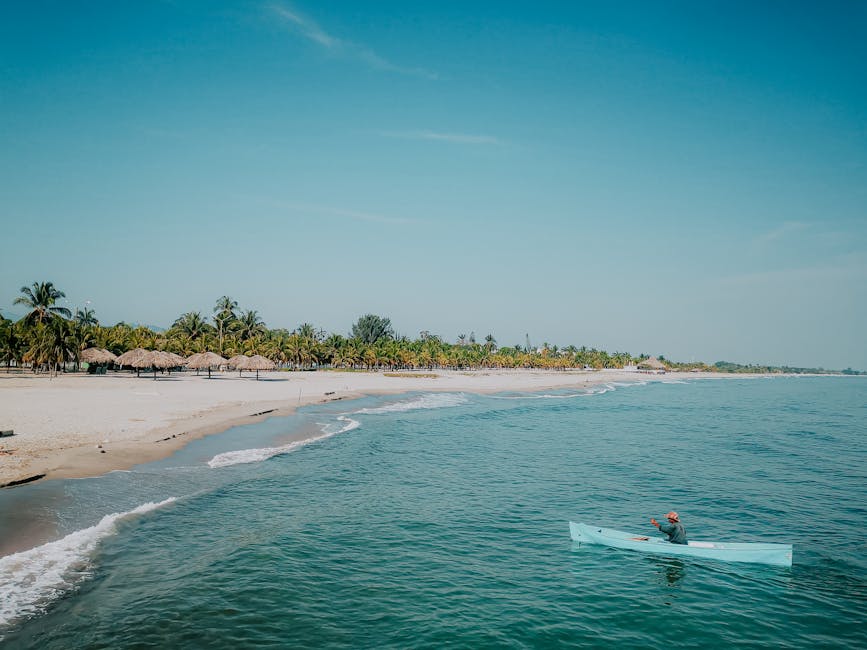
This is the country guide for the practical traveller. Where to go and how long, when not to bother, where to take a shuttle instead of a chicken bus, and how to read a safety advisory without letting it run your trip. Destination guides for each major place are linked through as you plan: Roatán, Utila, Copán Ruinas, Tegucigalpa, and San Pedro Sula.
In This Article
- The country in one paragraph
- The five regions, briefly
- The Bay Islands (Roatán, Utila, Guanaja)
- The north coast (La Ceiba, Tela, Trujillo, Pico Bonito)
- The western highlands (Copán, Santa Rosa de Copán, Gracias)
- The central highlands (Tegucigalpa, La Tigra, Valle de Ángeles)
- The Pacific south (Choluteca, Isla del Tigre, Amapala)
- The safety question, with current numbers
- When to go
- How long do you need
- Getting there and getting around
- Copán: the Maya site that doesn’t get its due
- Diving the Bay Islands: the cheapest PADI on the planet
- Lago de Yojoa, the lake everyone passes
- Pico Bonito and the Cangrejal Valley
- Cayos Cochinos and the smaller archipelagos
- Tegucigalpa: a city, treated like one
- Food, briefly
- Money, language, visas, and the boring bits
- Garifuna, briefly
- Wildlife and the macaws
- Crossing into Honduras from elsewhere
- Costs, in lempiras, on a normal day
- What to skip
- The summary nobody asks for
The country in one paragraph
Honduras sits between Guatemala and Nicaragua with a long Caribbean coast and a small Pacific corner on the Gulf of Fonseca. Capital: Tegucigalpa. Larger commercial city: San Pedro Sula. Currency: the lempira (L), roughly 25 to the dollar, often quoted in USD on the Bay Islands. Spanish is official; English is everyday on Roatán and Utila courtesy of British colonial history; Garifuna in pockets along the north coast. Honduras is part of CA-4 with Guatemala, El Salvador, and Nicaragua: one 90-day stamp covers all four combined. Dry season December to April, rainy season May to November, hurricane risk on the Caribbean side June through November.
The five regions, briefly
The Bay Islands (Roatán, Utila, Guanaja)
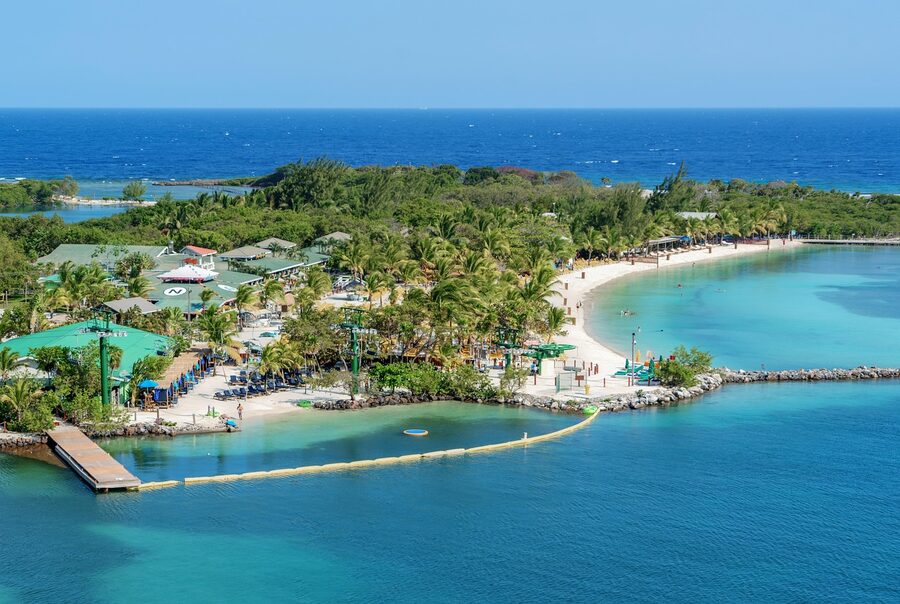
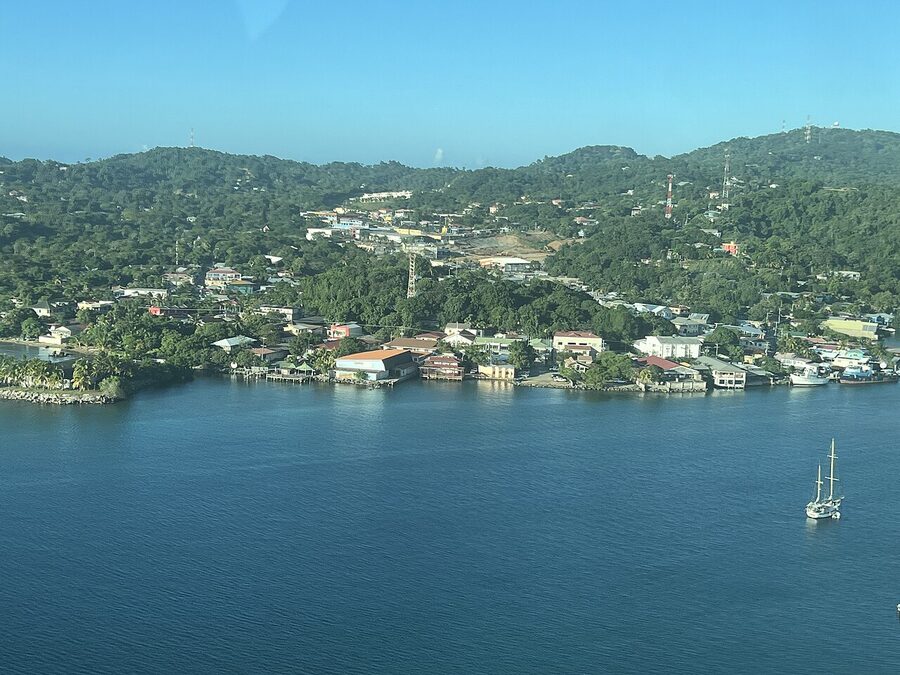
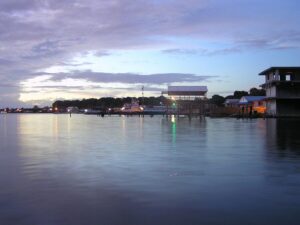
This is the reason most people fly into Honduras at all. Three islands on the Mesoamerican Barrier Reef, with English as the everyday language. Roatán is the largest and busiest, with the cruise port at Coxen Hole and the postcard sand at West Bay Beach. Utila is smaller, scrappier, cheaper, and has the densest concentration of dive shops in the region; if you came to learn to dive on a budget, this is the island. Guanaja is the third and gets almost nobody, which is its appeal if you have time and the budget for a private boat charter.
The north coast (La Ceiba, Tela, Trujillo, Pico Bonito)
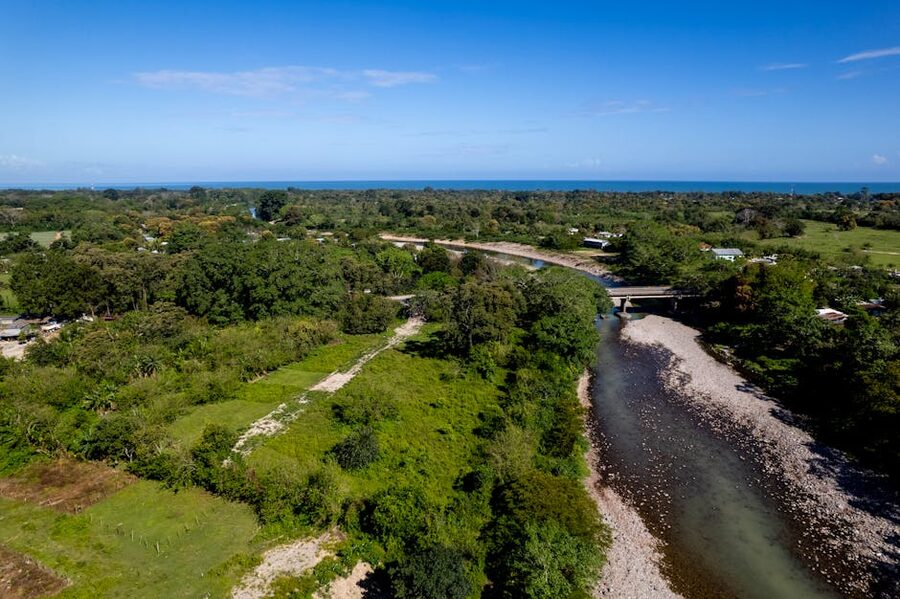
La Ceiba is the ferry hub for the Bay Islands and most travellers transit through without stopping. That’s a mistake. Twenty minutes out of town, the Cangrejal River runs Class II to Class V whitewater out of Pico Bonito National Park, the eco-lodges along the river are some of the best-value jungle stays in Central America, and the trails climb into proper cloud forest. Tela, an hour west, has the kind of long Caribbean beach the islands lack, the Lancetilla Botanical Garden (the second largest in Latin America), and the closest accessible Garifuna communities. Trujillo, further east, is where Christopher Columbus landed in 1502; the old Fort Santa Bárbara still sits above the bay.
The western highlands (Copán, Santa Rosa de Copán, Gracias)
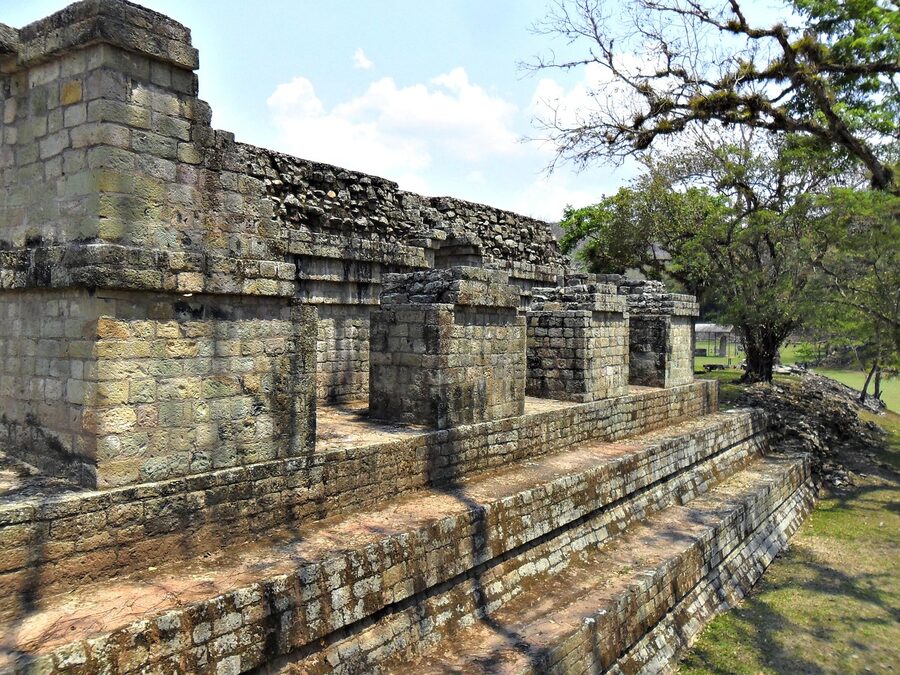
This is the corner most travellers see if they’re crossing overland from Guatemala via the El Florido border. Copán Ruinas, the small town next to the archaeological site, is walkable, low-key, and one of the most pleasant overnight stops in the country. The ruins are a UNESCO World Heritage Site and one of the four major Maya cities alongside Tikal, Palenque, and Calakmul. South of Copán, the colonial towns of Santa Rosa de Copán and Gracias have hot springs, cigar factories, and proper Spanish-speaking Honduras without the language flip you get on the islands.
The central highlands (Tegucigalpa, La Tigra, Valle de Ángeles)
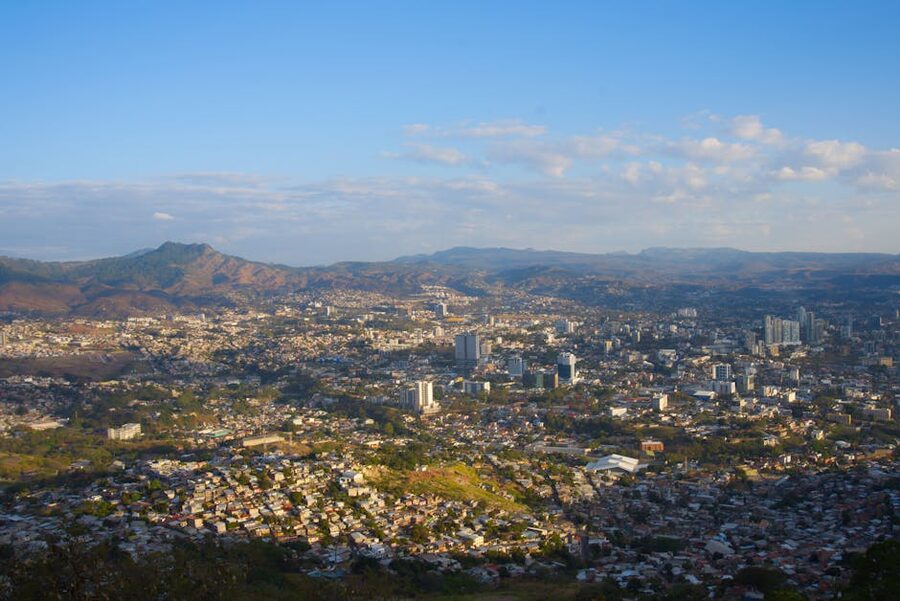
Tegucigalpa is the capital and where the embassies, the international airport TGU, and most of the country’s institutional weight sit. Stay in Colonia Palmira or Lomas del Mayab, use Uber, skip the bus terminal area at night. La Tigra National Park is 30 minutes out of town by colectivo with real cloud forest you can hike before lunch, and Valle de Ángeles is the colonial day trip everyone in Tegus does on a Sunday. Comayagua, two hours north, is the actual colonial city of central Honduras and has the oldest working clock in the Americas in its cathedral tower.
The Pacific south (Choluteca, Isla del Tigre, Amapala)
This is the corner of Honduras almost no foreign traveller visits. The Pacific coast is short, hot, and dry, with Choluteca as the regional capital and the volcanic Isla El Tigre sitting in the Gulf of Fonseca where Honduras, El Salvador, and Nicaragua meet at sea. If you’ve already done the islands and the highlands and you have an extra five days, this is where to go. If you have ten days total, skip it.
The safety question, with current numbers
You can’t write a Honduras guide without addressing this. Here’s the version with numbers attached.
Honduras held the world’s highest homicide rate per capita from roughly 2011 to 2014. That period is over. The national homicide rate has fallen by more than half since the peak; figures from the Observatorio Nacional de la Violencia put the 2023-2024 rate at around 30 per 100,000, down from 86 in 2011. That’s still high by Western standards. It’s lower than Jamaica and roughly comparable to Belize. Most of the violence is concentrated in specific neighbourhoods of San Pedro Sula, the capital’s outer barrios, and gang-active border zones, none of which appear on a tourist itinerary unless you go looking. The US State Department has Honduras at a Level 3 advisory; the UK FCDO has more granular regional guidance and is the better read of the two.
The practical version.
- The Bay Islands are different. Roatán, Utila, and Guanaja sit at petty-crime levels closer to a Caribbean resort than to the mainland. You can walk West End at midnight. You should still lock your stuff up.
- Cities are where the issues live. In Tegus, that’s Comayagüela across the river, the area around Mercado San Isidro, and the outer-ring colonias. In San Pedro Sula, Chamelecón, Rivera Hernández, and the streets south of the old railway line.
- Use Uber after dark in both major cities. Both have a long history of street-taxi muggings.
- Don’t drive at night. Unlit highways, livestock on the road, and slow trucks with no rear lights. Daylight only.
- Don’t hike alone in the parks. Pico Bonito and Cusuco are spectacular and remote. Hire a guide; most lodges arrange them.
- Chicken buses are fine on well-travelled routes during the day. San Pedro to La Ceiba, Tegus to Lago de Yojoa, Copán to Santa Rosa, all routine. Late buses, isolated routes, and overnight services are the ones to skip.
The single most useful sentence I can give you on Honduran safety: tourists are not the targets. Petty theft is the realistic risk and it’s mitigated by ordinary city sense. The serious violence is between specific groups in specific neighbourhoods you have no reason to visit.
When to go
Dry season runs December through April. High season, diving visibility tops out around 30 metres on the islands, Pico Bonito’s trails are passable without a 4×4, and Roatán prices run 20 to 30 per cent above the rest of the year. Book Roatán a month out for late December and Easter week.
Rainy season is May through November. Mainland rain typically arrives in the late afternoon, lasts an hour or two, and clears, so you can plan around it. The Caribbean coast and Bay Islands have a slightly different pattern; their wettest stretch is September into early February, often running later than the mainland. The window most travellers underestimate is February through early June, when the islands are dry and the mainland is still mild.
Hurricane season runs June through November and matters most for the Caribbean coast. Major hurricanes are uncommon (the 2020 Eta and Iota pair was the worst in two decades), but tropical storms can shut down ferries and flights for two or three days at a stretch. Build in a buffer for September-October bookings.
How long do you need
This is the question that ruins more Honduras trips than safety does. People try to do too much.
- 5 to 7 days, divers only: fly into Roatán (RTB) or Utila via San Pedro Sula, dive for five days, fly home. Cheapest itinerary and the one most first-timers actually want.
- 7 days, classic: Roatán plus Copán. Fly into RTB, three nights on the island, ferry to La Ceiba, Hedman Alas to Copán via San Pedro, two nights at Copán, fly home from SAP. Doable but tight.
- 10 to 14 days, the proper loop: Roatán to Utila to La Ceiba to Pico Bonito to Lago de Yojoa to Copán to Antigua across the border. This is the trip the country deserves. The mainland leg from La Ceiba to Lago de Yojoa is one of the most scenic stretches of road in Central America.
- 3 weeks plus: add the Pacific south, the Cangrejal Valley jungle lodges, a Garifuna village stay near Tela or Trujillo, and Comayagua for the colonial Honduras most itineraries skip.
If you only have a long weekend, fly direct to RTB, dive twice, and don’t pretend you saw the country. You saw a Caribbean island that happens to be Honduras.
Getting there and getting around
The two main airports are TGU (Tegucigalpa) and SAP (San Pedro Sula). RTB on Roatán handles direct flights from Houston and Miami in high season plus a few European charters in winter. If your trip starts on the islands, fly into RTB. If your trip starts on the mainland, SAP is the better airport because it’s flatter, newer, and connects more cleanly to Copán, La Ceiba, and the bus network. TGU is a tight mountain-rim landing strip with a short runway; the airline pilots talk about it.
From SAP, three onward options matter: Hedman Alas direct to Copán Ruinas (about four hours), inter-city bus to Tegucigalpa via the highway past Lago de Yojoa (four hours), and the ferry via La Ceiba (three hours by bus to the Muelle de Cabotaje, then 75 minutes on the Galaxy Wave catamaran to Roatán or 60 to Utila).
Inside the country, the moving options stack roughly like this.
- Tourist shuttles (Rooney Shuttle is dominant) for border crossings and long hauls: Antigua-Copán, Antigua-La Ceiba, León-Lago de Yojoa. Bookable through Bookaway. Quicker and safer than chicken buses at three to five times the price.
- Hedman Alas premium domestic, separate ticketed terminal in SAP, assigned seats. Worth the extra on the Copán run.
- Transportes Cristina for direct mainland routes (SAP-La Ceiba, Tegus-La Ceiba).
- Camionetas (chicken buses) for short hops and rural routes. A third of a shuttle’s price, slower, daylight only.
- Galaxy Wave ferry La Ceiba to Roatán and Utila. Buy at the Muelle, not online.
- Uber in Tegucigalpa and SAP. No Uber on the islands.
- Tuk-tuks in Utila, Copán Ruinas, smaller north coast towns. 30 to 50 lempiras for short hops; agree the fare before you get in.
- Domestic flights via CM Airlines and Aerolíneas Sosa link SAP, La Ceiba, RTB, TGU. 2,500 to 4,500 lempiras one-way.
I wouldn’t rent a car unless you have a specific need to reach a remote village or a Cangrejal jungle lodge. Road conditions, night driving, and parking theft make it worse than buses for almost every itinerary.
Copán: the Maya site that doesn’t get its due
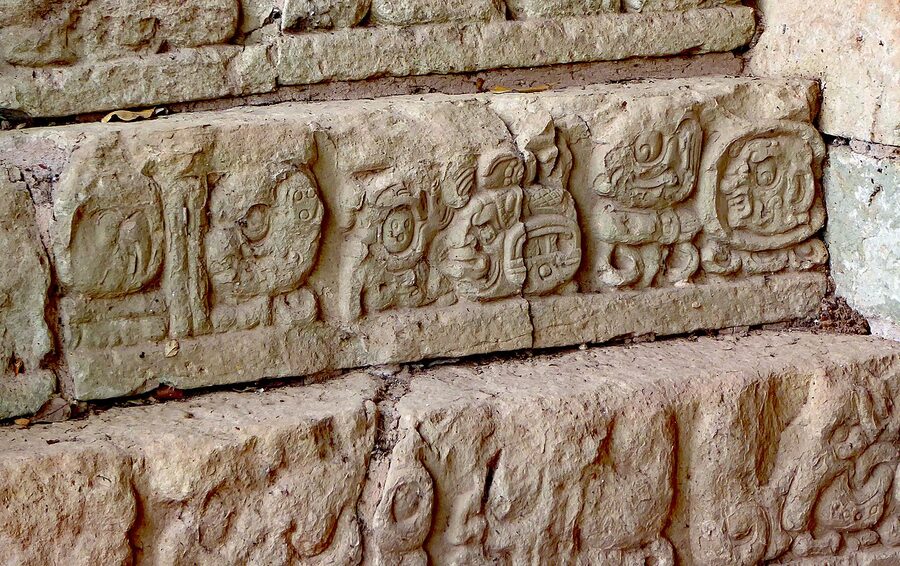
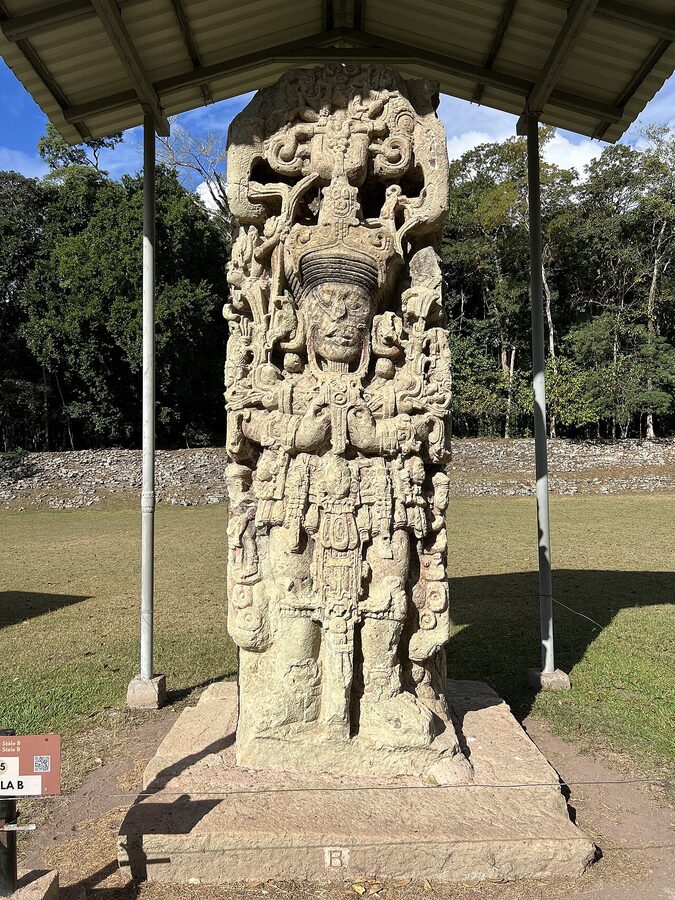
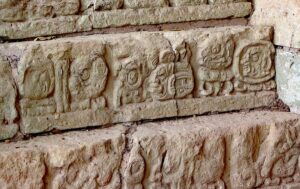
Most travellers do Tikal. Some do Palenque. Almost nobody adds Copán, which is a mistake because Copán is where Maya carving peaked. The stelae are the most ornate in the Maya world. Altar Q in the Sculpture Museum lists the entire dynastic line, sixteen rulers founder to last, on its four sides. The Acropolis tunnel runs underneath an earlier temple. The Hieroglyphic Stairway, 2,200 glyphs forming the longest Maya text known, is worth flying in for.
Practical bits. The site opens at 8am; arrive by 8.15 because the morning macaws fly through and the tour buses don’t show until 10. Pay the extra 540 lempiras for the Acropolis tunnels, skip Las Sepulturas unless you’re an archaeology obsessive, and absolutely go to the Sculpture Museum on the way out. The Rosalila temple replica inside is one of the best museum installations in Latin America. The town of Copán Ruinas itself is a five-minute walk from the entrance and one of the most pleasant small towns in Honduras: cobbled streets, working central plaza, real restaurants, prices the lowest of any tourist destination in the country.
Diving the Bay Islands: the cheapest PADI on the planet
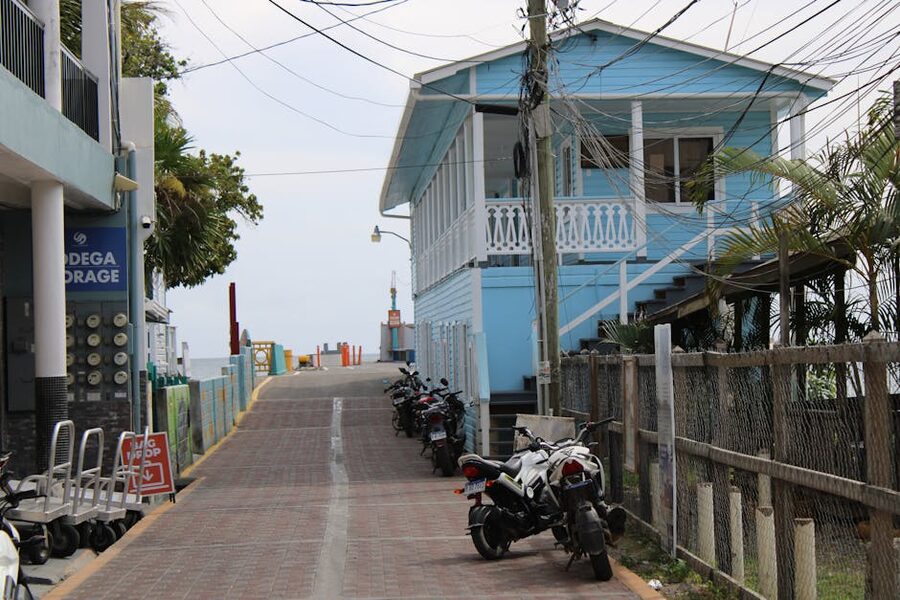
Both Utila and Roatán sit on the southern Mesoamerican Barrier Reef, second-longest in the world. The reefs are healthy, water is warm year-round, dry-season visibility tops 30 metres, and certification packages are some of the cheapest globally. Open Water on Utila runs 7,500 to 9,500 lempiras with three or four nights of dorm accommodation included. Advanced adds another 4,500 to 6,500. Fun dives bottom out around 950 to 1,200 lempiras per tank for a ten-pack.
Utila is where you go to learn or dive on a budget; the shops compete on the same single road, the prices are aggressive, the social side is strong, and the island is small enough that a week is plenty. Roatán is where you go if you’re already certified and want better island life, easier reef access (most West End and West Bay shops run boats off the beach), and the option of a proper Caribbean view. Non-divers should also go here; West Bay Beach is the postcard, and you can snorkel off it with parrotfish and the occasional eagle ray. Prices run 30 to 50 per cent above Utila.
The whale shark window on Utila runs March-April and August-September. Sightings aren’t guaranteed (this isn’t Donsol or La Paz), but the dive shops run dedicated trips and the boats radio each other when one shows. If a whale shark encounter is the trip-defining moment, build the trip around Utila in those windows.
Lago de Yojoa, the lake everyone passes
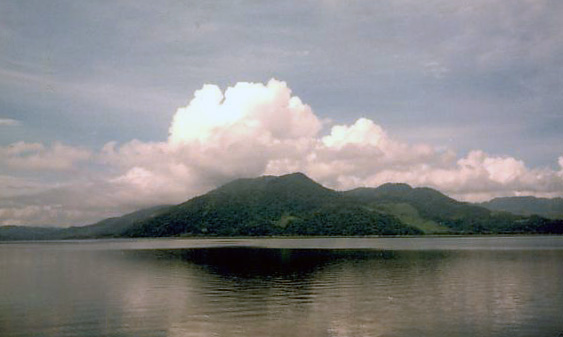
If you’re driving from San Pedro Sula to Tegucigalpa, you pass Lago de Yojoa, the largest natural lake in Honduras, surrounded by mountains and about 400 bird species. Most travellers wave at it from the bus. The ones who stay tend to stay longer than they planned. The reason is D&D Brewery and Lodge in Los Naranjos at the lake’s northern edge: a Honduran-owned brewery, lodge, and restaurant that put this region on the backpacker map twenty years ago and holds the position. Vegetarian options on the menu (rare on the mainland), the best craft beer in Honduras, and the staff arrange every activity worth doing within an hour of the lake. Two nights minimum.
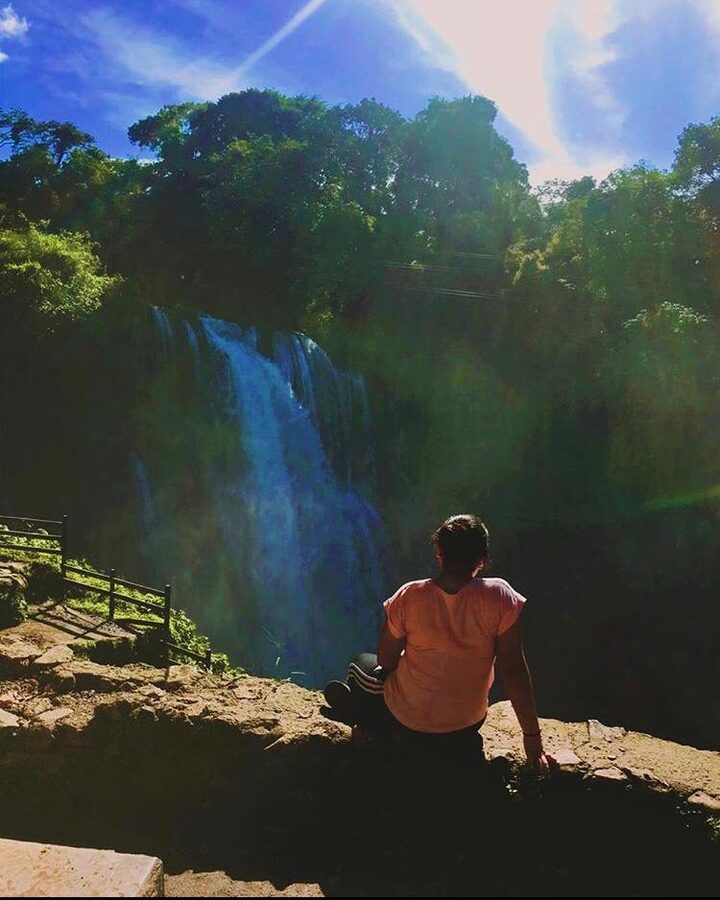
What to do. Pulhapanzak waterfall (43 metres, cave-walk behind the water for 120 lempiras plus a guide tip). The Caves of Taulabé an hour south. Coffee farm tours at Finca Las Glorias and the smaller producers; this is some of the better arabica in the region. Sunrise kayaking on the lake. Hiking Santa Bárbara peak at 2,744 metres for the fit. Swimming the natural pools at Los Naranjos Eco Park.
Pico Bonito and the Cangrejal Valley
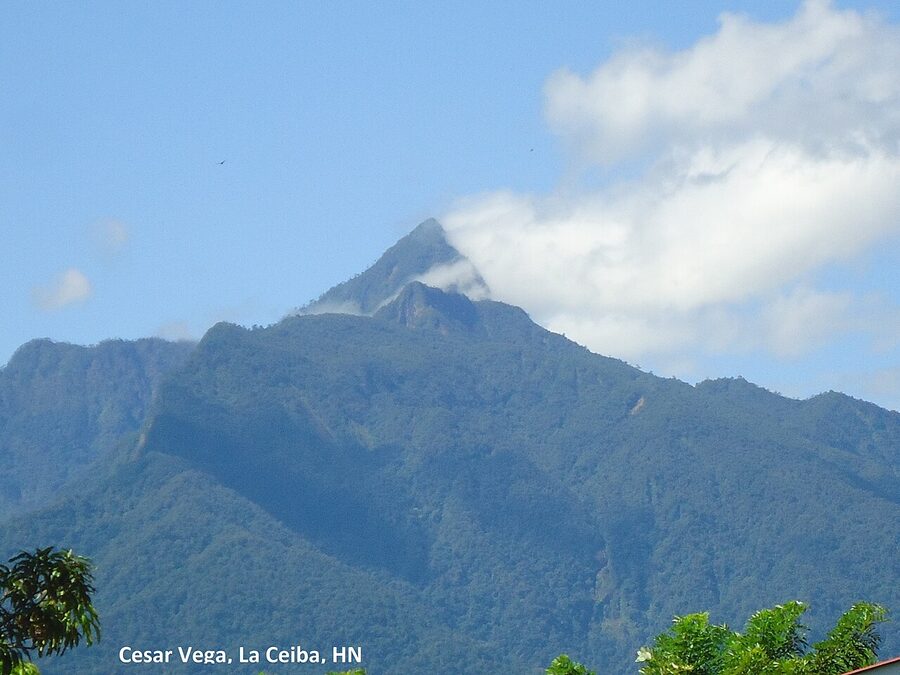
Pico Bonito National Park, behind La Ceiba, is the most accessible piece of serious cloud forest on the mainland. Over 100,000 hectares including the eponymous peak (2,436 metres). Most travellers don’t summit (it’s a multi-day expedition with guides), but the day-hike trails and the eco-lodges along the Cangrejal River are excellent.
The Río Cangrejal is the standout. Class II to Class V whitewater out of the park; half-day rafting runs 1,400 to 1,800 lempiras. Lower water means easier rapids and clearer swim holes; peak rainy season means Class V technical work. The river has a cluster of jungle lodges (Omega Tours, Jungle River Lodge, Las Cascadas) with private frontage and trail access. If hiking is the priority, the El Bejuco trail is the standard half-day, a steep route to a 60-metre waterfall, four hours round-trip if you’re reasonably fit.
Cayos Cochinos and the smaller archipelagos
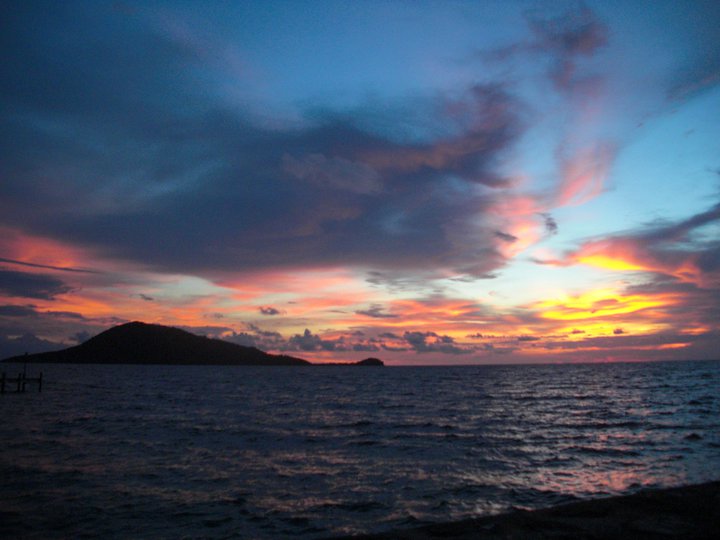
Between the Bay Islands and the mainland sit the Cayos Cochinos: two larger cays, twelve smaller ones, a Garifuna village on Cayo Chachahuate, and some of the best snorkelling on the reef system. Day trips run from Roatán’s West End (around 1,800 lempiras), Utila (around 1,500), and La Ceiba (around 1,200), and usually include a stop at Chachahuate for fried fish lunch, a snorkel at the lighthouse cay, and a swim at a sandbar. The water clarity is consistently excellent because the cays are a marine protected area. If you’re already on Roatán or Utila and the weather is clear, do it.
Tegucigalpa: a city, treated like one
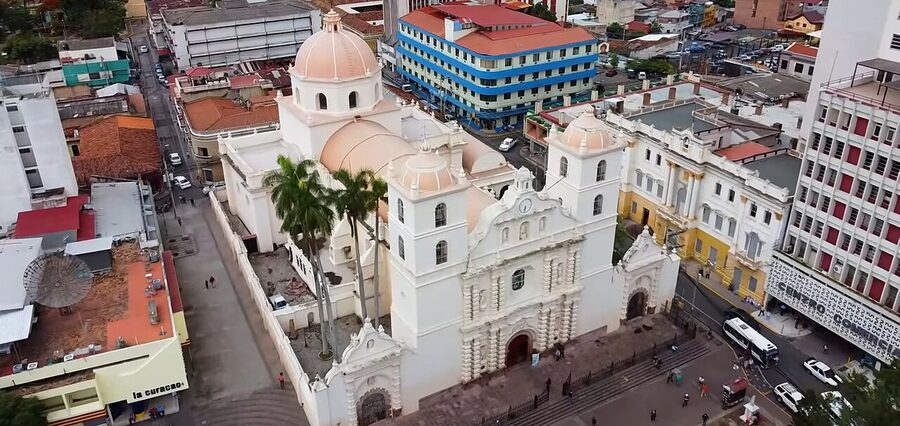
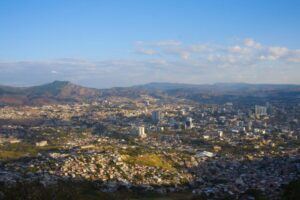
The dedicated Tegucigalpa guide covers the city in detail. Country-hub version: the capital is rough around the edges, no postcard colonial centre, but genuinely interesting if you’re already passing through. The Basílica de Suyapa is the country’s national religious symbol and worth 30 minutes. El Picacho has the viewpoint over the bowl Tegus sits in. The MIN (Museo para la Identidad Nacional) is one of the best small museums in Central America. Stay in Colonia Palmira or Lomas del Mayab, use Uber not street taxis, skip Comayagüela at night. The Sunday escape to Valle de Ángeles is 35 minutes north and worth the afternoon.
Food, briefly
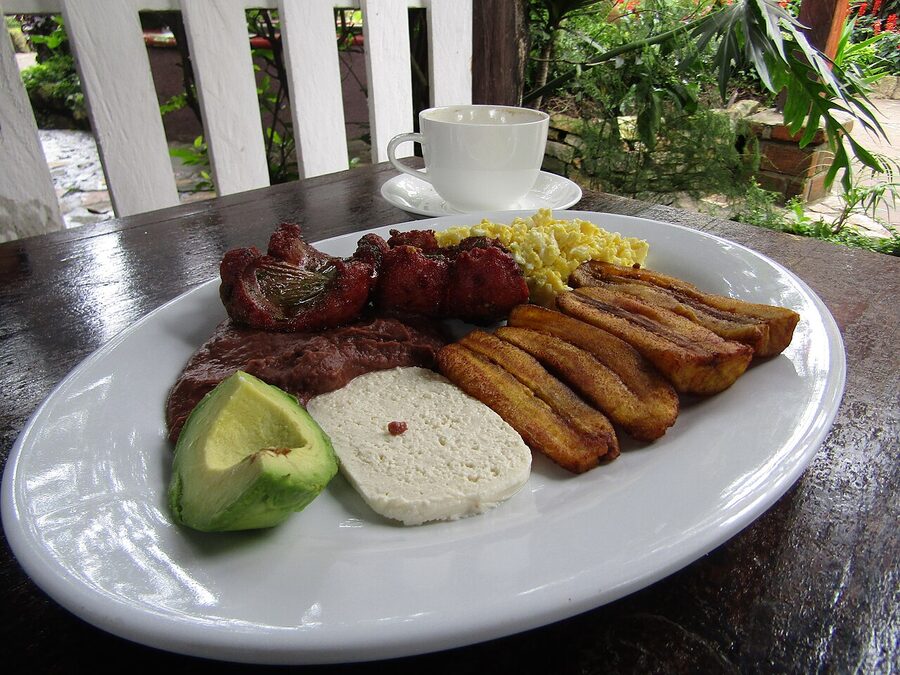
The headline dish is the baleada: thick wheat tortilla, refried red beans, salty crumbled cheese, mantequilla (sour cream), and fillings (scrambled eggs for breakfast, carne asada or chicken at lunch, fried plantain and avocado any time). 30 to 80 lempiras at stalls, twice that sit-down. People eat them for every meal.
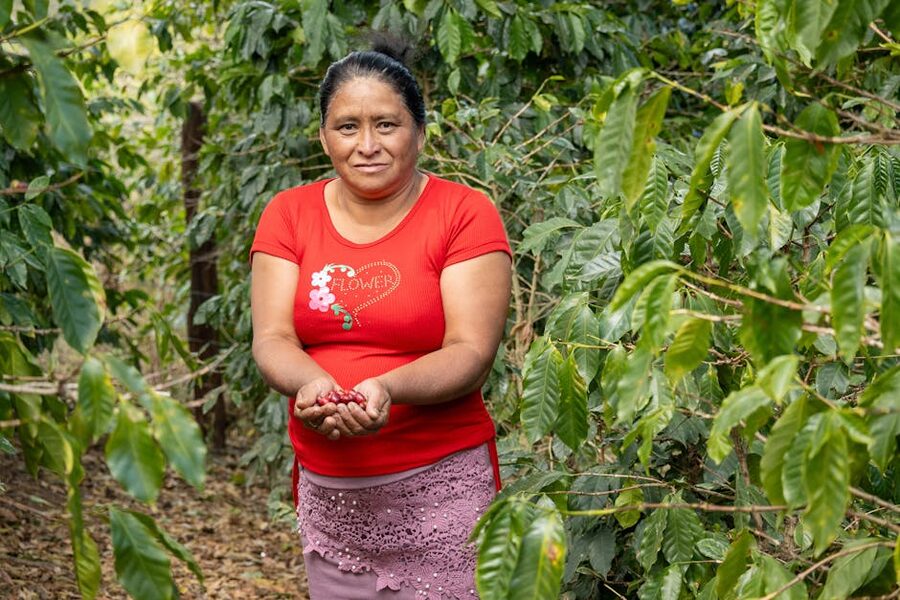
The plato típico (national plate) is the full lunch: protein, beans, rice, fried plantain, white cheese, sour cream, avocado, tortillas. 120 to 220 lempiras at a comedor. Add anafre, a warm cheese-and-bean fondue served with crispy tortilla chips, when it’s on the menu. Sopa de caracol (conch in coconut broth with green plantain and yuca) is the Caribbean coast dish; best at La Ceiba, Tela, and Roatán. Pastelitos are the local empanada, deep-fried dough pockets at every bus terminal. Honduras is the largest coffee producer in Central America; Welchez in Copán Ruinas and Café Paradiso in Tegus do excellent espresso for 40 to 70 lempiras. On Roatán, the Monkey Lala (rum, coconut cream) is a tourist drink, not a representative one.
Money, language, visas, and the boring bits
The lempira (L or HNL) is the currency, roughly 25 to the dollar. ATMs are common in cities and tourist towns; Banco Atlántida (the red and white machines) is the only network I’ve found that doesn’t add a withdrawal fee, with a 5,000 lempira per-transaction cap you can clear two or three times in one visit. Bring some USD as backup. On Roatán, USD is the de facto pricing currency and lempiras are the courtesy.
Spanish is official; English is the everyday language on the Bay Islands courtesy of the British settlement era; Garifuna, an Arawakan-Carib creole, is alive on the north coast and at Punta Gorda on Roatán. If you’ve travelled in Mexico or Guatemala, your Spanish is plenty.
Visa-wise: Honduras is part of CA-4 with Guatemala, El Salvador, and Nicaragua. One 90-day stamp covers the four countries combined; the clock starts when you first enter any of them. If you’ve been in Guatemala for 60 days, you have 30 left for the rest. US, Canada, EU, Australian, and most Latin American passports get the stamp on arrival; UK citizens have needed an advance visa since 2024, an inconsistency that has caught a few travellers and is worth checking before you fly. Land borders charge 60 to 120 lempiras, sometimes payable in USD. Three months of passport validity, a couple of blank pages.
Garifuna, briefly
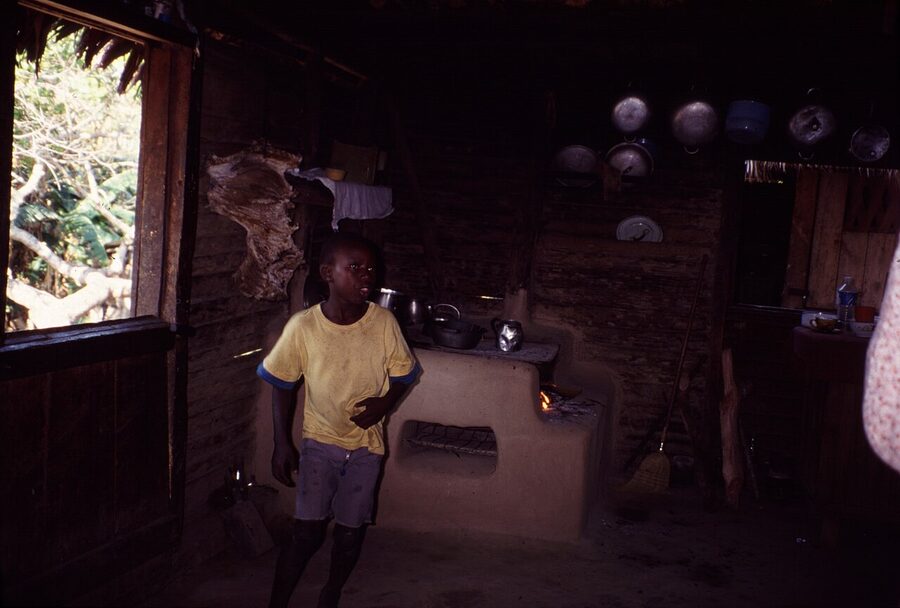
The Garifuna are the cultural piece most travellers miss entirely: descendants of West Africans and Caribbean indigenous people, deported by the British from St Vincent in 1797 and resettled along the Caribbean coast from Belize to Nicaragua, with the largest concentration in Honduras between Tela and Trujillo. Their language is unrelated to Spanish or English and recognised by UNESCO as oral heritage. Their food (machuca, hudut, casabe) is different from anything on the Spanish-speaking mainland; their music, punta, is the country’s most distinctive tradition. Easiest places to visit: Triunfo de la Cruz and Tornabé outside Tela, Sambo Creek east of La Ceiba, Punta Gorda on Roatán. Overnight homestays in Triunfo and Sambo Creek run through community associations; ask at your hotel.
Wildlife and the macaws
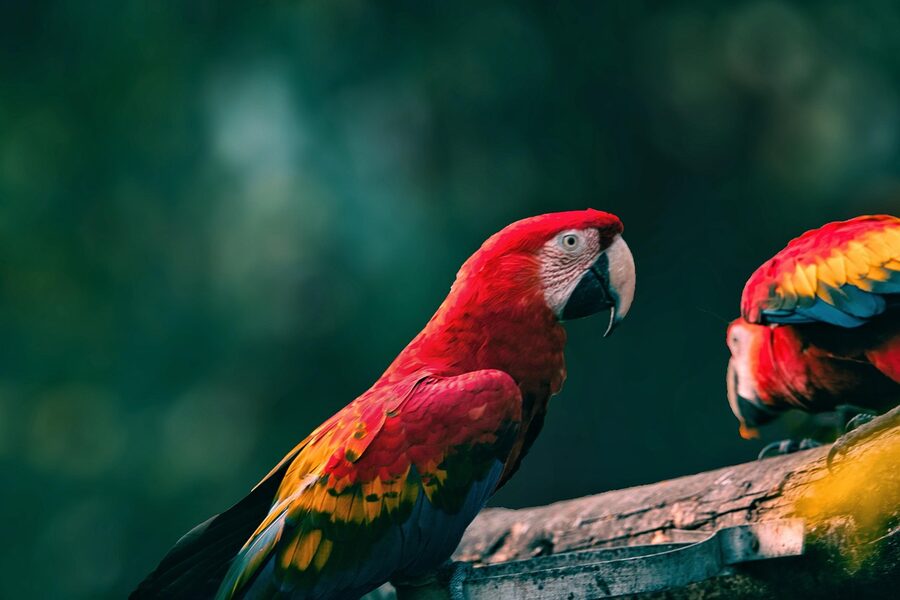
The scarlet macaw (guara roja) is the country’s national bird, and the easiest place to see them wild is Copán. A captive-breeding and re-introduction programme run by Macaw Mountain Bird Park has built up a free-flying population of around 150 birds at the archaeological site; they fly through the main plaza most mornings between 8 and 10. Macaw Mountain itself, ten minutes from Copán Ruinas town, is a working rehab facility for birds confiscated from the illegal pet trade and worth two hours; the entry fee funds the re-introduction programme.
Beyond Copán, biodiversity is denser than most trip durations allow. Pico Bonito has howler monkeys, kinkajous, and (rarely) jaguars. Lancetilla Botanical Garden behind Tela is the easiest bird-watching without an early start. The Río Plátano Biosphere in La Mosquitia has untouched rainforest and indigenous Pech and Miskito communities; getting there is a serious commitment and only worth it with a vetted operator.
Crossing into Honduras from elsewhere
If you’re already in Central America, the borders that come up.
- From Guatemala: El Florido is the standard crossing from Antigua or Río Hondo to Copán, open 6am to 7pm. Hedman Alas runs a direct service that walks you through. Agua Caliente further south is mostly trucks; Corinto in the north connects to Puerto Barrios on the Caribbean circuit. The Guatemala guide covers the country side.
- From El Salvador: El Amatillo is the busiest, on the Pan-American between San Miguel and Choluteca. El Poy in the north connects La Palma to Nueva Ocotepeque and is the route to Copán via Santa Rosa de Copán.
- From Nicaragua: Las Manos is the standard crossing on the Pan-American between Estelí and Tegucigalpa. The Lago de Yojoa shuttle from León exits via this border. Guasaule on the Pacific side handles trucks.
The natural pairing is Guatemala (Tikal, Antigua, Lake Atitlán) via El Florido for Copán, then onward to the islands. Two weeks does the whole loop. All Honduras content is in one place if you’re stitching together a longer itinerary.
Costs, in lempiras, on a normal day
The basics for a mid-range traveller (private hostel room, mostly local restaurants, shuttles for long routes, chicken buses for short ones).
- Dorm bed mainland: 250 to 400 lempiras. Private hostel room mainland: 700 to 1,400. Roatán West End private room: 1,400 to 3,500.
- Baleada: 30 to 80 lempiras. Plato típico at a comedor: 120 to 220. Western-style sit-down dinner: 350 to 700.
- Beer at a tienda: 30 to 50. At a bar: 60 to 120. Proper espresso: 40 to 70.
- Chicken bus short hop: 30 to 80. San Pedro to Tegus: 250 to 350. Hedman Alas SAP to Copán: 800 to 1,200. Galaxy Wave ferry La Ceiba to Roatán: 750 to 850.
- PADI Open Water on Utila: 7,500 to 9,500 (includes accommodation). Single fun dive Utila: 950 to 1,200. Roatán: 1,200 to 1,800. Cayos Cochinos day trip: 1,200 to 1,800.
- Copán site plus Acropolis tunnels: 540 to 920. Pulhapanzak: 120. Pico Bonito guided day-hike: 1,400 to 2,400.
Tight-budget backpacker: 850 to 1,200 lempiras a day on the mainland, 1,800 to 2,500 on Roatán. Mid-range: 1,800 to 3,200 mainland, 3,500 to 5,500 Roatán. Diving doubles your daily number for the days you’re under water.
What to skip
The Iguana Research Station on Utila is fine but it’s not a destination. Skip unless you’ve already snorkelled and have a spare half-day. The Roatán cruise port at Mahogany Bay is built for cruise day-trippers and overpriced if you’re not on a ship; West End and West Bay are where independent travellers should base. The chicken bus to La Mosquitia is a bad idea; if you want the Mosquitia, book a guided trip from La Ceiba or fly to Brus Laguna. Don’t bus it. Most paid Tegucigalpa city tours pad with unremarkable stops; walk specific neighbourhoods with a guide from your hotel for half the price.
The summary nobody asks for
Honduras is the country in Central America most underestimated by Western travellers and the one that pays the highest premium for showing up. Reefs healthier than Belize’s, diving half the price, the most-carved Maya site in the region, cloud forests that hold up against Costa Rica’s, and the tour-bus density of Antigua or Granada nowhere in sight. The trade-off is the cities require more thought. Worth it if you put in the planning. Destination guides to Roatán, Utila, Copán Ruinas, San Pedro Sula, Tegucigalpa, and Valle de Ángeles have the city detail; the Honduras category has everything else.

.jpg)


