
Sunday afternoon in Valle de Ángeles, and the wood-smoke off a comedor on the corner of the plaza is doing the work of a tourism advert. Pine air at 1,400 metres. Cobblestones slick from a morning drizzle. Marimba spilling out of a cafe two doors down, somebody’s grandfather tapping along on a wooden bench, a pair of mototaxis idling near the church gate. Tegucigalpa is twenty-two kilometres back the way you came. It feels like another country.
That gap is the entire point. Valle de Ángeles is a small artisan town in the pine-covered hills northeast of the capital, an old Spanish-colonial mining settlement, and the closest place to Tegucigalpa where you can breathe out for a few hours. People in Tegus drive up on weekends to eat pupusas, buy carved wood, and watch their kids run around the central park while the heat of the city sweats it out down the hill. As a traveller, you can do the same as a day trip, or stay a night and let the cool air do its job properly.
What follows: how to get there, what’s worth seeing, where to eat, where to sleep if you stay, and the side trips (La Tigra cloud forest, Santa Lucía, San Juancito’s mining ruins) that give the town more legs than first impressions suggest.
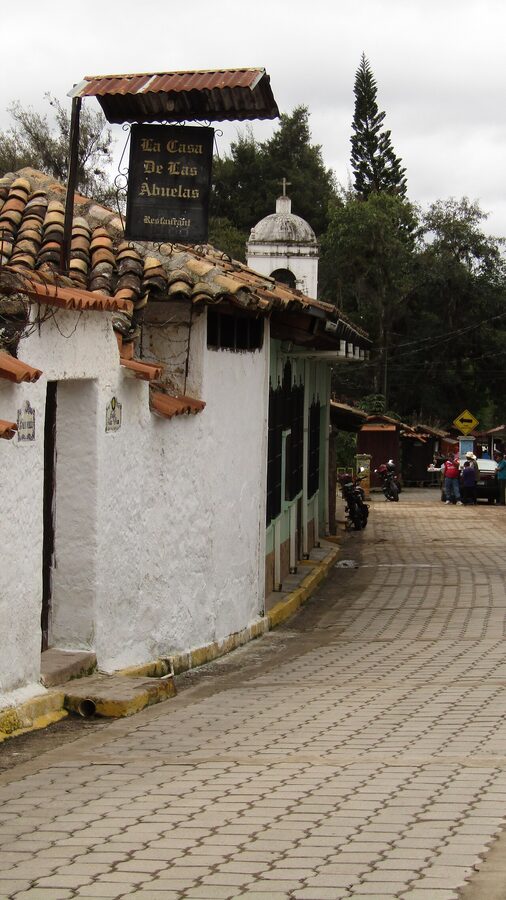
Set expectations: Valle de Ángeles is not Antigua Guatemala. The colonial bones are simpler, the streets shorter, the postcard density lower. But it’s genuinely Honduran in a way the capital often isn’t, and properly cool at night because it sits about 600 metres above Tegucigalpa. If you want a single day off from Honduran heat and traffic, this is the easiest one to take.
In This Article
- Why a Day Trip From Tegucigalpa Actually Works
- Getting There From Tegucigalpa
- The Central Plaza and Iglesia de San Francisco de Asís
- The Artisan Market and the Workshops
- Sunday Market: The Big Day
- La Tigra Cloud Forest and the Drive Up
- Where to Eat
- Where to Stay if You Go Overnight
- Santa Lucía and San Juancito: Two Quick Side Trips
- Practical Notes Before You Go
- How to Fit Valle de Ángeles Into a Honduras Trip
Why a Day Trip From Tegucigalpa Actually Works
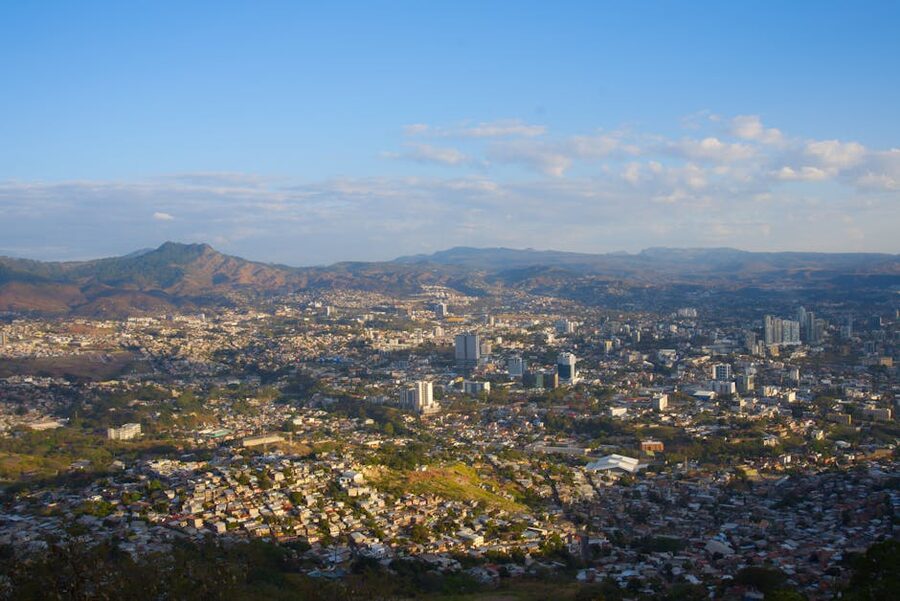
Valle de Ángeles sits about 22 kilometres northeast of central Tegucigalpa, around 30 kilometres by the road that climbs out of the city through Santa Lucía and up into the pine forests. Drive time is 45 minutes to an hour, traffic depending. Short enough to do without giving up most of your day, long enough that the change feels real. You leave a city of nearly 1.5 million people sweating in a bowl at 990 metres and arrive somewhere that feels like a mountain village. Population around 17,000 to 22,000 depending on the census, dry season November to April with daytime highs in the low twenties, local saint’s day October 4. Busy on weekends, quiet during the week.
The case for going: a colonial-era mountain town, three or four hours of artisan shopping, a couple of churches, a real Honduran lunch at altitude, and a national park (La Tigra) thirty minutes away if you stretch the day. The case against: if you only have one day in Honduras and you’re picking between Valle and the Copán Ruinas archaeological site or the Bay Islands, those win. Valle is the bonus, not the headline.
Getting There From Tegucigalpa
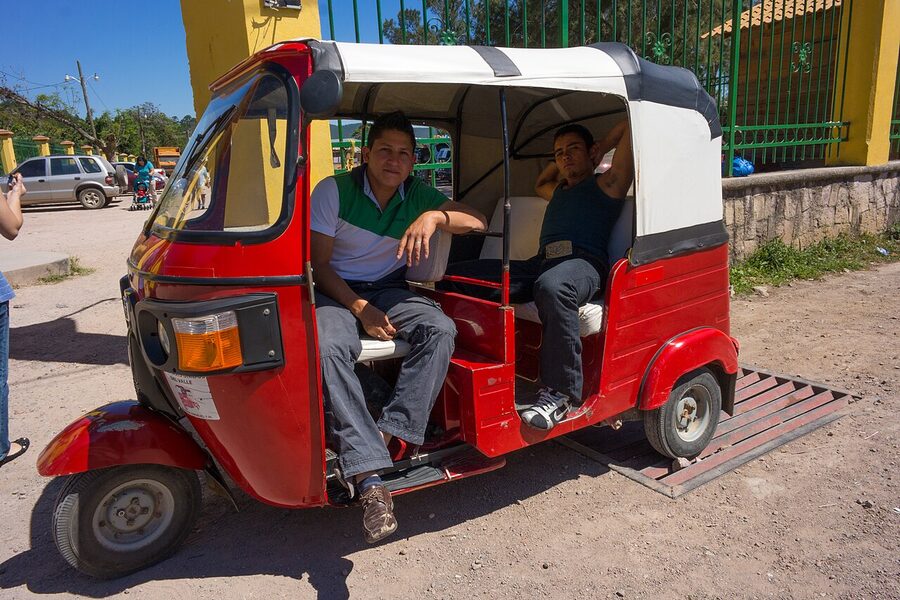
Three options, in order of how I’d do it.
Uber or Cabify. The easy answer for most travellers. Both apps work in Tegucigalpa, both will run you up to Valle. Expect L 400 to L 700 one way. No schedules, air-conditioning, door-to-door drop-off at the plaza. Ask the driver to wait, or book a new ride when you’re ready to head back; coverage on weekends is fine.
A day tour. Half-day tours run out of the bigger Tegus hotels and through Viator and similar platforms, starting around USD 65 per person for two, including driver-guide and round-trip transport. Starting time tends to be mid-afternoon, fine for the artisan markets and plaza but limits how far up to La Tigra you can stretch. Worth it for the colonial-history narration. Check Viator or GetYourGuide.
Public bus. Microbuses leave Mercado San Pablo (Mercado Jacaleapa) on the east edge of Tegucigalpa every 30 minutes or so, early morning until late afternoon, L 25 to L 40 each way. Ride is about an hour, fine in daylight. Catch: the terminal isn’t somewhere I’d suggest a first-timer wait around with a day pack. Uber to the terminal, ask which bus is going to Valle, carry small bills. Coming back, same buses load at the corner of the plaza.
One tip: do not take a yellow street taxi from Tegucigalpa up to Valle. Uber, Cabify, or a tour.
The Central Plaza and Iglesia de San Francisco de Asís
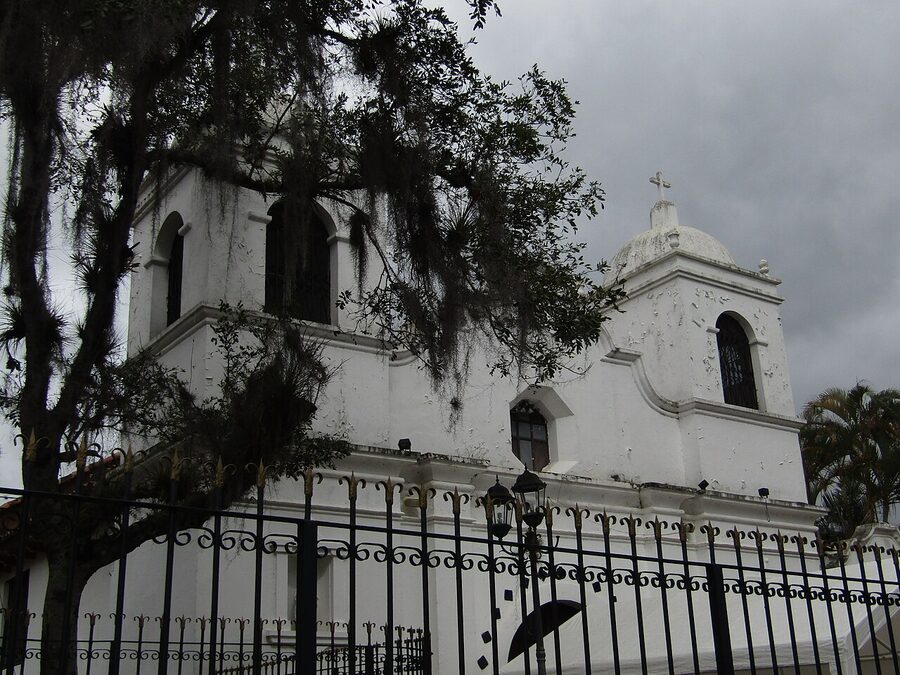
Everything in town orbits the Parque Central. It’s small (two minutes to walk), genuinely pleasant, the right place to start. Gazebo in the middle, jacaranda trees that bloom purple in spring, and on Sundays a slow rotation of families, vendors selling cut mango and tajadas (fried plantain), and old men reading newspapers. Artisan shops radiate out, the church anchors the south side, restaurants line the east and north edges.
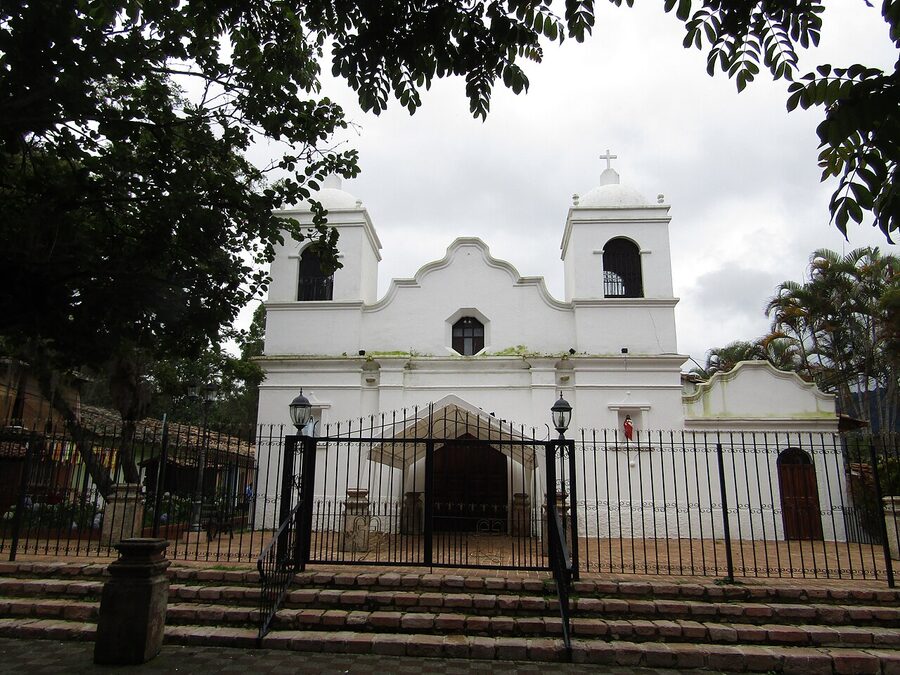
The church, Iglesia de San Francisco de Asís, is the colonial centrepiece. Not a cathedral, not enormous. A preserved 16th-century Spanish-colonial church with white facade, twin bell towers, and the kind of quiet inside that puts you on your best behaviour even if you aren’t religious. Step in for five minutes if it’s open. The wood altars and old paintings are worth the look. Land on October 4 (San Francisco Day) and the plaza becomes a religious-and-music event; the town basically doubles in population for the afternoon.
The Casa de la Cultura sits on the park beside the long-running Jalapeños restaurant. Walk-throughs take a few minutes; you’ll see rotating contemporary-art exhibitions, occasional weekend music, and small displays about the town’s mining history. Free or token entry. Worth ten minutes for context.
The Artisan Market and the Workshops
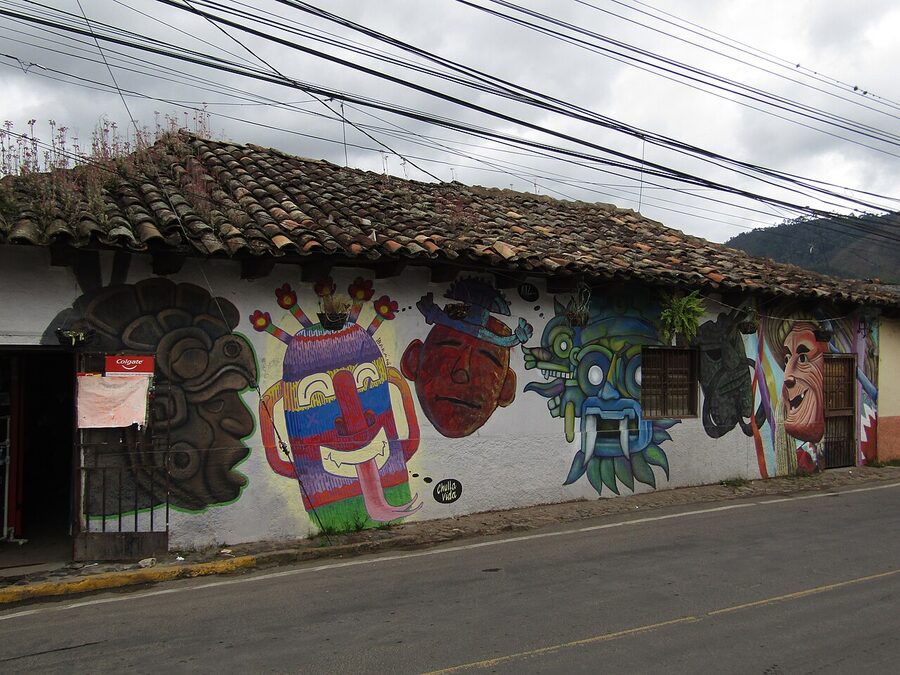
This is the main reason to come. Valle has been Honduras’ artisan town for at least sixty years, since a national crafts school was set up here in the mid-20th century. The streets east and north of the plaza are lined with small shops and galleries selling carved wood, painted ceramics, leather goods, hammocks, jewellery, hand-loomed textiles, plus a fair amount of imported tourist tat. The trick is knowing what’s worth your lempiras.
What the town actually produces well: woodcarving (painted ceiba-wood animals, religious figures, decorative bowls); silverwork and goldwork in modest pieces, since the mines are long played out but the craft tradition stuck around; and leather goods made on site.
The leather shop most people get pointed to is Lessandra Leather, with workshop and storefront here, producing export-quality wallets, handbags, and briefcases at prices that feel improbable by North American or European standards. One of the few places where you can watch the work happening. Worth a stop even if you don’t buy.
The handicraft pavilions grouped near the plaza run through cooperatives and the Honduran Institute of Tourism. Quality is mixed. Prices negotiable on bigger items, less so on small carvings. Bring small lempira notes; change-making at smaller stalls is slow if you only have a 500.
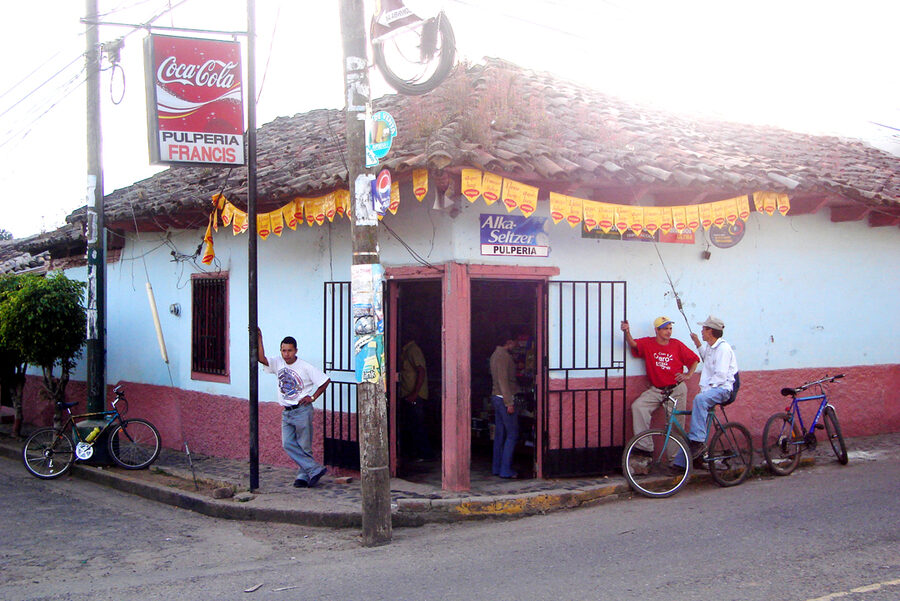
One thing to know: plenty of souvenirs here come from elsewhere in Honduras. Lenca pottery from Gracias and La Esperanza, junco straw mats from outside Santa Bárbara, painted canvases from Tegus artists, hammocks from the north coast. None of it’s fake, just regional rather than strictly local. For strictly Valle-made, go for woodcarving and silverwork and ask: “¿Es hecho aquí?” Most shopkeepers will tell you straight.
Sunday Market: The Big Day
Sunday is when Valle changes character. Shops are open all week, but Saturday and especially Sunday are when the town fills with day-trippers from Tegucigalpa and the side streets become a proper open-air market. Extra stalls along the plaza, food carts, comedores running at capacity from 11am through 3pm.
For the busiest version, come Sunday between 10am and 2pm. For quieter shopping and conversation with the makers, come Tuesday through Friday. Both are valid; they’re different trips. I lean Sunday for a first visit because the energy is the whole point, then midweek for serious craft purchases. Honduran public holidays push Sundays into overdrive: Semana Santa and the days around September 15 (independence) book out the hotels and crowd the road.
La Tigra Cloud Forest and the Drive Up
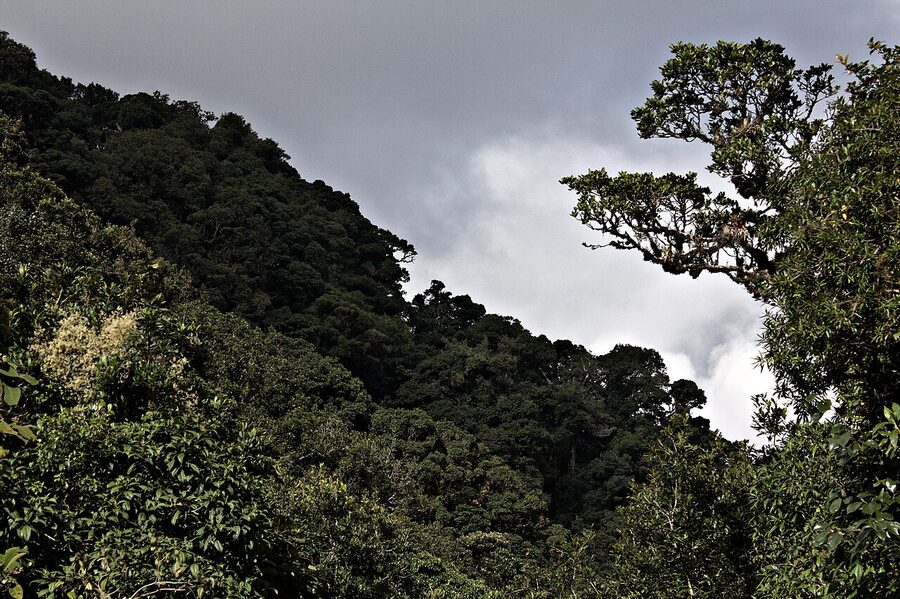
Parque Nacional La Tigra is the cloud forest between Tegucigalpa and Valle, and the best reason to combine the two on the same day. It was Honduras’ first national park (1980), covers about 240 square kilometres, peaks top 2,200 metres, and the trails are damp, mossy, full of birdsong, and roughly twenty degrees cooler than the city in dry season.
Two access points. El Hatillo is on the Tegucigalpa side (about 40 minutes by car). Jutiapa is on the San Juancito side, the road most people drive through coming from Valle. To combine the two in a day, drive Tegus to La Tigra (Jutiapa side) in the morning, then drop into Valle for lunch and the afternoon. Just be out before dusk; the road is unlit and slow.
Entry runs L 100 to L 200 for foreigners. Trails range from a 90-minute loop to a full-day cross-park traverse. Pack water, layers (the cloud cover gets heavy by midday), and proper shoes. The visitor centre at Jutiapa has practical maps and a small ecology museum; stop there before walking in. Spanish-speaking guides are sometimes available and worth it for the bird and tree IDs.
Where to Eat
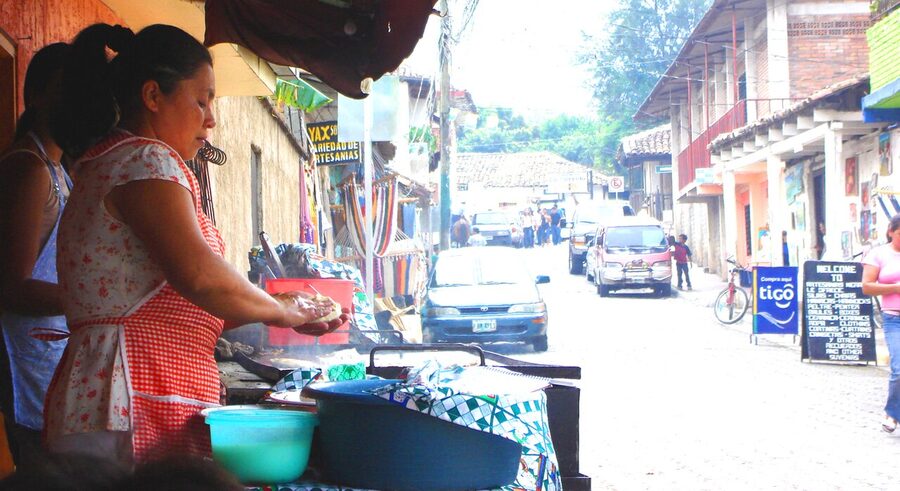
This is where Valle really earns the day-trip case. Honduran food at altitude is better than the same food in the capital’s heat, and the comedores here serve plato típico (rice, refried beans, fried plantain, queso fresco, eggs or grilled meat, a stack of corn tortillas) for L 80 to L 120. A Salva Vida or Imperial beer adds L 35.
What to order:
- Plato típico at any comedor on or near the plaza. The version up here usually includes carne asada or pollo asado instead of just eggs; cool-weather appetites run bigger.
- Pupusas. Technically Salvadoran, but Honduras adopted them and Valle does them well: thick stuffed corn cakes with cheese, beans, or chicharrón (pork crackling), served with curtido (fermented cabbage slaw) and salsa. L 15 to L 25 a piece. You want two or three.
- Anafres. The Honduran answer to a hot pot: a clay pot of refried beans, melted cheese, chorizo, and crumbled corn chips over coals. Order as an appetiser; heavy on its own.
- Baleadas for breakfast or a snack: thick flour tortilla folded around refried beans, crema, and queso fresco. The most Honduran thing on the menu. L 30 to L 60 depending on add-ins.
For a sit-down meal with a view, several places line the plaza. Names rotate, so walk a lap rather than committing to a list. La Florida, on the road back toward Tegucigalpa, has been around for decades and offers short horseback rides for the kids alongside meals.
Where to Stay if You Go Overnight
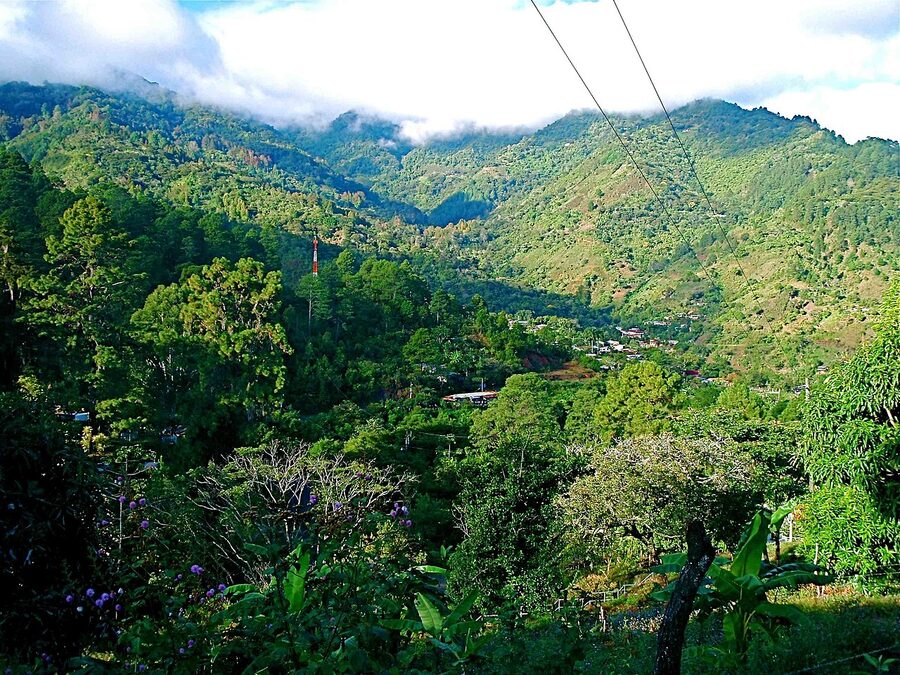
You don’t have to stay over; plenty of people do Valle as a day trip and it works fine. But if you have an extra night and you’d rather sleep at altitude than down in the city, the inventory is small but solid.
- Posada del Ángel. The classic in-town option, right downtown a couple of blocks off the plaza. Around 20 rooms with private bathroom, hot water, cable TV. Small pool and a decent restaurant on site. Rooms are basic-comfortable rather than luxurious; the location is the selling point. Check prices on Booking.com.
- Hotel Villas del Valle. Country-style cabañas on the outskirts of town, on the road heading toward San Juancito. Duplex cabins with parking out front, plus cheaper rooms in the main building. Good if you have a car and want a quieter base than the centre. Check prices on Booking.com.
- Hotel y Cabañas ROS. About 3 km outside town in a quiet wooded spot. Heated pool (rare up here), nicer rooms than the in-town options, helpful owners. The catch: it’s a hassle to get into town without your own vehicle; the owners will arrange transport but plan around it. Check prices on Booking.com.
For a wider scan of small properties and apartment-style listings, the Valle de Ángeles city page on Booking.com covers everything bookable. Inventory is small enough that you can read every listing in about ten minutes. Weekends and holidays do book out, especially Semana Santa and the September independence-week stretch. Saturday nights in dry season, reserve ahead. Midweek you can almost always find a room.
Santa Lucía and San Juancito: Two Quick Side Trips
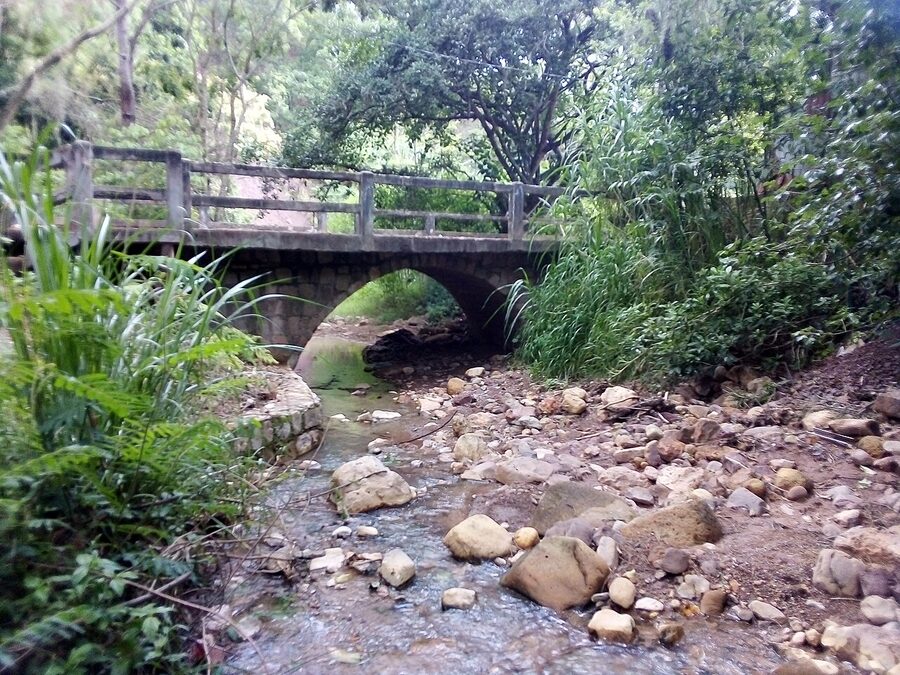
If you have a half-day to spare, two villages in the same valley round out the picture.
Santa Lucía is the smaller, older sibling, about nine kilometres west of Valle on the road back toward Tegucigalpa. Hill village with cobblestone lanes, a small colonial church, and some of the best valley views in the area at sunset. A man-made lake on the edge of town draws weekend picnickers from the capital. Twenty minutes by car or mototaxi from Valle.
San Juancito is the harder, more interesting trip: a former silver-mining village pinned to the side of a steep valley, about thirty minutes east of Valle on a road that gets gravel toward the end. The village was the centre of the New York and Honduras Rosario Mining Company’s operations from 1880 through the early 1950s, and the industrial shells (railway terminus, mill ruins, smelter buildings) are still there. Small museum in town. The road continues up to La Tigra’s Jutiapa entrance. If you have your own vehicle and like industrial archaeology, this is the day-extender that pays off. Road conditions change quickly with rain; ask in Valle before driving up after heavy weather.
Practical Notes Before You Go
Currency. Lempiras (HNL or just L). Bring small bills for comedores and smaller stalls; bigger shops and hotels take cards but smaller ones are cash-only. There’s an ATM near the plaza but get cash in Tegucigalpa first; weekend queues can be long.
Language. Spanish, full stop. A handful of shopkeepers speak basic English on weekends but plan on Spanish. Basics (“¿cuánto cuesta?”, “¿hecho aquí?”, “una cerveza por favor”) get you everywhere.
Climate. Pack layers. Daytime in dry season runs warm but pleasant (low to mid-twenties); evenings and early mornings can drop into the low teens. Wet season (May to October, peaking September and October) brings heavy afternoon downpours; mornings clear, clouds piling up by 2pm. Plan outdoor things early.
Safety. Valle is one of the calmer places in Honduras to spend a day, and feels meaningfully safer than central Tegucigalpa, especially at night. Usual sensible-traveller stuff applies: keep an eye on your bag in market crowds, don’t flash electronics, don’t wander unlit residential streets after dark. Drive between Tegus and Valle is straightforward in daylight; don’t drive back to the capital after sunset on a road you don’t know. Current US State Department guidance: Honduras travel advisory. Read it as one input among many; the on-the-ground experience in a small artisan town is calmer than the country-level statistics suggest.
How to Fit Valle de Ángeles Into a Honduras Trip
Most people pass through Tegucigalpa as an entry or exit airport rather than a destination, and Valle de Ángeles makes the transit days more interesting. A typical pattern: fly into Tegucigalpa, sleep one or two nights in Colonia Palmira, day-trip to Valle (ideally La Tigra in the morning before lunch in town), then onward to Copán Ruinas for the Mayan site or up to the Bay Islands for diving. Valle is the gentle introduction to the rest of Honduras rather than a destination in its own right, and it works in that role better than any other day trip from the capital.
If timing works, October 4 (San Francisco Day) is the local festival and a memorable day to be on the plaza. Otherwise: weekdays quieter, weekends livelier, pick based on what you want. Either way, give it five or six hours minimum. Less than that and you’ve come up the hill for a photo and a coffee. For the bigger picture, the Honduras travel category has the country-level guides that fit alongside this one.



.jpg)


