The first time I came down out of the chicken bus in Antigua I was wearing a sweater I had been carrying for three weeks. Two hours earlier I had been at sea level on the Pacific coast in flip-flops. Now I was at 1,500m, breathing pine air, and a woman from a comedor (a basic family-run lunch counter) was pushing a styrofoam cup of atol (a hot maize drink) at me before I had even put my pack down. That is the thing about Guatemala. It is small. You can cross it in a long day. But the country changes texture every time you crest a ridge, and in two weeks you can stand inside a Mayan pyramid in the jungle, swim in turquoise pools above a limestone river, watch lava roll out of a crater at 3 a.m., and drink some of the best coffee on earth.
This is the practical version: where to go, when to come, how long to stay, and how to do it without burning out on chicken bus marathons. What follows is what I would tell a friend booking a flight to Guatemala City tomorrow.
One thing to set straight first. The headlines you may have read about Guatemala are mostly written about Guatemala City, and even there they are usually outdated. Antigua, Lake Atitlán, Tikal, Semuc Champey, the villages around Quetzaltenango (everyone calls it Xela) and the touristy Pacific coast are all, in a word, fine. I get into safety further down because the topic deserves specifics.
One week with zero plans gets you Antigua and Lake Atitlán with a side hike up Pacaya. Ten to fourteen days lets you stitch in Tikal and call it a proper trip. Three weeks is when you start getting into Semuc Champey, Xela, the Pacific coast, and the Río Dulce run on the Caribbean side.
In This Article
- The shape of the country
- When to come
- How long
- Getting there and across
- Antigua: the first week
- Lake Atitlán: the second week
- Tikal and the Petén
- Semuc Champey and the Cobán region
- Volcanoes you can actually climb
- Quetzaltenango (Xela), Chichi, and the highlands
- The coasts
- Other Mayan ruins worth your time
- Coffee and what to eat
- Getting around
- Spanish schools and money
- Safety, with specifics
- Health, water, altitude
- The shape of the trip
The shape of the country
Guatemala is roughly the size of Tennessee with around 18 million people, Pacific on one side and a thin Caribbean strip on the other. Most of what travellers come for sits in the western highlands: Antigua, Atitlán, Xela, Chichicastenango. The exceptions are Tikal in the lowland Petén jungle in the far north, Semuc Champey in the karst hills of Alta Verapaz, and the Caribbean enclave around Río Dulce and Lívingston, which feels Garifuna and Q’eqchi’ Maya rather than the highland-ladino mix of the rest.
Spanish is the working language. But 22 Mayan languages are still in active daily use in the highland villages. K’iche’, Mam, Q’eqchi’ and Kaqchikel are the largest. You will hear Kaqchikel around Lake Atitlán, K’iche’ around Quetzaltenango and Chichicastenango, Q’eqchi’ around Cobán. If a tuk-tuk driver in San Juan La Laguna greets you with “saqarik” not “buenos días”, that is Kaqchikel for good morning. Try it back. People light up.
The country uses the quetzal (Q or GTQ), named after the bird on the flag. Most travellers find Guatemala the cheapest country in Central America after Nicaragua, and noticeably cheaper than Costa Rica. It is part of the CA-4 visa agreement: a single 90-day stamp covers Guatemala, Honduras, El Salvador and Nicaragua. Belize, Costa Rica and Panama are not part of CA-4. So if you are coming overland from Honduras via Copán, your stamp ticks down through both countries; if you cross into Belize at Melchor de Mencos, you get a fresh entry on the Belize side.
When to come
Two seasons. Dry, called verano (summer) locally, runs November through April. Rainy, called invierno (winter), runs May through October. The names confuse outsiders because they follow the rain, not the northern hemisphere.
Dry season is high season for a reason: clearer skies, more visible volcanoes, no washed-out roads. December and January are the cold months in the highlands; nights in Antigua can drop to 8 or 10°C. April is hot and dusty in the lowlands and the haze obscures long views. Easter (Semana Santa) is huge in Antigua, and if you want to see the alfombras (carpets of dyed sawdust laid down for the Good Friday procession) book three months out.
Rainy season is not the disaster outsiders picture. Most days run clear morning, building cloud through midday, hard downpour for an hour or two in late afternoon, clear by evening. Tikal in May or June is wet but stunning, and you have temples to yourself. The exception is hurricane season on the Caribbean side, August through October.
One window if I had to pick: late November through early December. Dry weather, no Christmas crowds yet, tail end of the green from the rains.
How long
This is the question I get asked most. Quick answers, depending on what you have:
- Five to seven days. Antigua plus Lake Atitlán. Skip Tikal, you will not have time to do it justice. Add Pacaya as a half-day hike from Antigua. This is the most common first-trip Guatemala itinerary and it works.
- Ten to fourteen days. Antigua, Atitlán, and Tikal. The classic triangle. You will need an internal flight from Guatemala City or Flores to make the Tikal part painless; the overnight bus is rough.
- Three weeks. Add Semuc Champey, Xela and either the Pacific coast (Monterrico or El Paredón surf) or Río Dulce-Lívingston for a Caribbean change of pace.
- A month or more. Spanish school in Antigua or Xela for a week or two, plus everything above, plus a side trip to Quiriguá or Yaxhá if Tikal got you hooked on ruins.
My take: a week is enough to like the country and want more. Two weeks is enough to feel like you have seen it. Three weeks is when you start to slow down and actually live somewhere for a few days, which is where Guatemala gets interesting.
Getting there and across
La Aurora International (GUA) in Guatemala City is the only airport most travellers use. Mundo Maya International (FRS) in Flores is useful for skipping the overnight bus to Tikal but not as a long-haul entry. American, Delta, United, Avianca, Copa and Aeromexico all fly into GUA from US and Mexico hubs.
The land borders that matter:
- La Mesilla. Into Mexico from Huehuetenango, the standard route to Chiapas.
- Melchor de Mencos. The only crossing to Belize. Useful if you are pairing Tikal with Caracol.
- El Florido. To Honduras, near Copán Ruinas. The most popular crossing. You can go from Antigua to Copán in a day on Hedman Alas, the Honduran premium bus line. Smoothest cross-border ride in Central America: proper terminals, reclining seats, the border handled at the bus windows.
- La Hachadura. To El Salvador, on the Pacific coast highway. Quick and uncomplicated.
Antigua: the first week
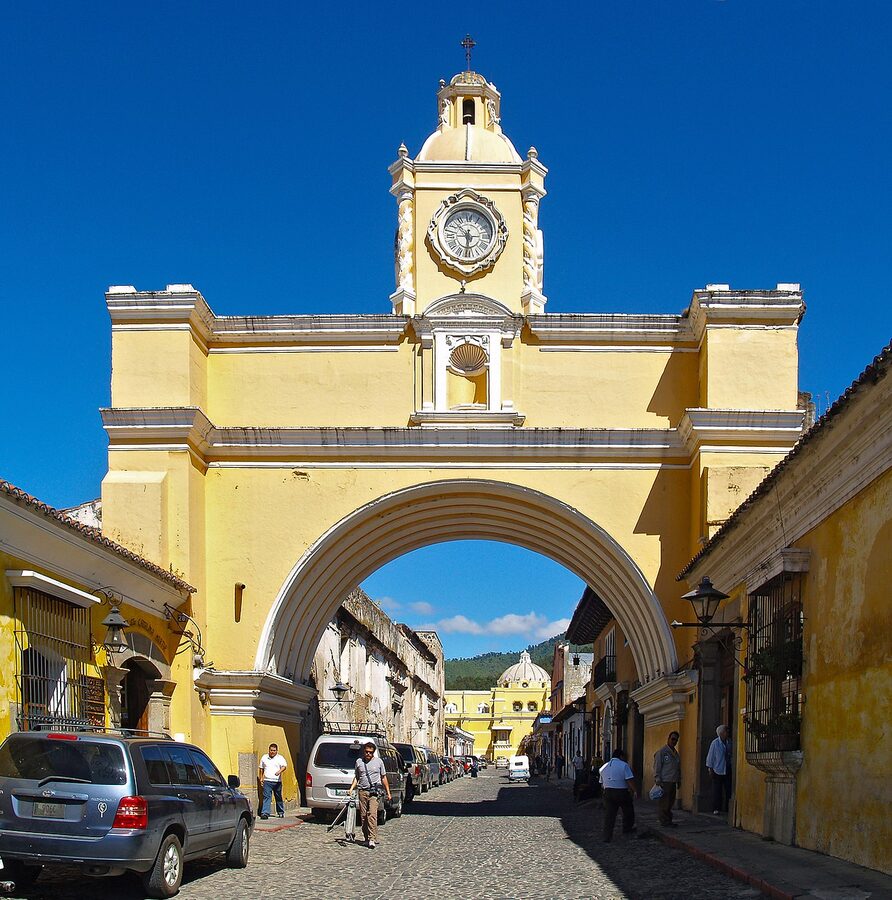
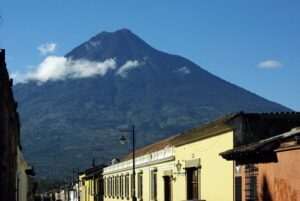
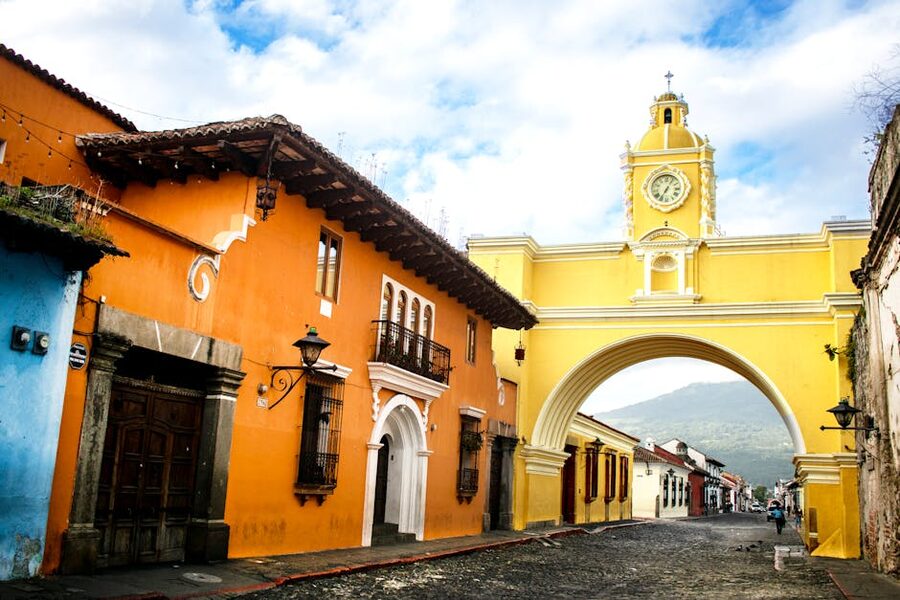
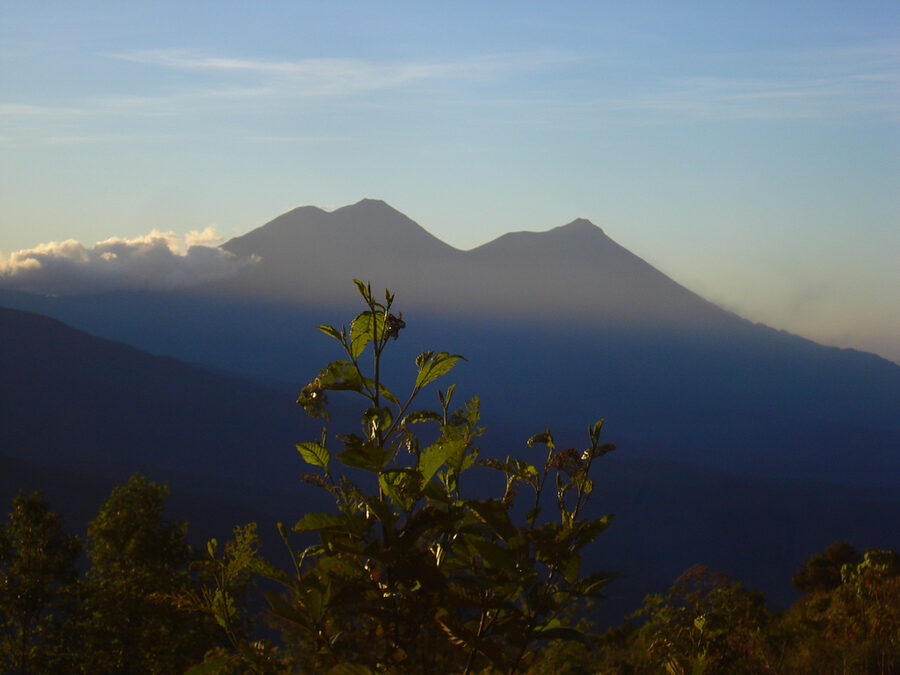
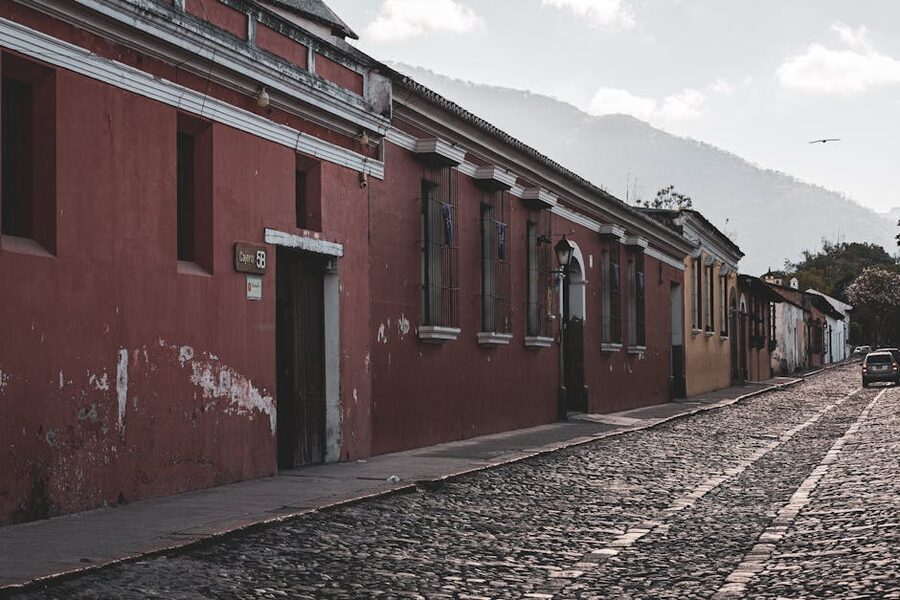
Most travellers base in Antigua for the first part of their trip. The town is small enough to cross on foot in 25 minutes. Three volcanoes ring the valley, including Fuego, which puffs visible smoke every fifteen to twenty minutes. UNESCO-listed and dating to 1543, Antigua was the colonial capital of all of Central America before earthquakes flattened it in 1773 and the capital moved to what is now Guatemala City. What is left is a tight grid of cobblestoned streets, pastel facades, ruined convents, and churches in various states of post-earthquake collapse. The prettiest small city in Central America.
What to do, roughly in the order I would do it:
- Walk Calle del Arco (5a Avenida Norte) at sunset. The arch was built so cloistered nuns could cross between two parts of their convent without being seen. Late afternoon, the sun lines up with Volcán de Agua behind it.
- The Plaza Mayor and Cathedral. Walk into the cathedral ruins for around Q40. The partial collapse from 1773 is preserved exactly as it fell.
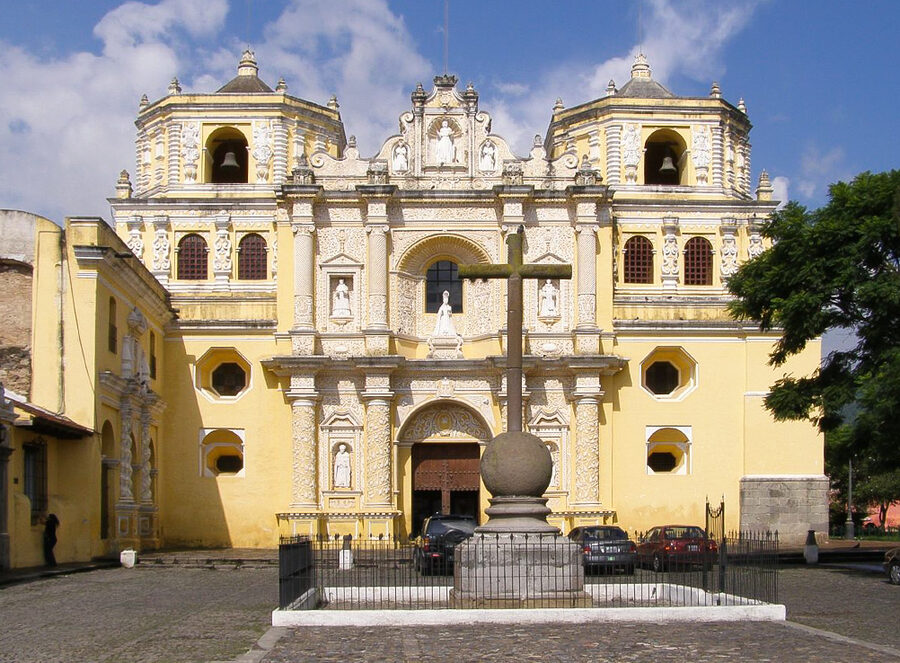
- La Merced. Yellow-and-white baroque facade, the most photographed church in town. Climb to the roof for Q15 and the valley view.
- Cerro de la Cruz. Hilltop viewpoint above town. Tourist police are now stationed at the top; the walk is fine in daylight. Go up at 7 a.m. before the haze sets in.
- Take a Spanish class. Schools cluster on 5a Calle Poniente. Q400-700 per week buys 20 hours of one-on-one; double that for the immersion package with homestay and three meals a day.
- Coffee finca tour. Antigua’s volcanic soil grows arabica shipped to specialty roasters in Tokyo and Brooklyn. Finca Filadelfia and Beneficio La Azotea do farm-to-cup tours; De La Gente in San Miguel Escobar is the farmer-run cooperative version.
Where to eat, and this is genuinely the best food town in Guatemala. Restaurante Fonda de la Calle Real is the obvious pick for pepián (the national stew). Caoba Farms on the edge of town does Saturday brunch on a working farm. The comedores ringing Mercado Municipal do a plato del día (set lunch, meat, beans, rice, tortillas) for Q35-50 and it will be the best value meal of your trip. Sleeping ranges wide: hostel beds are cheap; Hotel Casa Antigua and Hotel Posada Don Rodrigo are mid-range; Hotel Casa Santo Domingo at the top end is built into the ruins of an old Dominican monastery and is a destination in its own right. Book ahead in dry season, far ahead for Easter week.
Lake Atitlán: the second week
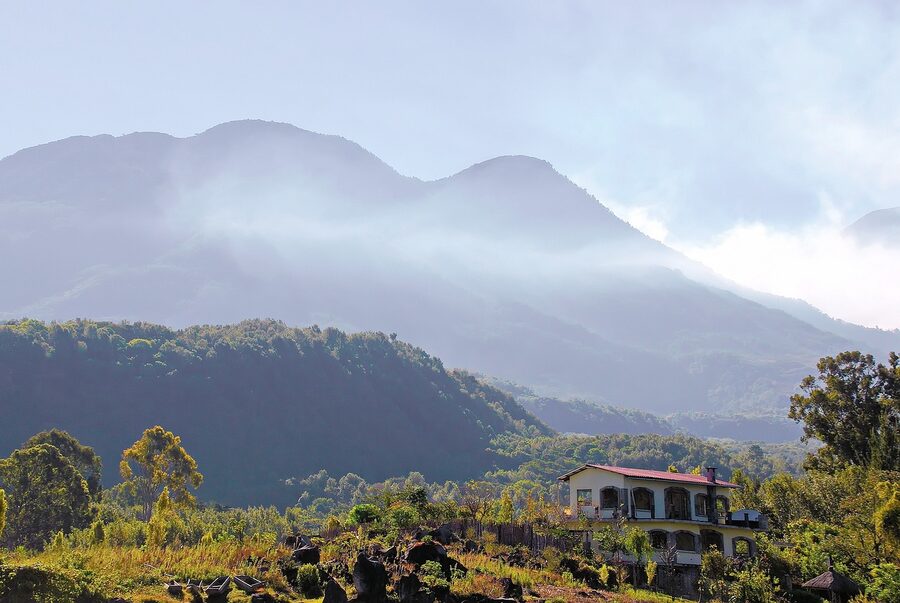
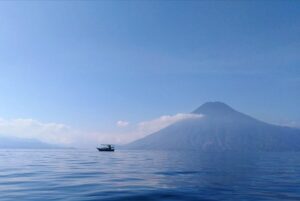
If Antigua is the dressed-up part of Guatemala, Lake Atitlán is the lived-in part. The lake is a flooded volcanic caldera, about 12 kilometres across, ringed by three volcanoes and a string of villages where Mayan culture is daily texture rather than museum exhibit. Pick a couple of villages as bases and boat between them. Public lanchas run from Panajachel, the gateway town where every Antigua shuttle drops you, to all the lakeside villages on a roughly hourly schedule, charging Q25 to most stops. They stop running around 5 p.m.
- Panajachel. Largest town, transport hub. Most people sleep one night here before moving on.
- San Pedro La Laguna. Backpacker capital, cheap Spanish schools (Q1,300 for a week of one-on-one with homestay), lakeside hostels with infinity pools, late-night bars.
- San Marcos La Laguna. The yoga and crystals village. Vegan retreats, sound baths, the Cerro Tzankujil nature reserve where the cliff jump sits. Some find it grounding, others find it parodic. Try it for a day.
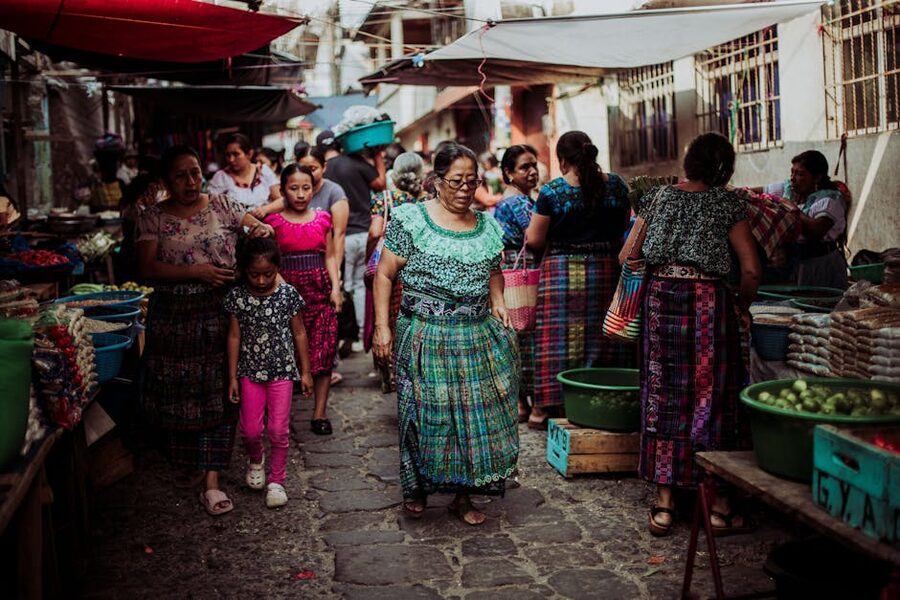
- San Juan La Laguna. The textile village. Women’s weaving cooperatives do the most interesting work on the lake, dyeing cotton with plants from the surrounding hills. Casa Flor Ixcaco and Lema’ are worth stops.
- Santiago Atitlán. Largest Tz’utujil town on the lake, the most culturally intact. Visit the home of Maximón, the cigar-smoking folk saint who lives with a different family each year. The 1981 civil war massacre happened in the church here; the bullet holes are still in the columns.
I spent four nights in San Juan plus a long day trip into Santiago, and the combination felt right. San Pedro is fine if you are 22 and want hostel scene. San Marcos is fine for two days. Casa del Mundo between Jaibalito and Tzununá is one of the most beautiful hotels I have stayed at anywhere: built into the cliff face, swim off the dock, single set dinner by candlelight. Worth one splurge night.
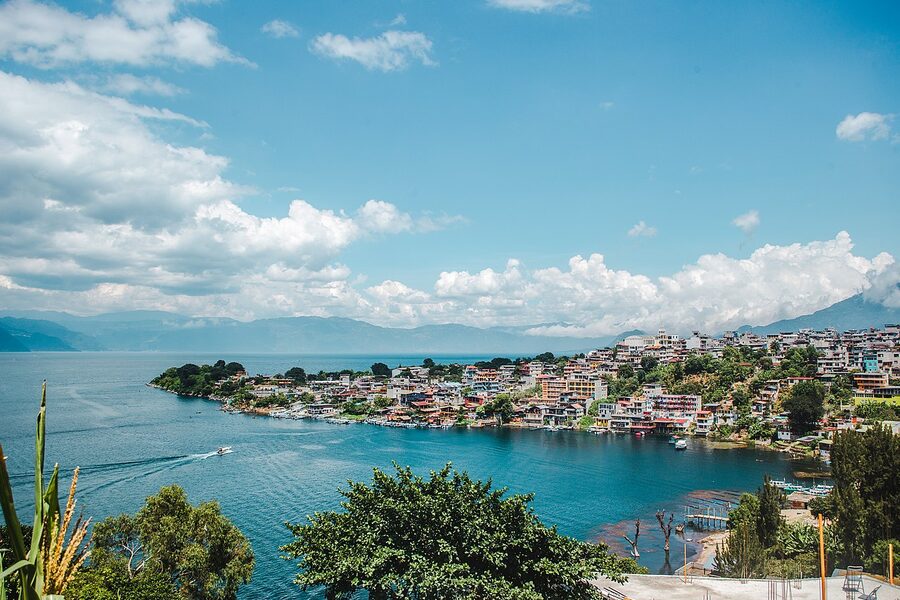
One thing to flag: water levels rise and fall on long cycles and you will see flooded buildings near the shore in some spots. Cyanobacteria blooms have hit the lake periodically. Most travellers swim without issue, but I would not splash around with my mouth open, and I would skip swimming for a day if I saw a visible green tint.
Tikal and the Petén
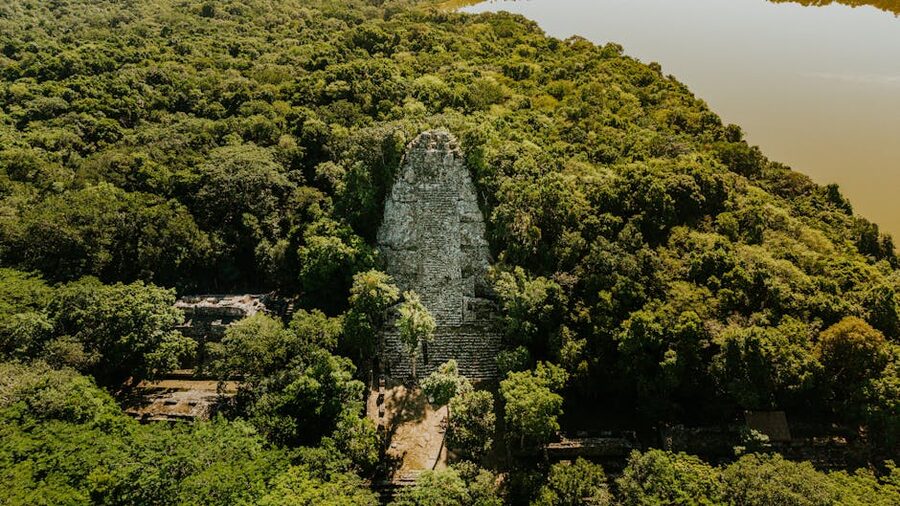
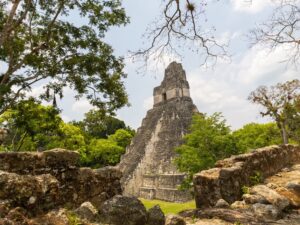
Tikal is the great Mayan ruin in Central America and one of the great ruins of the world, full stop. It sits inside a national park in the Petén, the lowland jungle that covers the northern third of Guatemala. The site was the capital of one of the largest pre-Columbian Mayan kingdoms; it peaked around 700 to 800 CE with maybe 100,000 people, and was abandoned within two centuries. Howler monkeys live in the trees above the temples now, and at dawn they sound like something from a dinosaur movie.
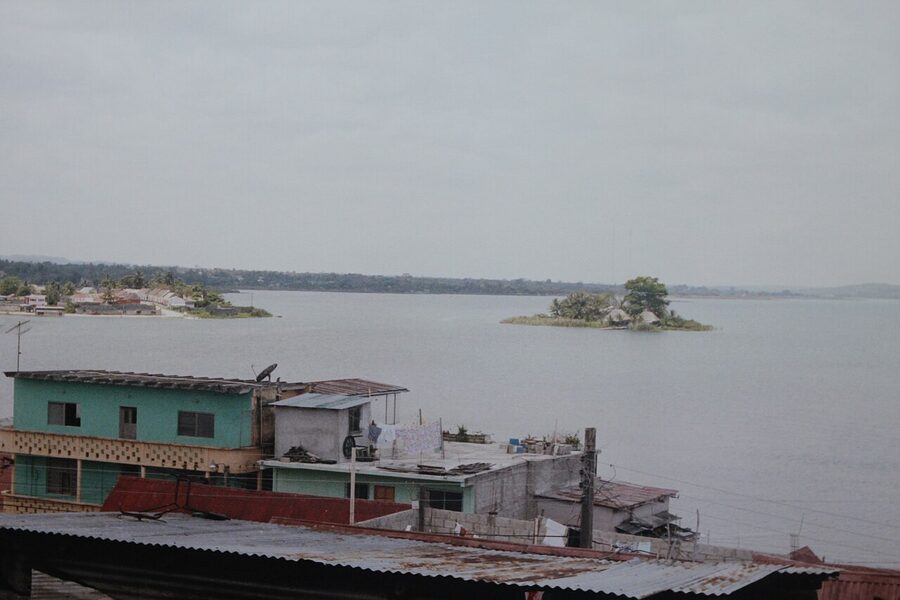
The base is Flores, a small island town on Lake Petén Itzá connected to the mainland by a causeway, 65 km from Tikal, an hour and a half by shuttle. Most hostels arrange round-trip transport for Q150-200.
Three ways to do it. The standard day trip from Flores: 4 a.m. shuttle, gates open at 6, you walk in cool jungle air and have the place largely to yourself for the first three hours, day-trippers back to Flores for lunch. The sunrise tour: a separate ticket gets you in at 4 a.m. before the public gate opens, and lets you climb Temple IV in the dark to watch the sky turn behind the other temples. The catch is you might just see fog. Around Q300 on top of the Q150 entry. Or sleep inside the park: three lodges (Jaguar Inn, Jungle Lodge, Tikal Inn) sit at the visitor centre. Beds are basic, prices are not, but you can be at Temple IV at first light without the 4 a.m. shuttle and walk to the pyramids again at dusk when day-trippers are gone. What I would do if budget allowed.
The Petén holds other ruins. Yaxhá an hour east is smaller, far quieter, and you can climb the main pyramid alone. El Mirador, one of the largest pre-Classic Mayan sites and home to La Danta (possibly the largest pyramid in the world by volume), requires a five-day mule trek or a helicopter charter to reach. The bucket list for serious archaeology travellers.
Semuc Champey and the Cobán region
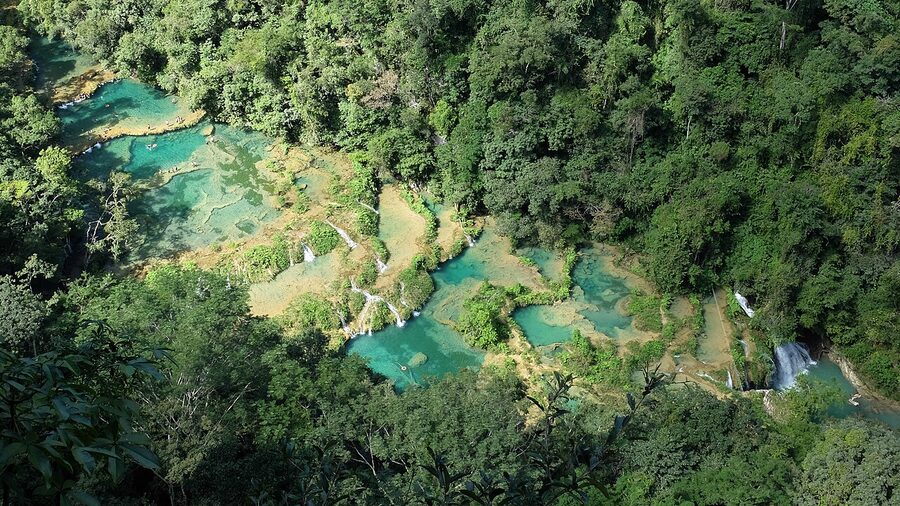
Semuc Champey is a 300-metre limestone land-bridge with a chain of stepped pools on top. Underneath it the Cahabón river roars through a tunnel. From above, the pools are a ridiculous turquoise. Around them, jungle. This is the slowest place in Guatemala to reach. The road in from Lanquín is unpaved, deeply rutted, and almost everyone arrives in the back of a pickup truck. That is the whole appeal.
The base is Lanquín, a tiny pueblo with a dozen hostels strung along the road. Zephyr Lodge sits up on a ridge with the best view of the valley. Greengo’s Hotel is cheaper and right above the river. Day trips to Semuc are around Q150, run via shuttle plus pickup-truck transfer for the last hour, which is the part that breaks people. Embrace it.
The park has two parts: the pools, where you swim from one to the next on limestone shelves, and the Mirador hike, a steep 30-minute climb up the gorge to a wooden viewing platform. Do the hike first, when dry. Bring water shoes; the limestone is hard on bare feet. Add-ons from Lanquín: the K’anba caves (walk and swim through by candlelight, around Q100), tubing on the Cahabón, and a chocolate workshop in San Agustín Lanquín where the family roasts cacao on a wood fire. The Lanquín-Antigua bus is brutal (twelve to fourteen hours on bad roads); most travellers spring for the shuttle.
Volcanoes you can actually climb
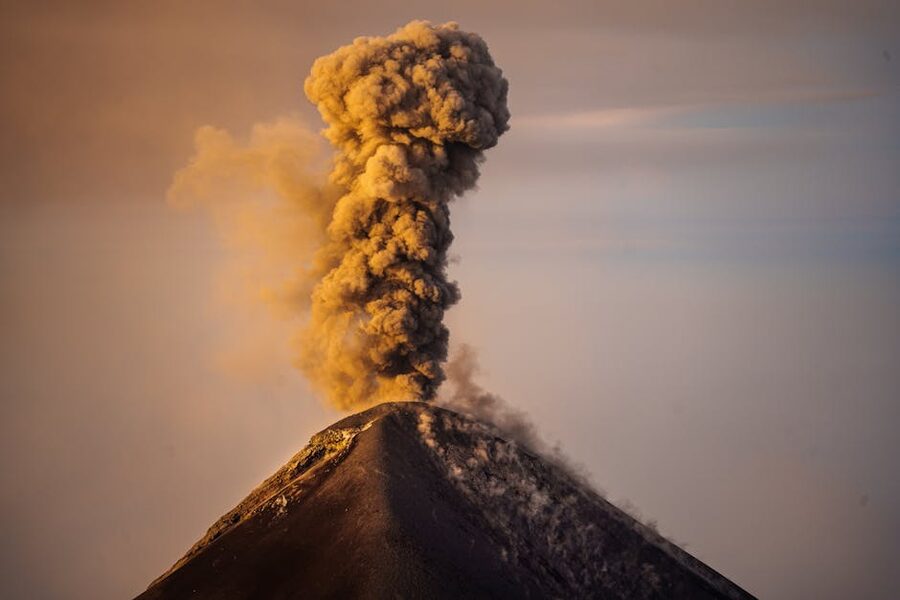
Guatemala has 37 volcanoes. Three are accessible enough to be standard travel fare. Two are active.
Pacaya is the half-day option from Antigua. Shuttle leaves around 6 a.m. or 2 p.m. The walk in from San Francisco de Sales is around two hours up, an hour back. You roast marshmallows over a steam vent at the top, which is a bit silly but everyone does it. Pacaya is technically active and lava flows happen, usually on a side of the cone away from the trail. Go with a registered guide; around Q175 plus Q60 park entry.
Acatenango is the big one. Two-day overnight where you camp at 3,800m on the side of Acatenango with a clear view of Fuego, the active volcano next door, exploding every fifteen to twenty minutes through the night. You watch from your tent or the ridge above camp. One of the most dramatic single sights in Central America when the weather cooperates. The hike itself is brutal: five to six hours straight up at altitude, much of it through ash. Bring layers. Operators in Antigua charge Q400-700 depending on group size. OX Expeditions and Old Town Outfitters are the agencies most travellers use.
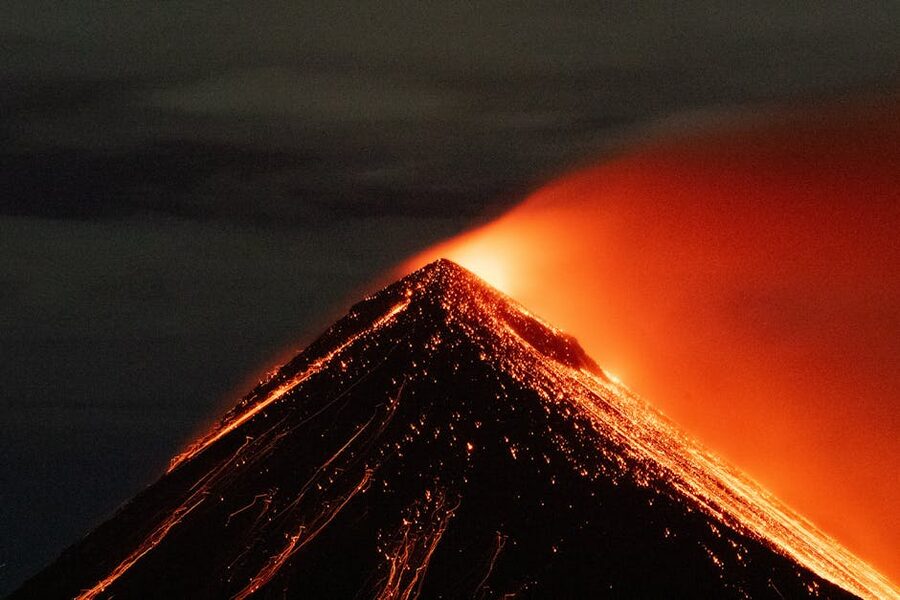
Volcán San Pedro on Lake Atitlán is a six to eight hour out-and-back from San Pedro La Laguna, dawn start. Less drama than Acatenango but a fantastic crater-rim view of the whole lake. Tajumulco, the highest peak in Central America at 4,220m, is a two-day overnight from Xela; go with Quetzaltrekkers, the non-profit putting proceeds toward kids’ schools.
One serious note: do not freelance volcano climbs. Robberies on Pacaya have happened, mostly when people went without a guide. Cold-weather injuries on Acatenango are real; every season, somebody gets brought down by horses with hypothermia. Use the guided trips.
Quetzaltenango (Xela), Chichi, and the highlands
Xela (sheh-lah, short for Xelajú) is the second-largest city in Guatemala and the unofficial capital of the highlands. At 2,330m, with a colonial centre and the best Spanish schools in the country if you want a less touristy alternative to Antigua. Schools here often pair classes with volunteer placements. Xela is also the natural base for highland villages: day trips to the Fuentes Georginas hot springs, the Friday market in San Francisco El Alto, the K’iche’-textile market in Momostenango. Quetzaltrekkers runs three-day hikes from Xela across the highlands to Lake Atitlán, ending in San Pedro: one of the best longer hikes in Central America for the price.
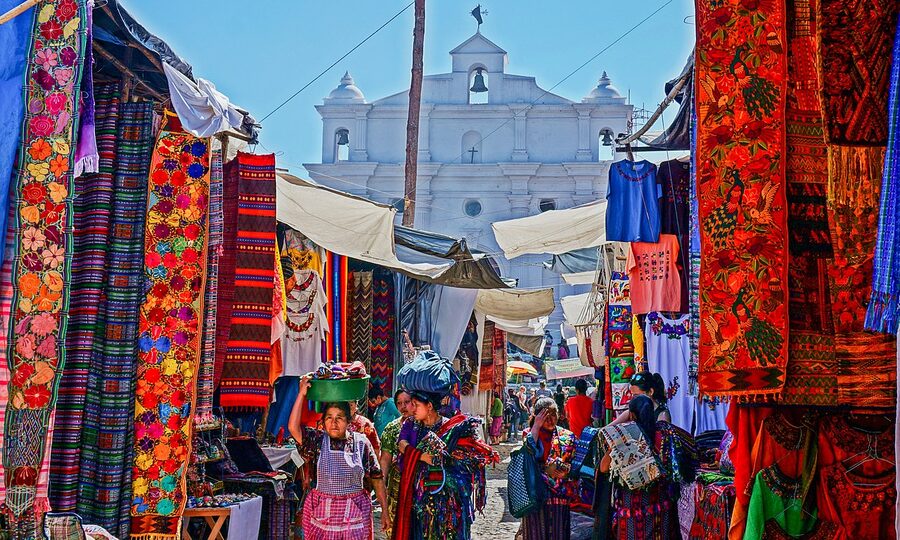
Chichicastenango is the famous K’iche’ market town between Xela and Atitlán. Markets run Thursdays and Sundays only; on those days the entire town fills with stalls of textiles, masks, ceramics, vegetables, live chickens. The Iglesia de Santo Tomás at the top of the plaza is worth stepping into: Mayan ceremonial fires burning on the steps, copal incense smoke from the cofradías inside. One of the few places where pre-Columbian religion is practised openly alongside Catholicism. Most hostels run a 6 a.m. shuttle from Atitlán on market days, returning by mid-afternoon, Q150-200 round trip. Going on a non-market day is pointless; the town is sleepy.
The coasts
Guatemala has two coasts and they could not feel less alike. The Pacific is short, hot, agricultural, almost universally black-sand. The Caribbean strip in the east is small but one of the most distinct cultural pockets in the country.
On the Pacific, Monterrico is the standard beach trip from Antigua. Three to four hours by shuttle including the boat across the mangrove channel. Black-sand beaches, seafood comedores along the strip, a sea turtle conservation project that runs nightly hatchling releases September through January. Currents can be strong. El Paredón, an hour west, has the better surf scene, with Mellow Hostel and Cocori Lodge running most of the beds. Waves are consistent year-round.
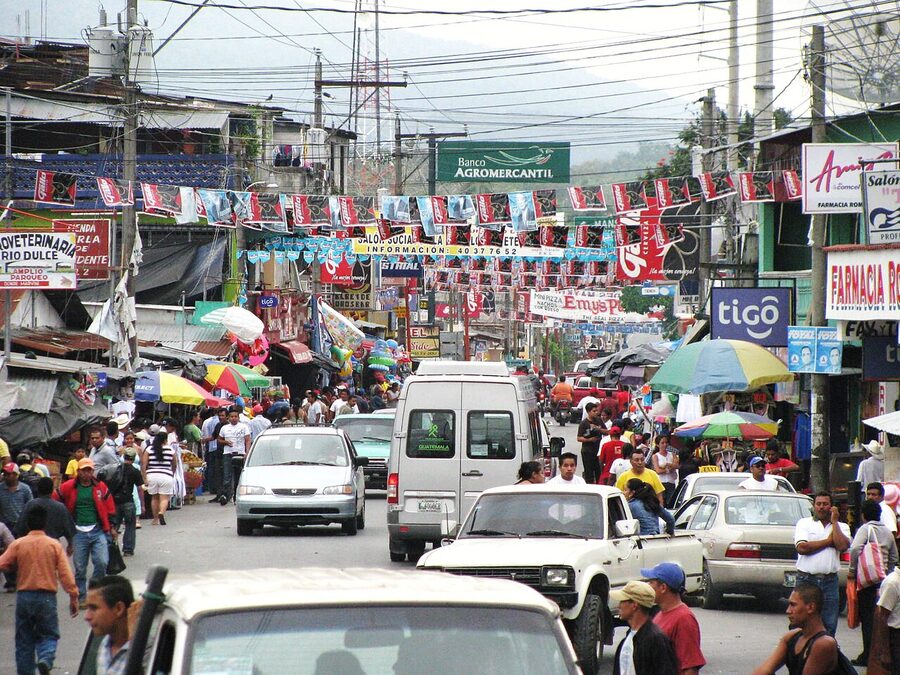
On the Caribbean side, the run from Río Dulce downriver to Lívingston is one of the most distinctive trips in the country. Lívingston is only reachable by boat. The town is Garifuna (Afro-Caribbean, descended from West African and Carib peoples, with their own language) and Q’eqchi’ Maya, and the food shows it. Tapado is a coconut-broth seafood stew you will not find anywhere else in the country. The two-hour boat ride down the canyon runs around Q200 with stops for a thermal-spring waterfall and a bird sanctuary. Plan an overnight in Lívingston if you can. From there, ferry across to Punta Gorda in Belize in two hours, or to Puerto Barrios and bus south to Copán Ruinas via the Corinto crossing.
Other Mayan ruins worth your time
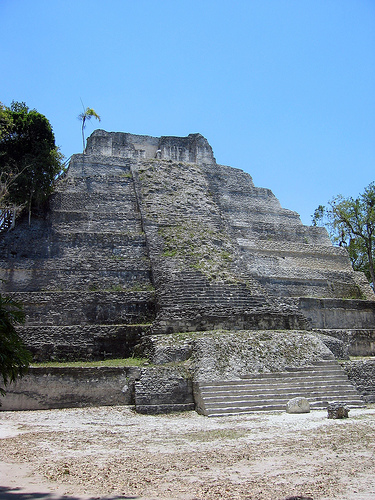
Tikal is the headline. The country is dense with secondary sites, and they are usually empty. Yaxhá is an hour east of Flores: same Petén jungle setting, far smaller crowds, sunset access, Q80 entry. Quiriguá sits between the Caribbean coast and Río Dulce: tiny by area but home to the largest carved stelae and zoomorphs in the Mayan world (Stela E here is the tallest free-standing pre-Columbian carved stone in the Americas). It pairs well with a crossing to Honduras via El Florido to Copán. Aguateca is only reachable by boat across Lago Petexbatún, deep in the western Petén; the site was sacked and burned around 800 CE and the floors of the elite residences still hold broken pottery and tools left behind.
Coffee and what to eat
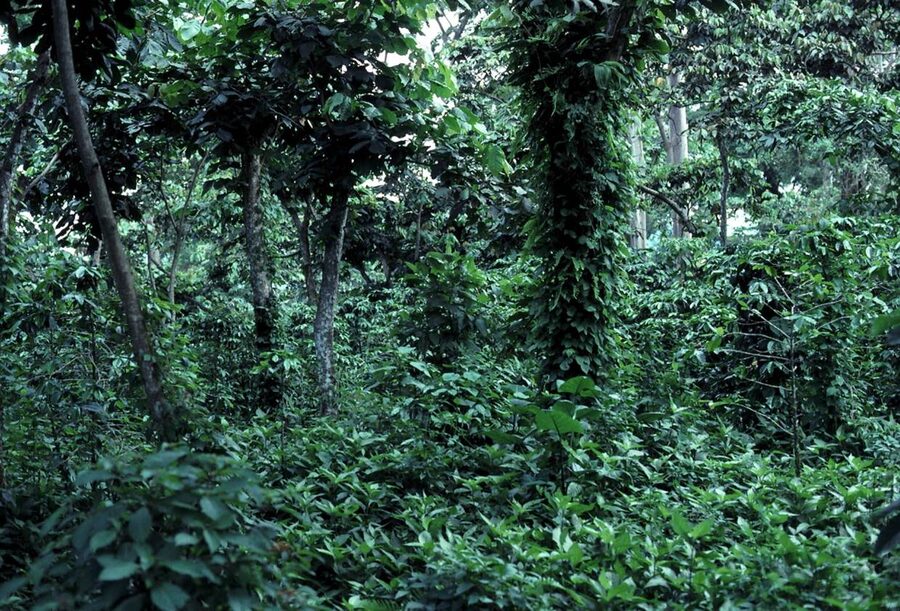
Guatemalan coffee is one of the country’s quiet exports. The volcanic soil and altitude (most fincas sit between 1,200 and 2,000 metres) produce arabica with the bright acidity and chocolate notes specialty buyers in the US and Asia pay for. Antigua is the most famous origin, but Huehuetenango in the northwestern highlands and Cobán-area fincas in Alta Verapaz are turning out coffee just as good and sometimes better. Finca Filadelfia and La Azotea outside Antigua run polished farm-to-cup tours; smaller cooperatives like De La Gente in San Miguel Escobar and Manos de Mujer around the lake are run by farming families and put more of the proceeds in farmers’ pockets.
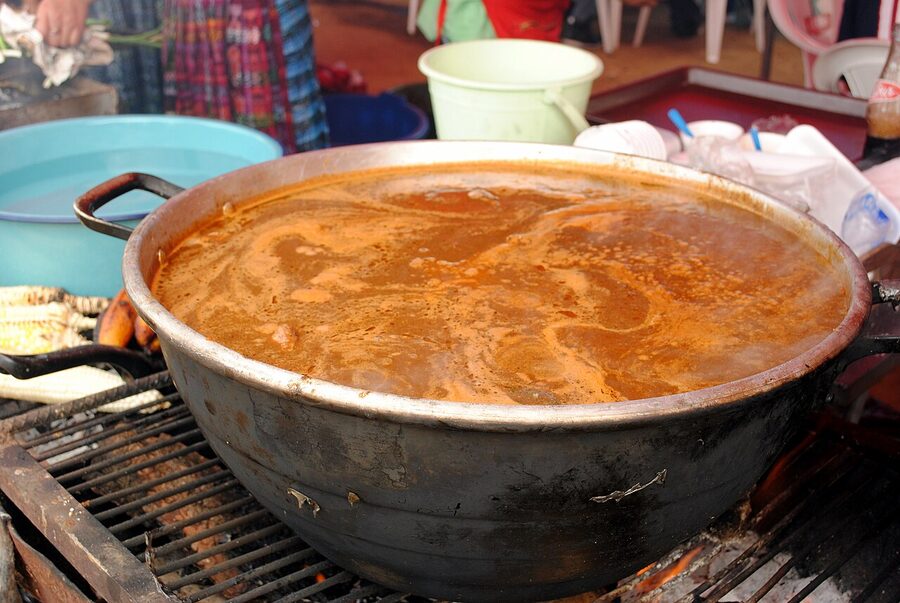
The food is underrated. Not Mexican, not Salvadoran, has its own thing. The dish to order is pepián, the national stew (slow-cooked chicken or beef in a thick sauce of toasted seeds, dried chillies and tomato; comes with rice and tortillas). Other things to look for: kak’ik, the Q’eqchi’ Maya turkey soup from Cobán, deep red from achiote and UNESCO-listed as intangible cultural heritage in 2007; jocón, chicken in a green tomatillo-cilantro-pumpkin-seed sauce, lighter than pepián; chuchitos, small tamales in corn husks with tomato sauce and crumbled cheese, sold from baskets in markets for Q5-8 each; rellenitos, fried plantain stuffed with sweet black beans (a street snack); atol, the hot maize drink served from highland comedores at dawn; and tapado, the coconut-broth seafood stew you will only find on the Caribbean coast in Lívingston (Buga Mama has the best).
To drink, Gallo is the national lager, Cabro the working-class alternative. Quetzalteca is a sugar-cane spirit you will see in plastic bottles in tiendas; a shot at altitude after a long bus is medicinal. Zacapa Centenario from the eastern lowlands is the export-quality rum and one of the best aged rums in Latin America.
Getting around
- Tourist shuttles. Minivans running the well-worn corridors (Antigua-Atitlán, Antigua-Lanquín, Antigua-Cobán, Flores-Río Dulce, Antigua-Copán). Q100-300 depending on distance. Door-to-door pickup, and you save several hours and one transfer per leg over chicken buses. For most travellers this is the right answer most of the time.
- Camionetas (chicken buses). Repurposed US school buses in chrome and circus colours. The cheapest way to move and the best way to feel the country. Slow, packed, drivers race each other on mountain roads. Daytime use only. Worth taking once.
- Pullman buses. Long-distance coaches with reclining seats. Litegua runs the Caribbean coast route. Línea Dorada and Fuente del Norte run the overnight to Flores. Hedman Alas covers the Honduras corridor including Antigua to Copán.
- Domestic flights. TAG Airlines flies Guatemala City to Flores in 50 minutes for around Q900-1,400 one-way. The land alternative is a 9 to 12 hour overnight bus, and the flight is worth every quetzal.
Uber and InDriver work in Guatemala City and Antigua. In smaller towns and around Lake Atitlán, tuk-tuks (three-wheeled mototaxis) handle short hops for Q5-15.
Spanish schools and money
If you have a week and any interest in the language, do this. Guatemala is one of the best places in the world to learn Spanish from scratch. Antigua and Quetzaltenango are the two hubs. Both have dozens of schools. The standard package is 20 hours of one-on-one per week plus a homestay with a local family including three meals a day, Q1,400-2,400 per week. Antigua is a touch more expensive than Xela, easier to settle into, prettier. Xela is harder in a useful way: fewer foreigners means more Spanish exposure and faster progress. Schools worth a look in Antigua: PLFM, Christian Spanish Academy, Academia de Español Sevilla. In Xela: Casa Xelajú, Escuela de la Montaña, El Nahual. One week of one-on-one is more language than two months of group lessons back home.
On money: ATMs are everywhere in Antigua, Guatemala City, Flores, Panajachel, Xela, and Cobán. Scarcer in San Pedro La Laguna and absent in Lanquín, so pull cash before Semuc Champey. 5B and BAC Credomatic are the most reliable banks. Cards work in mid-range and upper hotels and restaurants in Antigua and Guatemala City; mostly cash everywhere else.
Daily budgets, roughly:
- Backpacker. Q200-300 per day. Hostel dorm, comedor lunches, chicken buses, the occasional Gallo.
- Mid-range. Q500-900 per day. Private rooms, restaurant meals, shuttles, the occasional tour.
- Splurge. Q1,500 and up. Casa Santo Domingo or Casa del Mundo territory, full-service tours, internal flights.
Tipping: 10 percent in restaurants if a service charge is not already on the bill (often is in Antigua, written as “servicio incluido”). Round up taxis. Q20-40 per bag for shuttle drivers, Q50-100 per day for guides on multi-day hikes.
Safety, with specifics
This deserves a real section. The headlines you may have read are mostly about Guatemala City, often outdated or applied to specific zones at specific hours. The traveller corridors (Antigua, Atitlán, Tikal, Semuc Champey, Xela, the Pacific beach towns) are fine on a typical day.
- Antigua. As safe as small tourist cities anywhere in Latin America. Walking back to a hostel at 2 a.m. on the wrong street is a bad idea, like it would be anywhere.
- Lake Atitlán. Generally fine on the lake itself. Three caveats: skip overnight chicken buses on the highway down to Pana from Guatemala City (muggings have happened, take a daytime shuttle); the path between San Marcos and Tzununá has had robbery incidents (use the boat); basic awareness in San Pedro after midnight, like any backpacker town.
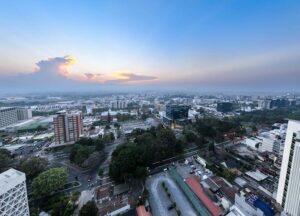
- Guatemala City. This is the place that genuinely needs care. Zona 1, the historic centre, is fine in daylight but most travellers should not be there after dark. Zona 4 and Zona 10 (Zona Viva) where the hotels are, are fine 24/7 and where you should sleep. Walking between zones is not advised. Use Uber. See the dedicated Guatemala City guide for the full breakdown.
- Volcanoes. Always with a guide. Pacaya in particular has had freelancer-robbery issues in years past. Group-with-guide is essentially incident-free.
- The Petén around Tikal. Highway robberies on night routes between Guatemala City and Flores have happened, which is part of why most travellers fly. The park itself is well-patrolled.
For the official line, the US State Department travel advisory for Guatemala sits at Level 2 (exercise increased caution) at time of writing, with named departments under more specific warnings; the UK FCDO advisory reads similarly. Both flag Guatemala City and certain border zones, not the country as a whole.
Health, water, altitude
Tap water is not safe to drink. Carry a refillable bottle and use the agua pura dispensers most hostels have for Q1-2 a litre. Brushing teeth with tap water is fine. Dengue is present, mosquito-borne, and a real concern in the Petén and along the coasts. Use repellent at dawn and dusk. Yellow fever is not endemic but you may need a vaccination certificate if you are continuing to South America.
Altitude is real if you fly into Guatemala City (1,500m) and head straight to Quetzaltenango (2,330m) or Acatenango (3,800m). Take a day to acclimatise. On the volcano, hypothermia kills more travellers than lava does. Acatenango at 3,800m at 4 a.m. with wind is a different planet from Antigua at 1,500m. Layer up. Borrow the gear bag from your operator if you do not have your own.
The shape of the trip
Here is what I would do with ten days from scratch. Land at Guatemala City, shuttle straight to Antigua (45 minutes, Q100-150). Three nights Antigua: walk the streets, eat at Fonda de la Calle Real, do a coffee finca, take a half-day Pacaya hike. Day four, sunrise Acatenango, two nights including the overnight on the volcano. Day six, shuttle to Atitlán, three nights in San Juan or San Marcos with a day trip to Chichi if Sunday or Thursday lines up. Fly out of GUA the morning of day ten, or shuttle back to Antigua for a final night. Fourteen days: slot a flight to Flores after Atitlán, two nights at Tikal, fly back. Three weeks: add Lanquín-Semuc and either Río Dulce-Lívingston or Xela for highland villages.
Guatemala rewards slow travellers more than most of Central America. Pick fewer places and stay longer. The chicken bus rides between destinations are part of the trip but they are also exhausting; spend half your week moving and you will see twice as much and remember half as much. Stay three nights somewhere instead of one. Take the Spanish class. Walk to the market in the morning. Sit with a coffee. The country rewards you for it.
For more on the region, see the Guatemala category, or jump across to the Honduras hub if you are putting a CA-4 multi-country trip together.