
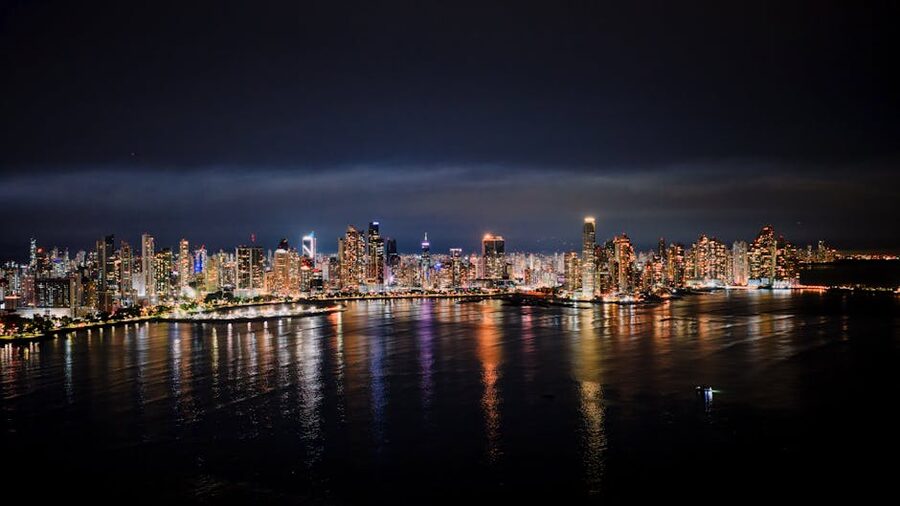
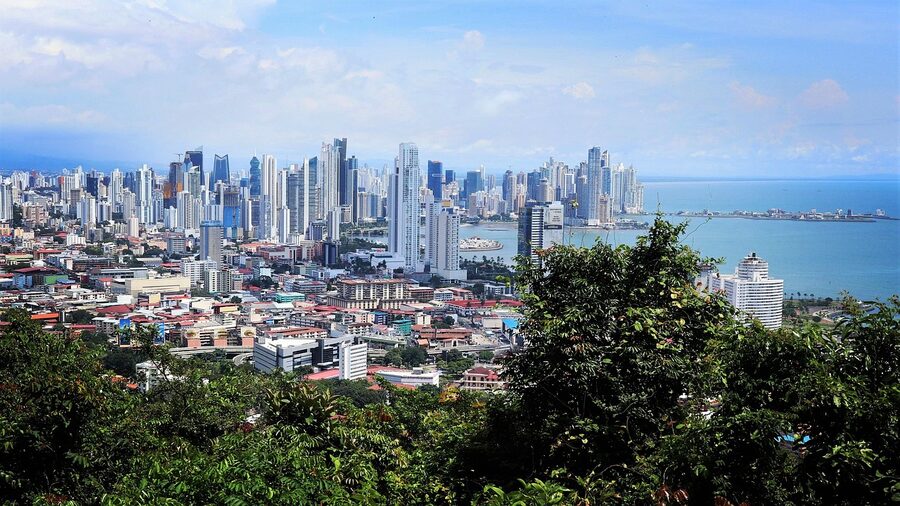
The first night I landed at Tocumen, my Uber driver took the Corredor Sur, and somewhere past the airport the skyline came up out of nothing. Glass towers stacked along the bay, the Trump building still squatting at the end like a misplaced sail, the whole thing lit up the colour of a Miami postcard. I had spent the previous three weeks crossing borders by chicken bus through Honduras and Nicaragua, sleeping in hostels with cold showers, and arriving in Panama City felt like accidentally booking a connecting flight to Singapore.
Then the next afternoon I took a $0.35 metro ride to Albrook, picked up a $5 bag of patacones at the Mercado de Mariscos, and stood watching a 70-year-old man swing a machete to crack open coconuts at a stall while pelicans dive-bombed the harbour. Panama does that. The country swings between hyper-modern finance hub and “we are absolutely still a Caribbean republic” within the same afternoon, and that’s most of the appeal.
This is the Central American country most often skipped by Western backpackers, who tend to stop at Costa Rica and turn around. That’s a mistake. Panama is cheaper than its neighbour to the north, has the best Caribbean beaches in the region (Bocas del Toro and the otherworldly San Blas / Guna Yala), the only volcano you can summit and see two oceans from on a clear day (Volcán Barú), and a colonial old town that holds its own against Cartagena or Antigua Guatemala. The food won’t blow you away. The country itself absolutely will.
Below is a working guide to the parts of Panama worth your time, how to move between them, what it costs, and where the country is honestly less interesting than the brochures claim.
In This Article
- Why Panama is different from the rest of Central America
- When to go
- How long you need
- Panama City
- The Panama Canal
- Bocas del Toro
- San Blas / Guna Yala
- Boquete and Volcán Barú
- El Valle de Antón
- The other places worth your time
- Getting around
- Food
- Safety
- Costs
- Practical bits
- Where Panama fits in your bigger trip
Why Panama is different from the rest of Central America
A few practical things to get out of the way before the regional run-down, because Panama breaks several patterns travellers learn elsewhere in the isthmus.
Panama is not part of the CA-4. Honduras, Guatemala, El Salvador, and Nicaragua share a single 90-day stamp; Panama has its own 180-day tourist entry. The same applies to Costa Rica on the other side. Coming from a CA-4 country, you get a fresh stamp at Paso Canoas or the Sixaola crossing, and your CA-4 days are already finished anyway. This is good news if you’re touring the region on a long trip.
Panama uses the US dollar. The official currency is the balboa, but only the coins exist physically (a balboa coin equals one US dollar; you’ll see them mixed with US quarters and nickels in change). Paper bills are all USD. Prices in this guide are in USD because that’s what you’ll actually use.
Panama is on UTC-5, an hour ahead of the rest of Central America. Crossing from Costa Rica at Paso Canoas, you advance your watch. Worth checking before you book a connecting bus that “leaves at 4pm” because that 4pm might be Costa Rica time or Panama time depending on who wrote the schedule.
And the country is the most developed in the region by a long stretch. Highest GDP per capita in Central America, an actual metro system in the capital, working internet almost everywhere outside Guna Yala and the Darién. If you want a comfortable last stop after a rougher trip through Honduras or Nicaragua, this is where to land. If you’re chasing the off-grid backpacker thing, you’ll find it on the Caribbean side, but it costs work to get to.
When to go
Panama has two seasons, called by their effects rather than their weather.
The dry season runs roughly mid-December through mid-April. Skies are clear, the trade winds blow on the Caribbean side, and Bocas del Toro and Guna Yala look the way the photos suggest. Boquete and the highlands stay cool and pleasant. This is also when prices spike, weekends in the Pearl Islands and El Valle de Antón are jammed with Panamanians from the capital, and the better hotels in San Blas need to be booked weeks ahead.
The green season (also called rainy or invierno, winter, even though it’s the local summer in the literal sense) runs May through November. Rain comes in afternoon bursts most days, mornings stay clear, and the country goes a different shade of green. Prices drop, beaches empty out, and surf on the Pacific side picks up. The downside: Bocas del Toro can sit under cloud for days, the Caribbean visibility for diving drops, and the Darién Gap weather is genuinely awful. October and November are the wettest months.
Hurricane risk is essentially nil. Panama sits below the standard Atlantic hurricane belt; storms that hit Honduras or Belize peter out before they reach here. This is one of the things the region’s climate guides quietly count in Panama’s favour.
If you can only travel one window: late January through early March. Dry, warm, less mobbed than the Christmas-New Year peak, and Bocas is at its postcard-best.
How long you need
This is the question I get asked most. Honest answers, by trip length:
5-7 days is enough for Panama City + one other place. Combine 2-3 nights in the capital (Casco Viejo, the Canal, a day trip to Soberanía) with 3-4 nights in either Bocas del Toro for the Caribbean angle or Boquete for the highlands. Don’t try to do both, you’ll spend the trip in transit.
10-14 days is the sweet spot. Panama City + Bocas + Boquete works comfortably. Or Panama City + Bocas + Boquete + a Caribbean detour to the San Blas islands at the end. This gives you the country’s full range: skyline, jungle canal, surf, cloud forest, and the Caribbean. Most travellers who do this trip finish thinking they could have used another week.
3 weeks or more opens up Santa Catalina (surfing and the Galápagos-of-Panama dive sites at Coiba), the Pearl Islands, El Valle de Antón as a sloth-and-orchid weekend stop, and Portobelo on the Caribbean side. If you’re heading on to Colombia by sailboat through Guna Yala, you need at least three weeks to do Panama itself justice first.
Panama City
Panama City divides cleanly into a few zones, and where you stay shapes the whole trip.
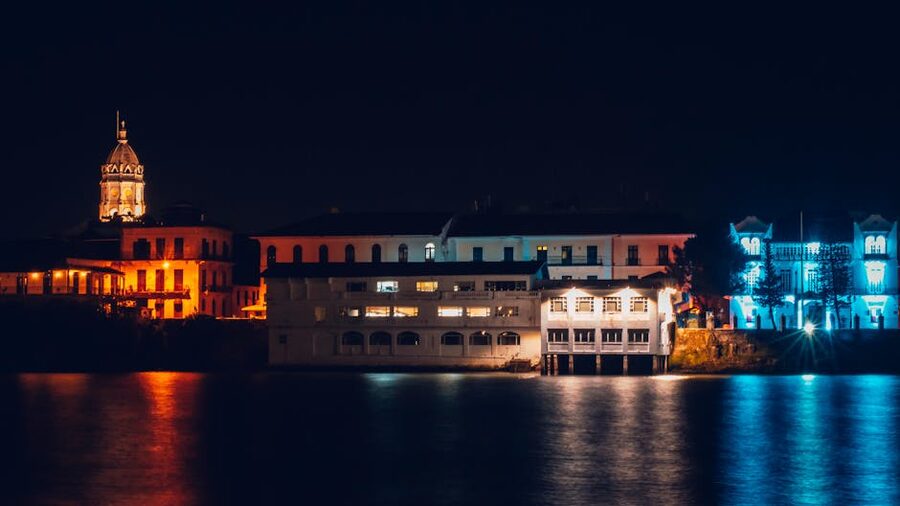
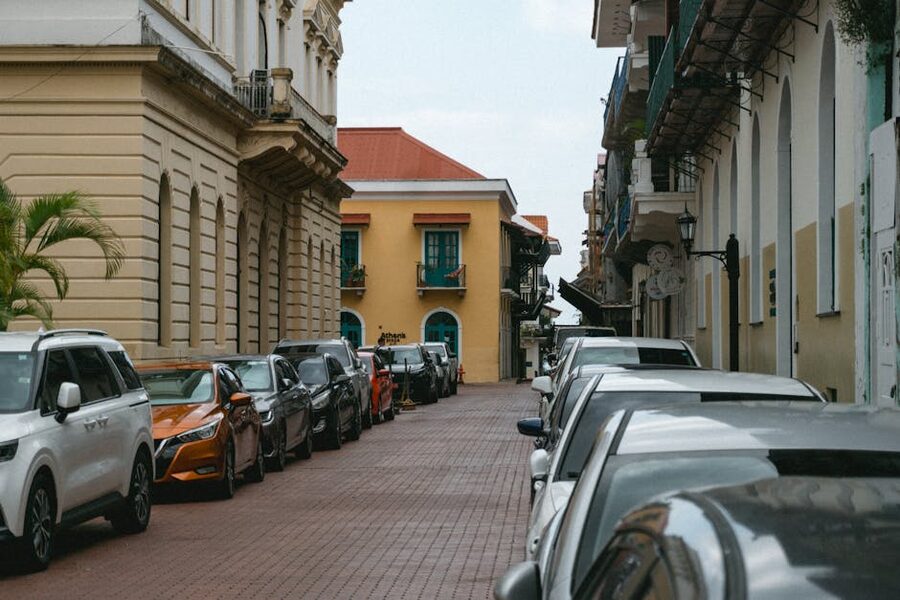
Casco Viejo (San Felipe) is the colonial peninsula and where most travellers should sleep at least their first two nights. It’s a UNESCO site, walkable end to end in 20 minutes, and packed with restored 18th and 19th century buildings now converted into restaurants, rooftop bars, and small hotels. It’s also a textbook gentrification project, the renovation only stretches three or four streets in, and the edges of the old town get rough quickly. El Chorrillo, the neighbourhood directly beside Casco, is one you walk through, not around. Don’t wander it after dark.
Bella Vista, El Cangrejo, and Marbella are the modern districts. This is where the expats live, where the chain hotels are, and where you’ll eat most of the better non-tourist restaurants. El Cangrejo has the city’s best Indian, Lebanese, and Peruvian food in a six-block stretch. Marbella has the rooftop bars with the city-skyline reflection shots.
Punta Pacífica is where the cruise-ship pictures of Panama City actually come from, with the JW Marriott (which used to be the Trump Ocean Club) and the Yoo Tower. There’s nothing for travellers to do here. It’s a residential cluster of glass towers. Worth a walk-by, not a stay.
Albrook is the bus terminal, the domestic airport (Marcos A. Gelabert), and a giant mall. Almost no reason to be here unless you’re catching a long-distance bus, but if you are, the terminal is one of the cleaner and better-organised in Central America. Long-distance buses to David and beyond all leave from here.
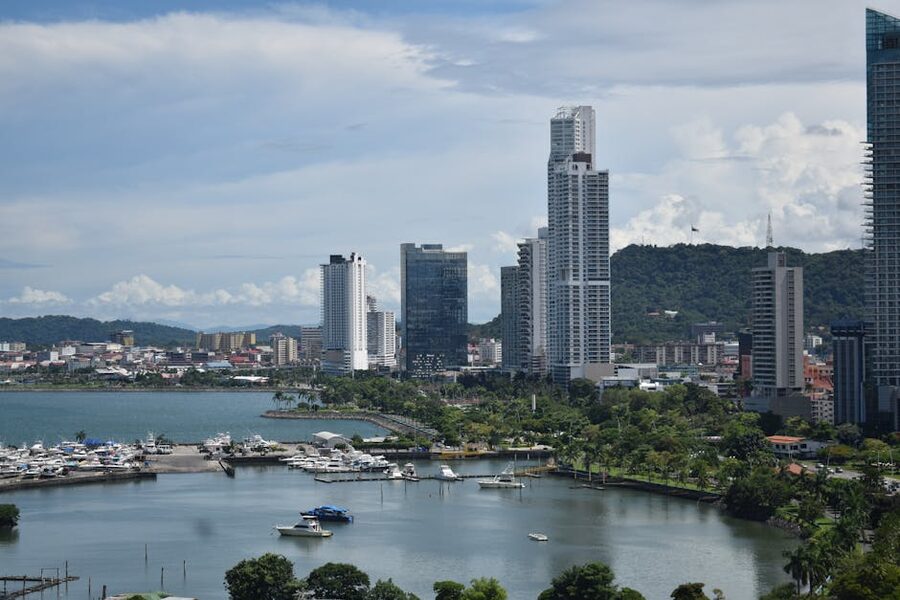
Causeway Amador is the breakwater the Americans built using rocks excavated from the canal, joining four small islands to the mainland. You can rent a bike for $5 an hour and ride the 6km loop with the skyline on one side and the Bridge of the Americas on the other. The Frank Gehry-designed Biomuseo (admission $19) sits at the start. It’s a fine 90-minute museum; not a destination in itself.
For food, the Mercado de Mariscos on the edge of Casco Viejo is the must-do. The upstairs is a sit-down restaurant area where they cook whatever you point at downstairs; the cluster of stalls outside on the Cinta Costera side does $3 plastic cups of ceviche that you eat standing up while watching boats unload. Get the pulpo (octopus) ceviche with a Balboa beer. This is one of the best $5 meals in the Americas.
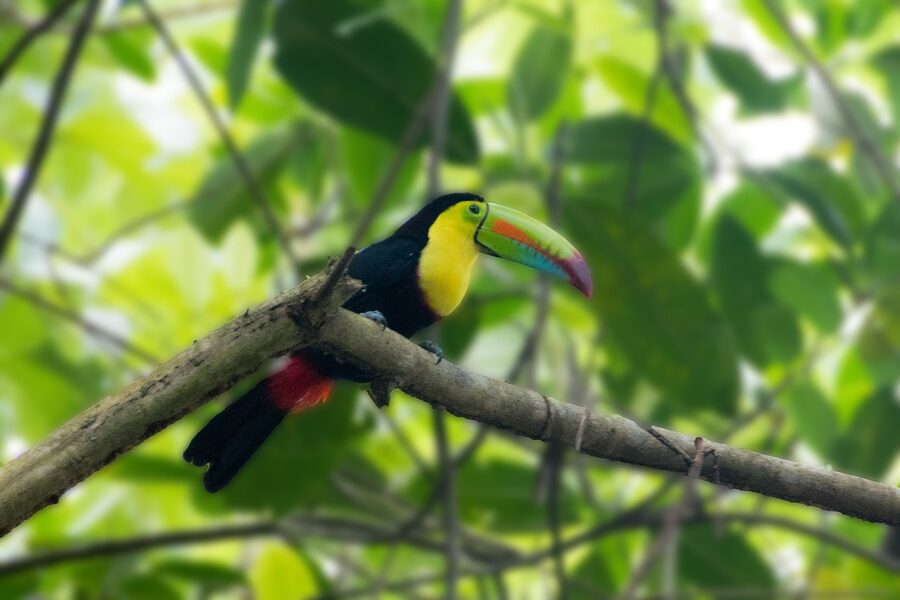
For day trips from the city, the easiest is the Miraflores Locks at the Panama Canal (more on that next). The Soberanía National Park is 25 minutes north and has more bird species than most countries; the Plantation Trail is a flat 6km walk where you’ll likely spot toucans, sloths, and capuchin monkeys. Taboga Island is a 30-minute ferry from the Causeway and the closest beach escape, though it’s modest compared to anything you’ll find on the Caribbean side.
The Panama Canal
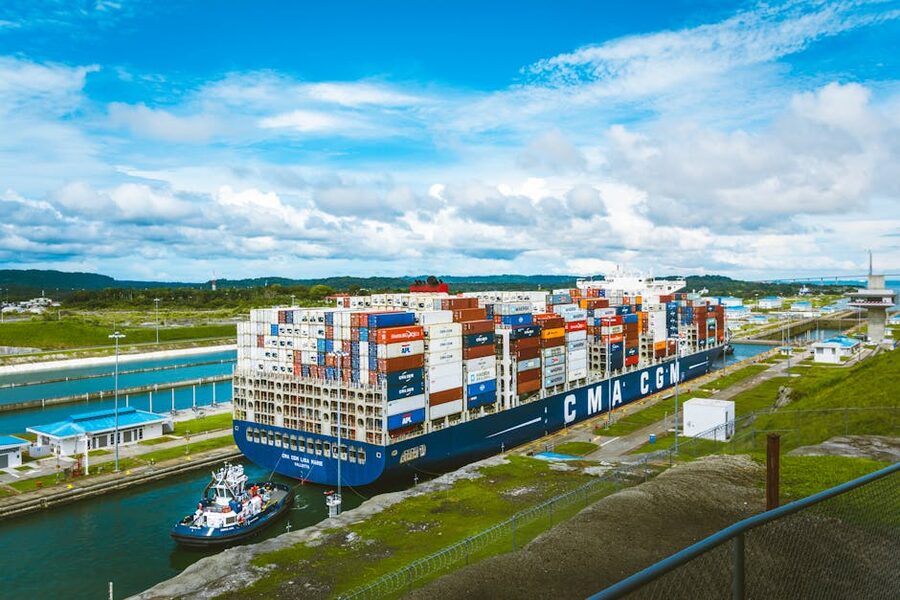
The Canal is the reason Panama exists as an independent country (the US backed Panamanian separation from Colombia in 1903 specifically to build it), and even if you’ve seen ten YouTube videos, watching a 200,000-tonne container ship rise 26 metres in three minutes is worth your morning.
Three places to see the Canal, in order of useful:
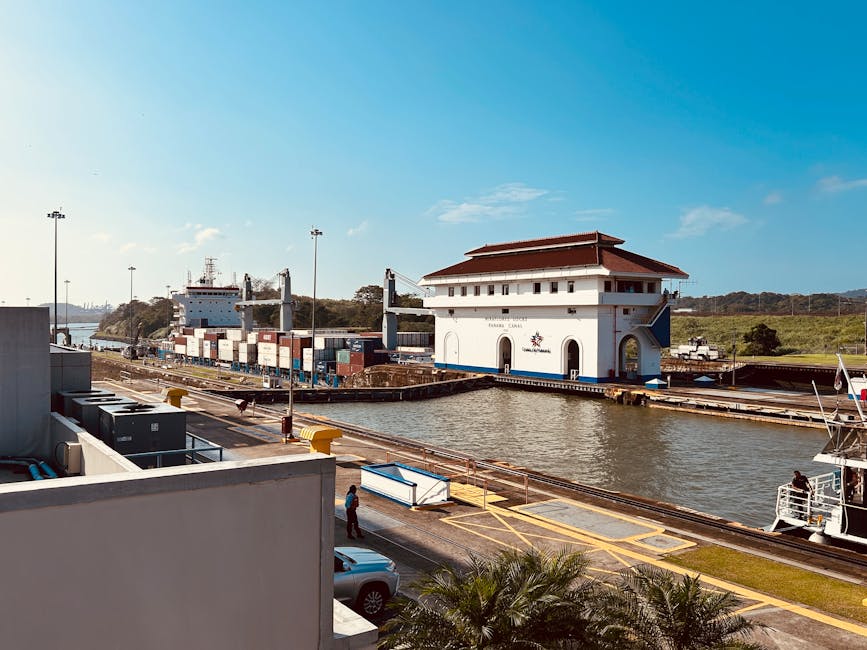
Miraflores Locks on the Pacific side is what most travellers do. Admission to the visitor centre is around $20 for the museum and viewing decks. Time your visit to a transit window (9am-11am eastbound, 3pm-5pm westbound, but check the schedule on the Panama Canal Authority website the day before, it shifts) or you’ll watch empty locks. Buses from Albrook station run there hourly for under $1.
Agua Clara Locks on the Caribbean side near Colón is newer (opened 2016 with the expansion) and handles the larger Neopanamax ships. Less crowded, the engineering is more impressive, and the surrounding scenery is denser jungle. Getting there independently from Panama City is harder; most travellers do it on a tour, or rent a car.
Partial transit tours let you ride a small boat through the Miraflores or Pedro Miguel locks. Operators run these on Saturdays and they’re not cheap (around $200), but it’s the only way to actually transit the Canal short of crewing on a sailboat headed for Colombia. The full transit (ocean to ocean) is a 9-hour day.
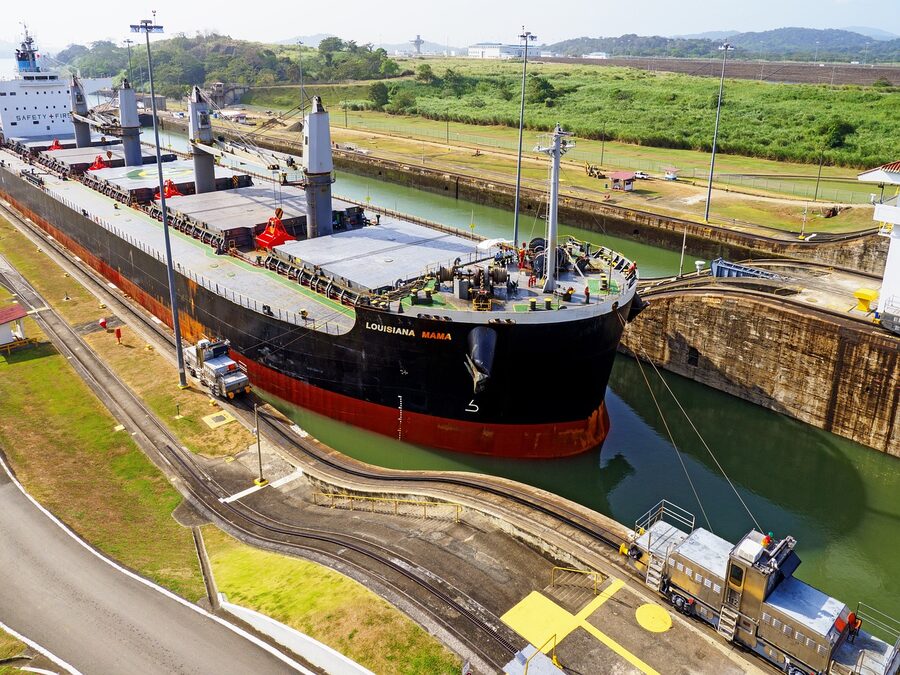
Skip the dedicated Canal museum in Casco Viejo unless you’re a real engineering enthusiast. The exhibits at Miraflores cover the same ground better and you get the actual locks alongside.
Bocas del Toro
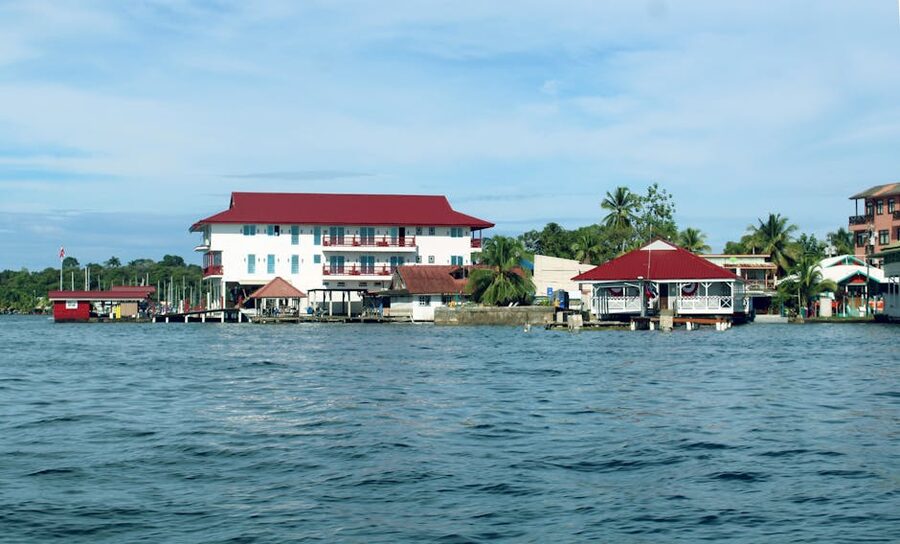
Bocas del Toro is Panama’s main backpacker draw and the country’s only true Caribbean archipelago you can reach without the Guna logistics tax. Nine main islands, dozens of smaller ones, and a vibe pitched somewhere between Belize and Roatán.
Most people land in Bocas Town on Isla Colón. Wooden Caribbean clapboard buildings on stilts over the water, half of them painted in colours that wouldn’t pass muster anywhere else. It’s a working town and a party town. Mondays are quiet. Wednesday at Filthy Friday (a roving bar crawl) is when the hostels empty out and the bay looks like a music video. If you’re past 30, you can absolutely have a good time here, but be deliberate about which hostel you book, staying at Selina or Aqua Lounge means committing to the noise.
The pretty stuff is on the other islands. Isla Bastimentos is a 10-minute water taxi away and quieter, with Red Frog Beach on its eastern side (you pay a $5 reserve fee at the trail entrance) and the Old Bank village which has Afro-Caribbean roots and a different feel from the mainland. Starfish Beach on the north end of Isla Colón itself is the calm shallow flats with, yes, lots of starfish, that show up on every Bocas Instagram post. Get there early; the day-trip boats from Bocas Town start arriving at 11am.
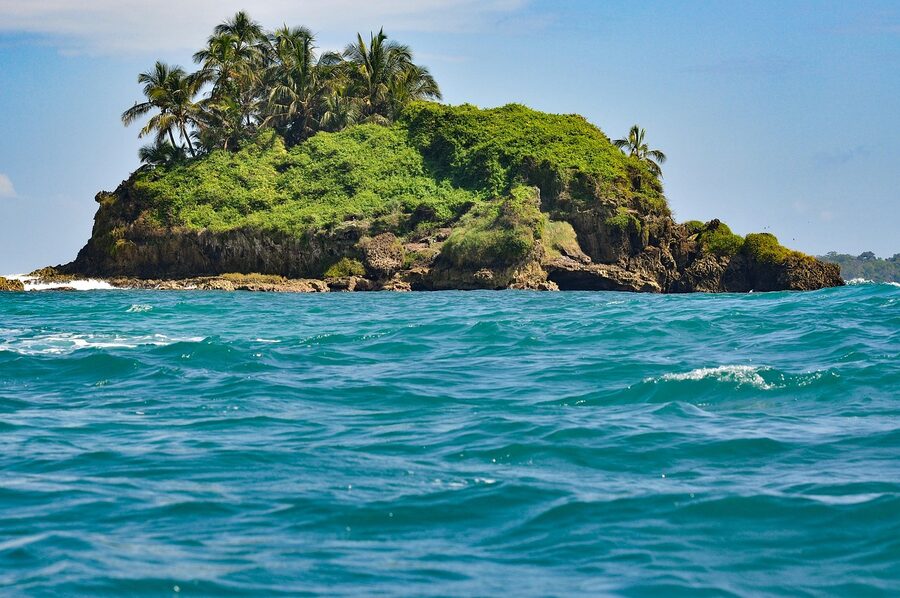
The serious snorkelling and diving is at Cayos Zapatillas in Bastimentos National Marine Park, two uninhabited cays about 90 minutes by boat from Bocas Town. Day-trip boats from town run for around $30 and usually combine the cays with Red Frog or Starfish. If you dive, the water clarity is best in the dry season; a two-tank boat dive runs $80-90 with an established outfit like La Buga or Bocas Dive Center.
Getting there: most travellers fly Air Panama from PTY (the international airport) to Bocas (BOC) on a Twin Otter, about $130 one-way and a 1-hour flight. The cheap option is the bus from Albrook to Almirante (8-9 hours, $30) plus a 30-minute water taxi to Bocas Town ($6). The night bus is a real option if you don’t mind sleeping sitting up. Coming from Costa Rica, the Sixaola crossing puts you on the Caribbean side directly.
San Blas / Guna Yala
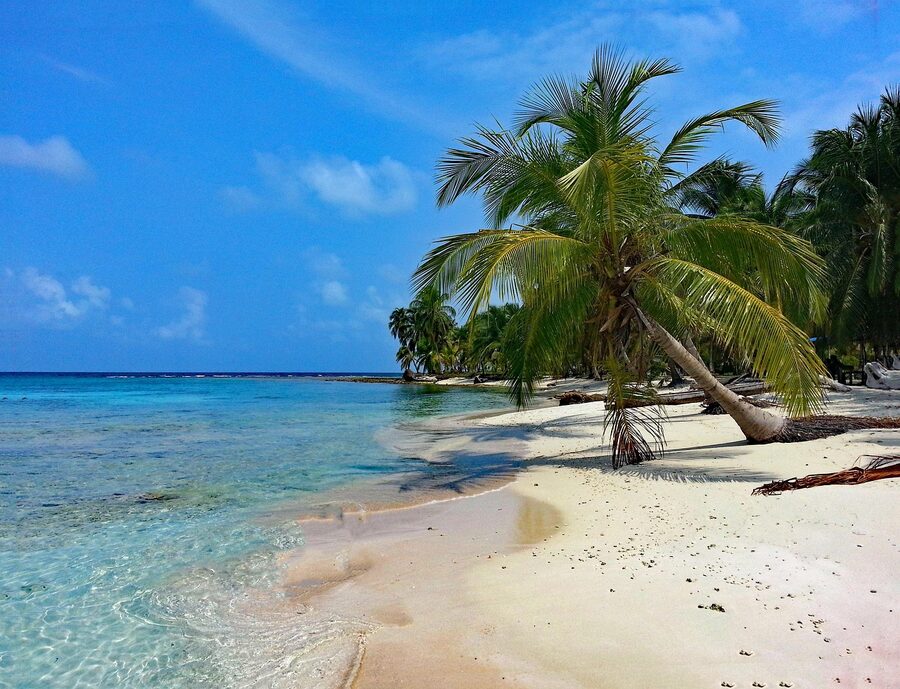
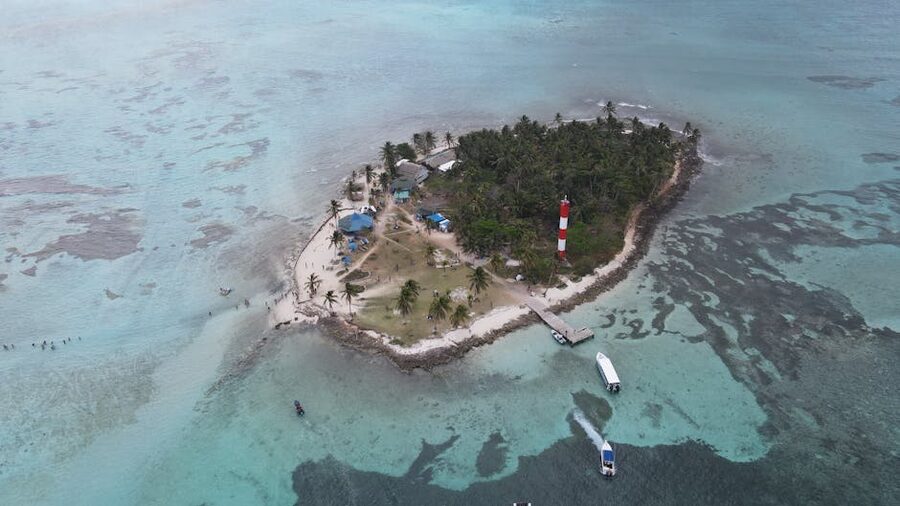
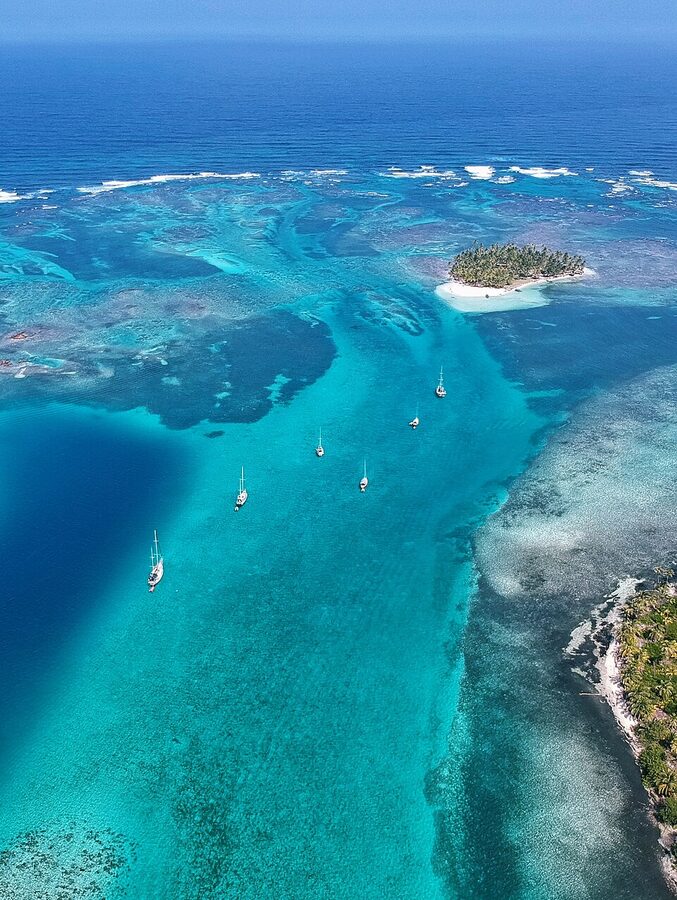
The San Blas islands (officially Guna Yala, the Guna started insisting on the local name about a decade ago) are the strongest argument for Panama as a destination, and also the trickiest one to plan. About 365 small Caribbean islands strung along the country’s north coast, of which 49 are inhabited by the Guna people, who run an autonomous indigenous territory and decide who goes where.
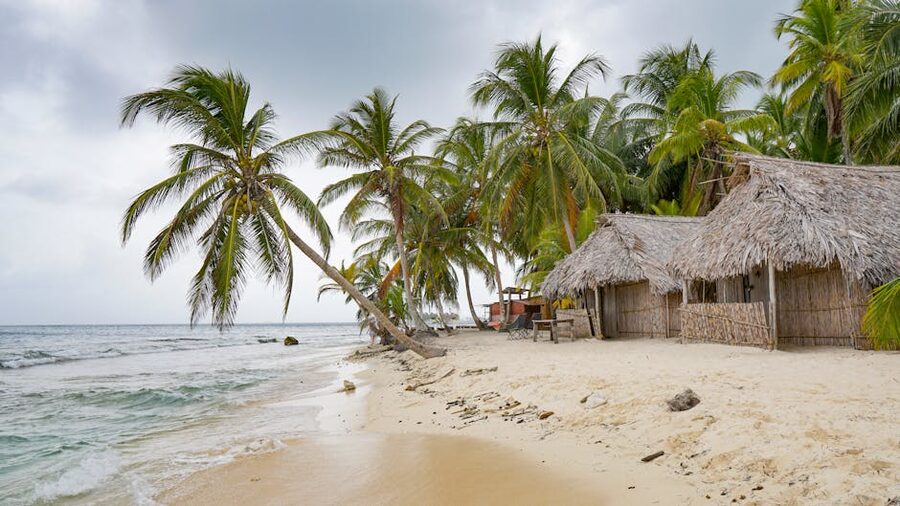
You cannot just turn up. Access requires a Guna-permitted tour operator, a 4×4 transfer over the Llano-Cartí mountain road (3 hours from Panama City through serious switchbacks), then a panga boat to whichever islands you’ve signed up for. The Guna take a $20 entrance fee at the gate and another $20 per island you visit; this is non-negotiable, in cash, in dollars.
The standard options are a 1-day trip ($120-150 from Panama City, leaves at 5am, you get maybe four hours on the islands), or a 2-night/3-day stay in cabañas on one of the inhabited islands ($200-250 all-in including transfers, three meals a day, and boat tours to swimming spots and starfish-pool reefs). The 3-day option is the one I’d push you towards. The travel time eats most of a 1-day trip; on a 3-day stay you actually settle in.
If you have time and budget, the sailing trip from Panama to Cartagena is the most-romanticised option. Five days from Portobelo or Puerto Lindo through the islands and across the open sea to Colombia, $550-650 per person all-in. You sleep on the boat, three meals included, two days of pure island stops in the middle. This is the trip where the captains genuinely matter, research the boat and the captain on the relevant Reddit threads before you book, not on the agency’s website.
One honest warning: the Guna islands have very limited infrastructure. No ATMs anywhere in the territory. Limited electricity (most cabañas run a generator a few hours a night). Water comes from rain catchment and you should drink only the bottled stuff. The toilets are basic. If you want a luxury Caribbean experience, this isn’t it. If you want one of the last genuinely under-developed indigenous-controlled island chains in the Americas, this is exactly it.
Boquete and Volcán Barú
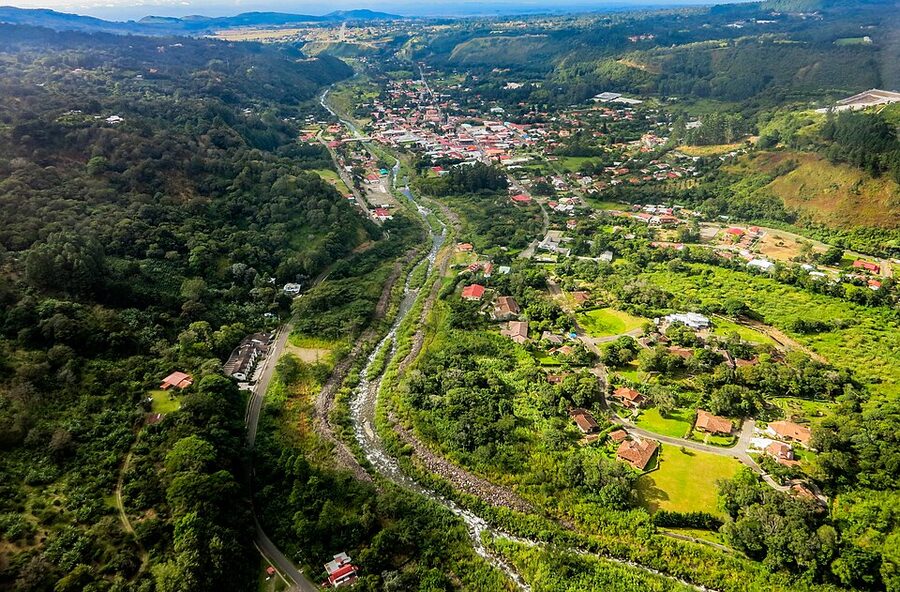
Boquete is the highland counterpoint to the Caribbean, a small town in the Chiriquí mountains at about 1,200m, surrounded by coffee farms, cloud forest, and the slope of Volcán Barú. It’s the country’s outdoor-adventure capital and also a major American expat retiree town, which gives the main street a slightly weird feel, half granola hostels, half retirement-home cafés selling pumpkin spice in October.
Most travellers come to Boquete from the gateway city of David, which is the capital of Chiriquí Province and where your bus or flight will land. The 1-hour bus from David’s terminal up to Boquete runs every 25 minutes, costs $1.75, and is one of the prettier transfers in the country. Coming from Costa Rica, you’d cross at Paso Canoas, take the local bus to David, and connect from there.
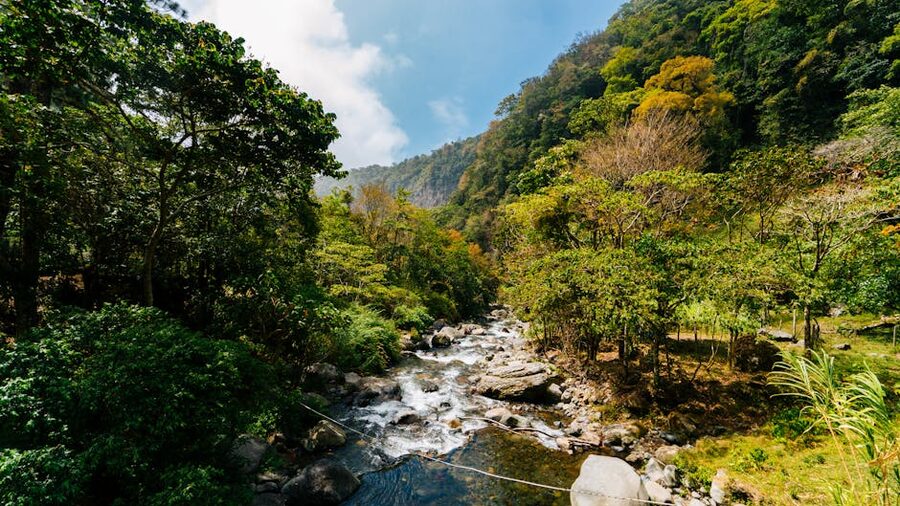
Things to actually do here:
Sendero Los Quetzales is the headline hike, a 8km point-to-point trail that goes from Cerro Punta to Boquete (or reverse) through pristine cloud forest. The quetzal sightings give it the name; February through May is the best window. You arrange transport at one end and walk to the other; the Boquete-side trailhead is 30 minutes by 4×4 from town. Allow 5-7 hours. Solo is fine if you start early and the weather is clear.
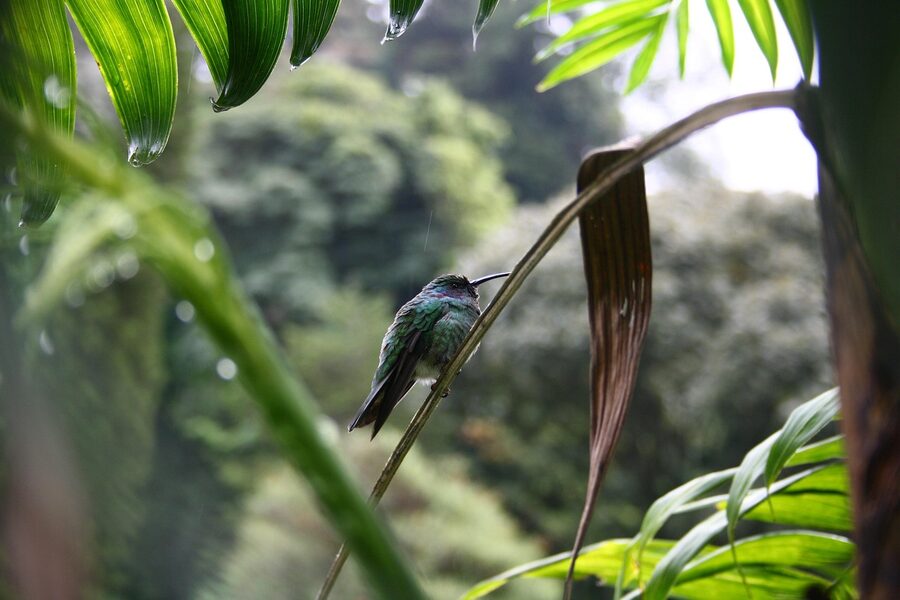
The Lost Waterfalls (Cascadas Escondidas) is the easier hike, three waterfalls connected by a 3-hour loop trail through dense forest, $10 entrance, the kind of butterfly-and-hummingbird overload the brochures actually deliver on. Start early; the cloud usually rolls in by midday.
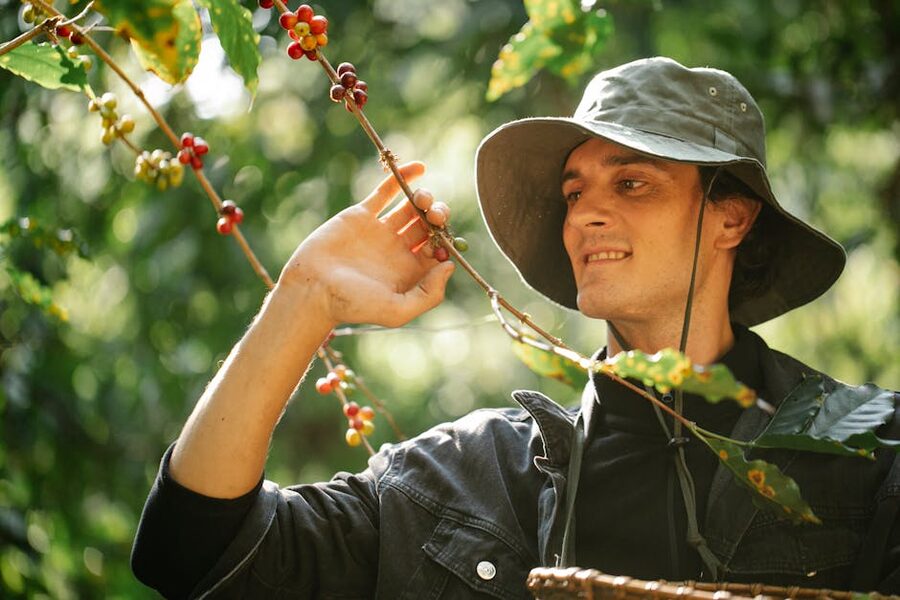
Coffee farm tours are why Boquete sits on the world coffee map. The Geisha bean varietal grown on Hacienda La Esmeralda’s farms here regularly sells for over $2,000 per pound at auction, the most expensive coffee in the world. You can’t visit La Esmeralda directly, but Finca Dos Jefes and Finca Lerida do excellent 2-3 hour tours for $30-40 with tasting included. Book a day or two ahead.
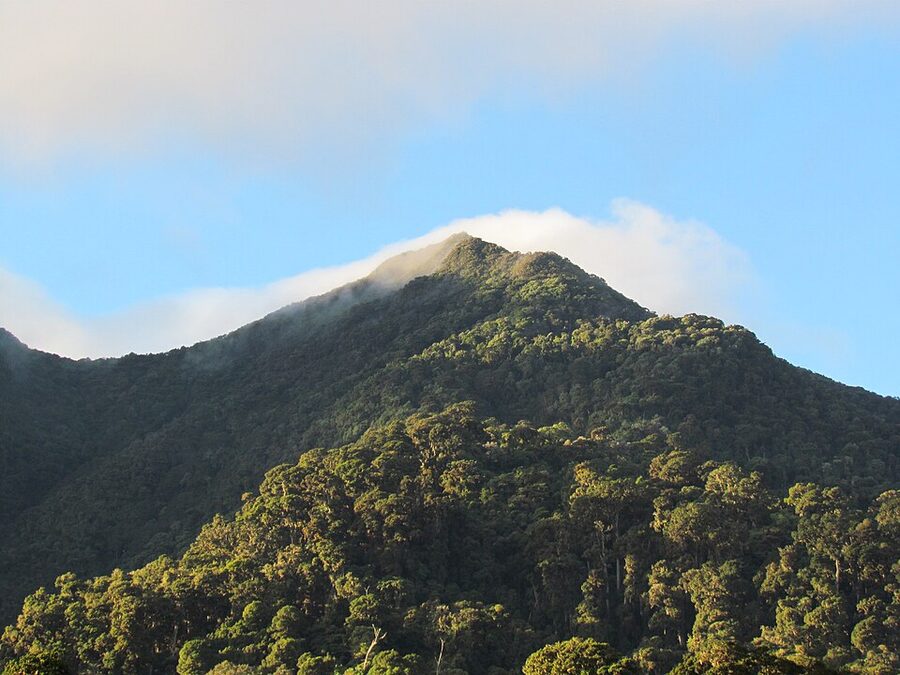
Volcán Barú is the highest point in Panama at 3,475m and the country’s only volcano. On a clear morning you can see both the Pacific and the Caribbean from the summit at the same time, which sounds like a tourism-board claim until you actually see it. The standard hike is brutal, 13km up the west road, 1,800m of elevation gain, and most people start at midnight to summit for sunrise. It’s possible solo but I would not. Do it with a guide or join one of the group hikes from town ($75 person, includes transport to the trailhead and a porter for the heavy gear).
The 4×4 alternative, getting driven up the access road in a jeep at 3am, costs around $135 for the round trip and lets you skip the climb. It’s not cheating exactly, but the satisfaction of the hike isn’t there. Pick your priority.
El Valle de Antón
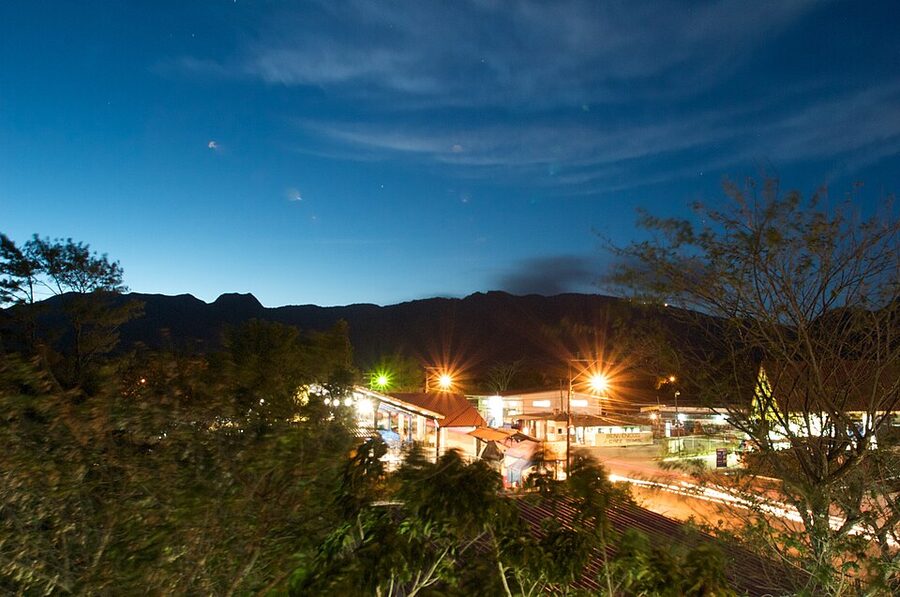
About 2.5 hours west of Panama City sits an entire town inside an extinct volcanic caldera. El Valle de Antón is the Panamanian weekend escape, the city traffic on the way out on Friday afternoon tells you everything, and a worthwhile stop if you have an extra two days.
The crater itself is hard to see at street level; you only get the geology when you hike the rim. Cerro Cara Iguana (Iguana Face Mountain, named for its profile) is the standard half-day hike, 3 hours up and back, with the wind funnelling along the rim hard enough to push you sideways near the top. Worth the effort. Cerro Gaital is the longer harder option.
In town, the Sunday market (5am-12pm) is the reason most Panamanians visit, fresh produce from the highlands, basket weaving from local Ngäbe artisans, plus orchids and bromeliads sold by the hundred. The local Aprovaca orchid centre ($5) has 150+ species in a small greenhouse complex; the El Níspero zoo houses captive populations of golden frogs, the country’s national amphibian, which has been functionally extinct in the wild for 15 years and exists almost entirely in captivity now.
The hot springs at Pozos Termales are modest, three concrete pools fed by genuinely hot mineral water, $5 entrance, more atmospheric than spectacular.
El Valle is doable as a long day trip from Panama City but better as a one-night stop. There’s no real bus station; you take a Panama City to Penonomé bus from Albrook ($5, 2 hours), get off at Las Uvas, and grab a local bus or taxi to El Valle (15 minutes, $5).
The other places worth your time
If you have more than two weeks, three other regions deserve a look.
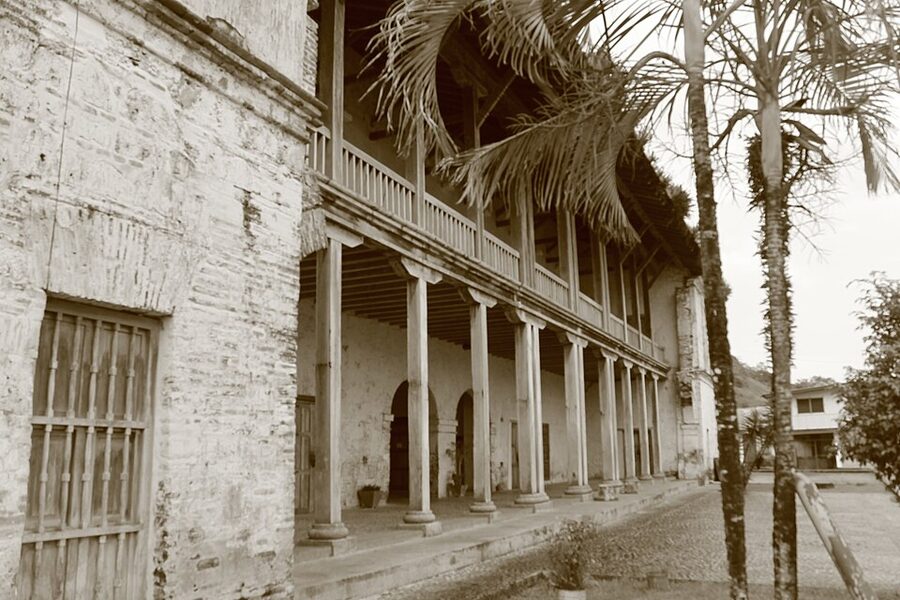
Portobelo on the Caribbean side, 90 minutes north of Panama City, is a sleepy town with a UNESCO-listed cluster of 17th-century Spanish forts. This was where Spain shipped looted Peruvian silver back to Europe, and where Henry Morgan and Francis Drake came calling repeatedly. The forts are in evocative ruin, free to enter, and you can clamber on the canons. The town itself is Afro-Panamanian, with Congo dance traditions, and feels closer to coastal Colombia than to Panama City just two hours away. Stay one night minimum; coming as a day trip means too much time on the road.
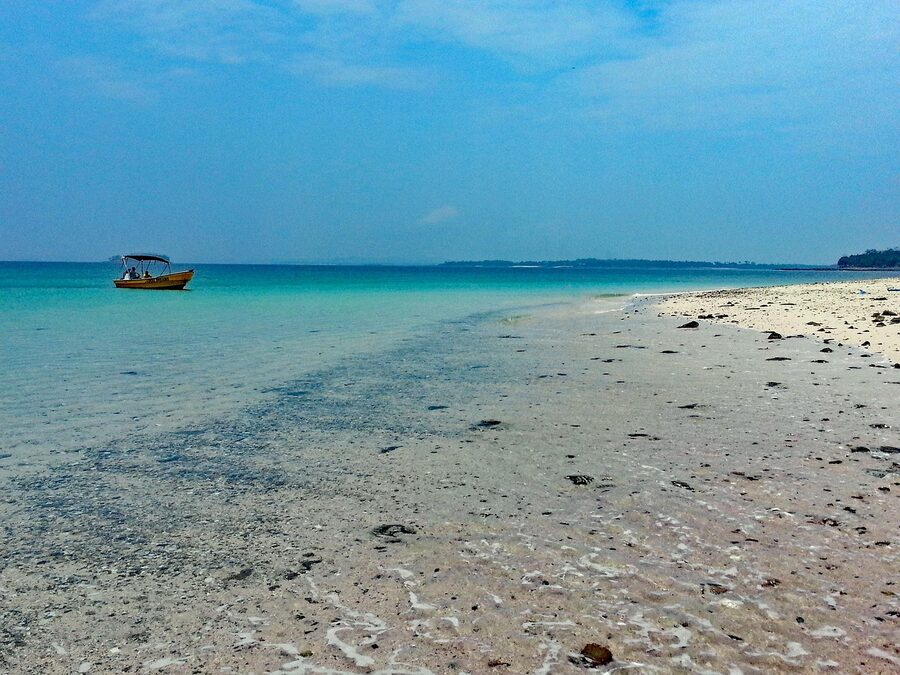
The Pearl Islands in the Pacific are accessible by an hour-long ferry from Panama City, mostly to Contadora Island. Smaller and less developed than Bocas, with humpback whales offshore from June through October. There are no real backpacker hostels here; the cluster of mid-range hotels and a couple of all-inclusives is the inventory. If you have a week and want a quieter beach week, this works.
Santa Catalina on the Pacific is six hours west of Panama City, the country’s surf town, and the gateway to Coiba National Park, the marine reserve sometimes called the Galápagos of Panama for its hammerheads, mantas, and sea turtles. The diving here is legitimately world-class, and the reason it isn’t more famous is purely about access (six hours from PTY, plus a boat ride). Two-tank dives at Coiba run $130-150. Surf is consistent year-round, with the bigger swells in the green season. Stay at one of the surf camps along the black-sand beach.
Getting around
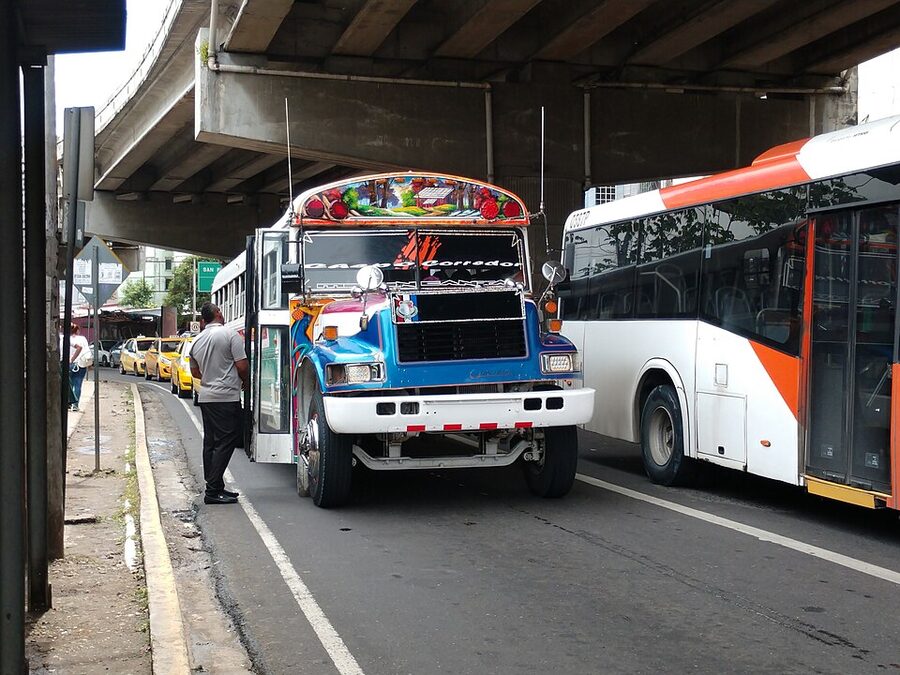
Panama is small enough that you can move easily. The bus network is cheap and decent.
Long-distance buses all leave from the Albrook terminal in Panama City. Main routes: Panama City to David is 6-7 hours and $18; Panama City to Almirante (for Bocas) is 9-10 hours and $30. Buses are modern and air-conditioned. Bring a fleece; the AC runs hard.
Air Panama runs domestic flights from PTY (and the Albrook regional airport) to Bocas (BOC), David (DAV), and a handful of other airstrips. A flight to Bocas saves you 8 hours of bus time for $130 one way. To David, the flight is $130 vs the bus at $18, so easier to justify the bus on this one unless you’re tight on time.
In Panama City: Uber works everywhere, is cheaper than street taxis, and avoids the “gringo tax” most cabbies will try on you. The metro is two lines, 35 cents a ride, clean, fast, the only metro in Central America. Renting a car is reasonable for the highlands and Pacific coast (around $35-50/day). Skip the rental for Panama City itself.
The Darién Gap, the roadless jungle between Panama and Colombia, comes up. Don’t try to cross it. The migrant route has become genuinely dangerous over the past few years, with cartel activity, armed robbery, and frequent deaths. The fastest legitimate route from Panama to Colombia is a flight ($120-180) or the Guna Yala sailboat trip mentioned above.
Food
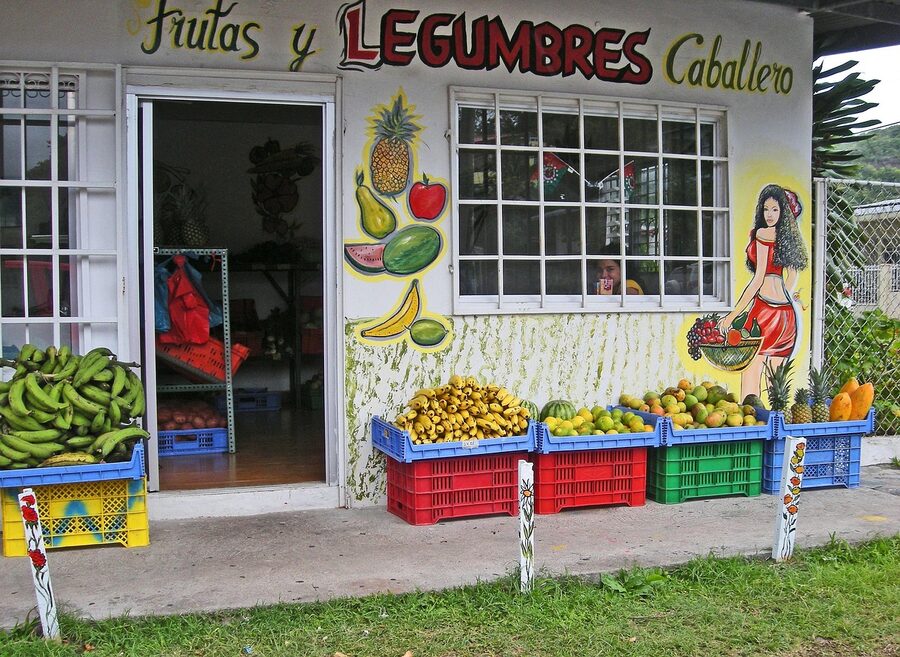
I’ll be straight with you: Panamanian food is not the regional standout. Honduras has baleadas, El Salvador has pupusas, Belize has rice-and-beans-with-stew-chicken; Panama has solid versions of standard Latin American dishes without a real signature. That said, the seafood is genuinely excellent, and the upper end of the Panama City restaurant scene is the best in Central America full stop.
The standards on every menu: sancocho de gallina (chicken soup with yuca, the unofficial national dish), ropa vieja (shredded beef in tomato sauce, the Cuban dish naturalised here), patacones (twice-fried plantain medallions), hojaldras (fried dough triangles for breakfast), and arroz con pollo. None of these are bad. None of them are particularly memorable.
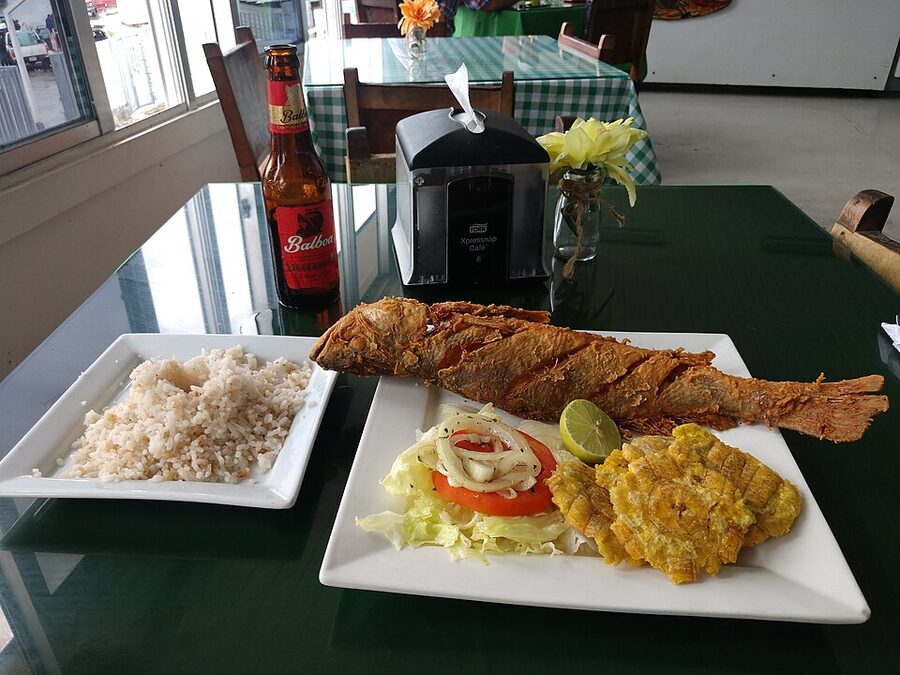
The standout is the seafood. Panamanian ceviche, usually corvina or pulpo, served in plastic cups with crackers, is the best in the region for the price. The Mercado de Mariscos has 20-odd stalls selling it for $2.50-4 a cup. Pescado frito (whole fried fish) with coconut rice and patacones is the standard set lunch on both coasts.
For the higher-end, Casco Viejo is where it lives. Donde José does a 14-course tasting menu of Panamanian ingredients (around $130; book three weeks ahead). Maito (in San Francisco) regularly makes the World’s 50 Best Restaurants list. Fonda Lo Que Hay, also in Casco, is the casual sister project at half the price and arguably more interesting. For street food at the other end, the small fondas and comedores in any Panama City neighbourhood do plates for $4-6. Look for the ones with Panamanian construction workers eating in them at noon.
Safety
Panama is the safest country in Central America after Costa Rica. There is no current Level 3 or higher US State Department advisory for the country as a whole, and the FCDO equivalent is largely positive (see travel.state.gov and gov.uk/foreign-travel-advice/panama for current notices). That said, there are specifics worth knowing.
The exception is Colón Province. Colón city in particular has the highest homicide rate in the country and a real problem with petty and armed robbery in some neighbourhoods. Most travellers will only see Colón in transit (for the Agua Clara Canal locks or the Caribbean cruise port). Don’t wander Colón on foot. Take taxis between specific destinations, don’t walk between them.
In Panama City, Casco Viejo is fine 24/7 within its tourist zone. The neighbourhoods directly adjacent, El Chorrillo, Curundu, El Marañón, are not. After dark, take Uber, don’t walk past the Casco gates. Bella Vista, Marbella, El Cangrejo, Punta Pacífica are all fine on foot at any hour.
Specific risks across the country: petty theft on Pacific surf beaches (don’t leave bags on the sand), taxi scams in Panama City (always Uber or Cabify), and rip currents on the Pacific surf beaches around Santa Catalina and Playa Venao, these are real, kill swimmers every year, and don’t show themselves until you’re already in trouble. Ask the surf shop before you swim.
The Darién Gap is dangerous and you should not cross it overland. The recent migrant crisis has made the route worse, not better. Fly or sail to Colombia.
Volcán Barú overnight hike, the standard midnight start to summit at sunrise, has had hikers get into trouble with hypothermia, lost trails in cloud, and the occasional altitude problem. Go with a guide or in a group. It’s not technical but it’s harder than people expect.
Tap water is drinkable across most of Panama, including Panama City, the highlands, and most provincial cities. The exceptions are Bocas del Toro (use bottled or filtered water on all the islands), the San Blas archipelago (same), and rural Caribbean coast. The official Panamanian tourism authority, Autoridad de Turismo de Panamá at atp.gob.pa, keeps current advisories on water and weather.
Costs
Panama is the most expensive Central American country after Costa Rica. Realistic daily numbers:
Backpacker ($45-55/day): hostel dorm in Casco or Boquete ($15-25), street food and supermarket lunches ($10-15), local buses, one paid attraction. Achievable but you’re cooking your own dinners and skipping Bocas night-life.
Mid-range ($120-150/day): private hostel room or budget hotel ($45-70), restaurant dinners ($15-25), some Ubers, a couple of paid activities a day. The realistic budget for most travellers.
Comfortable ($220-300/day): boutique hotel in Casco or Bocas ($120-180), nice restaurant dinners, private transfers, day tours to Coiba or San Blas. Not a luxury budget; luxury starts at $400/day in Panama City and goes up fast.
Specific costs: a Balboa beer at a casual bar is $2; a Casco rooftop cocktail is $12-15. Uber from PTY to Casco Viejo is around $30 (street taxis quote $40-50). A 2-night San Blas trip is $200-250 all-in. Miraflores admission is $20.
Practical bits
Visa is a 180-day tourist entry on arrival for most Western passports (US, UK, EU, Canada, Australia, NZ). No visa needed in advance. Panama is not in the CA-4, so coming in from a CA-4 country resets your clock. Power is 110V on US-style two-prong plugs. +móvil and Claro have decent SIM coverage; a $20 prepaid plan with 30 days of data is standard. Tipping is 10% in restaurants if not already added.
Spanish is the official language and most useful. English is widely spoken in Panama City, Boquete, and parts of Bocas del Toro (the Afro-Caribbean side speaks an English-based Creole). The Guna speak Guna kaya in Guna Yala; the Ngäbe speak Ngäbere in the Chiriquí highlands; both will switch to Spanish with you.
Where Panama fits in your bigger trip
If you’re doing a Central America loop, Panama is the natural southern terminus. Most travellers come overland from Costa Rica via Paso Canoas or Sixaola, spend 10-14 days, and either fly home from Tocumen or take the Panama-Cartagena sailboat to Colombia. For the Boquete gateway logistics, see the David, Panama guide. More on what to actually do in things to do, area-specific lodging in where to stay, and the rest of the country-specific posts under the Panama category.
The country rewards the traveller who slows down. Two days in Casco Viejo, three in Bocas, three in Boquete, two days getting between them, that’s enough to leave with the sense that Panama is a real place and not just a layover. Try to hit the Mercado de Mariscos at least once. And if Volcán Barú is clear on a morning you’re in Boquete, drop everything and book the climb. Two-ocean views on a hike that costs you a hundred bucks and an evening of pain is the best deal in Central America.


_39.JPG)
.jpg)

