The first thing people ask when I say I’m coming back from Nicaragua isn’t “how was it?” It’s “is it safe?” And then, before I can answer, “wait, isn’t that the one with the dictator?”
Both reasonable questions. The honest version goes like this. Yes, the Ortega-Murillo government runs Nicaragua as an authoritarian one-party state, has done since the crackdown on the 2018 protests, and has spent the years since arresting opposition figures, expelling journalists, and shutting down anything resembling civil society. No, that doesn’t really touch tourists. The tourist economy is mostly intact. Locals are warm in the way Central Americans are warm. The roads work, the buses work, the volcanoes are still erupting on schedule. What you give up by going is the right to attend a protest or post anything anti-government on social media while you’re there. What you get is a country with two of the prettiest colonial cities in the region (Granada, Nicaragua and León), an island made of two volcanoes inside a freshwater lake, a Caribbean coast that feels like a different country, and prices that make Costa Rica next door look like a mistake.
I’ve spent something like seven weeks total in Nicaragua across two trips, and I still think it’s the most underrated country in Central America. Not the most polished, not the easiest, not the safest on paper. But the most interesting on a per-córdoba basis, by a wide margin. This guide is the practical version: where to go, when to go, how long, what it costs in córdobas (never US dollars, locals don’t think that way and you shouldn’t either), what the food is, what the political situation actually means on the ground, and where I’d put my money down if I had ten days versus three weeks.
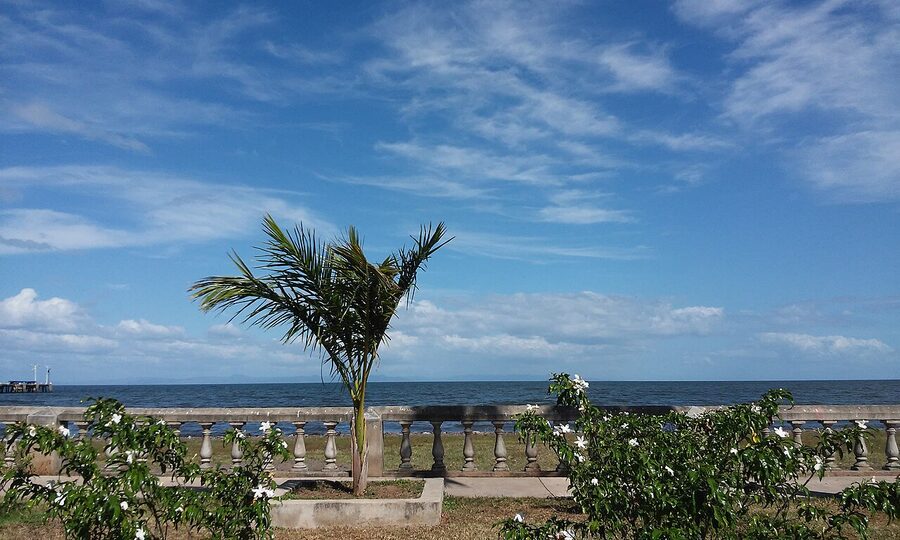
In This Article
- Why go to Nicaragua at all (and the political bit, briefly)
- Granada: the colonial photogenic one
- León: the gritty intellectual one
- Ometepe: the twin-volcano island in the lake
- San Juan del Sur and the Pacific surf coast
- The Corn Islands: the Caribbean side of Nicaragua nobody mentions
- Masaya, Catarina, and the White Towns
- Río San Juan and Solentiname: the rarely-visited southeast
- The Northern Highlands: coffee country, cigars, and cooler air
- Food: gallo pinto, nacatamal, vigorón
- When to go and how long
- Getting in, getting around, and the practical bits
- Money, language, and the small stuff
- One more thing
Why go to Nicaragua at all (and the political bit, briefly)
Three reasons. Cost, depth, and the volcanoes.
Cost first because it’s the one most travellers care about. A bed in a decent hostel is C$400 (about a tenth of what the equivalent costs in Manuel Antonio across the border). A loaded plate at a fritanga, the smoking street-side BBQ stalls you’ll smell before you see, is C$210 with rice, plantains, beans, fried cheese, and your choice of meat. A bottle of Toña, the lager everyone drinks, is C$50. If you’re coming from Costa Rica overland through Peñas Blancas you’ll feel the price drop the moment you cross. Backpackers who’ve been on the gringo trail for months talk about Nicaragua the way some people talk about Vietnam: the country that finally lets the budget breathe.
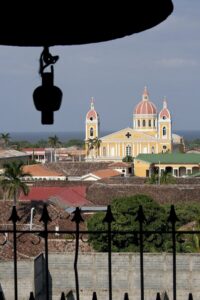
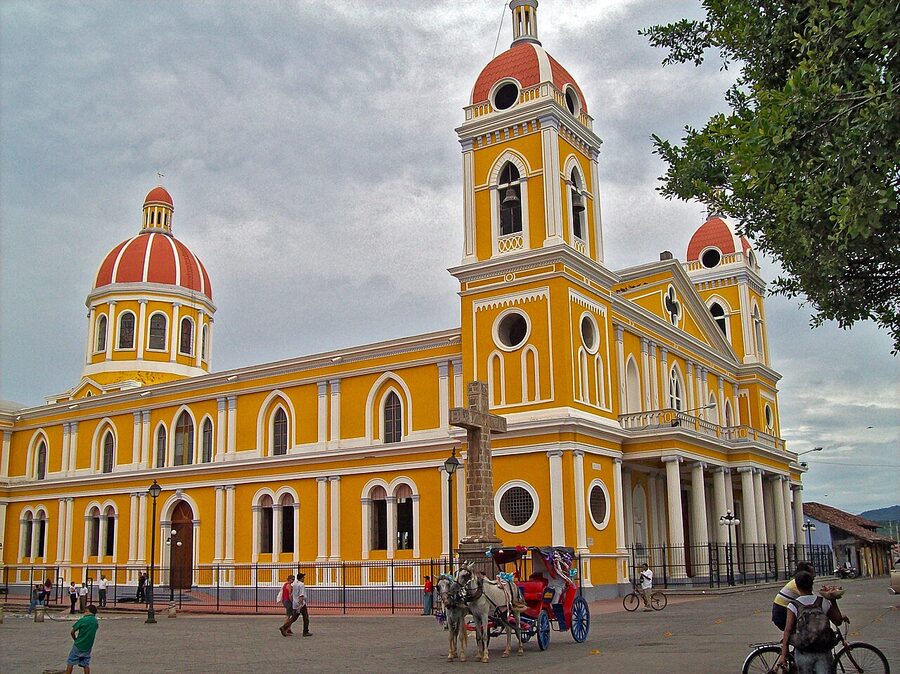
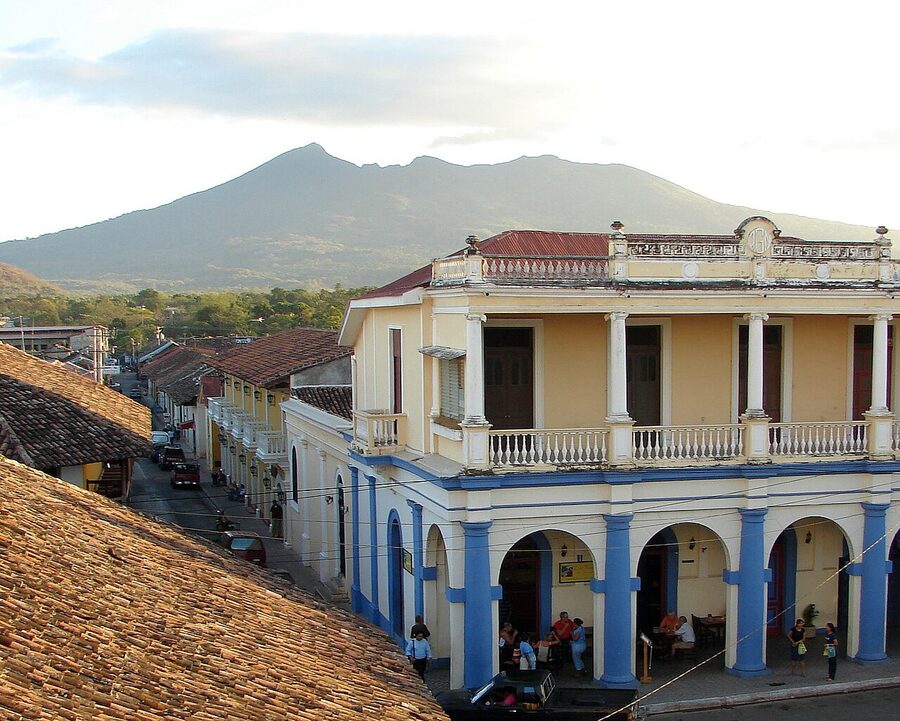
Depth is the second reason. Granada is 500 years old (founded 1524, one of the first Spanish cities on the American mainland) and looks it. The cathedral is bright canary yellow. The streets are cobbled. There’s a single-storey colonial grid that runs for blocks. León is the same era, also gorgeous, but rougher around the edges and politically charged in a way Granada isn’t. Together they’re the two best-preserved colonial cities in Central America after Antigua, Guatemala. People rarely put it that strongly because Antigua has the marketing budget and Granada doesn’t, but it’s true.
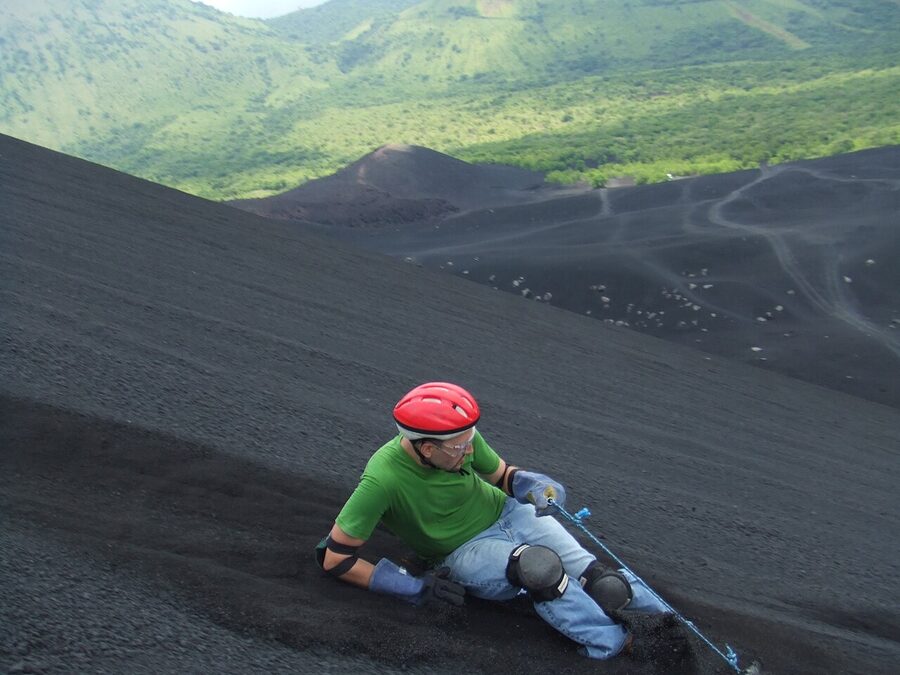
The volcanoes are the third. Twenty-something of them, several active, a half-dozen you can hike. Cerro Negro is the famous one because of volcano boarding, which is exactly what it sounds like and is genuinely a thing you can only do here. Concepción on Ometepe Island is an eight-hour gut-punch of a hike. Masaya has an open lava lake you can stand fifty metres from at night. Telica glows. Mombacho is cloud forest. Momotombo erupts every decade or two. There isn’t another country in the region with this density of accessible active volcanoes, and Nicaragua doesn’t make a particularly big deal of it.
And then the politics. The short version: Daniel Ortega returned to power in 2007 after being out for sixteen years, and his Sandinista government has consolidated control steadily ever since. The 2018 protests started over pension reform and turned into a national uprising that was met with live ammunition; estimates of the dead vary but it was hundreds. Since then the government has banned over 3,500 NGOs, expelled the OAS, jailed and then deported priests and journalists, and stripped citizenship from prominent opposition figures (most of whom now live in exile in Costa Rica or Spain). His wife Rosario Murillo is co-president as of 2025. There is no functional opposition inside the country. Elections happen but are not competitive.
What this means for you, on the ground, is mostly nothing. Tourists are not the target. You’ll go through ordinary border procedures, ordinary hotel check-ins, ordinary bus rides. The visible difference is the absence of journalism (Confidencial, La Prensa, both forced into exile) and the periodic murals of Ortega and Sandino. What you should not do: post anti-government content on social media while in country, attend any kind of public gathering that looks political, bring a drone (they confiscate them, search every bag at land borders, and yes, the customs guys will ask about your phone), or speak loosely about the government with strangers. Be a tourist. The advisories vary; the UK’s FCDO currently rates it lower-risk than the US State Department, which sits at Level 3 (reconsider travel) primarily because of “wrongful detention” and arbitrary law-enforcement risk. Worth reading both before you book.
Granada: the colonial photogenic one
Granada is where most people start. There’s a reason. It sits on the western shore of Lake Nicaragua (the cocibolca, locals still use the indigenous name), it’s an hour from Managua’s airport, and the central grid is intact in a way that very few cities in the region match. Park yourself anywhere in the first six blocks off Parque Central and you can walk to everything you came for.
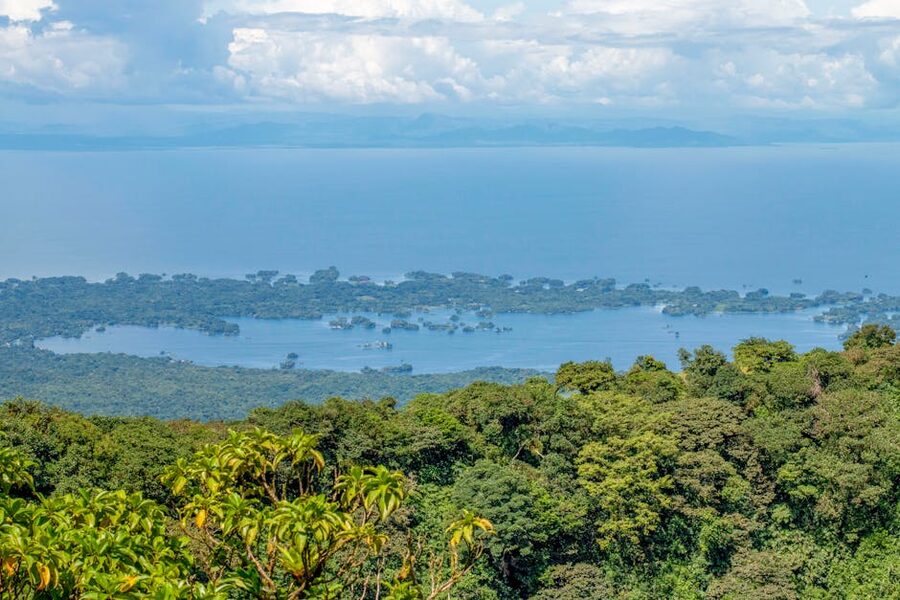
What to actually do. Climb the bell tower of Iglesia de la Merced (C$70, opens around 8am, do this at sunset for the obvious reason). Walk Calzada, the pedestrianised street that runs from Parque Central down to the lake; it’s full of restaurants, some good, some tourist-trap-priced, and every single one has someone selling you a tour. Take a kayak or panga (small motorboat) trip out to Las Isletas, the 365 little jungle-clad islands sitting just off the Granada shore. Most were created in a single eruption when Mombacho lost the top of its flank. Some have a single house on them. Some have monkeys. Two hours, around C$900 for the boat tour or C$600 if you kayak.
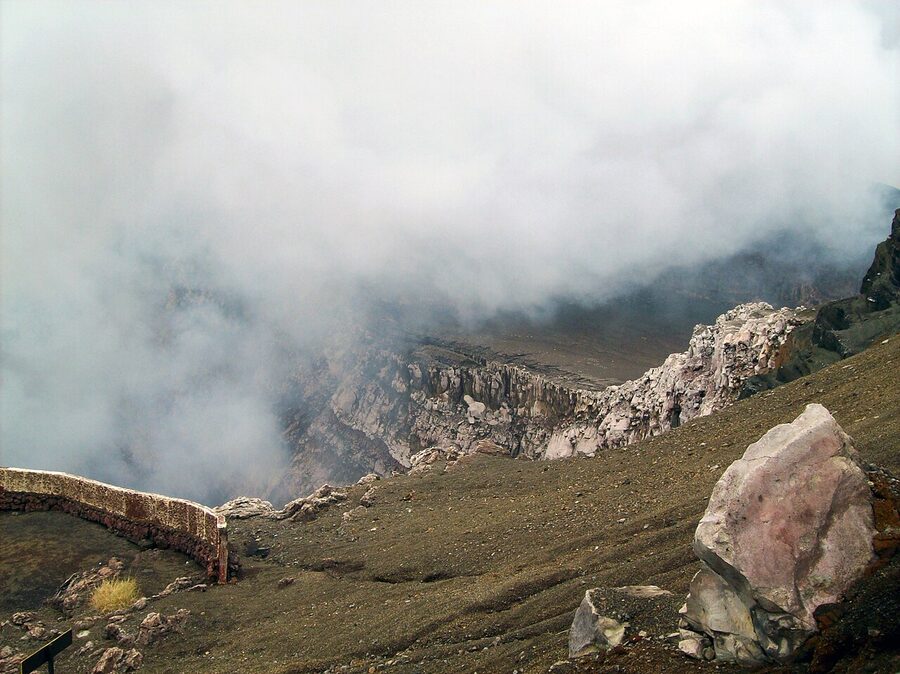
For volcanoes there are three within an hour. Volcán Mombacho rises straight up behind Granada and is the easy cloud-forest hike; you can drive most of the way up in a 4×4 truck (the regular shuttle is around C$650 return). Volcán Masaya is the lava lake one, half an hour west; the night tours run from Granada hostels at C$1,500 and are worth doing even though you’re up at the crater rim for maybe twelve minutes total. Laguna de Apoyo isn’t technically a volcano any more (it collapsed and filled with water about 23,000 years ago) but it’s the country’s prettiest swim. Day passes at the lakeside hostels run C$250 and include kayaks.
Honest negative for Granada: it’s the most touristy spot in Nicaragua and you’ll feel it. Calzada in particular has the highest hassle factor in the country, with kids selling tours, women selling cigars, men selling boat trips, all of it relentless from about 6pm. It’s not aggressive, just constant. After three days I was happy to leave.
Where to stay: the Oasis Hostel area, three blocks back from the lake, hits the right combination of central-but-not-deafeningly-loud. Most hostel beds run C$400 to C$650; mid-range guesthouses around C$1,800; the boutique end (Hotel La Perla, El Convento, Hotel con Corazón) lands around C$3,800 and up.
León: the gritty intellectual one
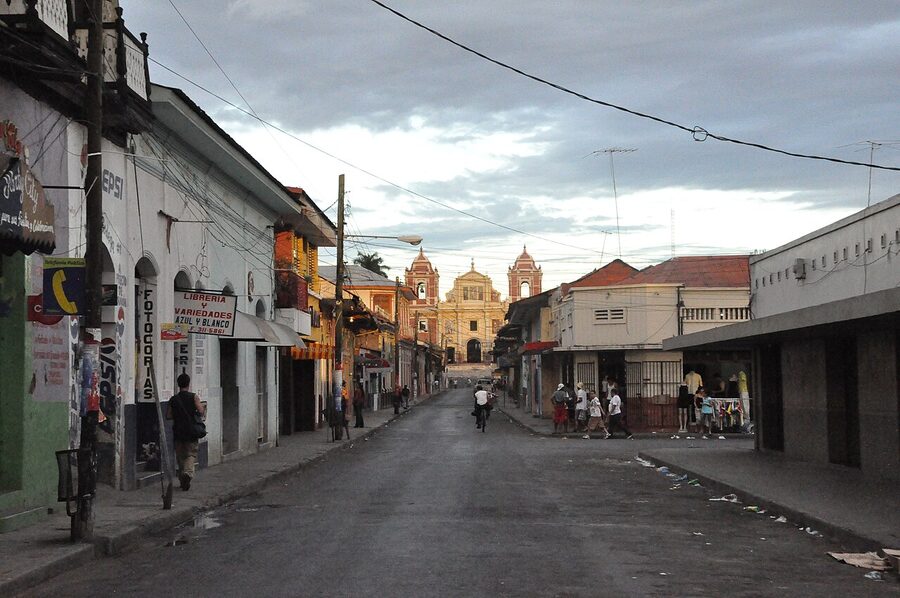
León is the anti-Granada. Same era, same colonial bones, but younger, scruffier, more political, and (I think) more interesting if you’re staying more than a couple of days. It’s a university town. It’s where the Sandinistas based the revolution. The murals are everywhere. The cathedral is the largest in Central America. The cathedral is also the launching pad for the most photographed activity in the country, which is volcano boarding.
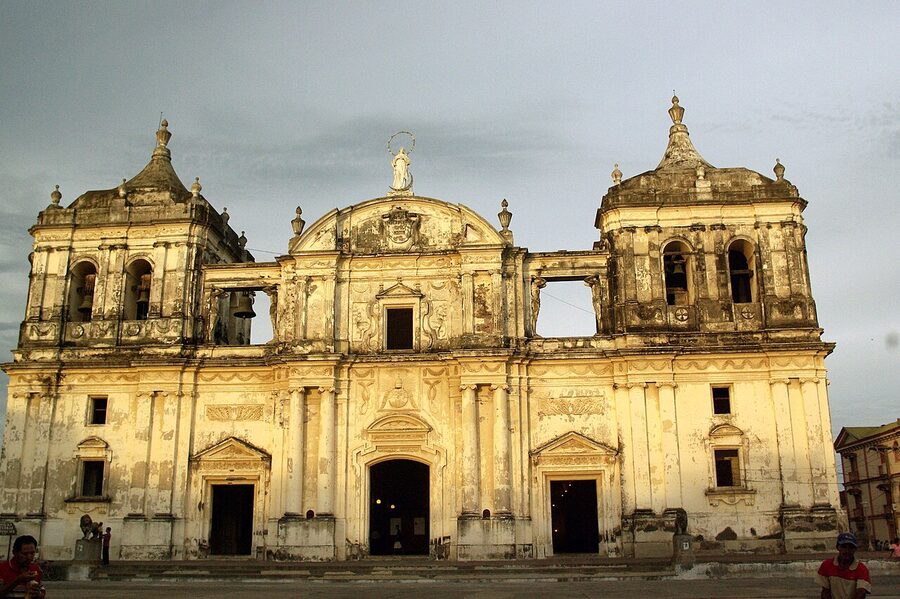
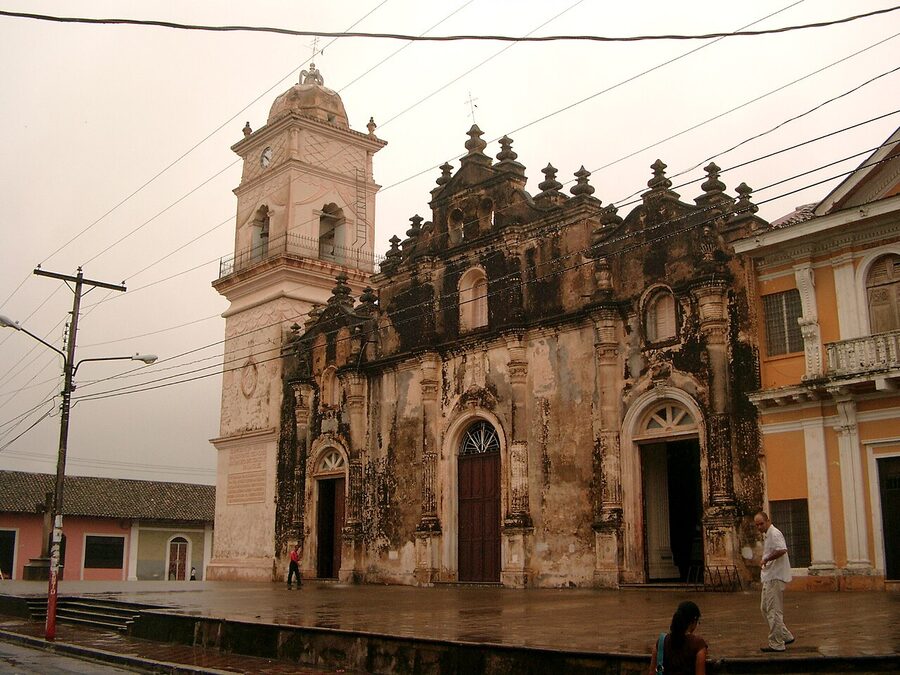
The cathedral itself, Catedral de la Asunción, was built between 1747 and 1814, is a UNESCO site, and supposedly the largest in Central America (Nicaraguans are insistent on this; Mexicans dispute it). Pay the C$110 to climb to the roof. You’ll walk between the white domes barefoot, with the León rooftops on one side and the volcanic chain (San Cristóbal, Telica, Cerro Negro) on the other. It’s the best photo opportunity in the country and roughly a tenth of the price of any equivalent rooftop access elsewhere in the region.
The volcano boarding tour is the headline. Cerro Negro is one of the youngest volcanoes in the Americas (first eruption 1850, last 1999) which means its slopes are still bare black gravel, no vegetation, perfect for sliding. The tour runs C$1,260 from León, takes about five hours total, and includes a one-hour hike up carrying your board, a brief sit-down where you’ll absolutely think “why am I doing this,” and then a controlled-or-not descent at whatever speed you’re up for. Top speeds get clocked around 90km/h. I went at maybe 40 and that felt plenty. Helmets and overalls included; you will eat some volcanic gravel; the ride down takes about four minutes.
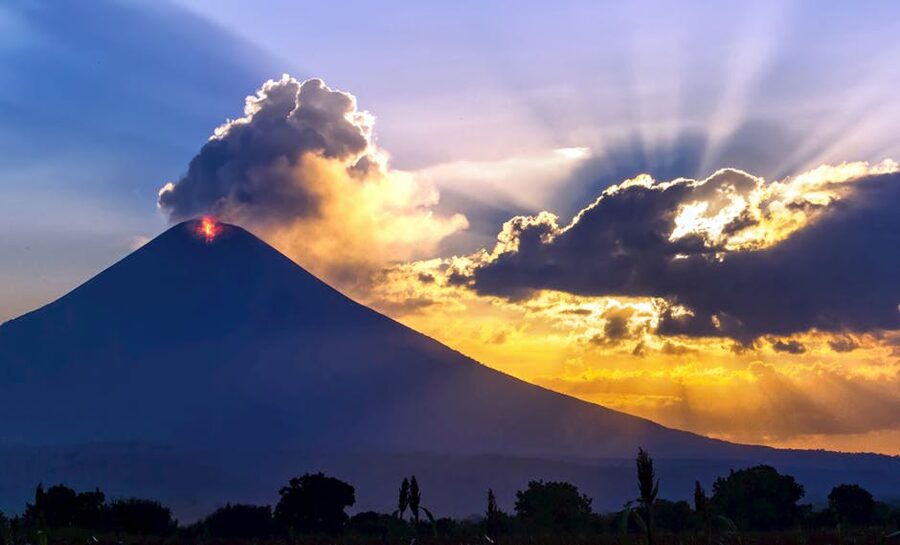
For something more demanding, Volcán Telica is the overnight hike. You leave León around 1pm, hike four hours to the rim, watch the sun set over the lava glow, sleep in tents on the ridge, and hike back at dawn. The view at midnight is the closest thing to a primal experience you can have in this region. Around C$2,800 with a guide, and yes, you need a guide because the trails aren’t marked.
The ViaVia Hostel runs free salsa lessons most evenings and is where everyone passing through León eventually ends up; if you want a quieter night, Poco a Poco hostel a couple of blocks east is calmer with the same price point. The beach at Las Peñitas, a 30-minute bus from León, is the easy day trip; cheap surf rentals, no cliffside cliques, a string of small hostels along the sand.
Ometepe: the twin-volcano island in the lake
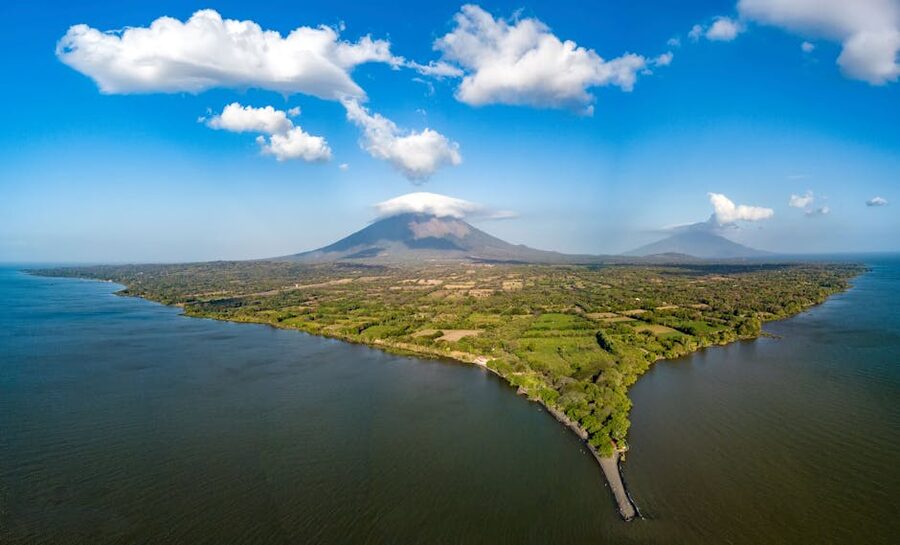
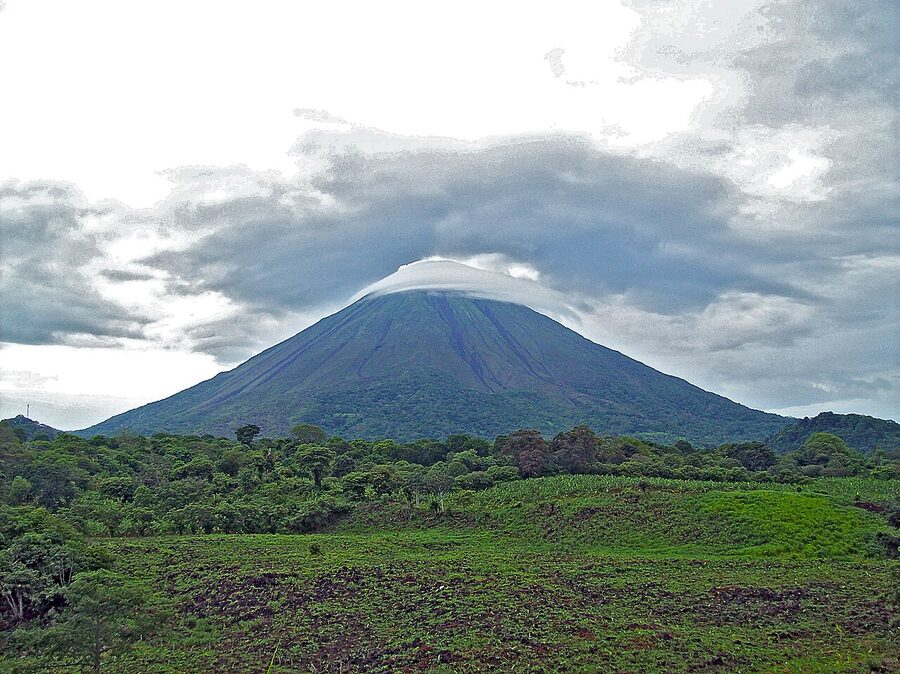
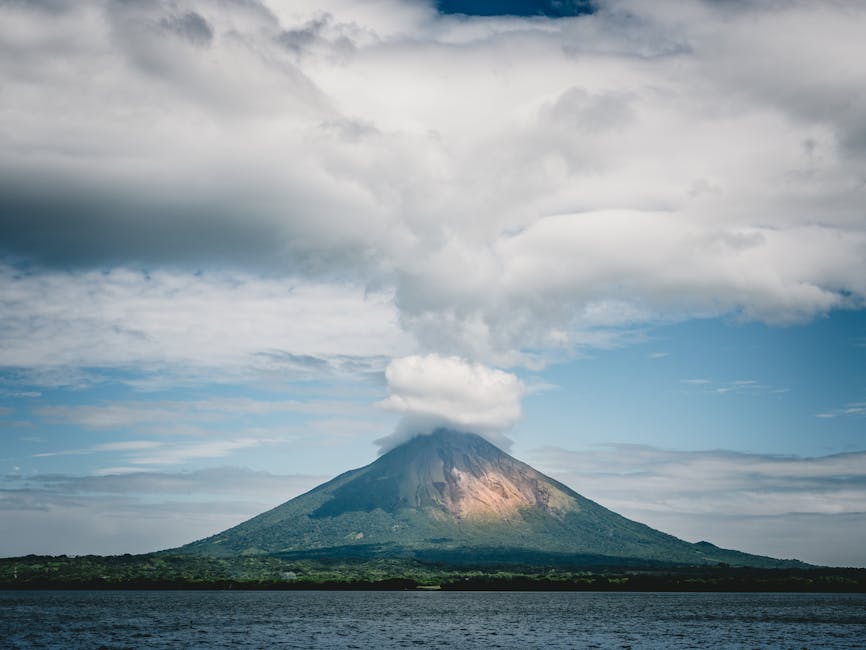
If you do nothing else in Nicaragua, get to Ometepe. It’s a figure-eight-shaped island made of two volcanoes (Volcán Concepción, 1,610m, active; Volcán Maderas, 1,394m, asleep with a crater lake on top), connected by a low isthmus, sitting in the middle of Lake Nicaragua. From the moment the ferry pulls out of San Jorge, with Concepción rising straight ahead in a perfect cone shape, you’re somewhere very specifically itself.
How to get there: you take a bus or shuttle to Rivas (the transport hub for the south; if you’re coming from Granada, San Juan del Sur, or Costa Rica’s Peñas Blancas border, you’ll pass through it), then a 25-minute hop in a taxi or local bus to the San Jorge ferry pier. Ferries to Moyogalpa, the main port on Ometepe, run hourly from around 7am to 5pm, take an hour, and cost C$50. There are car ferries too if you’ve got a vehicle. The lake gets choppy in the afternoon; an early ferry is more pleasant.
Don’t stay in Moyogalpa. It’s the arrival town and there’s no reason to be there longer than it takes to find onward transport. The places worth basing in are Balgüe on the southern edge of Maderas (eco-lodges, the trailhead to Maderas, the San Ramón waterfall, the Finca Magdalena coffee farm), or Santa Cruz, on the isthmus between the two volcanoes (Ojo de Agua, the natural spring-fed swimming pool, is here, and so is the volcano-view-with-hammock cliché that defines half the Instagram footage of Nicaragua).
Renting a scooter or quad for C$1,000 a day is the right call; the island’s about 30km long and the public transport is sporadic. Roads are a mix of paved (the main loop) and dirt (everything interesting). Hike Maderas (eight hours, dense cloud forest, crater lake at the top) rather than Concepción (eight hours, exposed, harder, less reward) unless you’re a hike-as-suffering kind of person. Both require guides; the Maderas guide will run you about C$1,400.
Ojo de Agua is C$360 to enter and is a fed-by-spring swimming hole the colour of a swimming-pool advert. You can drink the water. There’s a rope swing. There’s also a small bar selling C$50 Toñas. Allow half a day.
San Juan del Sur and the Pacific surf coast
San Juan del Sur (or just SJDS in backpacker shorthand) is the country’s main beach town, sits about 40 minutes south of Rivas, and is the gateway to the Costa Rica border at Peñas Blancas. It’s not for everyone. The town itself is fine; the bay is decent for swimming; the local economy is geared around two things, a Sunday party crawl called Sunday Funday that pulls a thousand backpackers a week, and a cluster of small surf-oriented hostels at the beaches just north and south of town.
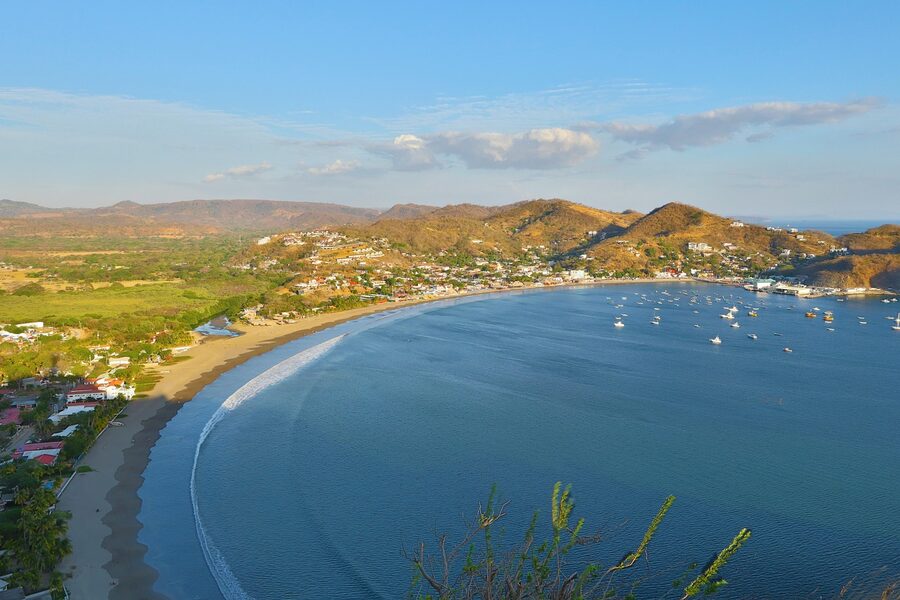
The actual surf is at the beaches outside town. Playa Maderas, 20 minutes north, is the standard learner break and the location of a half-dozen surf hostels. Playa Hermosa, 15 minutes south, has bigger waves and a movie cameo (the Survivor TV show shot here for years). Further south, around Tola, Popoyo is the more serious surf scene; bigger, faster, less party, fewer day-trippers. Las Peñitas in the north (the León beach) is the gentle alternative. Surfboard rental runs around C$540 for 24 hours; lessons C$1,400 for two hours including a board and a shuttle to whichever beach has the right size that day.
If you don’t surf and you’re not into the party scene, skip SJDS. It’s a town with two industries and not much in between. I’d much rather spend a third night in Granada or an extra day on Ometepe. But if you do surf, the Pacific coast from Las Peñitas down to the Costa Rica border is one of the best concentrations of consistent waves in the region, and far cheaper than the equivalent in Costa Rica.
The Corn Islands: the Caribbean side of Nicaragua nobody mentions
Most travel guides treat Nicaragua as if its Caribbean coast doesn’t exist. That’s because Nicaragua’s Caribbean coast is hard to reach, expensive in local terms, and culturally a different country, but if you have the time and the budget the Corn Islands are the trip’s real surprise.
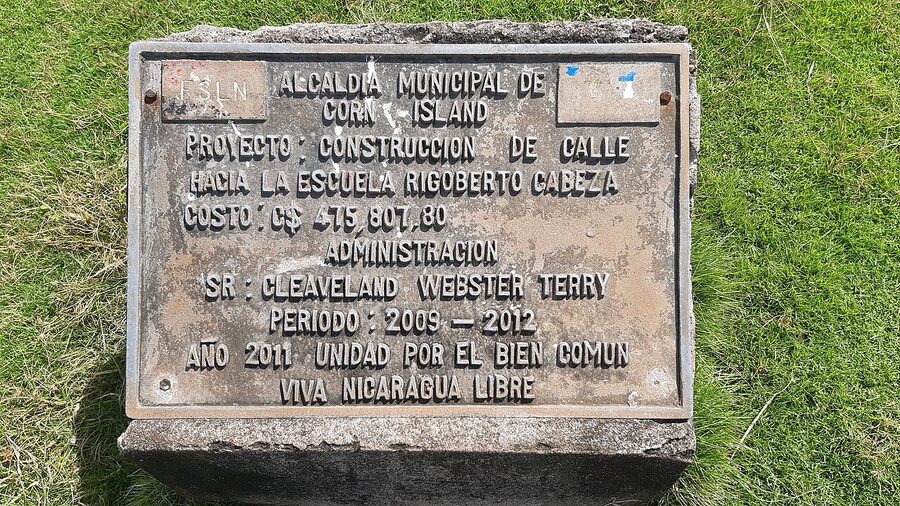
The Corn Islands, Big Corn and Little Corn, sit about 70km off the Caribbean shore, accessible only by domestic flight (La Costeña, twice daily, around C$5,000 return from Managua) or by a brutal overnight ferry from Bluefields that nobody actually recommends. Big Corn has the airport, the only ATMs, and the larger of the two settlements; Little Corn is a 30-minute panga ride further out, has no cars, and is where most travellers actually stay.
The culture out here is Afro-Caribbean Creole and Garifuna, not Mestizo Nicaraguan. People speak English (a Caribbean Creole English) more naturally than Spanish. The food shifts to coconut-based seafood dishes (rondón, the slow-cooked seafood-and-coconut stew, is the one to order) and the pace drops to West Indian-island-time slow.
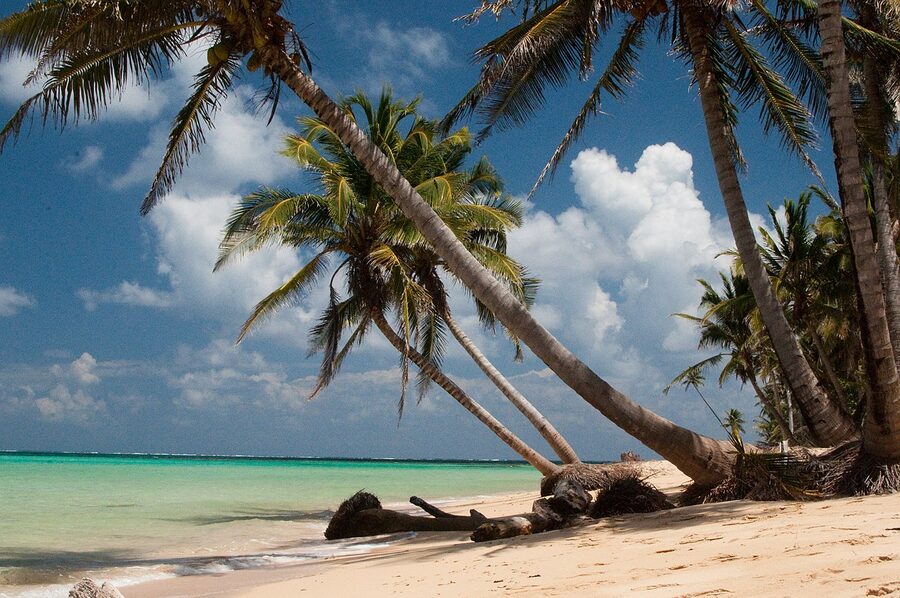
Diving and snorkelling on Little Corn is the headline activity. The reef is healthy, the visibility is 20-30 metres on a good day, and you’ll see hammerheads on a few specific sites in the right months (December through May). It’s expensive in regional terms (a fan-dive at around C$1,500 versus around C$1,000 in Utila over in Honduras) but cheap globally. Three to four nights is the right length for a Corn Islands stop; less, and the flights aren’t worth the time; more, and there’s not much to do beyond eat coconut bread and read.
Negative: the Corn Islands are the most expensive part of Nicaragua. Hostel beds start at C$700, mid-range hotels at C$2,500, and the genuinely nice places (Yemaya Reefs on Little Corn) push past C$5,500 a night. Add the flight and you’re looking at C$10,000 minimum for a four-day side trip. Worth it if you want the Caribbean piece; skip if you don’t.
Masaya, Catarina, and the White Towns
Halfway between Granada and Managua, in a stretch maybe 30km long, sits a cluster of small artisan villages collectively called the Pueblos Blancos (white towns), so named because they were traditionally whitewashed. Each one has a craft. Catarina makes flowers and ceramics. Masaya itself is the country’s main artisan market town. San Juan de Oriente does pottery in the pre-Columbian style. Niquinohomo is where Sandino was born (the rebel general, not the political party named after him). It’s a half-day or full-day loop from Granada, easily done by taxi for C$1,800 round trip with stops, or by chicken bus if you’ve got the time and patience.
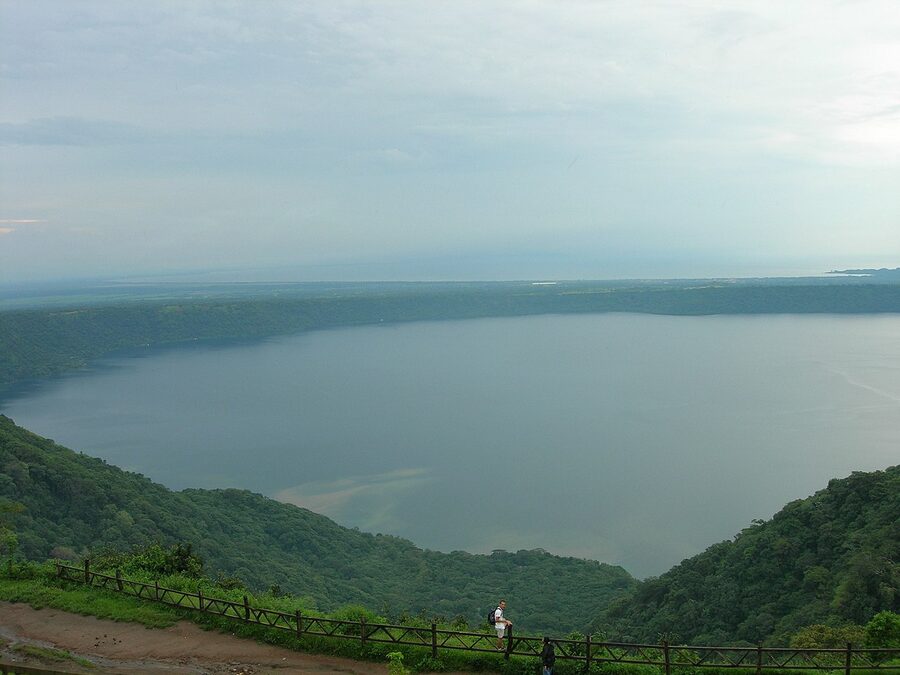
The Mirador de Catarina is the must-do stop. It sits on the rim of the Apoyo crater and gives you a full panorama of the lake, with Mombacho beyond and Granada in the distance. Entry is C$30. There are coffee shops, a guy with a parrot who’ll charge you to take a photo, and on weekends a marimba band. Time it at sunset.
The Mercado de Artesanías in Masaya is the place to buy hammocks, ceramics, leatherwork, and the ubiquitous wooden carvings. Prices are negotiable. Plan to be polite about it. Down the road, Volcán Masaya National Park (the lava-lake one above) is right here too; you can combine the artisan loop with the Masaya night tour for a full day from Granada.
Río San Juan and Solentiname: the rarely-visited southeast
If you’ve got fourteen days or more and you’ve ticked off the obvious stops, the Río San Juan region is where Nicaragua gets genuinely off the gringo trail. The river runs from the southern end of Lake Nicaragua all the way to the Caribbean Sea, marking part of the border with Costa Rica. The Solentiname Islands, a 36-island archipelago in the lake, were the centre of a famous liberation theology community in the 1970s, with a co-operative of campesino artists who painted in the naïve style. The colours, if you’ve ever seen them, are unmistakable.
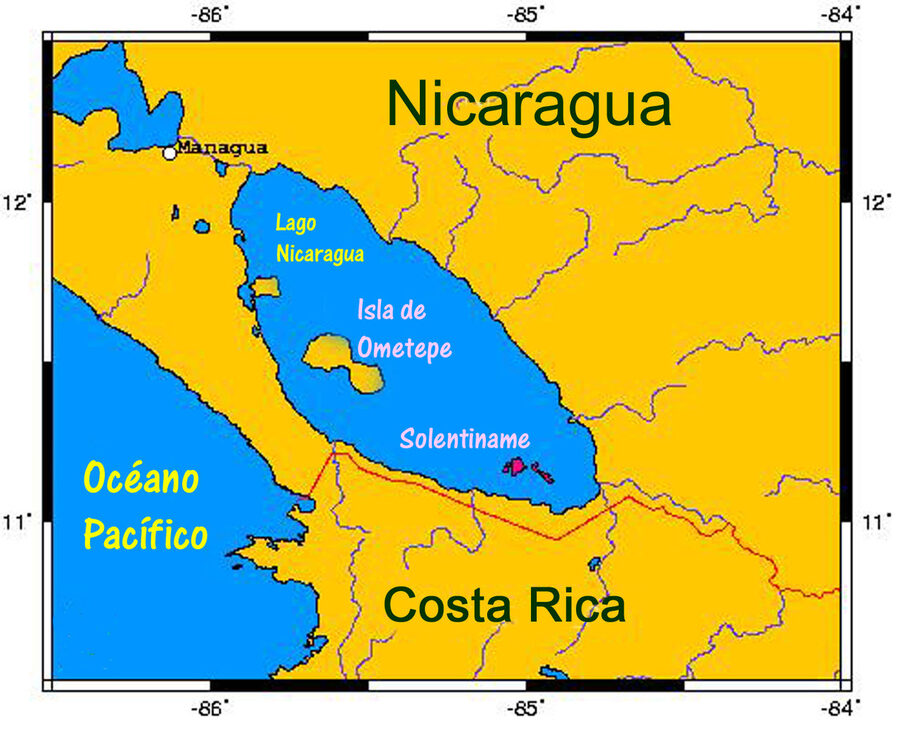
Practical reality check: this is hard travel. San Carlos is a long way from anywhere (a 9-hour bus from Managua, a 14-hour overnight ferry from Granada, or a short flight on La Costeña). Onward boats to the islands run a few times a week, not daily. Accommodation is basic. There’s a national park, Indio Maíz Biological Reserve, that genuinely contains jaguars and tapirs and that you can visit only with a guide and several days’ notice. The Spanish-colonial fortress of El Castillo, halfway down the river, is a half-day stop on the way to the Caribbean and one of the prettiest buildings in the country.
I’d send 5% of visitors here. The other 95% should not bother. If you’re the 5%, you’ll have something most travellers in Central America never get: a region that hasn’t been retrofitted for tourism.
The Northern Highlands: coffee country, cigars, and cooler air
North of Managua, the country climbs into a cooler highland zone that produces most of Nicaragua’s coffee and (in Estelí) most of its cigars. It’s the part of the country most travellers skip, and the part where I had some of my best conversations.
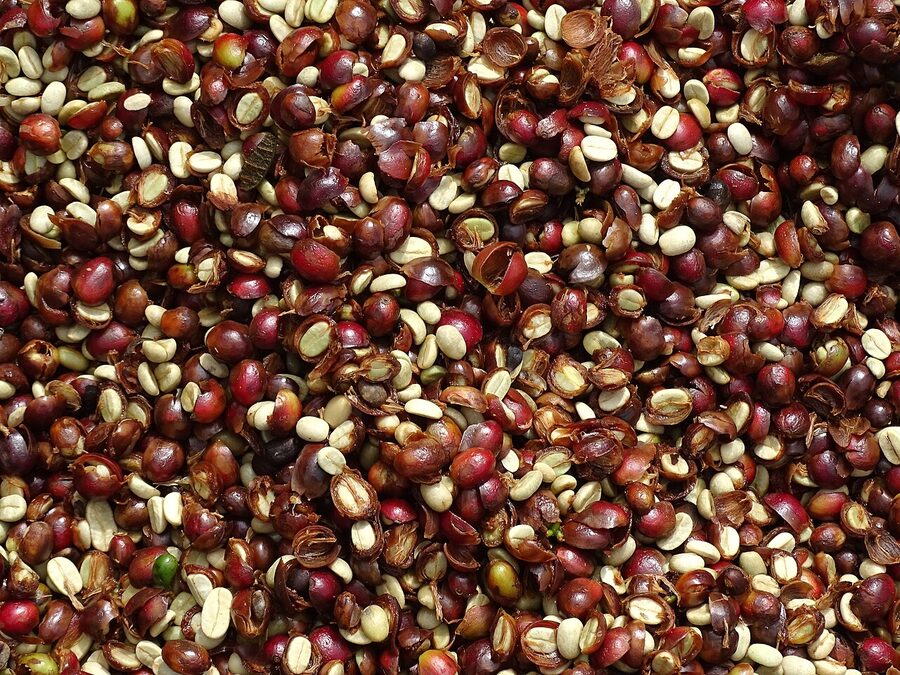
Three towns are the bases. Matagalpa is the regional capital, sits at 700m, has a cool eternal-spring climate (Nicaraguans call it the “Pearl of the North”), and is the centre of the coffee industry. Day-tour a finca, eat at one of the open-air balcony cafés on the central park, sleep cheap. Jinotega, an hour further into the mountains, is the heart of the coffee country itself, with Lago Apanás (a reservoir from a 1960s hydroelectric project) on its outskirts. Estelí, west of the other two, is the cigar town: Nicaraguan cigars are now considered as good as Cuban ones, and Estelí has been a primary production zone since the 1960s. Tours of cigar factories run around C$300 and include the rolling room, the aging cellar, and as many cigars as you can smoke during the visit.
Nearby, the Somoto Canyon (about 90 minutes north of Estelí) is a 200-metre-deep slot you can swim, jump, and float through with a guide. Half-day tour, around C$1,000. It’s the country’s best non-volcano nature experience that almost no tourist sees.
Food: gallo pinto, nacatamal, vigorón
Nicaraguan food is hearty, simple, and reliably cheap. Most meals will involve some combination of rice, beans, plantains, and a meat. Order the “plato típico” or “plato del día” (set meal of the day) and you’ll get all four for C$150 to C$210 at a comedor.
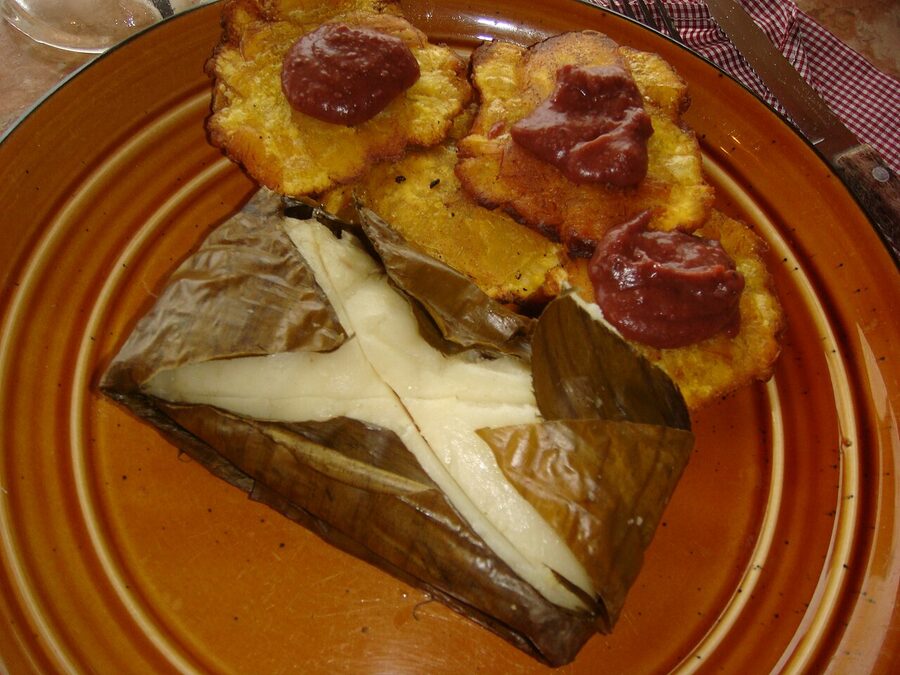
The dishes worth tracking down:
- Gallo pinto (literally “spotted rooster,” rice and red beans) is the breakfast of the country. Note the difference from the Costa Rican version: Nicaraguans typically cook the rice and beans together rather than separately. The flavour is smokier, a touch more savoury. Order it for breakfast with eggs, fried cheese, and sweet plantains.
- Nacatamal is the Nicaraguan tamale: corn-masa dough stuffed with pork (sometimes chicken), rice, potatoes, mint, raisins, olives, and tomato, all wrapped in a banana leaf and steamed for hours. Sundays are nacatamal day; bigger ones can run to a kilo. C$80 each at a stall, C$120 in a restaurant.
- Vigorón is León’s contribution: yucca, chicharrón (fried pork rind), and curtido (cabbage slaw with vinegar) piled on a banana leaf. Cheap, messy, perfect after a 3am bus arrival. C$70 to C$100 at the central market in León.
- Quesillo, a soft white cheese rolled in a tortilla with pickled onions and sour cream, served in a plastic bag. Country-petrol-station food, eaten with a spoon. The town of Nagarote (between León and Managua) is famous for them.
- Rondón, the Caribbean coast’s coconut-and-seafood stew, is the dish to order on the Corn Islands. Pre-order ahead of time; it takes hours to make.
- Toña is the everyday lager. Victoria is the slightly fancier domestic beer. The local rum is Flor de Caña, made up in Chichigalpa, and it’s the drinkable export the country quietly trades on. Aged 12 or 18 it competes with anything in the region.
Where to eat them: any comedor (small family-run restaurant, no menu, cook tells you what’s on today) is a safe bet. In Granada, the central market off Calzada is rougher and cheaper than the Calzada itself. In León, the night fritangas around Parque San Sebastián are where everyone ends up after sunset.
When to go and how long
Two seasons. Verano (the dry season) runs November to April. Hot and dry on the Pacific side, where you’ll spend most of your time. This is high season; volcanoes are climbable, lakes are calm, beaches are perfect. Christmas, New Year, and Semana Santa (Easter week) are the peak weeks; book ahead, expect higher prices, expect Nicaraguan domestic tourists everywhere.
Invierno (the rainy season) runs May to October. Don’t be put off by the name. Most rainy-season days have a few intense afternoon downpours and otherwise clear weather. Prices drop. Crowds drop. The countryside is lush. The volcano hikes get muddier and slipperier and shouldn’t be done in the wet. The Caribbean coast is wetter year-round but follows a slightly different rhythm; September and October are the worst months for the Corn Islands. Hurricane season for the Caribbean coast runs roughly June to November, but Nicaragua sits below the main hurricane belt and gets hit far less than Honduras or Belize.
How long. Seven to ten days is the minimum for a country-hub trip: Granada (3 nights), León (3 nights), Ometepe (3 nights), and a couple of nights in transit and Managua. Two weeks lets you add either the Corn Islands or San Juan del Sur and Popoyo for surf. Three weeks lets you add Río San Juan or the Northern Highlands without feeling like you’re rushing. I’d pick the Corn Islands over SJDS unless you specifically want to surf or party.
Getting in, getting around, and the practical bits
Most international flights land at MGA, the Augusto C. Sandino International Airport in Managua. Service is limited and tends to come via Houston, Miami, Fort Lauderdale, or via San Salvador and San José, Costa Rica. If your flights into MGA look painful or expensive, check LIR (Liberia, Costa Rica), an hour and a half south of the Peñas Blancas border; it’s better connected internationally and the overland connection into Nicaragua is straightforward by tourist shuttle.
By land you have three main options. From Costa Rica in the south, the busy Peñas Blancas crossing dumps you at the gateway town of Sapoá; Tica Bus and Transnica run direct buses Managua–San José. From Honduras in the north, Las Manos is the busiest crossing (shortest route to Tegucigalpa) with El Espino as the alternative further west. From El Salvador you’ll usually transit Honduras as well; or take the Gulf of Fonseca boat from La Unión to Potosí. Land borders charge a US$12-13 entry fee in cash, payable in dollars or córdobas; the customs guys will search your bag thoroughly for drones (banned, will be confiscated) and may ask retina-scan-style biometric questions.
CA-4 visa. Nicaragua, Honduras, El Salvador, and Guatemala share a single 90-day visa. If you’ve already been in any of the others your clock is already running. The “visa run” out of CA-4 only resets at Costa Rica or further afield.
Internally, the country is small and surprisingly easy to move around. Chicken buses (camionetas, repurposed US school buses) cover everywhere for almost nothing; a León-to-Managua-to-Granada chain is around C$184 total. Microbuses (faster, more cramped) run the same routes for slightly more. Tourist shuttles run the popular pairs (Granada-León, Granada-SJDS, León-El Tunco) for C$700 to C$1,400. There’s no Uber but normal taxis are cheap and trips within most cities have a fixed colectivo (shared) price (C$25 a person in Granada, C$20 a person on Big Corn). Renting a car works in the dry season; you’ll want a 4×4 for Ometepe or for the Pacific dirt roads down to Popoyo.
Money, language, and the small stuff
The currency is the Nicaraguan córdoba (C$, code NIO), about 36 to the US dollar at the time of writing. The C$ symbol can be confusing; spell out “córdobas” the first time you write it down for yourself. Coins exist for 1 and 5 córdobas plus 50 centavos. Notes are 10, 20, 50, 100, 200, 500, and 1,000.
US dollars are widely accepted (untorn, unmarked notes only) and tours, hostels, and the Corn Islands often quote in dollars. ATMs dispense both córdobas and dollars. BAC and Banpro are the most common; both charge fees of around C$140 per withdrawal. Banco Lafise sometimes lets you withdraw without fees. Always pull cash when you have an ATM; small towns (Ometepe, Popoyo, the Corn Islands) often don’t have one or have the only one out of order. Cash is king; many places don’t accept cards, and the ones that do tack on a 5% surcharge.
Spanish is the official and dominant language; English speakers are common in tourist hotspots, rare otherwise. Brush up on the basics. The Caribbean coast, particularly the Corn Islands and Bluefields, speaks a Caribbean Creole English alongside Spanish; some Garifuna and Miskito are spoken there too. A SIM card from Claro or Tigo costs around C$200 for two weeks with 6-7GB of data and unlimited social media; both companies have stores in León, Granada, and SJDS.
Tipping is not as deeply embedded as in the US but appreciated. Most sit-down restaurants add a 10% service charge automatically; if not, add it. C$20-50 is normal for hotel porters or bag handlers. Tour guides will appreciate C$100-200 for a half-day tour, more for the volcano summits.
Power is 110V (US plugs). Tap water in Granada and León is technically potable but most travellers stick with bottled or filtered. The country code is +505. Driving is right-hand. Time is UTC-6 year-round; no daylight saving.
One more thing
The country’s tourism slogan is “land of lakes and volcanoes.” It’s accurate enough that it’s hard to come up with anything better. But the thing that surprised me most about Nicaragua wasn’t the volcanoes (impressive) or the colonial cities (impressive) or the prices (impressive); it was how warm and ordinary the country is, given what’s been written about it. Locals talk about the politics in a careful, sideways way that takes some getting used to, but they talk to you. Strangers buy you Toñas. The teenager working the shuttle from Granada to Ometepe will, given any encouragement, talk you through the family situation that has half her cousins in Costa Rica or Spain. The country has a hard recent history. It also has the best hammock culture in the region. Both things are true.
If the political reality bothers you, don’t go. There’s nothing wrong with that decision. If it doesn’t, or if you’re prepared to be quiet about it for two weeks, Nicaragua is the most surprising country in Central America and the easiest one to fall for.