
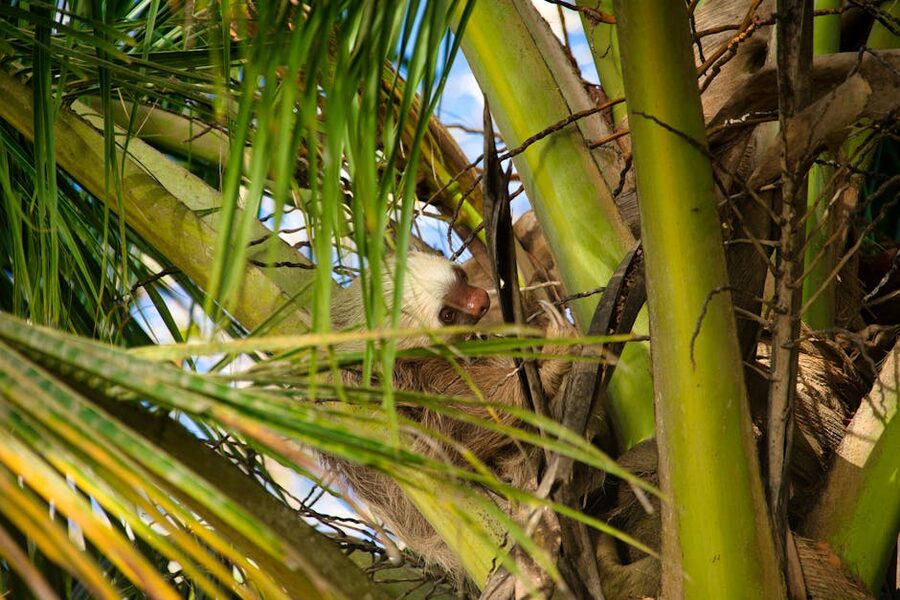
The first morning, I was up before sunrise on a side road in Manuel Antonio, watching a three-toed sloth haul itself one stiff limb at a time along a guarumo branch. No tour group. No guide pointing it out. Just me, a coffee from the soda across from my hotel, and a sloth that was not in any hurry whatsoever. The night before, the main strip in Quepos had been a wash of neon and hotel shuttles and a guy trying to sell me a fishing charter from a plastic chair. Both things are Costa Rica. Both things are true at the same time. Pura vida is a real way of life and it is also printed on a thousand fridge magnets in San José airport. The country has the wildlife of David Attenborough’s wildest dreams and the prices of a small American beach town. Once you stop expecting it to be one thing, it gets a lot easier to enjoy.
This is the practical guide to Costa Rica I wish I had on that first trip. Where to actually go, when, for how long, what it costs in colones, what to skip, and how to put together an itinerary that does not feel like a hotel-chain group tour. I have crossed in by land from Nicaragua at Peñas Blancas with a backpack and a hangover, flown in to Liberia for a Pacific surf week, and bussed south to Panama at Paso Canoas. Most of what follows comes from those trips, plus the reading I keep doing because the country keeps surprising me.
A quick framing point before the regions: Costa Rica is the most-visited country in Central America and it shows. Infrastructure is better than its neighbours, English is widely spoken in tourist zones, the roads are mostly paved, and the prices reflect all of that. If you are coming from Nicaragua or Honduras with a backpacker budget, brace yourself. If you are coming from the United States or Europe expecting Caribbean-resort prices, you will be pleasantly surprised in the small sodas and absolutely not surprised at the all-inclusive resorts on the Papagayo Peninsula. The wildlife and the national parks are the genuine reason to come, and they are world-class. Everything else is just supporting cast.
In This Article
- The Quick Version: Costa Rica Basics
- San José: The Capital You Will Probably Skip
- Arenal and La Fortuna: The Big First Stop
- Monteverde: The Cloud Forest
- Manuel Antonio: The Beach-and-Park Combo
- The Pacific Surf Coast: Tamarindo, Nosara, Santa Teresa
- Corcovado and the Osa Peninsula: The Real Wild
- The Caribbean Coast: Puerto Viejo and Cahuita
- Tortuguero: The Turtles and the Canals
- Costa Rica Wildlife: What You Will Actually See
- Food: Casado, Gallo Pinto and the Soda Strategy
- Getting Around Costa Rica
- When to Go
- How Long: Sample Itineraries
- Safety: The Honest Version
- Money: Colones, USD, Cards and ATMs
- Final Practical Notes
The Quick Version: Costa Rica Basics
A handful of facts that will save you a lot of mental load early in the trip.
- Currency: the colón (₡, written as colones in plural). Roughly 500 to 540 to the US dollar at the time of writing, though the rate moves around. ATMs everywhere in San José, La Fortuna, Manuel Antonio, Tamarindo and the major Pacific towns. Smaller villages, less so. USD is also widely accepted in tourist zones for hotels, tours, taxis and many restaurants, and most card terminals will let you pick which currency to settle in. I keep a mix of both.
- Languages: Spanish is official. English is spoken in tourism-facing roles in San José, La Fortuna, Monteverde, Manuel Antonio, Tamarindo, Nosara, Santa Teresa and Puerto Viejo. The Caribbean coast also has Limonese Creole. Outside the tourist circuit, Spanish helps a lot. Costa Ricans are called Ticos (and Ticas), and they are forgiving with bad Spanish to a degree that other Spanish-speaking countries are not.
- CA-4: Costa Rica is not in the CA-4 zone. Honduras, Guatemala, El Salvador and Nicaragua share a single 90-day stamp. Costa Rica is its own thing, and most nationalities get a separate 90-day entry on arrival. Same for Panama next door, which uses a 180-day stamp.
- Plugs and electronics: 110V, US-style two-pin plugs. No converter needed if you are coming from the US or Canada.
- Driving side: right, like the US. Roads are mostly paved and signed; rural roads are a different story (more on that below).
- Time zone: UTC minus 6, no daylight saving. The sun goes down around 5:45 to 6pm year-round. Plan your hikes around that.
- Wildlife headline: roughly 6% of the planet’s biodiversity in 0.03% of its land area. Around 28% of the country is protected (SINAC manages the parks). This is the reason Costa Rica works.
And the slogan, which you will see and hear on roughly hourly intervals: pura vida, literally “pure life”. It is a greeting, a thank-you, a goodbye, an “all good”, and an answer to “how are you?”. I have heard a guy in Tamarindo use it as a one-word apology for cutting in line. It is endlessly elastic.
San José: The Capital You Will Probably Skip
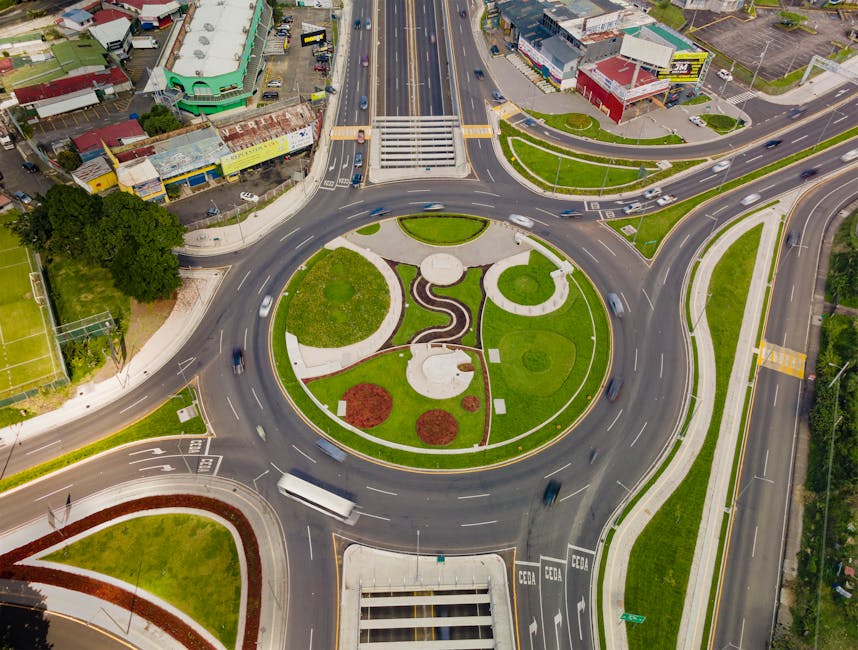
Most travellers fly into Juan Santamaría International (SJO), spend a night nearby, and head out the next morning. That is a perfectly reasonable plan. San José is a working capital, not a postcard. It is bigger than first-time visitors expect (around 1.4 million in the metro area, roughly a third of the country), the traffic is real, and the city centre has the same daytime-fine, night-time-grim pattern as a lot of Central American capitals. I would not stay in the historic centre. Stay in Barrio Escalante, Rohrmoser, or Escazú instead.
That said, if you have a day, the centre is genuinely worth it.
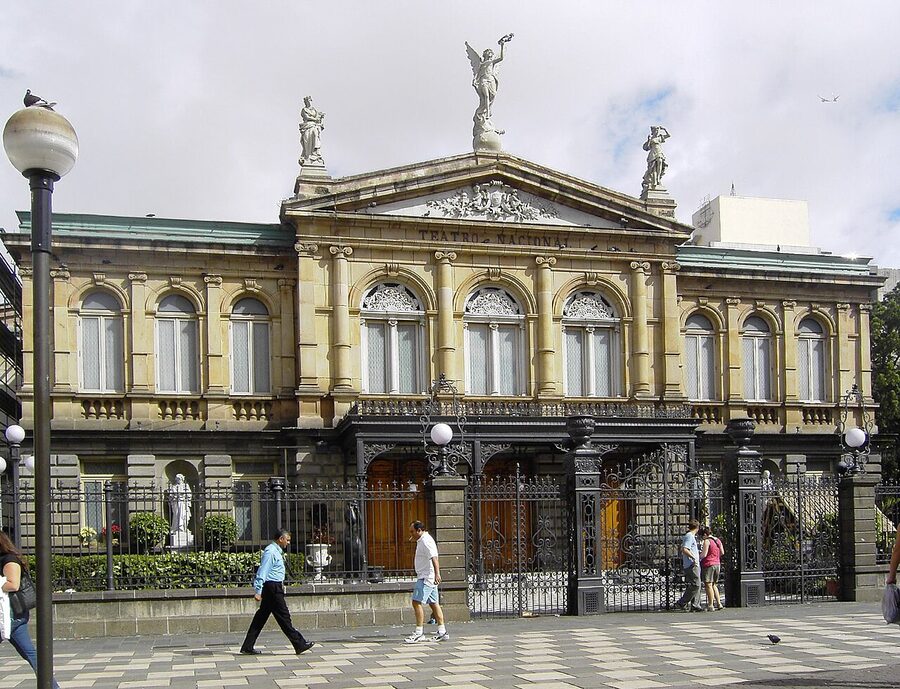
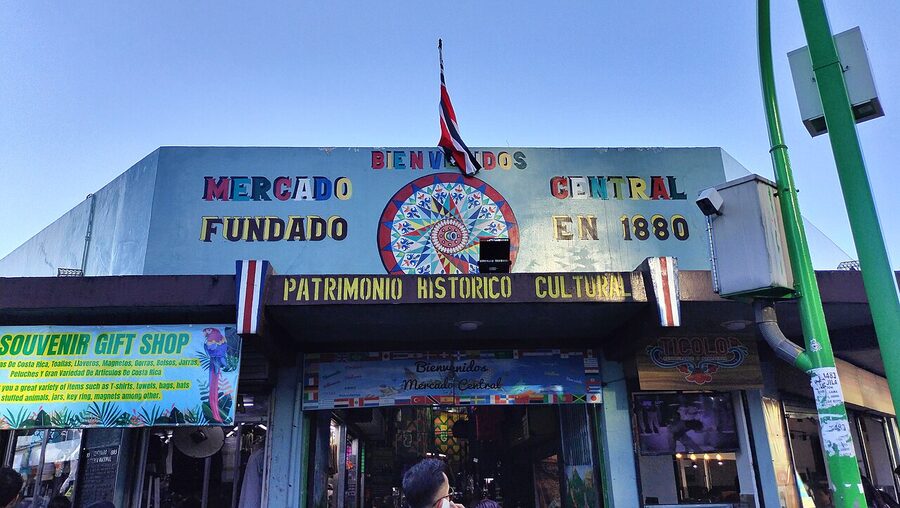
The Teatro Nacional on Plaza de la Cultura is the building Ticos are proudest of, late-1800s European-style opera house funded by the coffee boom. The cafe inside the lobby is one of the better coffee stops in central San José. Underneath the same plaza is the Museo del Oro Precolombino, the pre-Columbian gold museum, which is small but excellent. Two blocks away the Mercado Central has been running since 1880 and is still the place where locals come for a casado at a stand-up counter for around ₡3,500 to ₡5,000.
Then walk fifteen minutes east to Barrio Escalante, which has become San José’s restaurant and craft beer street over the last decade. Calle 33 is the main strip. This is where I would actually plan a dinner if I had one night in town. Hotels in this area tend to be small, owner-run, and nicer than anything in the centre at the same price.
Day-trippable from San José: the Poás and Irazú volcanoes (both with crater views, weather permitting), the La Paz Waterfall Gardens, the cloud forest at San Gerardo de Dota for quetzals (more on that later), and the Doka Estate or Café Britt coffee tours. All are 1 to 2 hours each way.
Practical: Uber works in San José and the Central Valley and is cheaper and safer than street taxis. The official airport taxis (orange) are also fine. Public buses leave from a confusing patchwork of terminals near the centre, organised by destination, not by company. If you are heading to an activity outside town, the morning shuttle services (Interbus, Gray Line) are easier than buses for first-timers and not much more expensive.
Arenal and La Fortuna: The Big First Stop
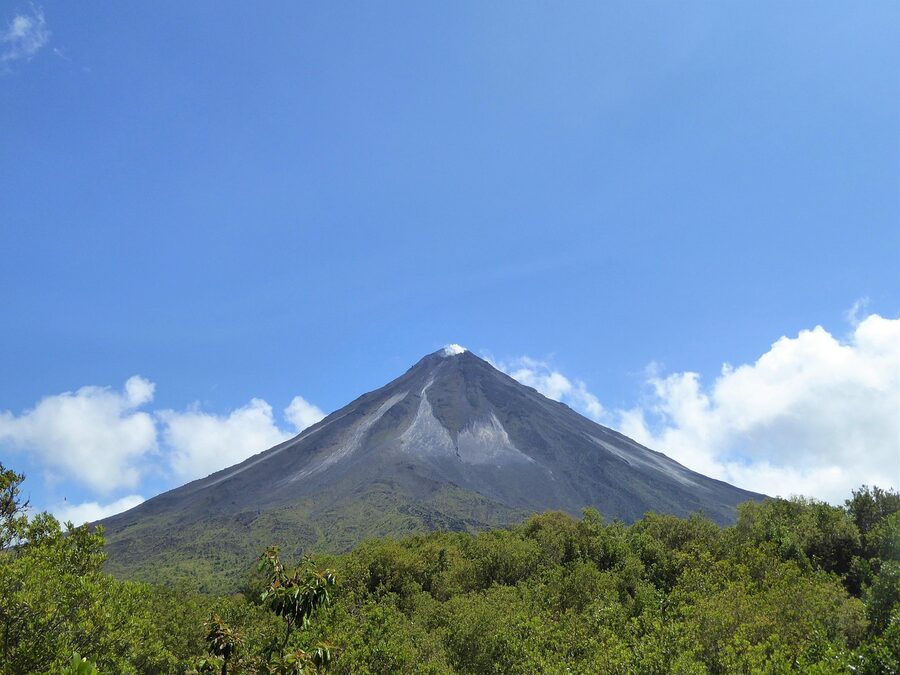
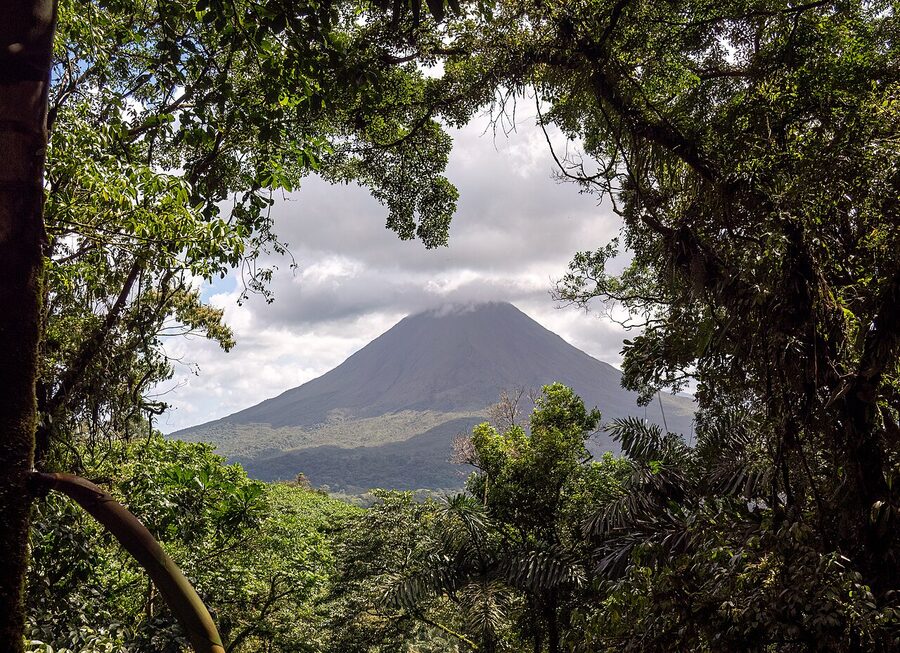
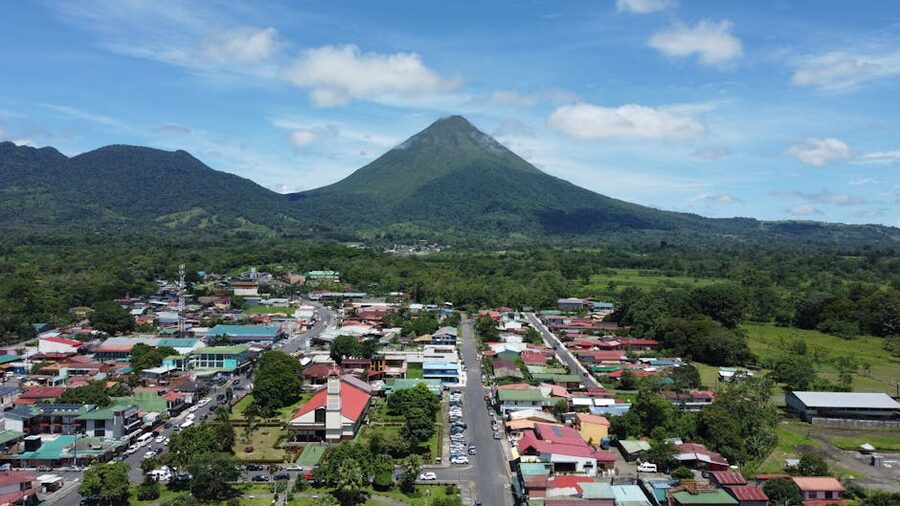
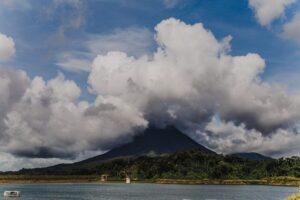
If you only have a week, this is where you go after San José. La Fortuna is the small town at the base of Volcán Arenal, and it is the most-visited single area in Costa Rica for good reason. The volcano is a near-perfect cone, dormant since 2010 but still steaming on cold mornings. The surrounding lowlands have hot springs, hanging bridges in the rainforest canopy, the La Fortuna Waterfall, sloths in the trees outside half the hotels in town, and Lake Arenal stretching west into the hills.
What I would actually do here on a 3-night stay:
- Mistico Arenal Hanging Bridges. The 16-bridge loop through the rainforest canopy is the best easy hike in the area. About 3km, mostly flat, two to three hours at a slow pace. Go early, ideally on the first walk of the day, for wildlife. Entry is around ₡14,500 for self-guided, more with a naturalist guide who is genuinely worth it for animal-spotting.
- La Fortuna Waterfall. The catarata drops about 70m into a pool you can swim in. The walk down is 500 stairs and the walk up is the same 500 stairs, just slower. Entry around ₡10,000, run by the local community.
- Hot springs. There is a free public stretch of the Río Tabacón just below the road bridge, very social, very basic, no facilities, watch your stuff. The pay options range from low-key (Termales Los Laureles, around ₡6,000) to elaborate resort complexes (Tabacón, Baldí, around ₡40,000 to ₡55,000 for a day pass with food). Skip the resort pass unless you are staying there.
- Cerro Chato or Volcán Arenal 1968 Trail. Cerro Chato (the dead crater lake hike) is a tough 4-5 hour return that has been periodically closed due to erosion; check before you commit. The 1968 Trail through old lava fields has the best near-volcano views and takes about 2 hours.
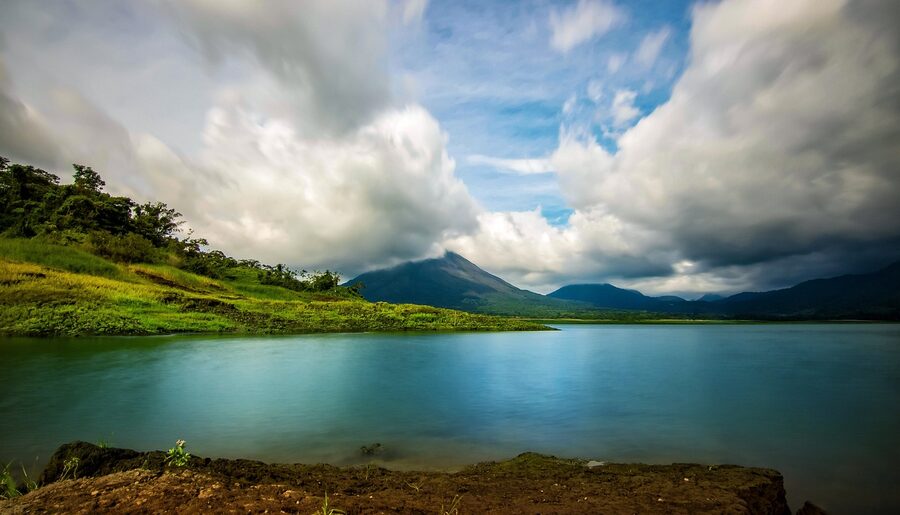
From La Fortuna, the next stop for most people is Monteverde, which is geographically close (you can see one from the other across Lake Arenal) but a slow trip. The fastest route is the jeep-boat-jeep transfer, around 3 to 4 hours total, around ₡35,000 to ₡45,000 per person, which most hostels and hotels will book. Driving is 4 hours plus on a bad gravel road and not really recommended in a regular rental car. The bus involves changing in Tilarán and takes most of a day.
Monteverde: The Cloud Forest
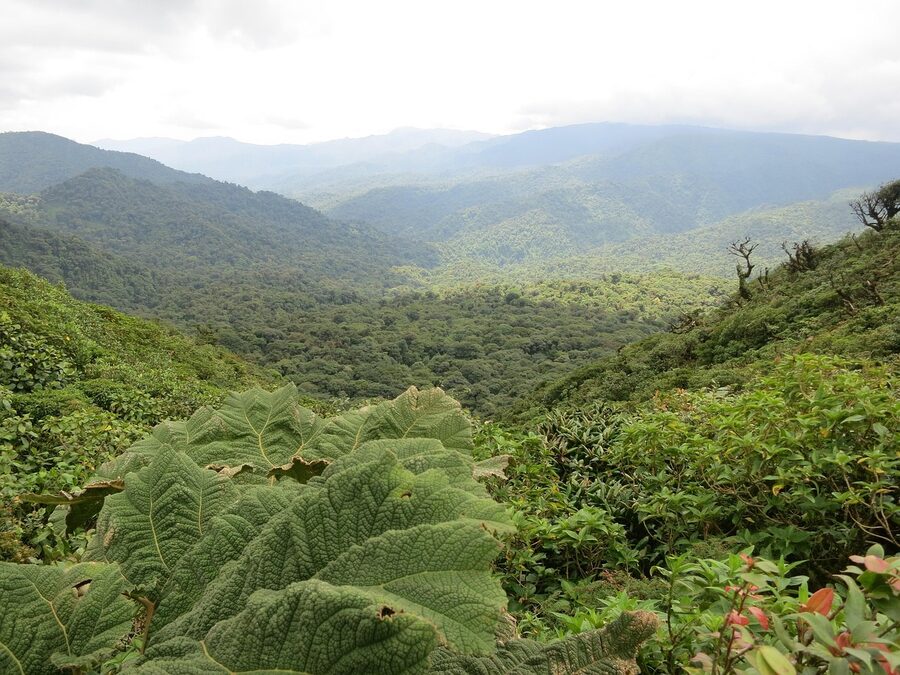
Monteverde sits about 1,400m up in the Tilarán mountains, and the cloud forest reserve at the top sits a little higher. The place has two parts: the village of Santa Elena, which has the budget hotels, sodas, and bus stop, and Monteverde proper a few kilometres up the hill, founded by Quaker pacifists from Alabama in the 1950s and now mostly cheese factories, eco-lodges, and reserves. Santa Elena is where most travellers stay; Monteverde is where most of the upmarket lodges are.
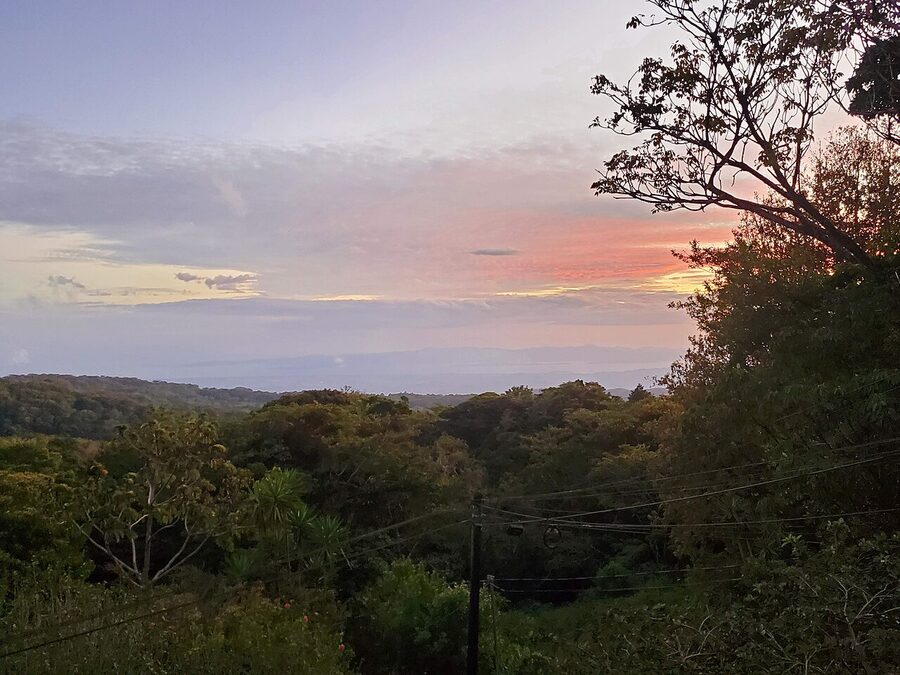
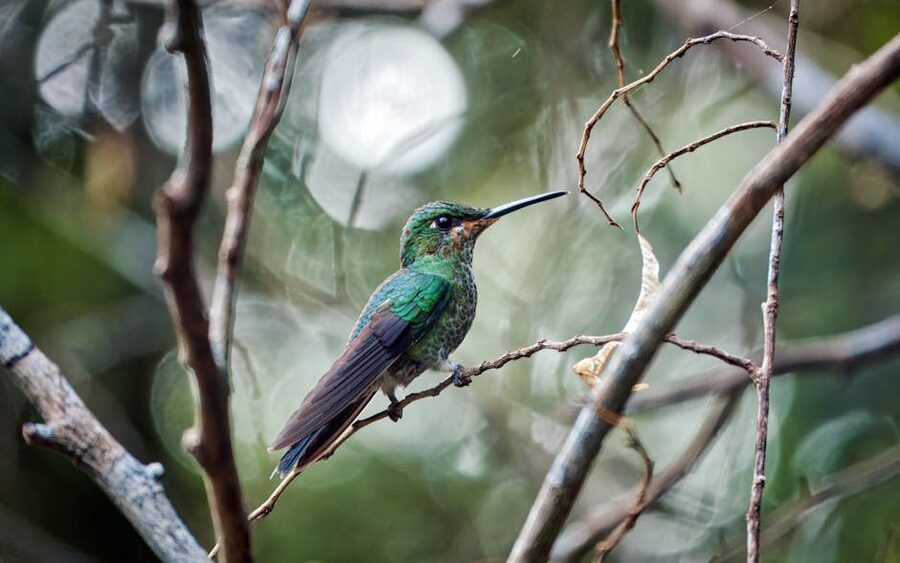
The headline activities here are the cloud forest reserves and the canopy zip-lines. The two main reserves are the Monteverde Cloud Forest Biological Reserve (the original, more famous one, entry around ₡13,000 for foreigners) and the Santa Elena Cloud Forest Reserve (smaller, less crowded, around ₡8,000). Both have a network of trails through dripping moss-covered forest where you might see howler monkeys, coatis, dozens of hummingbird species, and, if you have luck and a guide, the resplendent quetzal.
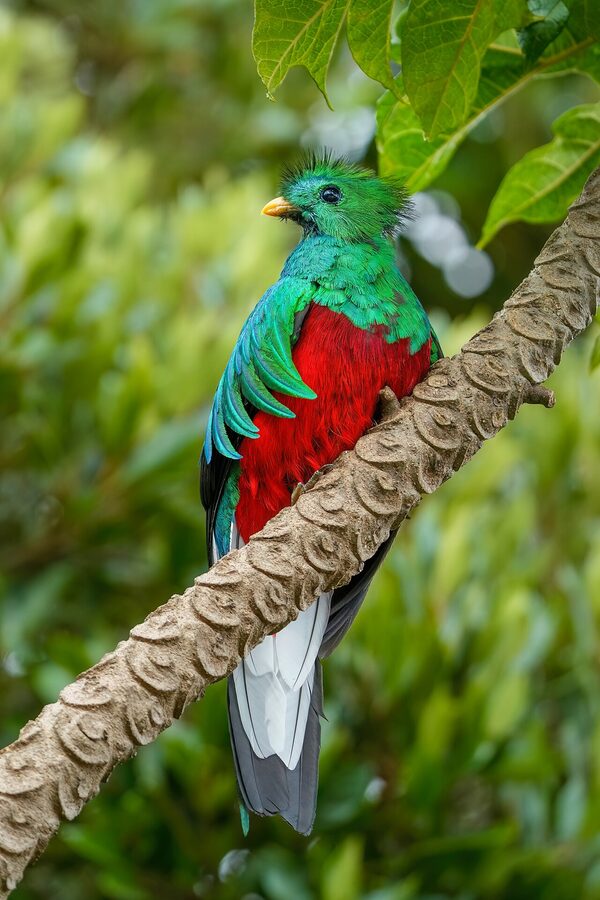
About the quetzal: this is the bird people obsess over here. Sacred to the Maya, the namesake of the Guatemalan currency, and one of the most stupidly beautiful birds you will ever see. Iridescent green back, scarlet breast, a metre of trailing tail feathers on the breeding males. Monteverde has them, but San Gerardo de Dota near San José has more of them and easier sightings. If a quetzal is on your list, do a dawn tour with a local guide. Solo without a guide your chances drop from “decent” to “lucky”.
The canopy zip-line tours were essentially invented here in the 1990s and Monteverde is still the best place to do them. Selvatura, Sky Adventures, and 100% Aventura are the main operators; tours cost around ₡35,000 to ₡50,000 depending on length, and most include a tarzan swing or a 1km “Superman” line. I will say it plainly: I find zip-lines mildly underwhelming as a wildlife experience because you go too fast to see anything, but they are a good half-day if you want adrenaline.
Practical for Monteverde: it is genuinely cold at night (low teens Celsius is normal). Pack at least one warm layer and a rain shell. The road up from the Pan-American highway has been improved but the last stretch is still rough. If you are driving, a 4×4 helps but is not essential in dry season.
Manuel Antonio: The Beach-and-Park Combo
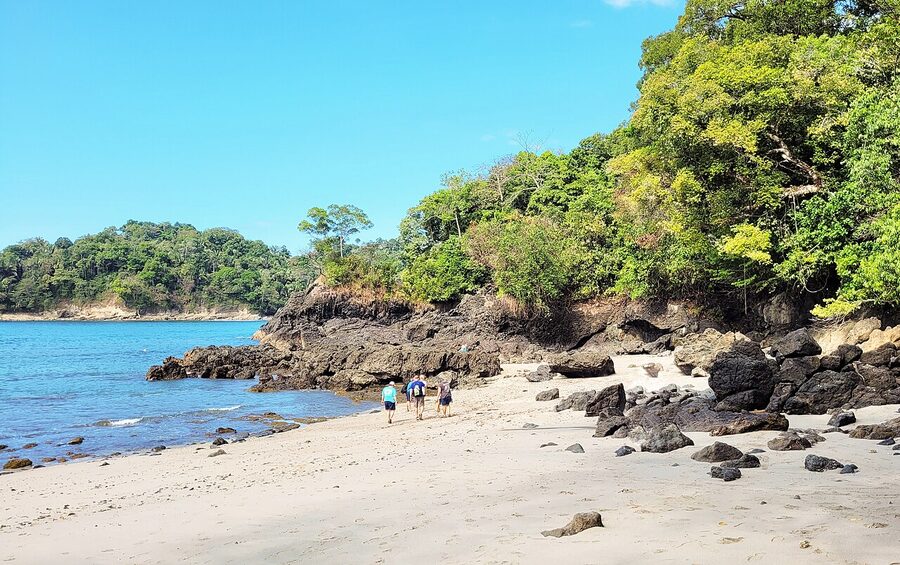
Manuel Antonio is on the central Pacific coast, about 3 hours’ drive south of San José or a 30-minute domestic flight to Quepos. It is small, busy, and the most “developed” of the major Costa Rican beach destinations. The town strung along the road from Quepos to the park entrance is a continuous strip of restaurants, hotels, and small shops; the beaches inside the national park itself are the postcards.
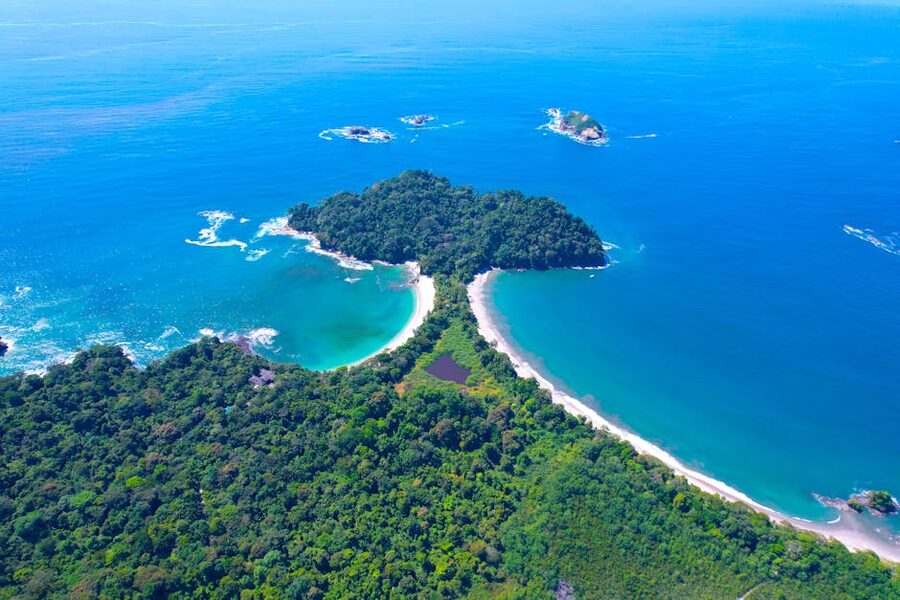
The Manuel Antonio National Park entry is around ₡11,000 for foreigners. They cap daily visitors and the park is closed on Tuesdays. Buy tickets online in advance through the official site; turn up at opening (7am) and you can have the trails to yourself for the first hour. The four main beaches are inside the park (Playa Espadilla Sur, Playa Manuel Antonio, Playa Gemelas, Playa Puerto Escondido), and they connect via short jungle trails. A guide is not essential, but a good one will spot wildlife you would walk straight past.
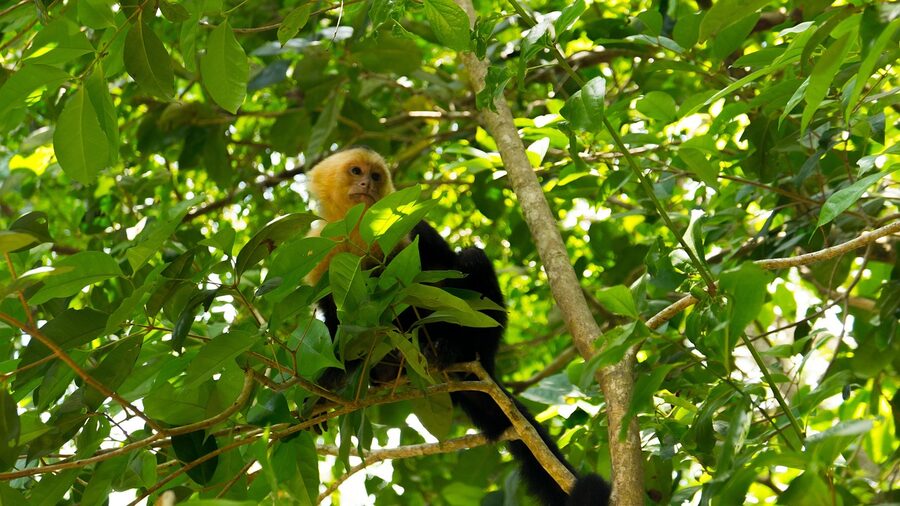
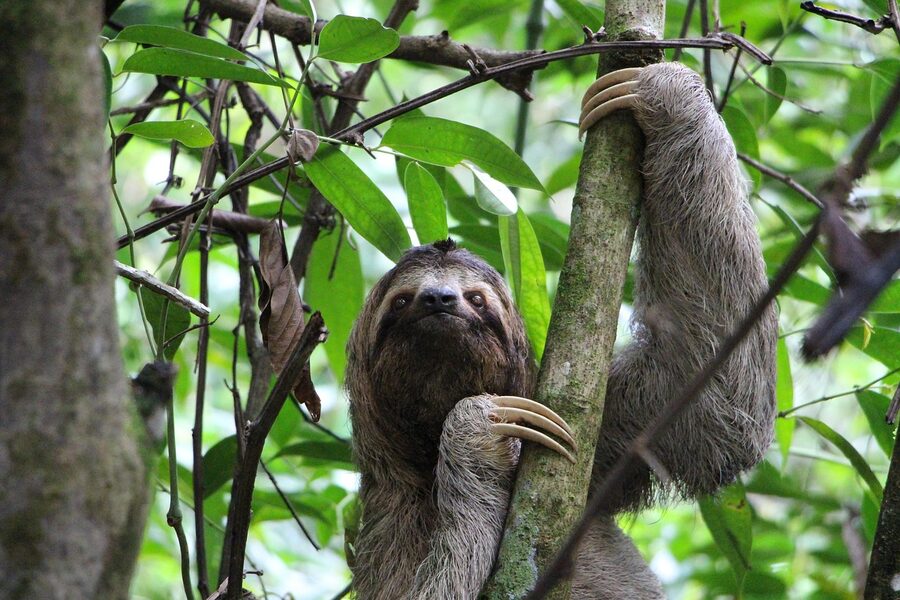
Wildlife you have a real chance of seeing inside the park or on the road into it: white-faced capuchin monkeys, howler monkeys, both two-toed and three-toed sloths, Central American agoutis, coatis, basilisk lizards (the “Jesus Christ lizard” that runs across water), and a long list of birds. The capuchins are aggressive food thieves; do not leave a bag unattended on the beach. The cute photo of a monkey with someone’s sunglasses is also a story about a monkey having a meltdown later.
Outside the park, Manuel Antonio’s strip is busy without being unpleasant. There are dozens of places to stay at every price point, from hostels in Quepos to boutique hotels with the famous “infinity pool over the jungle” view. Manuel Antonio is overrated for some travellers and exactly right for others. If you wanted untouched wilderness, you came to the wrong national park. If you wanted to see a sloth and then have a decent dinner and a margarita, this is the easy answer.
The Pacific Surf Coast: Tamarindo, Nosara, Santa Teresa
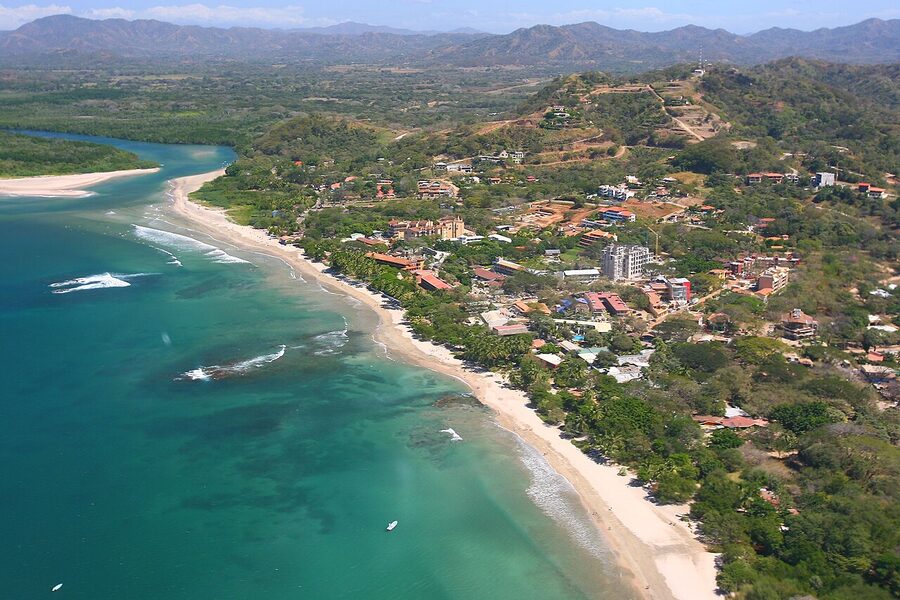
The northwest province of Guanacaste, plus the Nicoya Peninsula hanging off the south of it, is where Costa Rica’s surf scene lives. Liberia (LIR) is the gateway airport for this whole coast and a much shorter drive than from San José. Each surf town has its own personality and they really are different.
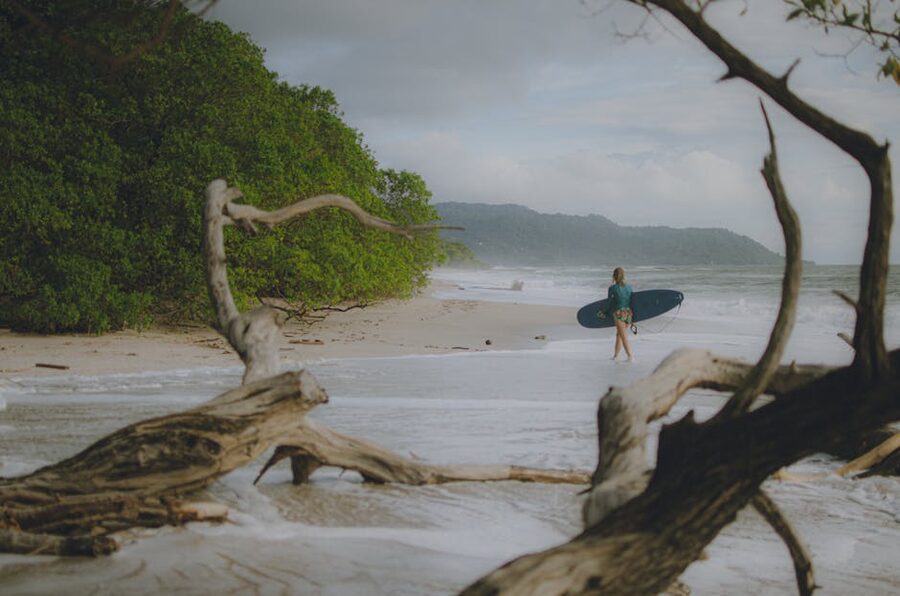
Tamarindo is the busiest, most-developed and most touristy. It is a real town with supermarkets and ATMs and a long beach that breaks gently enough for first-time surfers. Lots of surf schools, lots of beach bars, lots of yoga. If you have never surfed and you want to learn, Tamarindo is the right place. If you want a quiet retreat with no hawkers, keep driving.
Nosara is yoga-and-wellness Costa Rica. The town has been quietly colonised by California-style yoga retreats, surf-and-yoga camps and digital nomads. Playa Guiones is the main surf beach, longer and emptier than Tamarindo, with more consistent waves. Nosara is more expensive than Tamarindo, sandier, dustier in dry season, and more expensive than Tamarindo. (I mean it.) The vibe is very specific. You will love it or you will leave after two days.
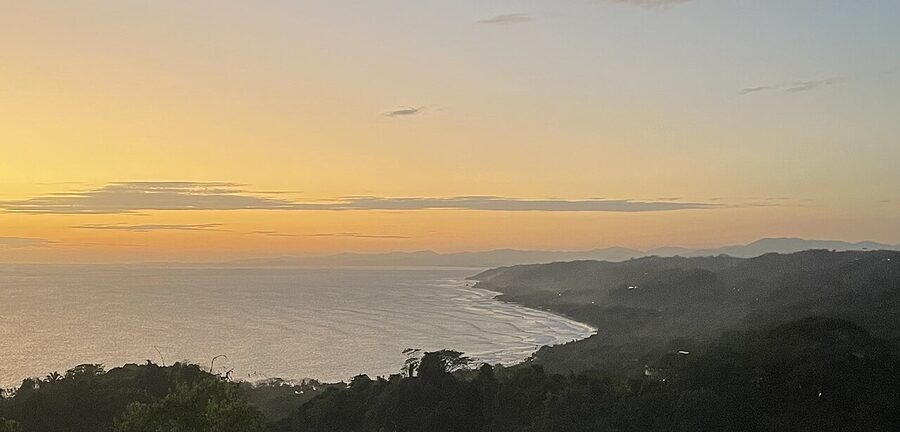
Santa Teresa and Mal País are at the southern tip of the Nicoya Peninsula, a long dusty drive (or a short flight) from the rest of the country. This is the backpacker-then-bohemian coast. Wider beach, better waves than Tamarindo, smaller town, dirt roads in the rainy season that turn into a spa day for your rental car. Mal País is the original fishing village south of Santa Teresa; Santa Teresa is the surf strip; they have grown into each other. If I were going for two weeks of surf without leaving the coast, I would go here.
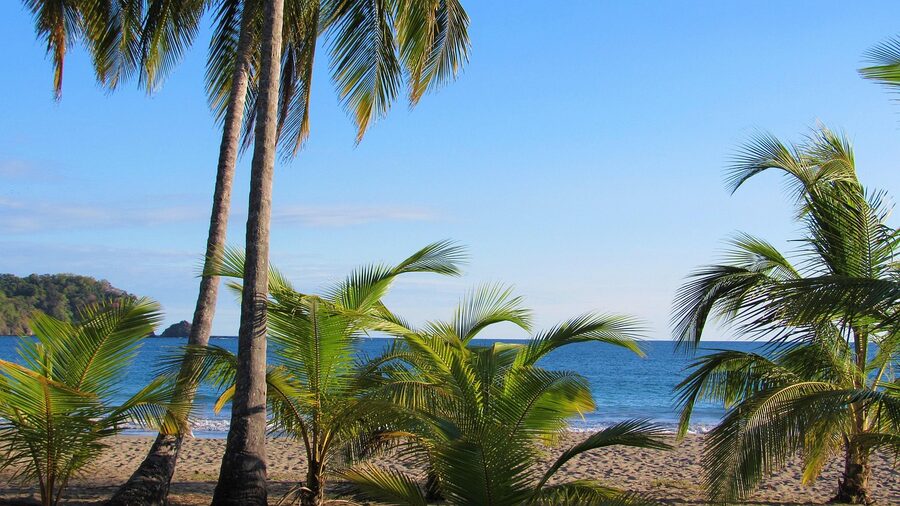
Other Pacific options worth knowing about: Sámara (gentle bay, family-friendly), Playa Carrillo (one bay south, palm-lined and quieter), Playa del Coco (closest to the Liberia airport, divers’ base for the Catalinas, more cruise-ship-adjacent), and the Papagayo Peninsula resort complex (Four Seasons, Andaz, Westin etc., not really a town, more an enclave).
Practical surf-coast notes: the Pacific has serious rip currents. People die in them every year. The most notorious are at Playa Cocles in the south Caribbean and Playa Hermosa near Jacó on the Pacific, but rip currents exist on most of the open-ocean beaches. If you are not a strong swimmer, learn to recognise rips before you swim. The Costa Rica Tourism Board publishes safety advisories worth reading.
Corcovado and the Osa Peninsula: The Real Wild
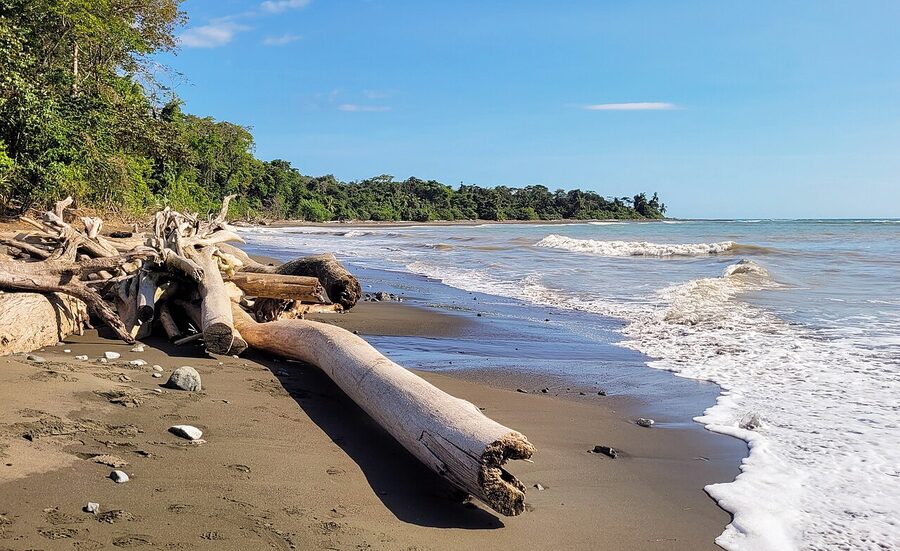
If you want the wildlife heavyweight, this is it. National Geographic once called Corcovado “the most biologically intense place on Earth”, which is a marketing phrase that happens to be accurate. Tapirs, scarlet macaws by the dozen, all four Costa Rican monkey species in a single morning, peccaries, anteaters, sometimes pumas and jaguars, definitely fer-de-lance and bushmaster snakes. The wildlife density here is genuinely different from anywhere else in the country.
It is also not casual. Corcovado National Park requires you to enter with a certified guide, and the easier of the two main entry stations (Sirena, in the middle of the park) is reachable only by boat from Drake Bay or Puerto Jiménez, or a long jungle hike. The other (San Pedrillo) is reachable by a shorter boat ride from Drake Bay. Day tours run around ₡60,000 to ₡85,000 per person plus park fees; multi-day hikes with a night at Sirena ranger station are more.
The two practical bases are Drake Bay on the north side (reached by boat from Sierpe, or a small plane to Drake) and Puerto Jiménez on the southeast side (reached by road or a small plane). Drake is the prettier base; Puerto Jiménez has more infrastructure. Both have a handful of eco-lodges ranging from rustic to high-end. If you only have one wildlife splurge in the whole trip, this is the one I would do.
One thing to flag: Corcovado is expensive in Costa Rican terms. A 3-night Drake Bay package with one full day in the park, transfers and meals can run ₡500,000 to ₡800,000 per person at midrange lodges. If your trip budget cannot stretch, Tortuguero or even just Manuel Antonio with an early-morning guide gives you most of the wildlife at a quarter of the price.
The Caribbean Coast: Puerto Viejo and Cahuita
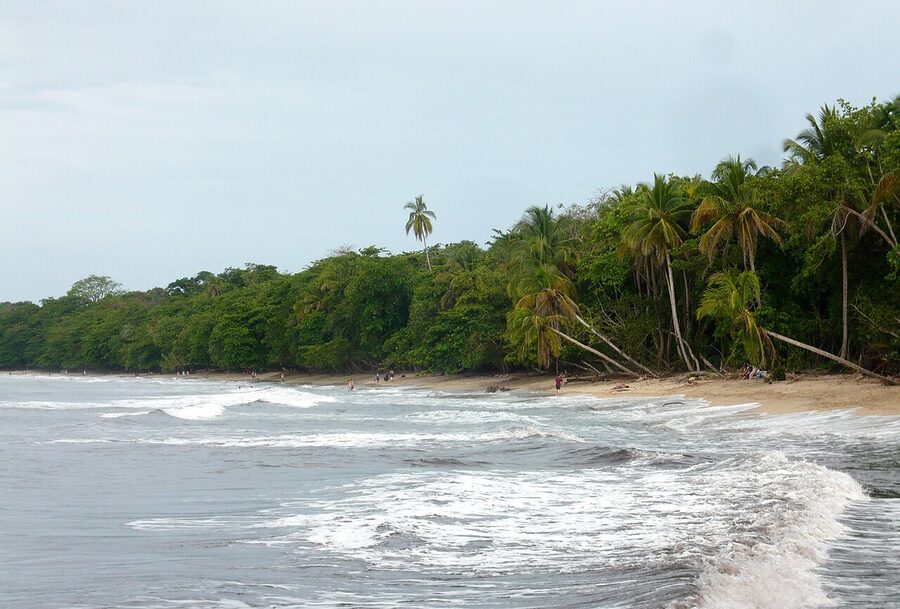
The Caribbean side feels like a different country, and to a real degree it is. Limón Province has Afro-Caribbean roots going back to Jamaican workers brought in to build the railway in the 1870s and the United Fruit banana plantations after that. Limonese Creole is still spoken; reggae plays on every other corner; the food has coconut milk in everything; and the energy is calmer than the Pacific surf coast. I love this side more than the Pacific, and saying so on Costa Rican travel forums starts mild arguments.
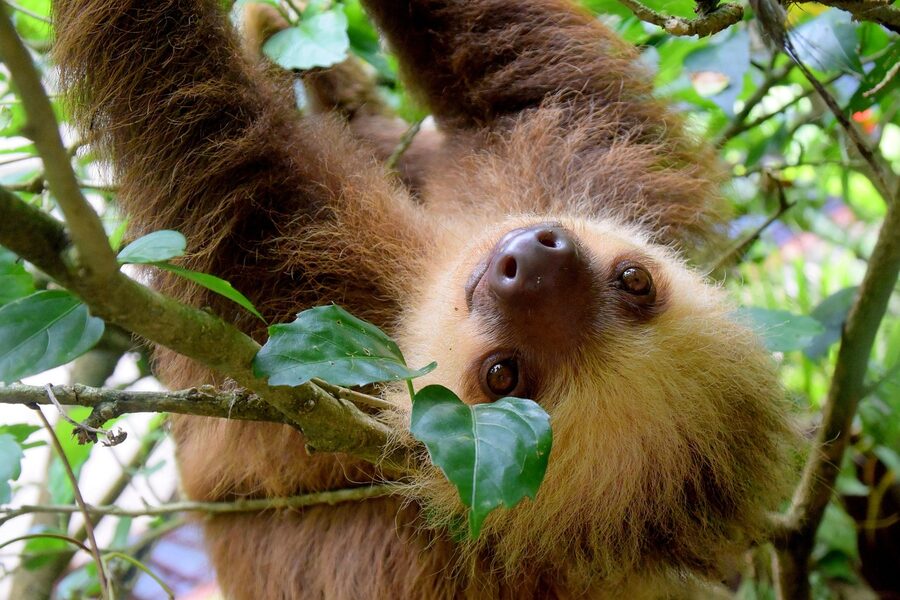
Puerto Viejo de Talamanca is the main town. The centre is small, walkable in 15 minutes, and full of Rasta-themed bars, Caribbean-fusion restaurants and a constant rotation of expats and travellers who came for two weeks and stayed two years. The beaches strung south of town (Playa Cocles, Punta Uva, Playa Chiquita, Manzanillo at the end of the road) are quieter than the town beach and cleaner. Cocles has the best surf for intermediate surfers; Punta Uva has the prettiest swimming bay; Manzanillo is the trailhead for the Gandoca-Manzanillo wildlife refuge.
Cahuita, half an hour north of Puerto Viejo, is smaller and quieter. The pull is Cahuita National Park, where the trail runs along the coast for 8km past beaches with sloths in the trees and a reef just offshore that you can snorkel. Park entry is by donation at the Cahuita town gate (suggested ₡5,000), or with the standard fee at the Puerto Vargas entrance. Snorkelling tours run around ₡25,000 to ₡40,000.
Food on the Caribbean side: rice and beans here means Caribbean-style rice and beans cooked in coconut milk (not the Pacific gallo pinto), often served with stewed chicken or fish in a coconut sauce. A plate of rondón (Caribbean fish stew with yuca, plantain, coconut and a long list of other things) is what you should order at least once. Try patí, the spicy meat-filled hand pies that are the local snack.
Practical for the Caribbean side: the Pacific dry season (Dec-Apr) is actually wetter on the Caribbean. The drier months here are roughly September-October and February-March. The drive from San José is 4-5 hours via Limón, on the country’s main eastern highway. Buses run several times a day from the Mepe terminal in San José. The land border to Panama at Sixaola is 50km south of Puerto Viejo and goes to Bocas del Toro on the Panama side, a popular onward route.
Tortuguero: The Turtles and the Canals
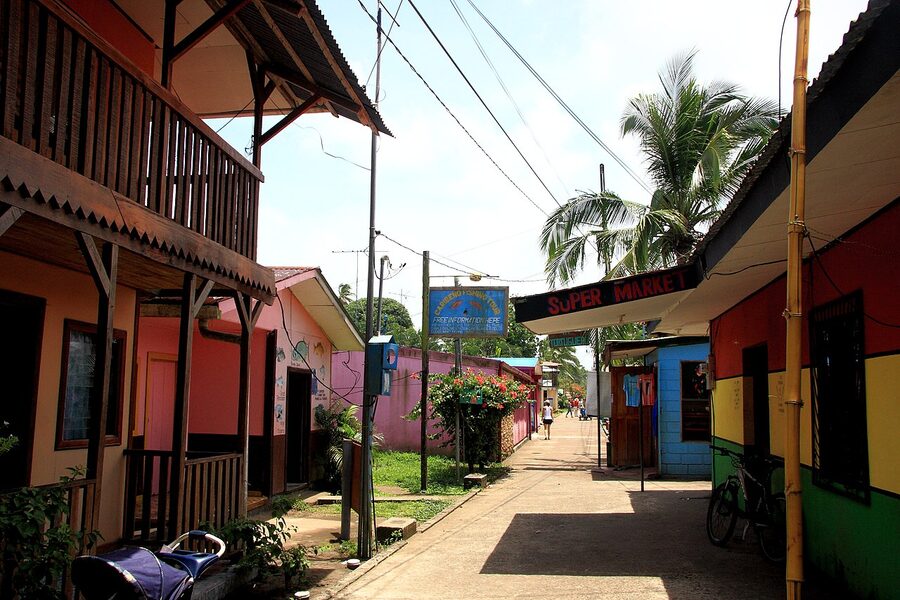
Tortuguero sits on a sliver of land between the Caribbean and a network of jungle canals on the north Caribbean coast. There are no roads in. You arrive by boat (most travellers come from La Pavona, a 2-hour bus ride plus a 1-hour boat from San José) or by small plane to the local airstrip. Once you are there, every excursion is on the water.
The headline draw is sea turtle nesting. The most-photographed species is the green turtle, which nests on the long Caribbean beach from roughly July to October, peaking in August-September. Leatherbacks (the giant ones) come up from March to June. Hawksbills also nest here in smaller numbers. Beach access during nesting season is restricted and guides are required at night. A standard turtle tour is around ₡35,000 per person, including the guide and the park fee.
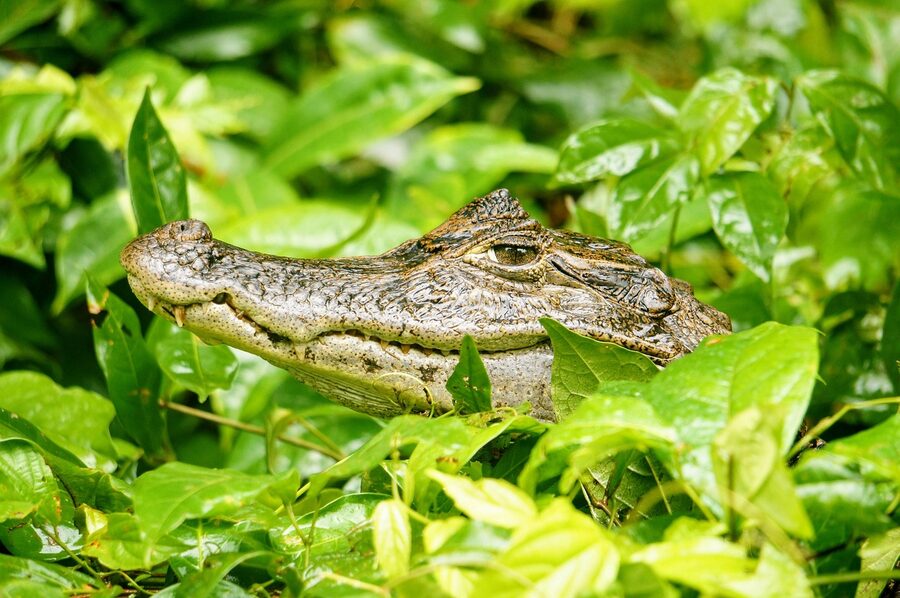
Outside turtle season, Tortuguero is still worth the trip for the canals. Dawn boat rides through the channels are the best wildlife viewing of any easy-access destination in Costa Rica that is not Corcovado. Caymans on the banks, river otters, basilisks, dozens of bird species, three of the four monkey species, and (with luck) tapirs at dawn. The village itself is small, low-key, friendly, and feels properly off the road system because it is.
Tortuguero is a 2-night trip, not a 5-night one. Two full nights, three half-day boat tours, and you are done. The food at the village restaurants is fine but limited; the lodges across the canal feed you better but at a price.
Costa Rica Wildlife: What You Will Actually See
A reasonable expectation for a 10-day Costa Rica trip with one wildlife-heavy stop is something like this:
- Sloths (both two-toed and three-toed): probably yes, on multiple days. Manuel Antonio, Tortuguero, Puerto Viejo, La Fortuna are all easy.
- Monkeys: yes, four native species. Howlers (the loud ones, 4am alarm clock in any rainforest hotel) and white-faced capuchins are easiest. Spider monkeys and squirrel monkeys are harder, mostly in the south Pacific and Osa.
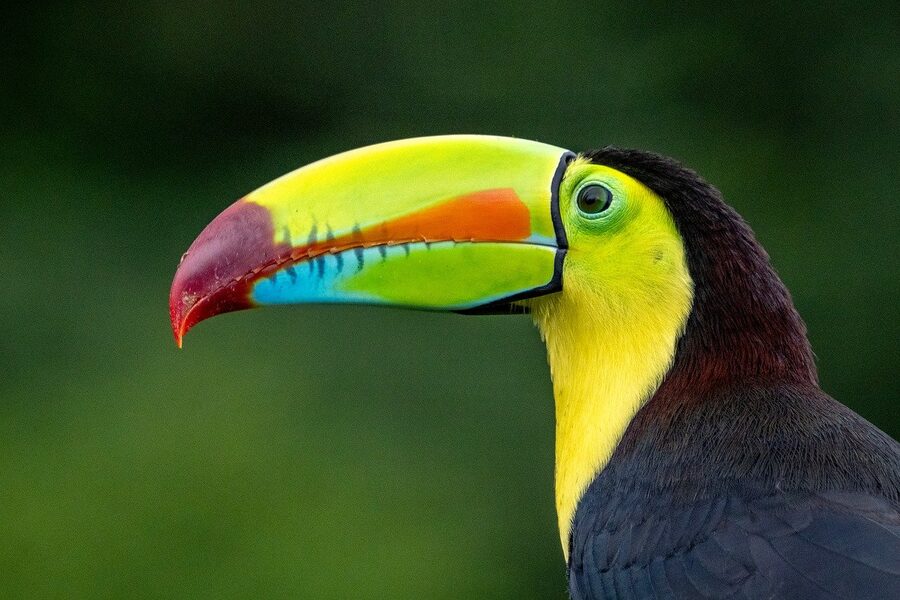
- Toucans: yes, with patience and a guide. Keel-billed and chestnut-mandibled are the showy ones.
- Scarlet macaws: easy on the central Pacific (Carara National Park near Tárcoles is the reliable spot) and abundant in Corcovado.
- Resplendent quetzal: realistic in season (Feb-July) with a dawn guide in Monteverde or San Gerardo de Dota.
- Sea turtles: yes, in season, on a guided tour at Tortuguero or Ostional on the Pacific side.
- Big cats: very unlikely outside Corcovado, and even there it is a lottery.
One thing to manage: expectations on snakes and “scary” wildlife. You will probably not see a fer-de-lance unless you go looking for one with a guide. You will see plenty of harmless lizards. Mosquito problem is real but manageable if you bring a repellent with DEET or picaridin and stay covered at dawn and dusk.
Food: Casado, Gallo Pinto and the Soda Strategy
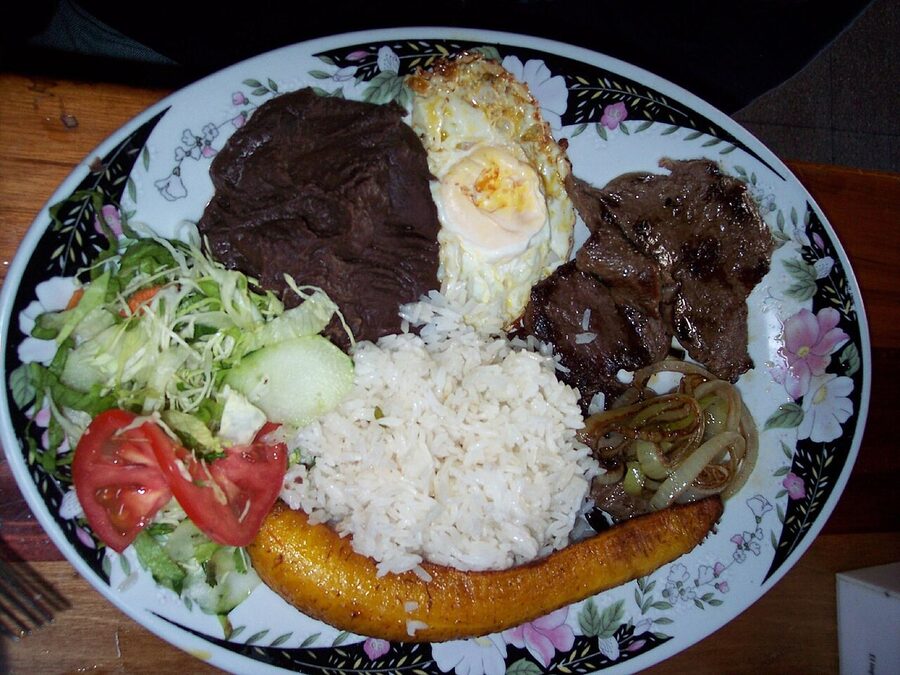
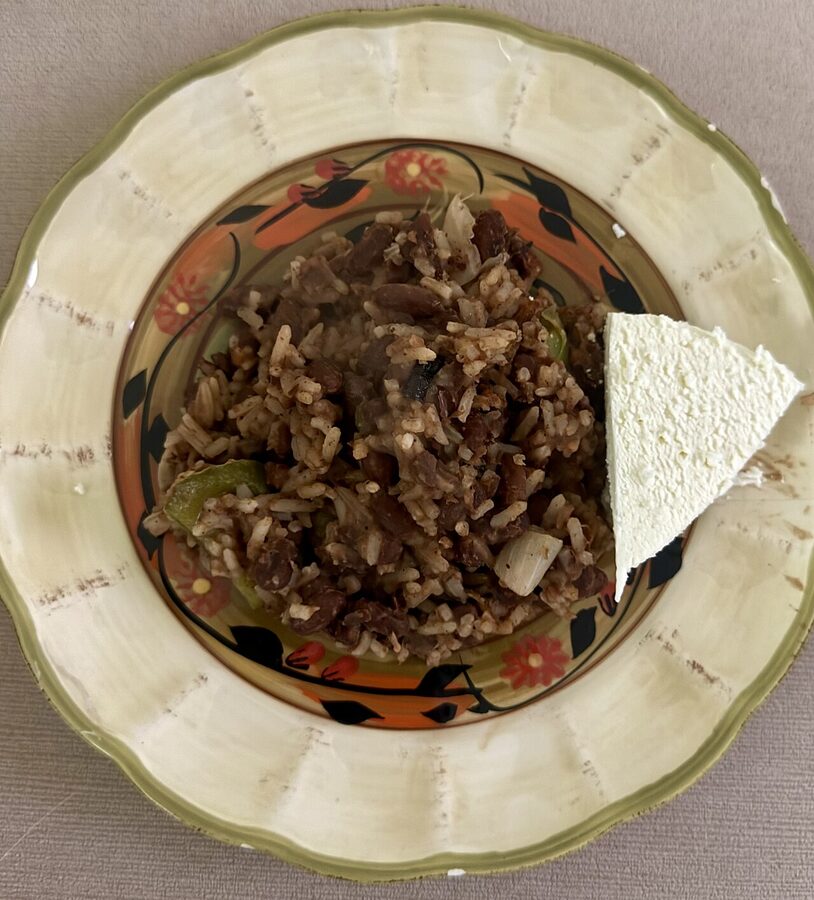
Costa Rican food is not what most people fly here for, and that is fine because once you understand what to order it is reliably good. The two anchor dishes are casado (the set lunch: rice, black beans, fried plantain, a small salad, and a protein, usually chicken, fish, beef or pork) and gallo pinto (rice and black beans cooked together with onion and culantro, eaten for breakfast with eggs, plantain, sour cream and tortillas). A casado at a basic soda (the family-run lunch counters that exist in every town) runs ₡3,500 to ₡5,500. A gallo pinto breakfast is closer to ₡2,500 to ₡4,000.
Soda strategy: the soda is your friend. They are everywhere, the food is fresh, the prices are fixed and the portion sizes are huge. You will not need to eat at a restaurant for lunch, ever, unless you want to. Look for the place where the locals are eating at the counter, not the one with the English menu out front.
Other things worth ordering: patacones (twice-fried plantain rounds, salty, addictive), ceviche (lime-cured fish or shrimp, served with crackers), chifrijo (a glass of rice, beans, fried pork, pico de gallo and tortilla chips, served as a bar snack), and the Caribbean-coast rice and beans in coconut milk that is genuinely different from gallo pinto. Tres leches for dessert if you have not had it before.
Coffee deserves its own paragraph. Costa Rican coffee is excellent and you will drink it daily. Try the chorreador drip method (a wooden frame with a cloth filter), which is the traditional way and makes a better cup than the standard espresso machines. Doka, Tarrazú, and Naranjo are the regions to look for on packaging.
Drinks: imperial is the local pilsner, pilsen is its slightly more bitter cousin. Craft beer is everywhere in San José and Monteverde and most beach towns now. Guaro Cacique is the local sugarcane spirit, often mixed with lime and soda for a cheap rum-equivalent. Agua dulce is hot brown sugar water, the country’s hangover cure and grandmother drink in one.
Getting Around Costa Rica
Three real options, in increasing cost order: public buses, tourist shuttles, and rental car.
Public buses are cheap and reliable on main routes. San José to La Fortuna is around ₡4,500 and 4 hours. San José to Puerto Viejo around ₡8,000 and 5 hours. San José to Tamarindo around ₡8,500 and 5-6 hours. The Mercado Central has a confusing arrangement of departure terminals organised by destination, not by bus company. Plan to buy your ticket the day before for popular routes in high season. You will not get door-to-door service: you arrive at the town’s bus station and walk or taxi from there.
Tourist shuttles (Interbus, Gray Line, Caribe Shuttle) are minivans that pick you up at your hotel and drop you at the next one. Cost ₡25,000 to ₡40,000 for most popular routes (San José to La Fortuna, La Fortuna to Monteverde, Monteverde to Manuel Antonio etc). Easier than buses, more flexible than tours, the standard backpacker-plus solution.
Rental cars are the way to go if you want freedom. A 4×4 SUV is ₡30,000 to ₡60,000 a day depending on season and company. A few warnings: rural roads can be rough (you do not need 4×4 for La Fortuna or most of the Caribbean coast, but you do for Monteverde, the south Nicoya, and most of the dirt-road eco-lodges). Costa Rican drivers can be aggressive. The mandatory third-party insurance from INS is bundled separately; budget car-rental quotes that look cheap online often double once it is added. Petrol is around ₡800 to ₡900 a litre. Driving at night on rural roads is genuinely dangerous (no shoulders, occasional unmarked obstacles, the odd crossing animal); plan to be where you are sleeping by sunset.
Domestic flights with Sansa link San José to Drake, Puerto Jiménez, Tortuguero, Tamarindo, Liberia, Quepos and a few other airstrips. These are small twin-engine planes; tickets are ₡40,000 to ₡100,000 each way; baggage limits are tight. Worth it for Drake Bay, Tortuguero and Puerto Jiménez where the alternative is a long boat or a long drive.
Border crossings: Peñas Blancas connects to Nicaragua in the north and is the busiest land crossing. Paso Canoas connects to Panama in the south and is also busy; the smaller Sixaola crossing on the Caribbean side is the route to Bocas del Toro. The Panama border town on the Paso Canoas side leads quickly to David, Panama, the gateway to the Boquete highlands. Tica Bus and Transnica run direct buses through the borders to Managua, Tegucigalpa and onward.
When to Go
Costa Rica has two seasons: dry and rainy. Locals call dry season verano (summer) even though it falls in the northern hemisphere winter, and rainy season invierno (winter) even though it covers the northern summer.
- Dry season (mid-December to April): the postcard months. Sunshine on the Pacific, less rain on the Caribbean, full national-park access, peak surf in Guanacaste, peak prices. Christmas-New Year and Semana Santa (Easter week) are the busiest times of the entire year and you should book hotels months ahead.
- Green (rainy) season (May to mid-November): the locals’ favourite, mine too. Mornings are usually clear, rain comes in heavy afternoon bursts and clears, the country is impossibly green, prices drop 20-40% on hotels, wildlife is more active. The downsides: some dirt roads are nasty, October is the wettest month and several smaller hotels close, and the central Pacific can have several days of solid rain.
- Caribbean exception: the Caribbean coast does not follow the rest of the country. September-October is the driest stretch on this side. February-March is also dry. The “rainy” season elsewhere can be perfect on the Caribbean side.
- Hurricane risk: minor compared to northern Central America. Costa Rica sits below the main Caribbean hurricane track. Tropical storms occasionally clip the country (Otto in 2016, Nate in 2017) but direct hurricane hits are rare.
For wildlife specifically: green-turtle nesting (Tortuguero) is July-October. Leatherback turtles March-June. Quetzal breeding February-July. Whale watching (humpbacks) in the south Pacific is two seasons, December-March (north Pacific population) and August-October (south Pacific population).
How Long: Sample Itineraries
One week (7 days): San José arrival, La Fortuna for 3 nights, Manuel Antonio for 2 nights, San José for the last night. This is the classic short trip; it is fine, but tight.
Ten days: San José one night, La Fortuna 3 nights, Monteverde 2 nights, Manuel Antonio or Pacific surf 3 nights, San José one night for the flight out. The 10-day itinerary is the sweet spot for first-timers.
Fourteen days: add either Corcovado (Drake Bay 3 nights) for wildlife, or the Caribbean (Puerto Viejo 3-4 nights) for a different cultural feel. I would pick the Caribbean for first-timers and Corcovado for wildlife-focused returners.
Three weeks: the full circuit. Add Tortuguero, hit both coasts, and bounce in or out via a land border to Nicaragua (Granada and Ometepe are an obvious add) or Panama (Boquete in the highlands is a 6-hour bus from David, just over the border).
Safety: The Honest Version
Costa Rica is the safest country in Central America by every metric, and a good distance ahead of the regional average. The US State Department holds it at Level 2 (exercise increased caution) and the UK Foreign Office at the equivalent. Both are sensible reads if you want the official version.
The actual risks for travellers, in rough order of likelihood:
- Petty theft on Pacific beaches, in San José city centre, and in big bus stations. Do not leave a backpack on the sand while you swim. Do not flash phones at intersections. The classic “tyre-slashed-and-then-helpful-stranger” rental car scam happens; if a stranger flags you down to point at your tyre, drive to a busy place before stopping.
- Rip currents on Pacific surf beaches. Playa Cocles (Caribbean), Playa Hermosa near Jacó, and stretches of Manuel Antonio outside the protected park have killed swimmers. If you cannot see a defined shorebreak and the water is murky and sucking out, that is a rip. Swim parallel to shore, not against it.
- Driving hazards on rural roads. Unmarked potholes, unlit motorcycles, occasional unmarked livestock. Drive in daylight only outside the main highways.
- Mosquito-borne illness: dengue is present, occasional Zika cases, malaria essentially eliminated except in pockets near the Panama border. Standard repellent regime is sufficient.
- San José city centre after dark: the historic core empties out at night. Use Uber or stick to busy streets. The neighbourhoods I named earlier (Escalante, Rohrmoser, Escazú) are fine to walk in at night.
Things you do not need to worry about: cartel violence (not a thing here), gang kidnapping (not a thing here), terrorism (not a thing here). Costa Rica abolished its army in 1948 and has one of the longest unbroken stretches of democracy in the Americas. It feels, for the most part, like a calmer version of its neighbours.
Money: Colones, USD, Cards and ATMs
The local currency is the colón, plural colones, written ₡. The exchange rate floats around 500 to 540 to the US dollar; Banco de Costa Rica and BAC ATMs give the best rates and dispense both colones and USD. The blue ones at gas stations charge tourist-grade fees; avoid them.
USD is widely accepted at hotels, tours, beach restaurants and supermarkets in tourist zones. Change usually comes back in colones at a slightly worse-than-bank rate. Smaller sodas, public buses and rural shops want colones only.
Cards (Visa and Mastercard) are accepted nearly everywhere except basic sodas and small village shops. Tipping: a 10% service charge is added to most restaurant bills automatically (look for 10% servicio); leaving extra is appreciated but not expected. Tour guides and shuttle drivers take cash tips (₡5,000 to ₡10,000 is normal for a half-day guide).
Final Practical Notes
SIM cards: Kolbi (the state operator) has the widest coverage; Movistar and Claude are alternatives. A tourist data SIM with 10GB is around ₡10,000. Most travellers now use eSIMs (Airalo, Holafly) instead.
Water: tap water is safe to drink in San José, the Central Valley and most of the country. Bottled is recommended on the Caribbean coast and in some rural areas. Hotel staff will tell you the truth if you ask.
Plugs: 110V, US-style. No adapter needed for North American devices.
Tipping bus and shuttle drivers, hotel housekeeping, and tour guides is appreciated; restaurants already include the 10% service. Round up taxi fares for short trips.
And one bigger thing. Costa Rica is more developed and more expensive than its neighbours, and the comparison with Nicaragua next door is striking. A casado that costs ₡4,000 here costs the equivalent of around ₡1,500 in Granada. A bus ticket that costs ₡5,000 here costs ₡1,500 there. If your budget is tight, you can stretch a Costa Rica trip a long way by combining it with a week in Nicaragua across the Peñas Blancas border, or with the Boquete highlands of Panama across Paso Canoas. I have done both as add-ons and would do them again. The wildlife and the parks are the reason to come to Costa Rica; the prices are the reason most of us don’t come for a month.
Pura vida. Use the word freely. Locals will laugh at your accent and respond in kind, and that is the country in one exchange.
.jpg)


