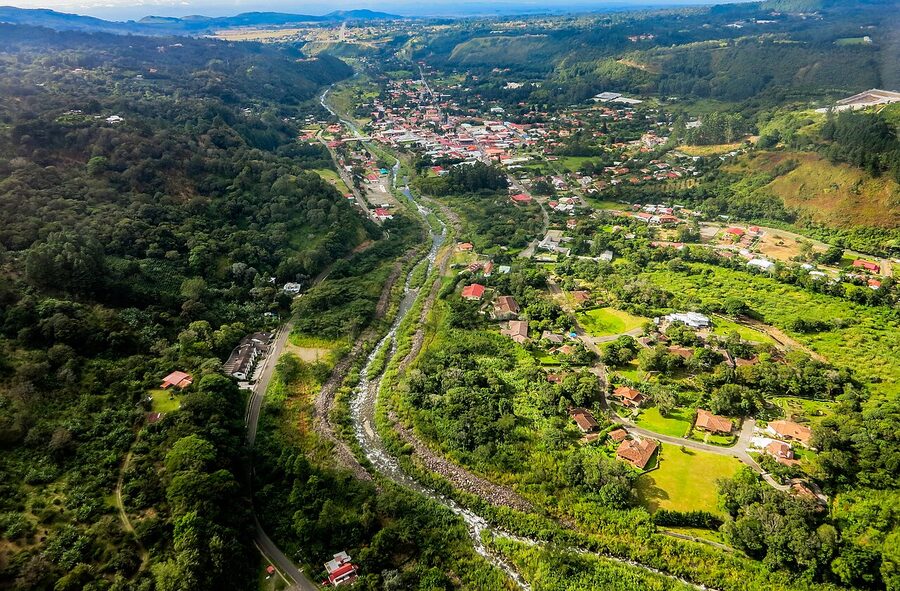
Boquete sits in two truths at once. It is a small Chiriquí highland village at 1,200 metres where coffee fincas climb the ridges and the cool morning air hits like a small reward after a hot Pacific lowland day. It is also one of the most established North American expat enclaves in Latin America, with American breakfast joints, bilingual real-estate agents, and a flower festival that pulls in visitors from across Panama every January. Both are real, both shape the visit, and pretending one or the other doesn’t exist gets you a less honest article.
I came up from David on the 7am bus, paid the driver $1.75 in coins and bills (Panama uses USD as paper currency, even though they technically have a peg called the balboa), and reached Boquete an hour later with the temperature dropping a clean five degrees as we climbed. That contrast is the headline. You step off a chicken bus into mist, you put on the fleece you didn’t think you’d need this far south, and you understand in about three seconds why people end up living here.
What follows is the practical guide. Where to base yourself in town, which hikes are worth the muddy boots, the coffee fincas that actually let you in, what to skip if you’re tight on time, and how to read the weather (because Boquete rains roughly ten months out of twelve, even in dry season). I’m pitching this at travellers planning two to four days here, paired with Bocas del Toro on the Caribbean side or a hop across the border into Costa Rica.
The traveller pool here is a mix. Backpackers stopping en route between Bocas and the Costa Rican border at Paso Canoas. Birders chasing the resplendent quetzal in the cloud forest. Coffee nerds (a real category, and Boquete makes them respectable) doing finca pilgrimages to taste the geisha varietal that put Panama on the specialty map. And a quieter contingent of older travellers visiting friends or family who retired up here. You will hear American accents in the cafes. You will also hear Ngäbe workers speaking their own language at the harvest. Both belong.
In This Article
- The bajareque, and other weather realities
- Getting there: through David, almost always
- Where to base yourself
- For first-timers and short stays: stay in Bajo Boquete
- For backpackers: Bambuda Castle or central hostels
- For coffee splurges and quiet
- Volcán Barú: should you actually do it?
- The coffee fincas, and the geisha question
- Sendero Los Quetzales and the cloud-forest hikes
- Sendero Los Quetzales
- The Pipeline Trail (Sendero Pipa de Agua)
- The Lost Waterfalls Trail (Las Tres Cascadas)
- El Pianista (and a note on safety)
- Whitewater rafting on the Chiriquí Viejo
- Caldera hot springs, and the rest of the day
- Where to eat
- When to go
- How long to stay, and how Boquete fits a Central America trip
- Practical bits
The bajareque, and other weather realities
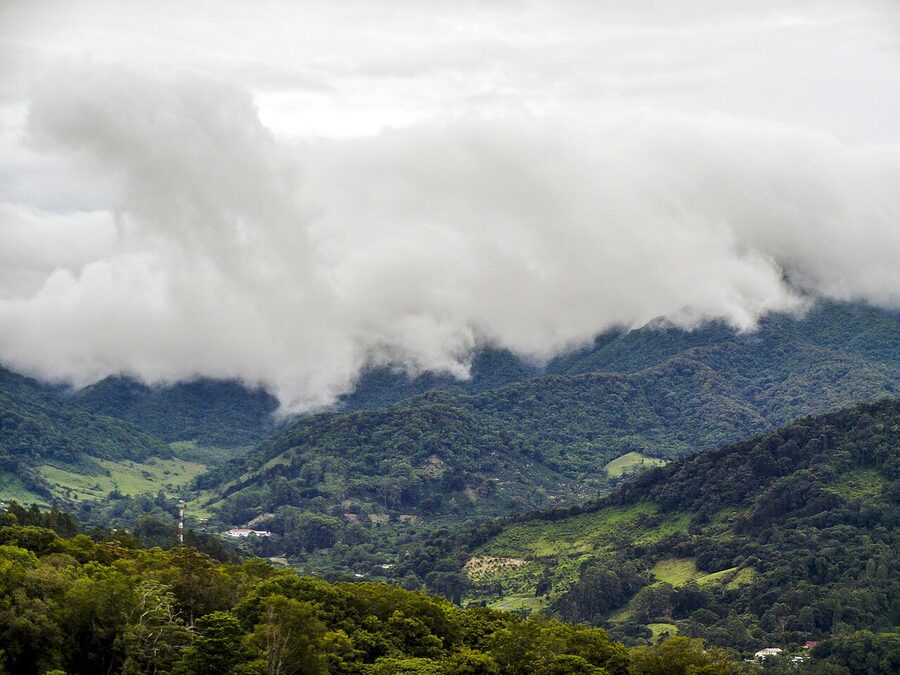
Locals call the fine wind-blown drizzle that hangs over Boquete most afternoons the bajareque (a misted, sideways-floating rain that isn’t quite rain). It’s the reason geisha coffee thrives here. It’s also the reason your trail will be wet by 2pm. The pattern in dry season (December to April) is reliable: clear bright mornings, a cloud bank moving in over Volcán Barú around 11am, full mist and drizzle by mid-afternoon, then sometimes clearing again at sunset for a rainbow show. In rainy season (May to November) you double the wet-afternoon hours and add proper downpours. One bartender told me it rains ten months out of twelve here even in the so-called verano (dry season summer), and the staff at my hostel agreed.
Plan around it. Hike in the morning. Save coffee fincas, museums, town wandering, and long lunches for the afternoon. Pack a fleece and a rain shell even in February. The temperature sits in the low 20s Celsius year round, which is why Boquete is called la tierra de la eterna primavera (the land of eternal spring), but the wind off Barú can drop the felt temperature into single digits at dawn on the trail. The other reality is altitude. At 1,200 metres in town, it’s not Cusco-level, but the climb to Volcán Barú’s summit at 3,475 metres will hit you if you’ve come straight from sea-level Bocas.
Getting there: through David, almost always
Every route in passes through David, the lowland capital of Chiriquí Province. David has the regional airport (Enrique Malek International, code DAV) with daily flights from Panama City‘s Albrook airport (PAC), about 40 minutes in the air, run by Air Panama. From the David Terminal de Transporte, buses to Boquete leave every 25 to 30 minutes from a marked platform on the upper level. Fare is $1.75 to $2 USD, paid in cash to the driver. The trip takes 50 to 60 minutes climbing the only road in.
Long-distance buses from Panama City to David take 6 to 7 hours overnight on companies like Padafront and Terminales David; book a seat ahead in dry season because the night services fill. From Costa Rica, the closest crossing is Paso Canoas, where you taxi or bus from San José or Golfito, walk across, and catch onward transport at the Panamanian side to David, then up to Boquete. Total transit from San José is a long day but completely doable, and Tica Bus runs through-services. The Caribbean alternative is the Sixaola/Guabito crossing, which only makes sense if you’re coming from the Talamanca coast and onward to Bocas first.
Once you’re in Boquete, the town centre is small and walkable. Anything outside it (most of the fincas, the trailheads, the hot springs) needs a colectivo, taxi, or rental car. Colectivos are local minibuses with their destination painted on the front; the routes you’ll use most are Bajo Mono (for the Pipeline Trail and Lost Waterfalls), Alto Quiel (for Finca Lerida and El Pianista), and Volcancito (for the road up Barú). They run frequently on weekday mornings, less so on Sundays. Fare is about $1.50 to $2 anywhere in the immediate district. Taxis are cheap if you’re in a group; from the Parque Central the standard rate to most trailheads is $5 to $8 one way. If you want freedom, rent a car in David before you come up; there are also a couple of small rental outlets in Boquete itself.
Where to base yourself
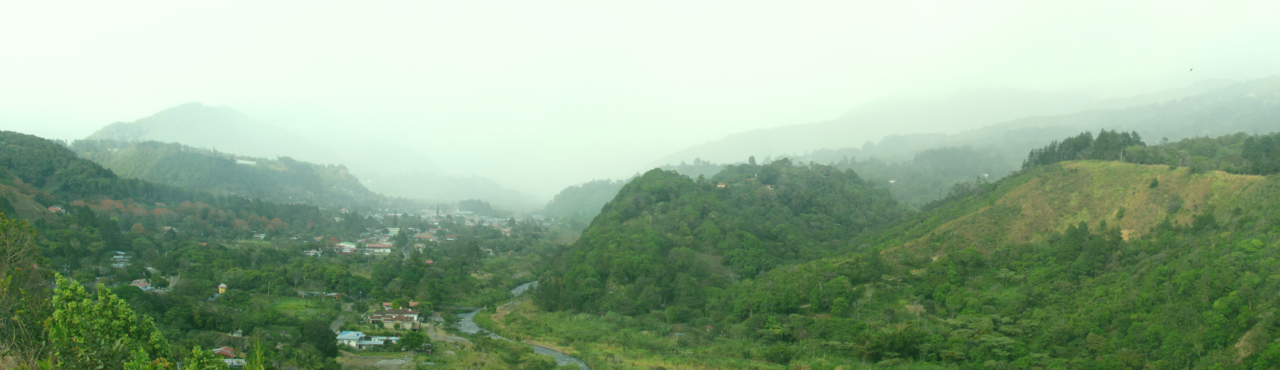
Boquete town runs along one main artery, Avenida Central, with the Río Caldera on the east and coffee-finca slopes climbing west. There are four sub-areas worth knowing.
Bajo Boquete is the centre, where most travellers stay. This is where the bus drops you, where the artisan market and the Parque Central are, and where the colectivos depart. Walk-everywhere convenience, more cafes and restaurants per block than anywhere else, but also where the expat-owned bars cluster. Alto Boquete sits about 4km south at slightly lower elevation; mostly residential, useful only if you’ve got a specific hostel here. Bajo Mono is the loop road that climbs north into the hills behind town, where many fincas and lodges are; if you stay here you’ll need transport into town for evenings. Volcancito is the road up to Volcán Barú, more isolated and lodge-style, with cloud-forest accommodation and a few coffee estates.
For first-timers and short stays: stay in Bajo Boquete
Boquete Garden Inn is the long-running mid-range favourite. Set in a quiet residential pocket about ten minutes’ walk from the centre, it has small kitchenette rooms, a walled garden where the morning birdlife is genuinely good, and breakfast included. It’s a touch old-fashioned in style and the rooms aren’t huge, but the staff knowledge of trails, fincas, and transport is the best in town. El Oasis Hotel y Restaurante sits just across the river with private rooms looking onto a flower garden and an on-site restaurant. Expat-owned, comfortable, fair price for the location.
For backpackers: Bambuda Castle or central hostels
Bambuda Castle is the famous one. It’s literally built like a small castle in the hills above town with wraparound valley views, a bar, hot tub, family-style nightly dinners, and rooms that range from dorms to a tower suite to a “Hobbit House” dome. It’s social, occasionally chaotic, and a half-hour walk or short taxi from the centre. Hostal Mamallena Boquete is the central, no-fuss alternative, with private rooms and dorms, English-speaking staff, and a useful shuttle desk that books trips to Bocas, San José, and the volcano hike.
For coffee splurges and quiet
Hotel Finca Lérida is the headline experience: a working coffee estate with on-site lodging, forest trails, birding from the balcony, and breakfast made from the farm. Rooms run a bit dated in the older wing but the location is unbeatable for coffee-focused trips. Coffee Estate Inn is smaller and more boutique, set on a private finca with three suites, mountain views, and a long-time owner who runs his own coffee tours. Hotel Panamonte is the heritage option in town: an old wooden colonial-style place with a respected restaurant and rooms that include a few with working fireplaces. Charming if a bit dated; eat there even if you don’t sleep there.
Skip Valle Escondido Wellness Resort unless you specifically want a self-contained bubble with a small spa and golf access; it’s a 15-minute walk from anywhere meaningful and the rooms are starting to show their age.
Volcán Barú: should you actually do it?
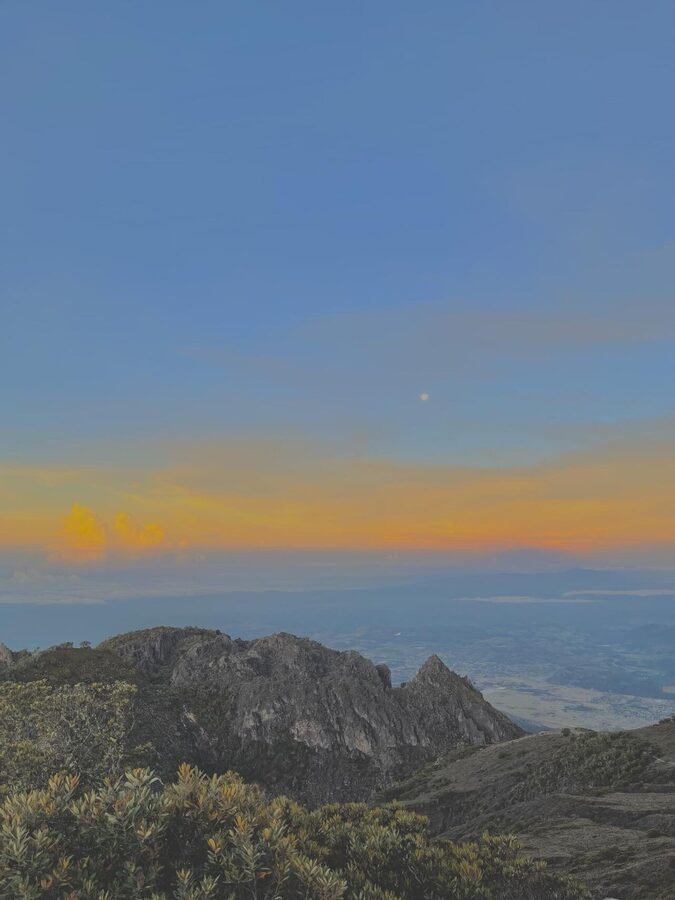
Here’s the contrarian take. Volcán Barú is the highest point in Panama at 3,475 metres, and on rare clear mornings the summit gives you a view of both the Pacific and the Caribbean at the same time, which is the only place in Central America where this is geographically possible. That’s the pitch every blog repeats, and it’s true.
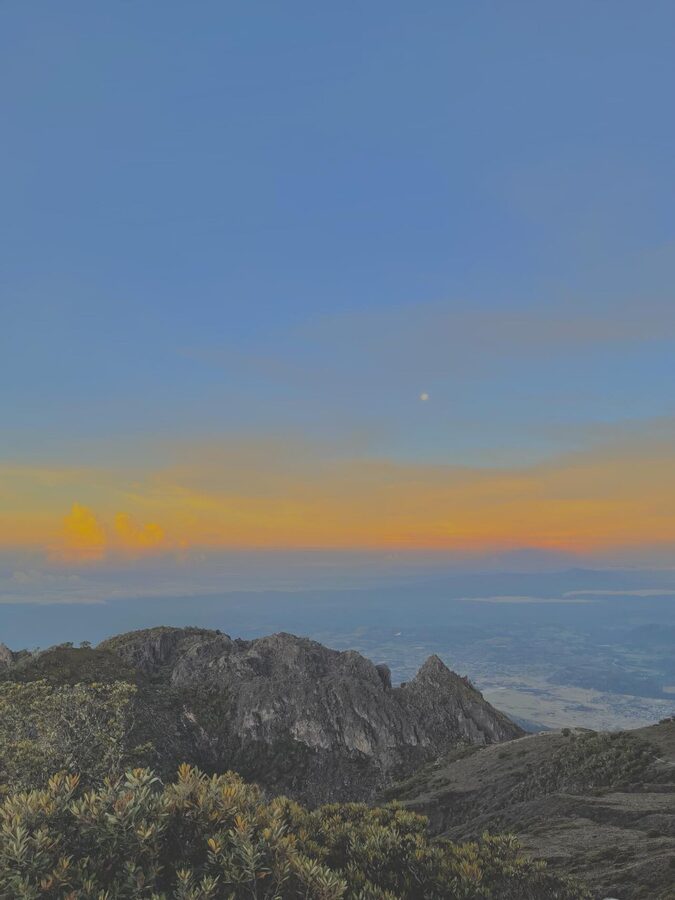
What the blogs underplay is what doing it actually means. The standard route is a 27 km out-and-back from Paso Ancho on the eastern flank. The trail is a rough 4WD track of loose volcanic gravel, lit only by your headtorch, climbing 1,900 metres of vertical. Most parties leave the trailhead at midnight or 1am to summit for sunrise, then descend through the morning. Total time on foot is 9 to 11 hours. There is a real chance the summit is socked in cloud when you arrive (this is the norm in rainy season and not unusual in dry).
The 4×4 alternative runs the same road in a vehicle, costs around $115 USD per person, and is universally hated by the people who hiked it on foot, who feel it cheapens the achievement. The vehicle ride itself is reportedly bone-shaking on the way up.
My honest read: do it if you genuinely love hard night hikes for their own sake, you’re acclimatised to altitude, and you’ve built in a recovery day after. Skip it if you’re tight on time, you’ve already hiked a tougher Central American volcano like Acatenango in Guatemala, or you’re hoping for the dual-ocean view as a sure thing. The Pipeline Trail and Sendero Los Quetzales below give you 70% of the cloud-forest experience for 20% of the suffering.
If you do go, hire a guide. The route is poorly signed in places, the weather can change fast, and El Pianista’s reputation (the trail next door, where two Dutch hikers vanished in 2014 in circumstances still not fully resolved) is a reasonable reminder that solo navigation in Chiriqui’s cloud forest at night is not a casual choice. Reputable operators include Boquete Outdoor Adventures and Volcán Eco-Tours, both with offices on Avenida Central. Expect to pay $90 to $130 per person for a guided summit hike including transport to the trailhead.
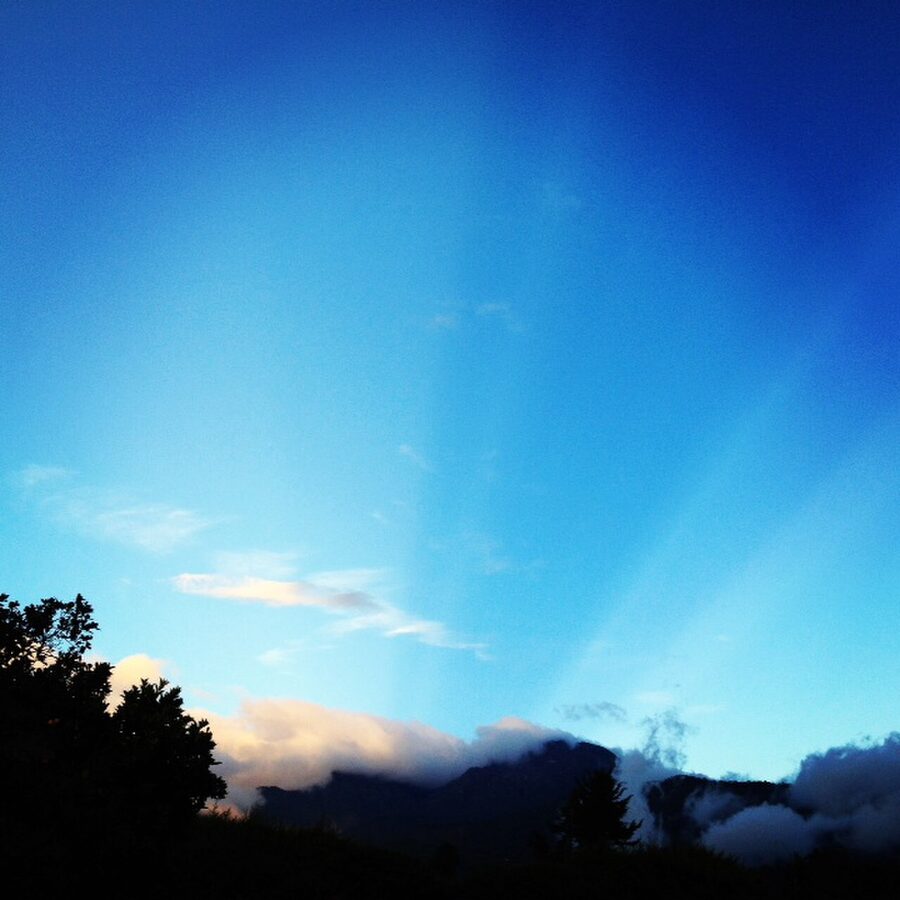
The coffee fincas, and the geisha question
Boquete is one of the world’s most respected specialty coffee regions. The geisha varietal (no relation to Japan; the name is a corruption of the Ethiopian village Gesha where the bean originated) was rediscovered and refined here in the early 2000s on Hacienda La Esmeralda, and Panamanian geisha has held the world auction record almost continuously since. In 2024, a kilo of Elida Geisha Honey from Las Lamastus Family Estates sold at auction for $13,518. To put that in context: a really good bag of specialty coffee anywhere else might run $30 to $50 a kilo. This is one of the most expensive agricultural products on earth, and a few fincas you can actually visit help produce it.
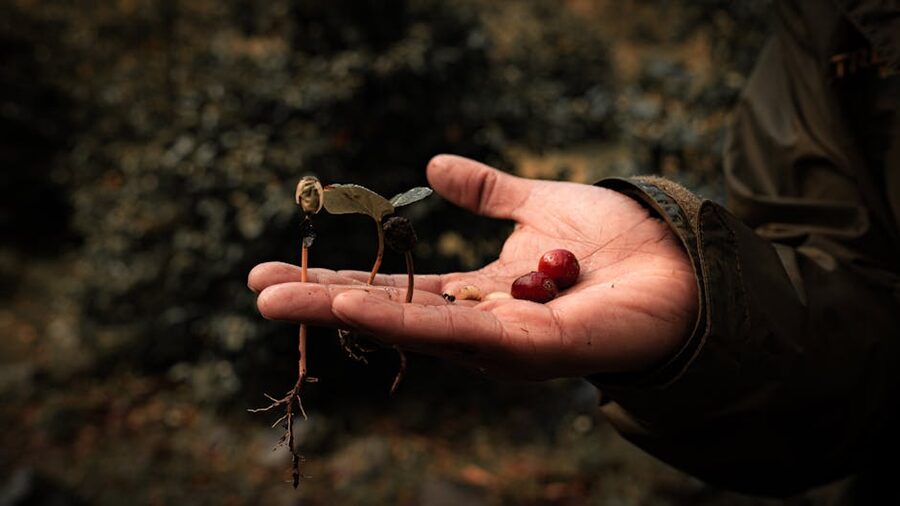
You should book ahead. Most working fincas don’t allow walk-ins because they’re, well, working farms. Online booking forms are usually a day or two ahead.
Finca Lerida is the most visited of the named operations, and the easiest entry point. One of the oldest farms in Panama, founded by a Norwegian engineer in the 1920s, it offers a 90-minute plantation tour with tasting from around $40 USD, plus a longer specialty cupping. The cafe is open year round even if you don’t take the tour and a slice of their cake plus a pour-over sets you up for the afternoon. Café Ruiz is the in-town option: a roastery with two-hour tours covering the fields, processing, roasting, and tasting from about $35 USD. Easy on logistics. Finca Dos Jefes, on the road up to Volcán Barú, runs a 2.5-hour tour at 9am and 2pm slots for $35 per person; smaller groups, hands-on, the owner Richard sometimes leads it personally and you walk away knowing the difference between natural and washed processing.
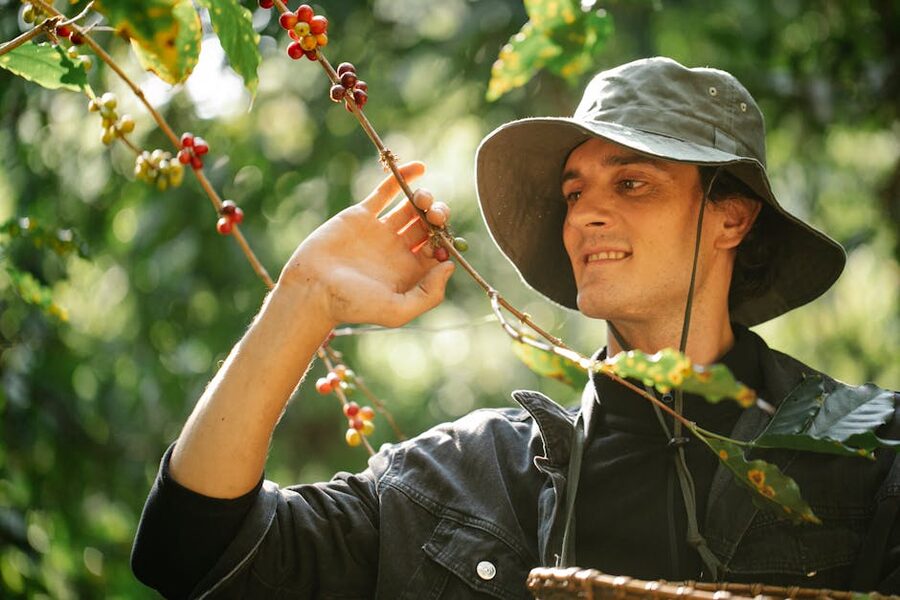
Las Lamastus Family Estates (Elida, El Burro, Luito Geisha) sits in a different bracket. They do a $30 cupping experience right at their small cafe near Lerida, and a $200 per-person 4WD finca tour with a tasting and meeting with Wilford Lamastus, the fourth-generation owner. If you want to drink the actual record-breaking geisha, this is the place. Hacienda La Esmeralda, the estate that put Panama on the map and consistently auction-tops on certain lots, is much harder to visit; tours are limited and need advance arrangement. Check their site rather than expecting to drop in.
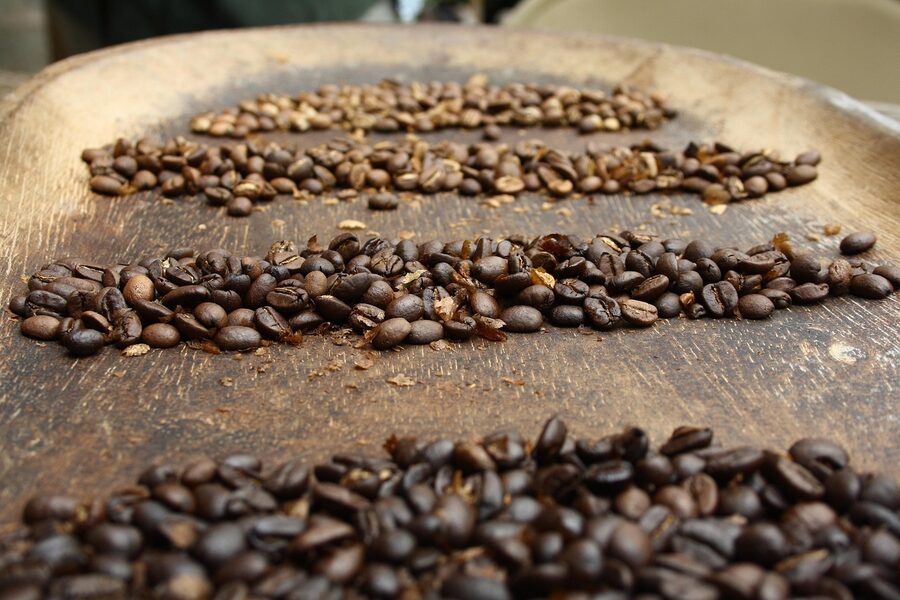
One reality check on prices in town. A pour-over geisha at the fincas and tourist-facing cafes runs $9 to $10 per cup. A barista in David told me his geisha pour-over was $6, and his point was the obvious one: the premium in Boquete is the tourism markup, not the actual cost of the bean. If you’re a coffee nerd on a budget, do one tour, drink your record-priced geisha there, and buy beans at the Super Barú supermarket on the way out. They stock multiple Boquete origins for a fraction of the cafe price.
Sendero Los Quetzales and the cloud-forest hikes
The hikes around Boquete are the other reason to come. Three are essential, one is famous-for-the-wrong-reasons, and one (Volcán Barú) we already covered.
Sendero Los Quetzales
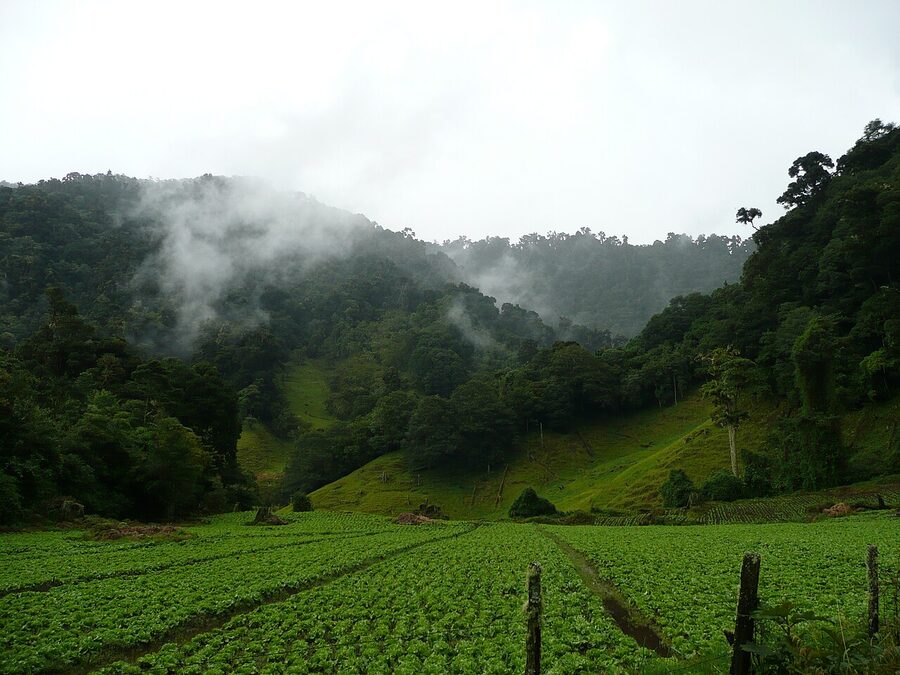
An 8 km cloud-forest trail through Volcán Barú National Park, connecting Boquete with Cerro Punta on the western side of the volcano. Most experienced hikers do it one-way, starting on the Cerro Punta end (because that side is at higher elevation, so you mostly descend) and arranging shuttle pickup at the Boquete end. Total time is around 5 to 7 hours depending on stops. The reward is the trail itself: dripping cloud forest, hanging moss, mossy boulders the size of cars, and a real chance of spotting the resplendent quetzal in season.
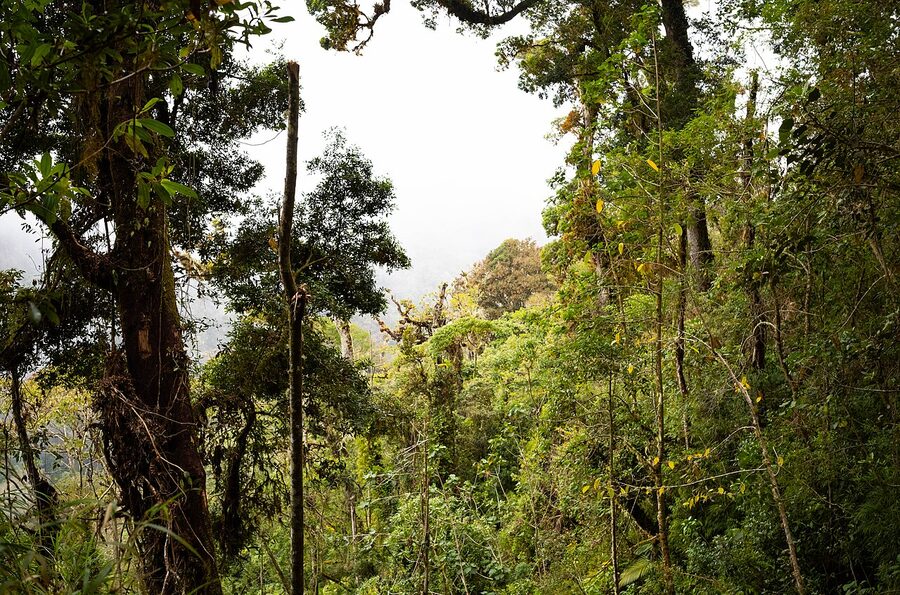
The trail closes for maintenance occasionally, including extended closures after the 2022 storm damage; check at the SNT (national parks) ranger station in Boquete or with your hostel before committing to the day. Park entry is around $5 USD, and you’ll pay for the shuttle separately ($15 to $20 per person depending on group size). Bring layers: it’s cold at the top of the pass even in dry season.
The Pipeline Trail (Sendero Pipa de Agua)
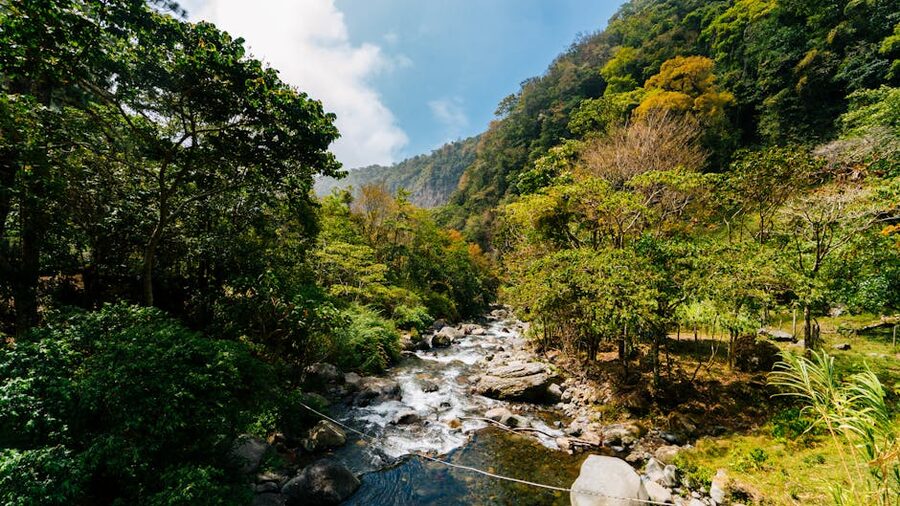
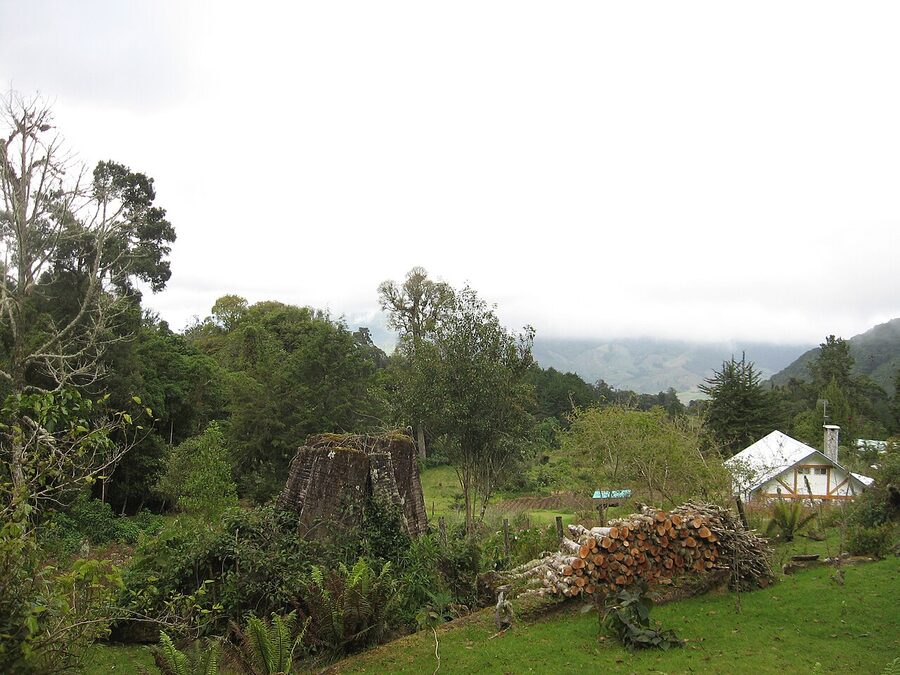
If you only have time for one cloud-forest walk, do this one. It’s an easy 6.5 km out-and-back through Volcán Barú National Park, running along an old water pipeline (hence the name) through dense forest to a thin waterfall at the end. The trail itself is mostly flat, with a couple of short rocky sections and a stream crossing or two. Allow 2 to 3 hours, plus transport time.
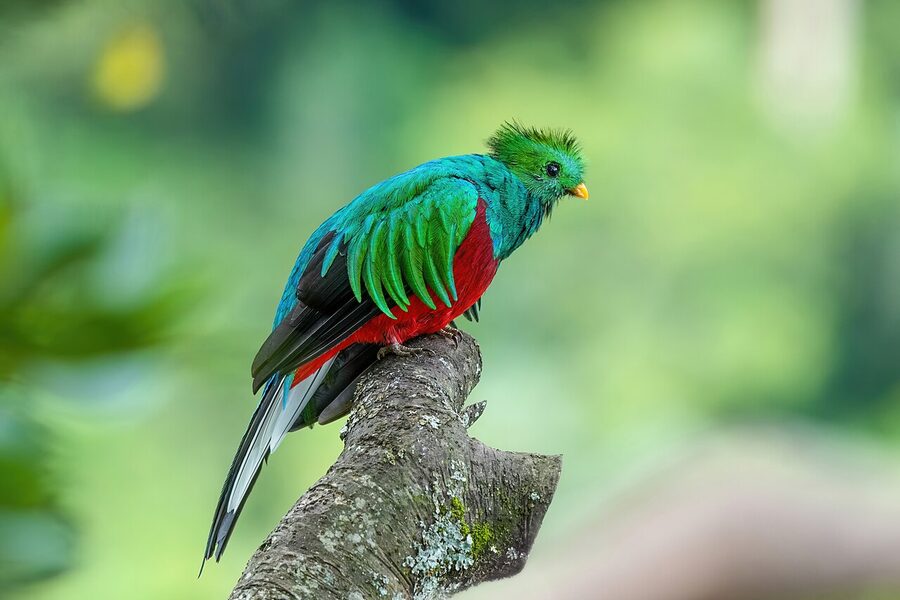
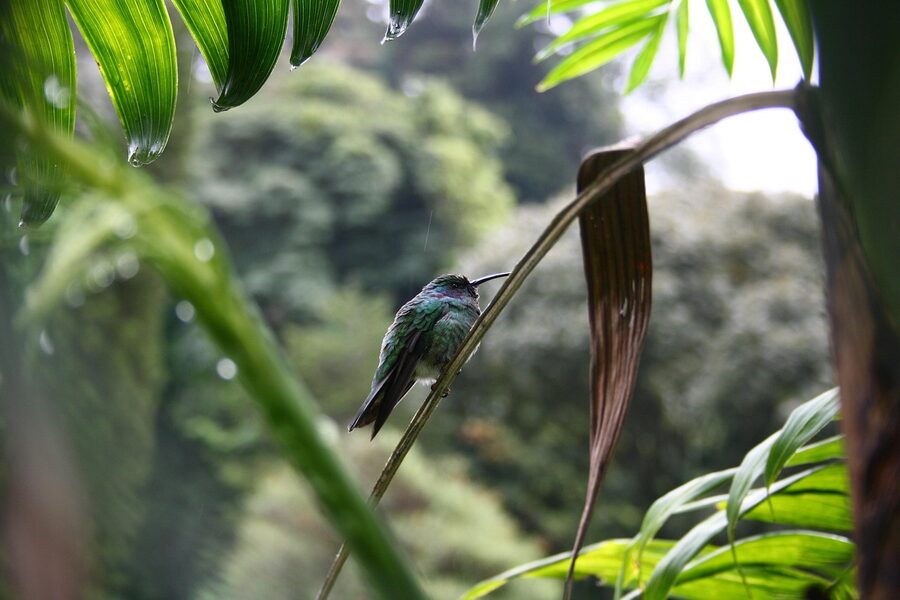
The Pipeline is also the most reliable place in Boquete to see a resplendent quetzal. Birders come specifically. There’s a known nesting tree near a 1,000-year-old Mexican Elm about halfway along, and from January to early August the male quetzals with their long tail streamers are showing off for the females. I saw one a few feet above my head on a slow Tuesday morning; the people I passed coming down had each seen at least one too. No guarantee, obviously, but the odds here are better than anywhere else around Boquete.
The trailhead is 10 km out of Boquete on the Bajo Mono loop. Catch a Bajo Mono colectivo from the corner of Avenida Central and Calle 1 Sur (one block north of the Parque Central) and ask to be dropped at the Sendero Pipa de Agua. Entry is $5 USD per person, paid in cash to the booth at the trailhead. If you want a guided spot with a birder who knows the trees, four-hour group tours run from town for around $30 to $40 per person, often combinable with a finca visit afterwards.
The Lost Waterfalls Trail (Las Tres Cascadas)
The popular one. A 6 km loop on a private finca off the Bajo Mono loop, climbing past three increasingly dramatic waterfalls. The first is small. The second is climbable to a pool at the base. The third is the proper one, and the section between waterfalls two and three involves a rope-assisted scramble up wet rocks that is harder than the trail signage suggests. Allow 2 to 3 hours and assume you’ll get muddy.
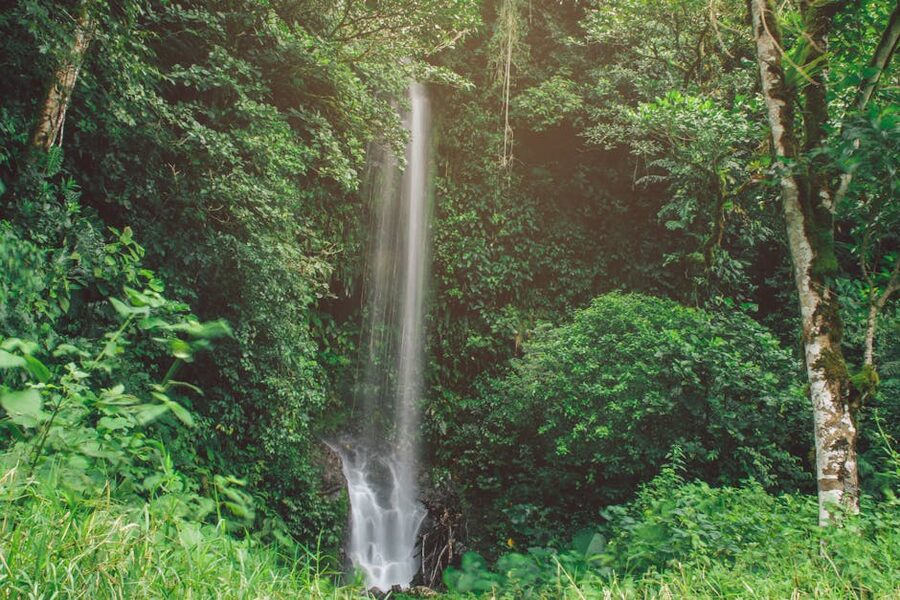
Entry is $10 USD per person, paid at the entrance booth. Same colectivo as Pipeline (Bajo Mono) drops you at the turn-off, then it’s a short walk to the entrance. The two trailheads are close enough that doing both in a single morning is feasible if you’re fit and start at sunrise; otherwise split them across two days. It’s worth knowing the locals pronounce Boquete itself as “bo-KEH-teh” rather than “boquette” or “bouquet”. Useful at the colectivo when you’re asking for a return ticket.
El Pianista (and a note on safety)
El Pianista is a 10 km out-and-back climb through cloud forest to a viewpoint over the continental divide. As pure hiking it’s harder than the Pipeline and less rewarding than Sendero Los Quetzales (the viewpoint is often clouded over). What’s made the trail famous is the 2014 disappearance of Kris Kremers and Lisanne Froon, two young Dutch hikers whose deaths after taking this trail remain unresolved. There’s a true-crime industry around it (podcasts, Reddit threads, two competing hypothesis camps about what actually happened) and some travellers come specifically because of the case.
I’d skip it on its own merits unless you’re a strong solo hiker or already curious. If you do go, do it in the morning, take the AllTrails route map, and don’t go alone. The wider point applies to all the trails here: download offline maps, tell your hostel where you’re going and when you’ll be back, and don’t push past your fitness on a poorly signed trail in cloud-forest weather.
Whitewater rafting on the Chiriquí Viejo
Chiriquí Province has the best whitewater rafting in Panama, and the season runs roughly December to April for the Chiriquí Viejo (Class III to IV) and the Río Chiriquí (Class III). The Majagua River nearby is gentler (Class II to III) and the entry point if it’s your first time. A full day on the Chiriquí Viejo is a serious commitment: 3 to 4 hours of actual rafting, with picnic lunch, gear, and transport from town included for around $90 to $120 per person. Half-day options on tamer sections start around $55 to $65.
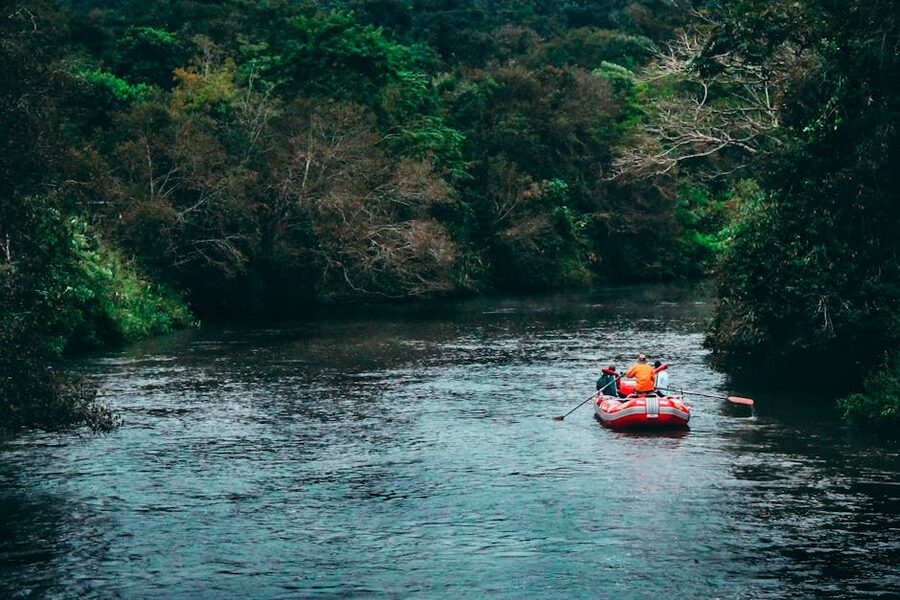
Reputable operators in town include Boquete Outdoor Adventures (long-running, English-speaking guides) and Boquete Rafting; both have offices on Avenida Central where you can compare itineraries. Book a day ahead in dry season because the spots fill. If you’ve done bigger water in Costa Rica‘s Pacuare or Reventazón, the Chiriquí Viejo is comparable in technical difficulty without the same crowds.
Caldera hot springs, and the rest of the day
The Caldera Hot Springs (aguas termales) sit about 30 to 45 minutes south of Boquete in the lowland village of Caldera, accessed by a rough dirt road and a short walk down to the river. Multiple small thermal pools at the riverbank, $2 USD entry, BYO snacks and a towel. It’s a real local spot, not a manicured spa: think wooden benches and a basic changing area, the river right there if the pools get too hot. Best as a half-day after a morning hike. Get there by colectivo to Caldera village ($2) and then either walk the last 30 minutes or take a $5 mototaxi from the village. Don’t go in heavy rainy season; the river floods the pools.
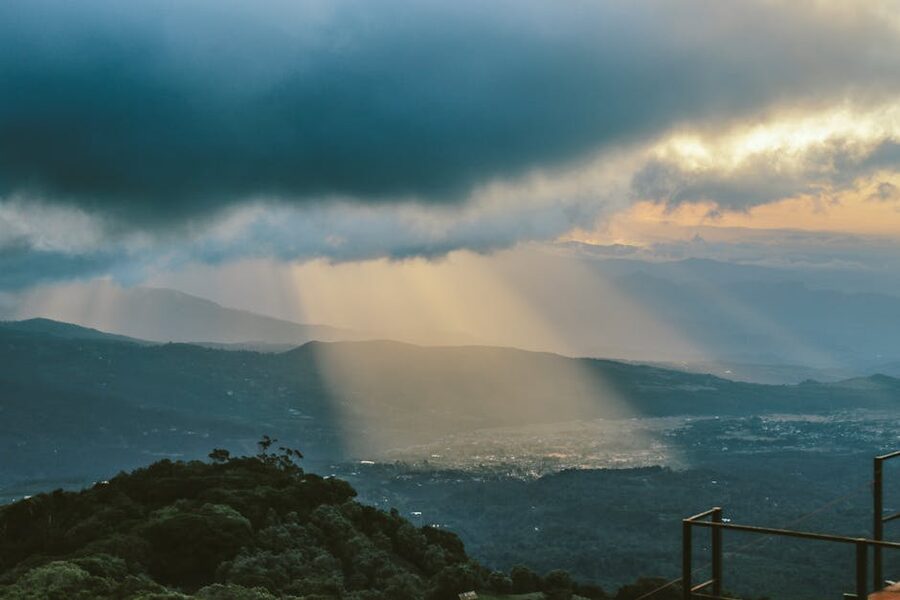
Other half-day options: Jardín El Explorador, a private garden on the eastern hill above town, has hours of art-from-junk sculptures and the best mountain panorama in walking distance from the centre. $5 entry. The Boquete artisan market on the east side of the bridge is worth twenty minutes if you want a proper souvenir (Ngäbe textiles, real coffee bags, occasional ceramics). The Boquete Flower & Coffee Festival takes over the festival grounds every January for ten days, with flower displays, fairground food, and music. It’s primarily a regional Panamanian event, not designed for international tourists, which makes it more interesting if your dates align. Book accommodation early because the town fills.
Where to eat
The expat scene means Boquete has more international food than a typical Central American village its size. That’s a feature for some travellers and a bug for others; if you want strictly Panamanian, you’ll need to look harder.
For sit-down with character, Big Daddy’s Grill on the south end of town is the popular pick, run by an American couple, with fresh fish tacos, shrimp, and reliable steak; expect $15 to $25 per main, often with a wait at dinner. Mike’s Global Grill down by the creek has live music on weekend evenings and a slightly older crowd; closes earlier than you’d expect. Hotel Panamonte’s restaurant is the proper splurge with a wood-fired grill and a wine list that’s better than the town deserves; book ahead. The Rock on the Palo Alto side is the most consistently recommended fine-dining option locals go to for anniversaries.
For pizza, APIZZA does Neapolitan-style that’s genuinely among the best you’ll find anywhere in Central America (the chef trained in Naples). For breakfast, Sugar & Spice is the bakery the whole town agrees on: fresh bread by 8am, big breakfast plates, get there before 10 on Sundays or it’s full. Café de Punto Encuentro is the small breakfast favourite run by Olga, who hugs returning customers and whose dog Toffee will probably greet you at the door.
For local Panamanian on a budget, El Sabrosón #1 on Avenida Central is the canteen-style place where you point at meat, rice, and sides for $4 to $5 a plate; not glamorous, exactly what you want after a hike. Fresas Mary uses Boquete’s famous local strawberries in milkshakes, smoothies, and toppings; it’s a small green-fronted spot a short walk from the centre. Tacos Rudos in town does honest tacos with vegan options for around $4 to $6 each.
For drinks, Boquete Brewing Company on the north end of Avenida Central runs a four-beer tasting flight, has live music some weekends, and is the best alternative to bottled Atlas or Balboa beer. Open 3pm to late, closed Mondays. It’s a fair walk from the south end of town if that’s where you’re staying.
When to go
The headline answer is December to April for dry season, with January and February as the sweetest spot for clear mornings, festival timing, and quetzal nesting. March still works and tends to be drier as the season ends. The cloud forest is wet by definition all year (Boquete’s micro-climate is what makes the coffee work) but afternoon downpours in dry season are usually short and clear out for sunset.
May through November is the rainy season (la temporada verde, the green season). Trails get genuinely difficult, the Lost Waterfalls scrambles turn dangerous in heavy mud, and the bajareque can become full afternoon rain that doesn’t quit until dark. The flip side is fewer crowds, lower prices, and a lush green that the dry season can’t match. If you’re flexible and don’t mind hiking in mud, October to early November can be a quiet sweet-spot window.
Avoid the first two weeks of January if you don’t want the Flower Festival crowds. Also avoid Easter week (Semana Santa) and Panamanian school holidays in late December and early January, when town fills with regional weekend visitors and accommodation prices climb.
How long to stay, and how Boquete fits a Central America trip
Two to three days is the right length for most travellers. That gives you one full day for a finca tour and one of the easier hikes (Pipeline, then Lost Waterfalls), one day for either Sendero Los Quetzales or rafting, and a half-day in town with the artisan market and the Caldera springs. Add a fourth day if you want to attempt Volcán Barú with a recovery day after.
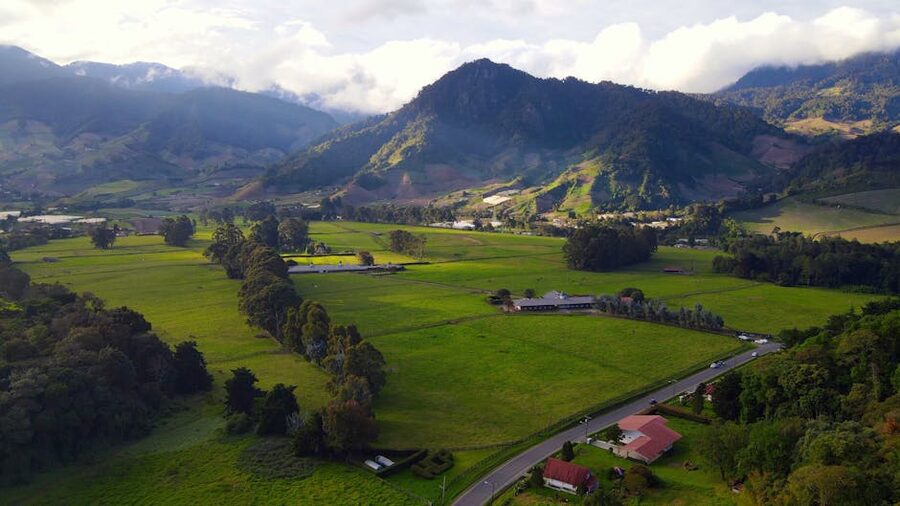
Most travellers slot Boquete into a week-plus loop. The classic Central America circuit is to come down through Costa Rica, cross at Paso Canoas, do two or three days in Boquete, then transit east via David to Bocas del Toro on the Caribbean coast for the contrasting beach phase, then on to Panama City. It can also work well in reverse if you’ve started in Panama City and want to fly to David, do Boquete, then bus or boat to Bocas, and exit overland to Costa Rica. See the wider context in our Panama country guide.
For comparison: travellers under 30 generally prefer Bocas if they had to pick one (beach, party, dive, hostel scene). Travellers over 30, or families, or anyone who likes hiking and coffee more than tequila and reggae, tend to prefer Boquete. If you have time for both, do Boquete first while your legs are fresh. For more things to do in the wider region, the Panama category page rounds up our other articles in the country, including David, Bocas, and Panama City.
Practical bits
Currency is USD. Panama uses US dollars as paper currency, with locally minted coins for small change called balboas (1 balboa = 1 USD). ATMs are at the BAC Credomatic and Banistmo branches on Avenida Central; both work with international cards and dispense in $20s. Don’t bring large bills from home; small businesses won’t break a $100. Tipping: 10% in restaurants if not already added (sometimes a service charge, marked servicio, is on the bill). Round up taxis.
Spanish is the official language, but Boquete’s expat scene means English is spoken at most hotels, restaurants, tour agencies, and the larger fincas. Outside that bubble, basic Spanish helps. The colectivo drivers, market vendors, and most rural finca workers speak Spanish first.
Cell coverage is decent in town on both Claro and +Móvil/Tigo, patchy on the trails. Most accommodation has good Wi-Fi. The Boquete Library on the east side keeps a notice board of local events and is a solid backup for working remotely if your hostel is full.
For safety: Boquete itself is among the safest towns in Panama. Petty theft is rare and rarely violent. The standard caveats apply on the trails (don’t hike alone, tell someone where you’re going, take offline maps), and on the road home from a late dinner take a taxi rather than walking unlit stretches of Avenida Central. The State Department’s current Panama travel advisory is at Level 2 (exercise increased caution) for the country overall, mostly relating to Darién and certain Panama City neighbourhoods, not Chiriquí. The official tourism authority is Autoridad de Turismo de Panamá, with practical info on national parks via MiAmbiente (the ministry that runs Volcán Barú National Park).
Boquete is a small town that contains more than its size suggests. Coffee that auctions for the price of a small car. A volcano you can climb in a long miserable night for a sunrise that may not appear. A trail named for a bird that you may or may not see. An expat community sharing a main street with the Ngäbe workers who pick the cherries. None of those are tidy stories, and the place is more interesting because of it. Bring a fleece, book the finca tour ahead, and give yourself an extra day so you can come back from the Pipeline Trail at noon and just sit on a balcony watching the cloud roll over Barú.