Author name: tourcentroamerica

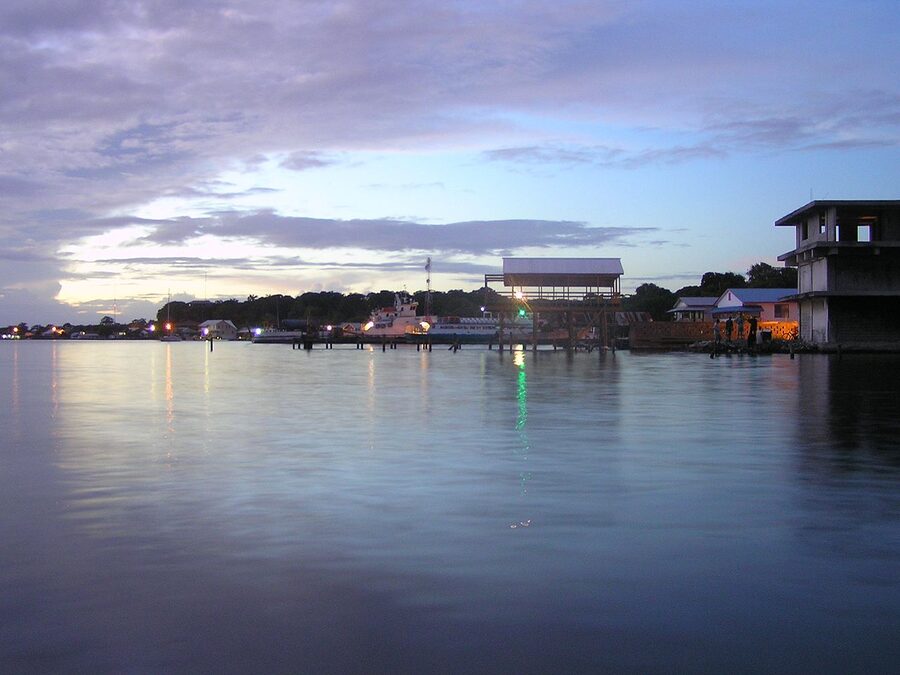
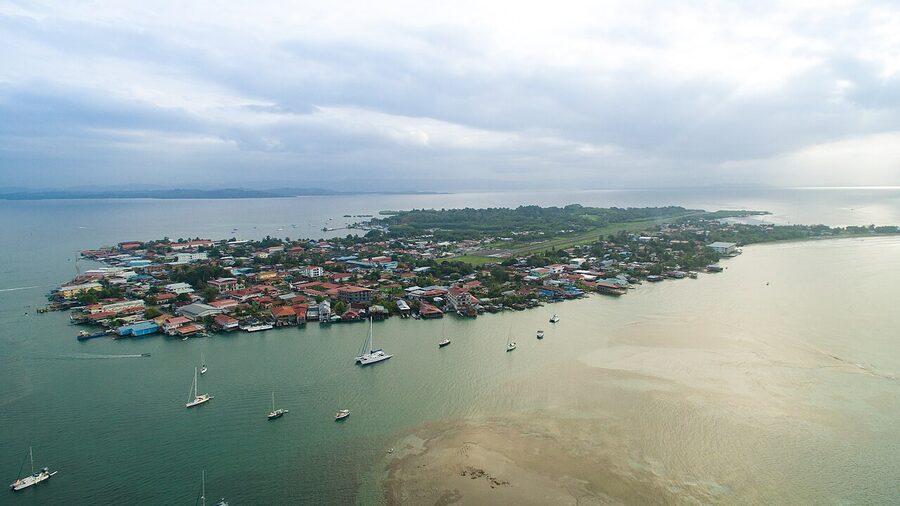
Panama’s Caribbean archipelago: Isla Colón for the party scene, Isla Bastimentos for quiet beaches and Old Bank village, Carenero for the dock-bar crawl. Where to dive and snorkel, when to skip the rainy stretch, how to get there from Panama City, San José, or Puerto Viejo across the Costa Rica border.
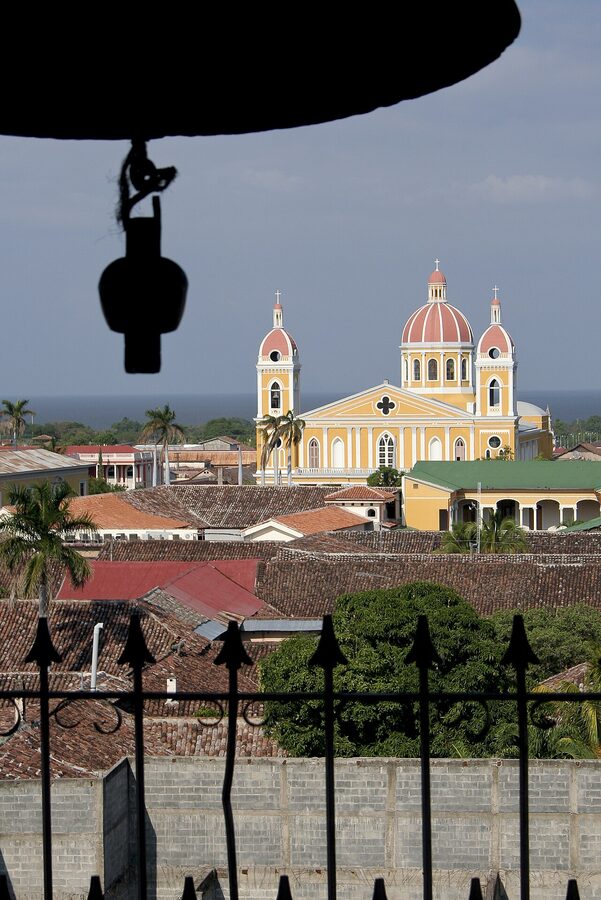
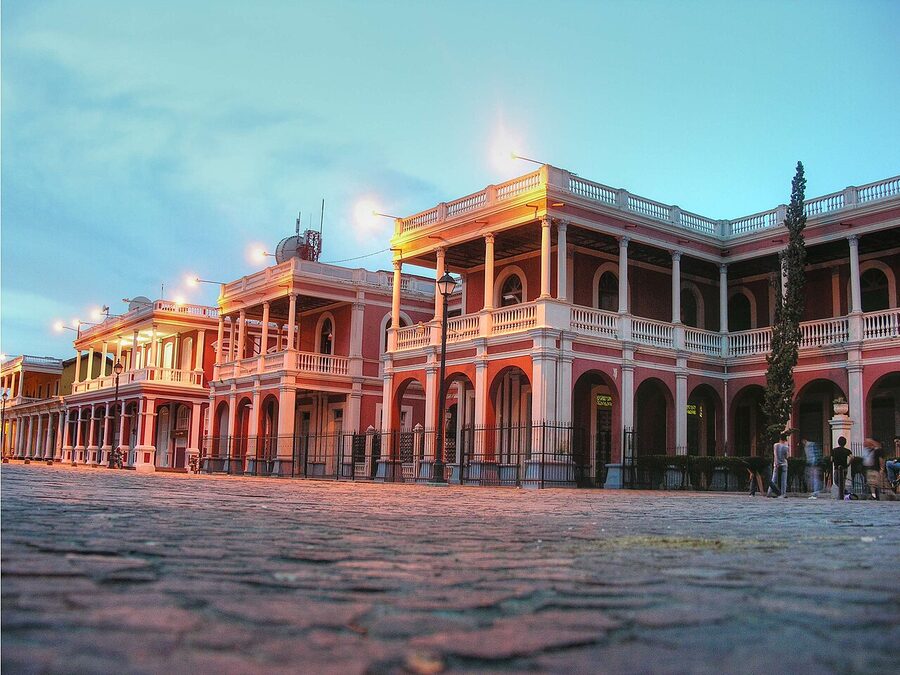
Granada, Nicaragua’s photogenic colonial city, founded 1524 and burned by Henry Morgan in 1665. Practical guide to the cathedral, La Merced bell tower, Calle La Calzada, the 365 islets of Lake Nicaragua, the Mombacho cloud forest hike, the Masaya lava lake at night, the Pueblos Blancos artisan loop, where to stay across every budget tier, where to eat (including the deaf-staffed nonprofit Café de las Sonrisas), and how to cross from Costa Rica or Honduras. Prices in córdobas, opinions where they matter.

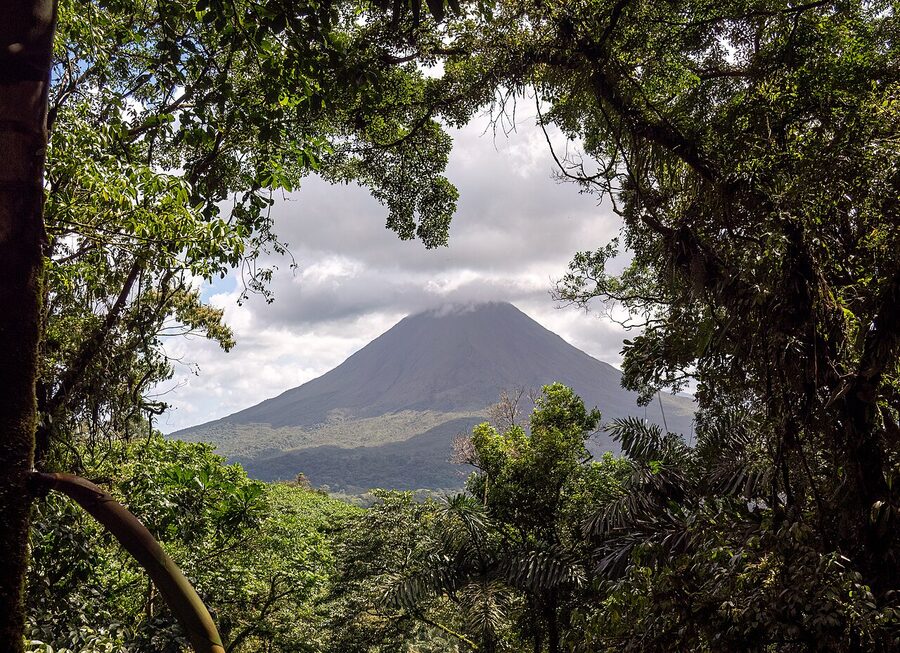
A first-person Costa Rica travel guide from a long-time Central America traveller. Where to go (Arenal, Monteverde, Manuel Antonio, the Pacific surf coast, Corcovado, the Caribbean, Tortuguero), when, for how long, and what to skip. Real prices in colones, the food worth ordering, and an honest take on safety, rip currents and how to combine the trip with Nicaragua or Panama next door.

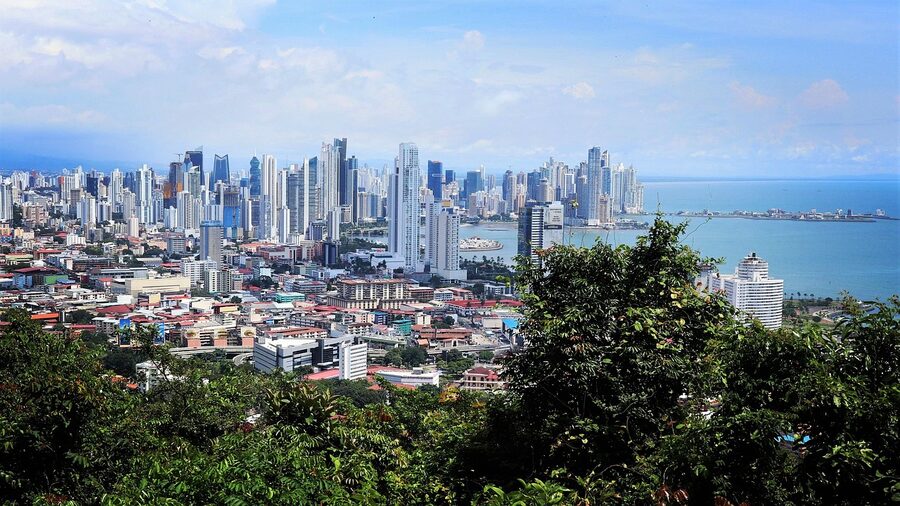
Panama City skyline seen from the hills above Casco Viejo

Panama is the most-developed Central American country and the most-overlooked by Western backpackers. A working guide to Panama City, the Canal, Bocas del Toro, San Blas / Guna Yala, Boquete and Volcán Barú, El Valle de Antón, and the Pearl Islands, with honest costs, transport details, and which parts are actually worth your time.

Nicaragua is the Central America country quietly avoided by Western travellers since the 2018 protests, but tourist infrastructure works, locals are warm, and the value-for-money against Costa Rica is dramatic. Granada and Leon are two of the prettiest colonial cities in the region. Ometepe is twin-volcano island in a freshwater lake. Volcano boarding on Cerro Negro is a thing only this country offers. Honest about the politics, practical on the rest. All prices in cordobas.

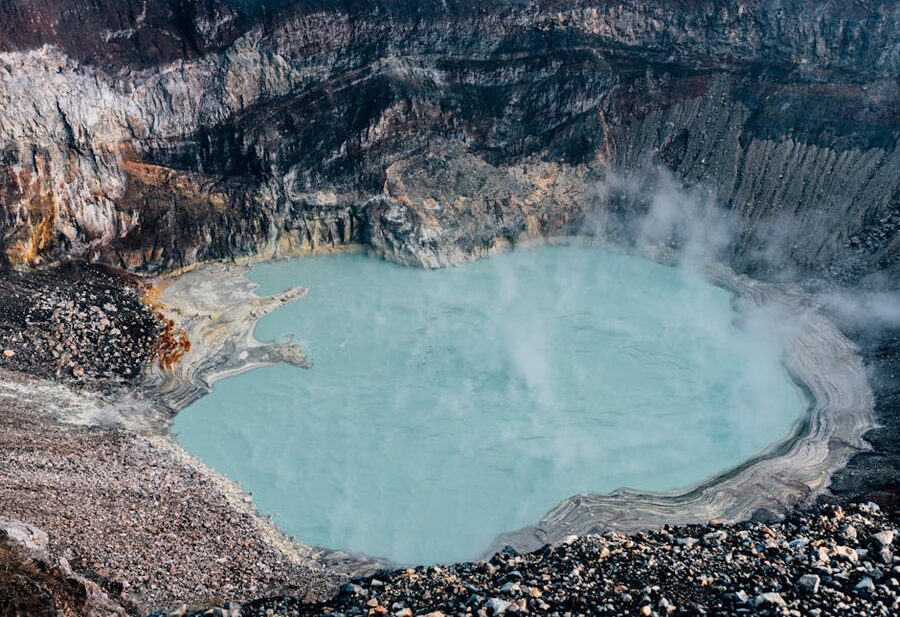
El Salvador went from one of the world’s most dangerous countries to a Level 1 travel advisory in three years. The full picture: world-class surf at Punta Roca and El Sunzal, the turquoise crater lake at Volcán Santa Ana, the painted mural towns of the Ruta de las Flores, the Mayan farming village at Joya de Cerén, the State of Exception you should understand before going, and a practical 7 to 10 day itinerary that links them all.

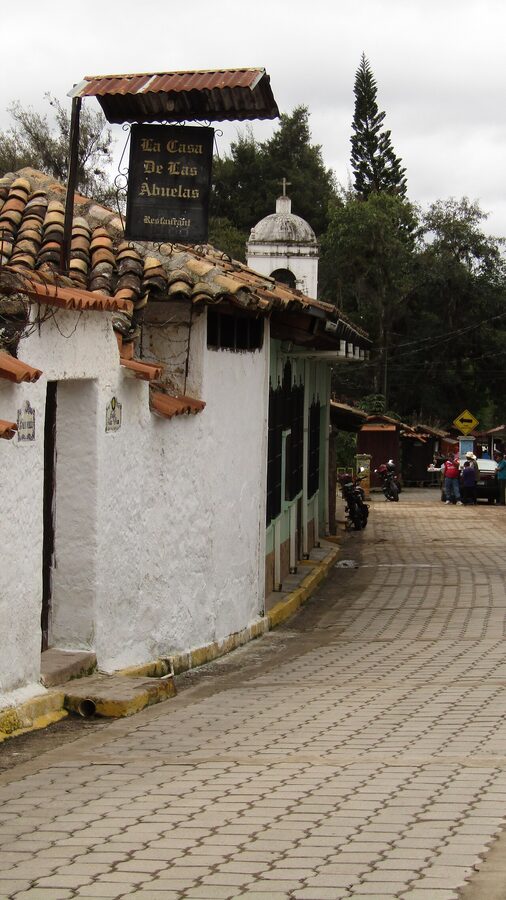
A small artisan town in the pine-covered hills 22 km from Tegucigalpa: the practical case for a Sunday day trip or an overnight, plus side trips to La Tigra cloud forest, Santa Lucía, and San Juancito.

Utila is the smaller, scruffier, cheaper of the Honduran Bay Islands and the cheapest place in the world to get PADI certified. A practical guide to ferries from La Ceiba, dive shops worth your money (Utila Dive Centre, Bay Islands College of Diving, Underwater Vision, Alton’s, Captain Morgan’s), whale shark season, where to stay, what to skip, and the honest Utila vs Roatán call.

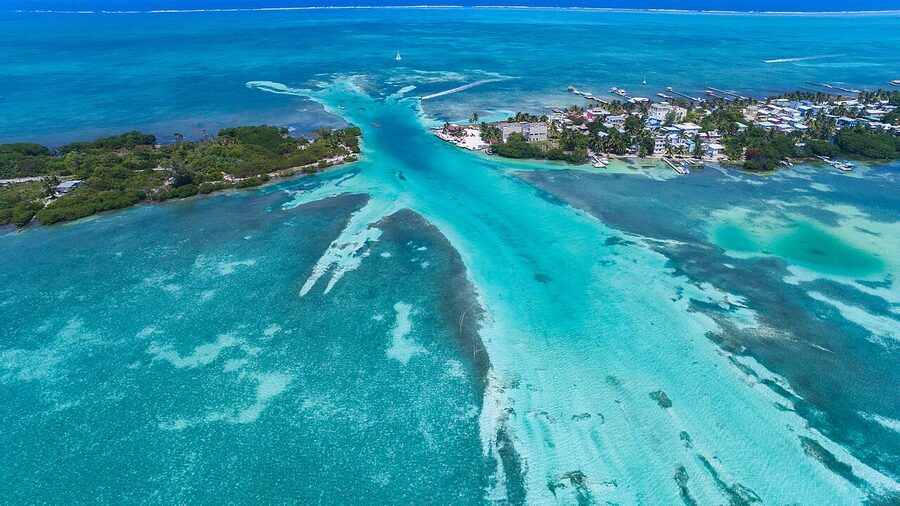
Belize sits between Mexico and Guatemala, packs a barrier reef, jungle Mayan ruins, Garifuna drumming villages and pine-ridge highlands into a country the size of Wales, and is the only English-speaking, Caribbean-and-jungle country in Central America. This is the long-time traveller version: where to go, when, how long, what it costs, how the Belize dollar peg works, and why being outside the CA-4 actually matters.

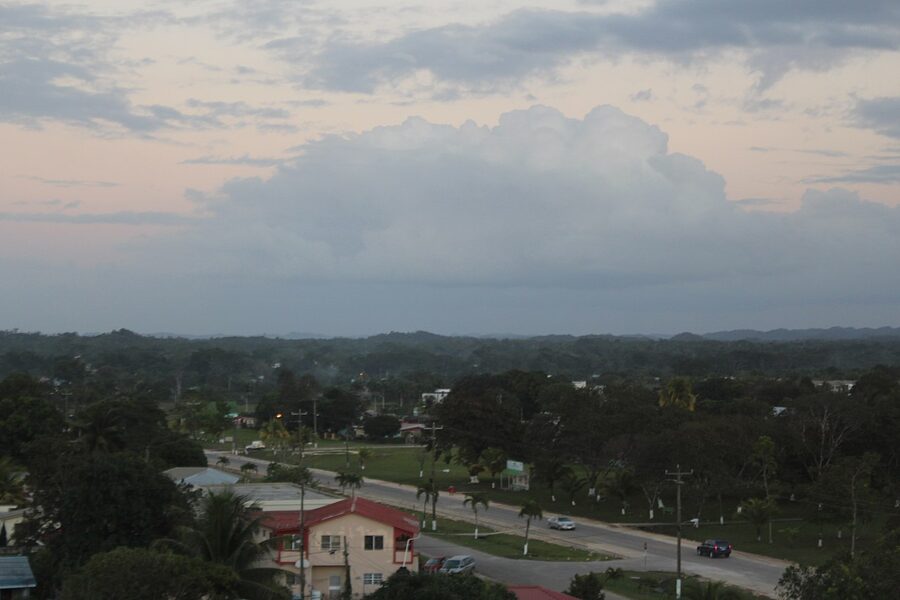
Belize’s planned capital, built from scratch in 1970 after Hurricane Hattie wrecked Belize City. Most travellers skip it; if you’re already in Cayo, half a day covers everything: Guanacaste National Park, the Mayan-temple-style National Assembly, the market, and the much better day trips just outside the Ring Road, from St Herman’s Blue Hole to the Belize Zoo and Banana Bank.

Scroll to Top